You know, these days everyone's talking about miniaturization and integrated solutions. It's all well and good in the design meetings, but when you're actually on site, knee-deep in dust, you realize things aren’t always so straightforward.
To be honest, a lot of these new materials… they look great on paper, fantastic lab results, but they haven’t seen a real construction site. I’ve been seeing a surge in demand for more durable, yet lightweight components. It's a tricky balance, that is. And let me tell you, the suppliers are always promising the moon.
It’s funny, everyone's obsessed with smart materials now. Like, self-healing concrete. Sounds amazing, right? But it's expensive. Seriously expensive. And the install process? Forget about it. It’s gotta be just right, or it doesn't work.
The Current Landscape of Mica Processing Plant
Have you noticed the increasing demand for more efficient and sustainable solutions? It’s not just a buzzword anymore; clients are really pushing for reduced waste and lower environmental impact. That’s driving a lot of innovation in mica processing plants, towards modular designs and closed-loop systems.
Strangely, a lot of the focus is on automation. Everyone wants robots. But I’ve seen too many plants where the robots are just… sitting there, because the material feed is inconsistent, or the sensors are getting clogged with dust. You need experienced operators. Always.
Common Pitfalls in Mica Processing Plant Design
Look, I’ve encountered this at almost every factory I’ve visited: over-engineering. People try to make things too complicated. They add features no one actually needs, just because they can. It drives up costs, increases maintenance, and ultimately makes the plant less reliable.
Another big one is ignoring the human factor. You design a beautiful, streamlined control panel, but it's not intuitive for the guys who are actually running the plant. They end up working around it, or worse, messing something up.
And then there’s the ‘not invented here’ syndrome. Clients insist on modifications that completely defeat the purpose of a proven design, just because they want to put their own stamp on it. It’s frustrating, to say the least.
Material Choices: Beyond the Specs Sheet
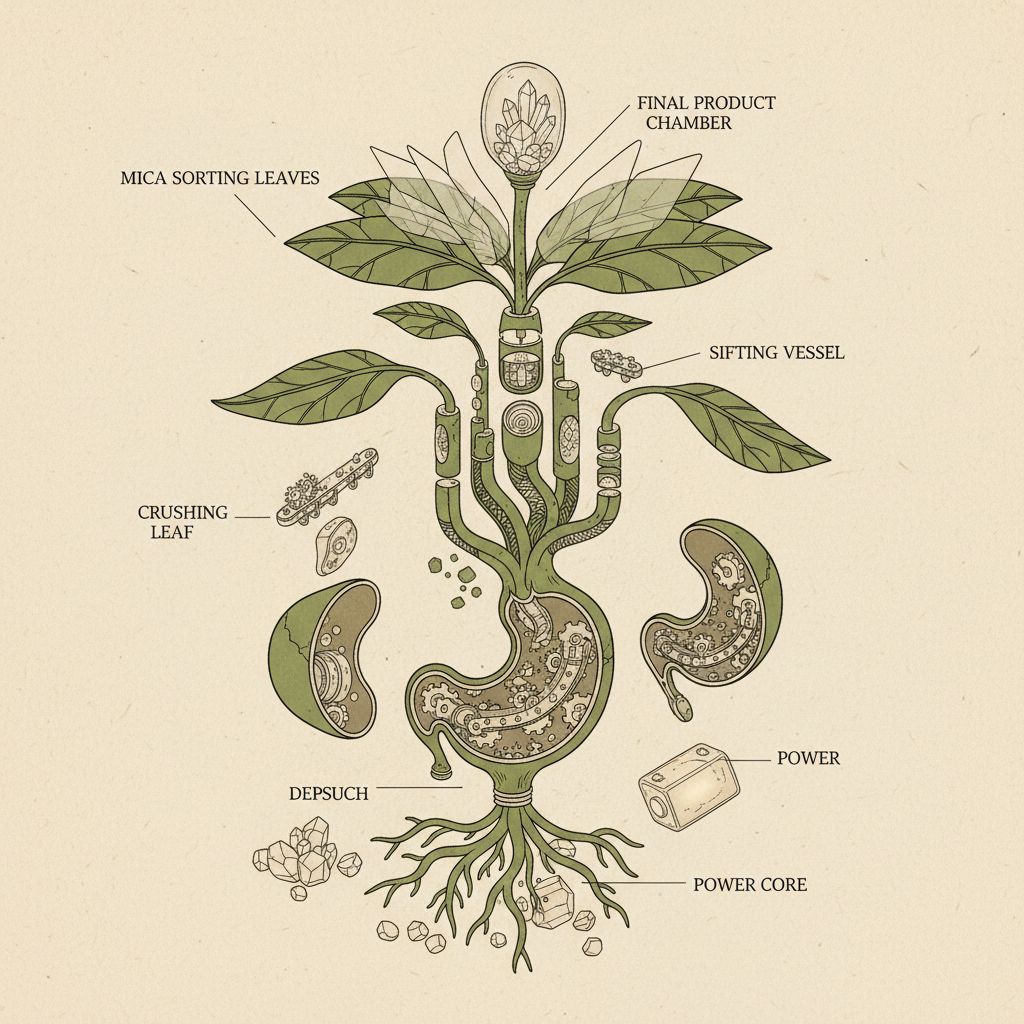
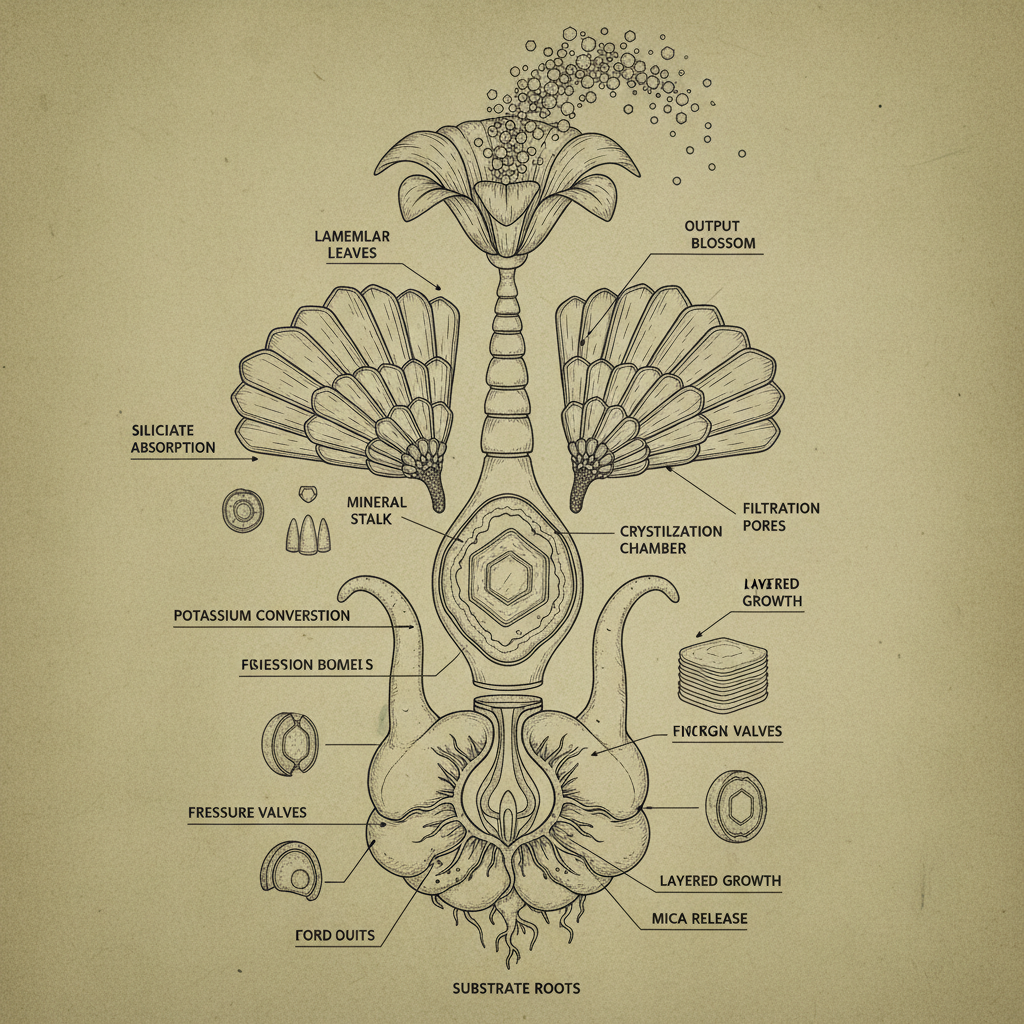
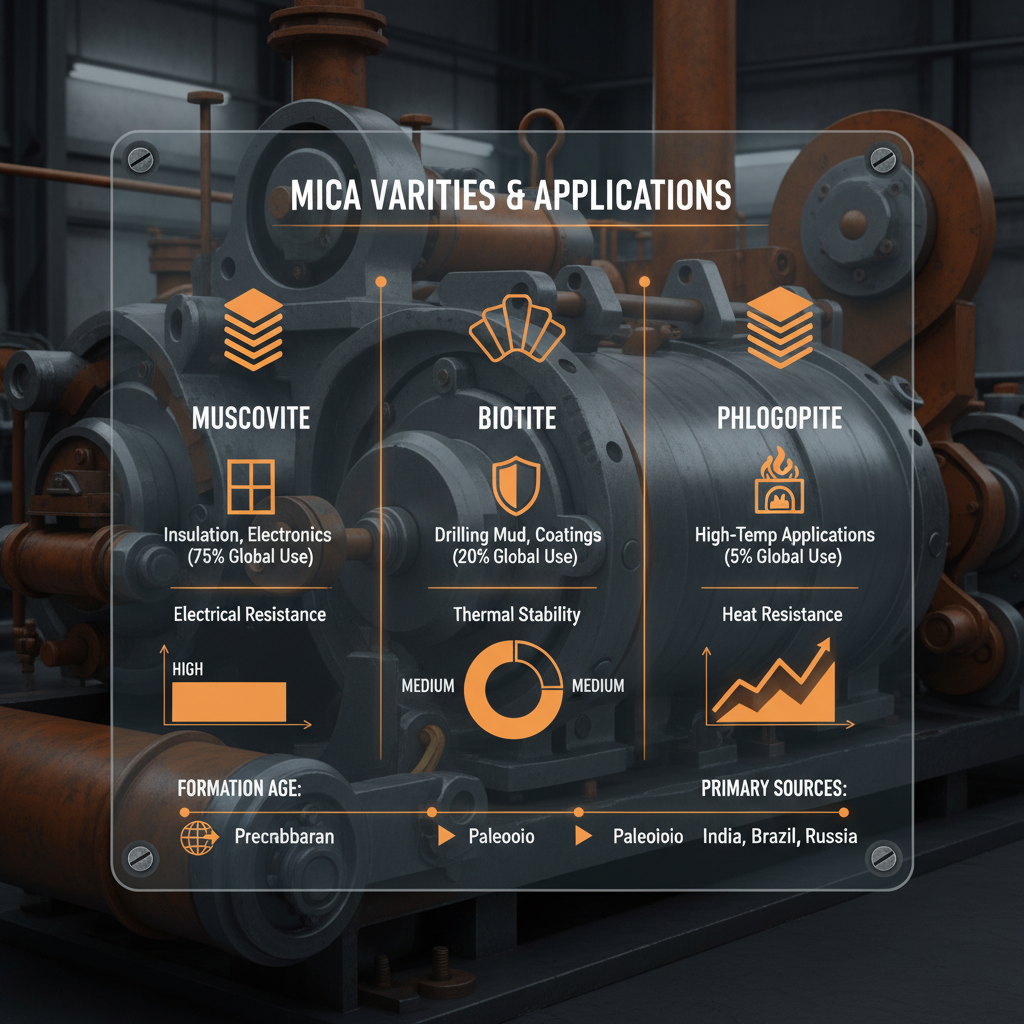
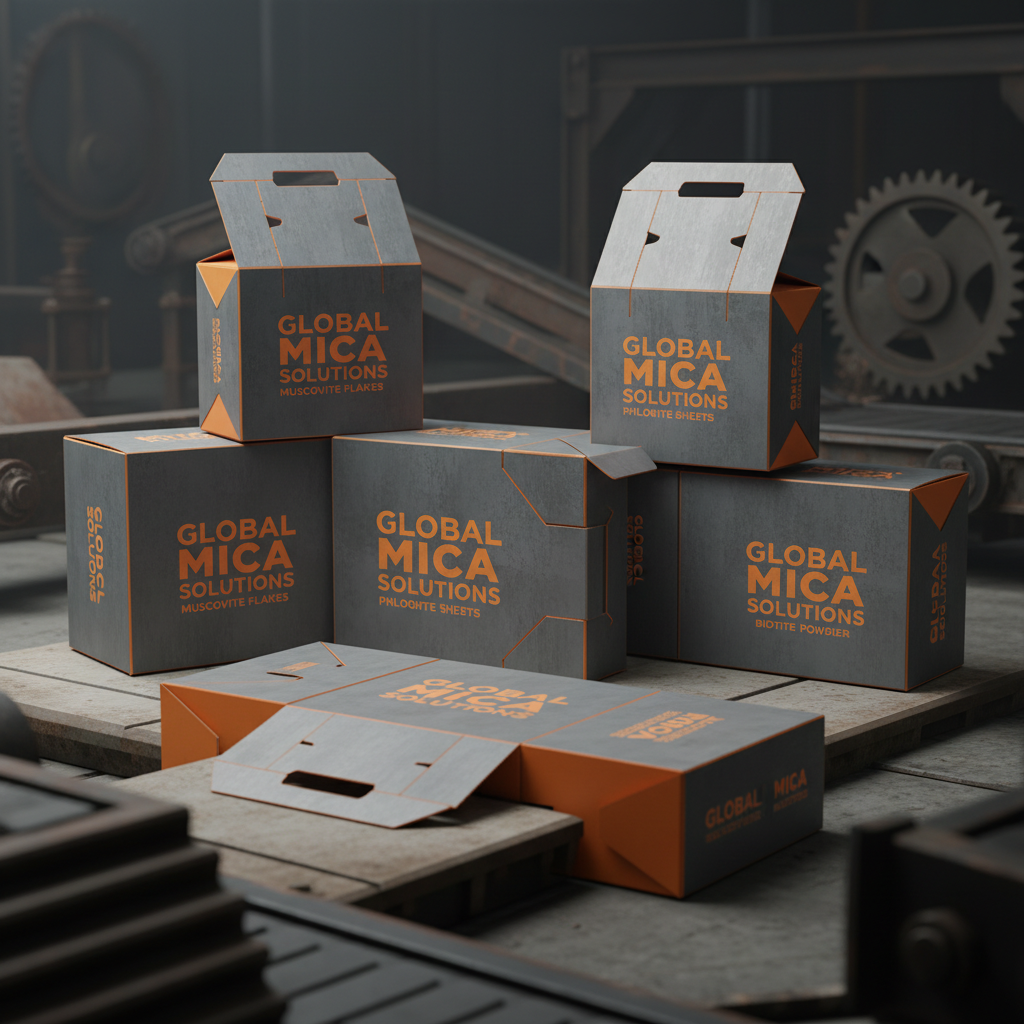
The mica itself…you gotta know your stuff. There’s muscovite, phlogopite, biotite – each with different properties, different levels of impurities. Muscovite is the most common, gives you that classic pearly sheen. Phlogopite’s a bit more heat resistant, good for high-temperature applications.
But the real challenge is the auxiliary materials. The binders, the lubricants, the additives. They need to be compatible with the mica, and they need to withstand the harsh conditions inside the plant – dust, heat, vibrations. I remember smelling a particularly acrid odor at a plant in India a few years back. Turned out they were using a cheap binder that was off-gassing something nasty. And the feel…you can tell a good material by how it handles. Does it feel gritty? Smooth? Does it clump up easily?
You also have to think about sourcing. Where’s the mica coming from? Is it ethically sourced? Is the supply chain reliable? These are questions clients are asking more and more often.
Real-World Testing of Mica Processing Plant
Lab tests are fine, but they don’t tell the whole story. I’ve seen plants pass all the certifications, and then fall apart after a month of operation. You need to test these things under real-world conditions. That means running them 24/7, with varying load levels, and in different climates.
One test we do is the ‘dust storm’ test. We pump a ton of dust into the plant and see how it handles it. Does it clog the filters? Does it affect the sensors? Does it overheat? It’s a messy test, but it’s invaluable. We also do vibration tests, shock tests, and thermal cycling tests. Anything to try and break it.
Mica Processing Plant Component Reliability
How Users Actually Interact with Mica Processing Plant
You design a plant with all these automated features, thinking it’s going to make everything easier. But then you watch the operators, and they're still doing things the old-fashioned way. It’s not because they’re stubborn; it’s because they’ve found workarounds that are more efficient, or more reliable.
They also use the plant in ways you never anticipated. I once saw a guy using the drying oven to heat up his lunch. I mean, I didn’t approve, but it showed me that they were looking for ways to maximize the utility of the equipment.
Advantages and Disadvantages of Mica Processing Plant
The advantages are obvious: increased efficiency, reduced labor costs, improved product quality. A well-designed mica processing plant can significantly boost a company’s bottom line. But the disadvantages…well, they're not always obvious. The initial investment is high, the maintenance can be complex, and there's always the risk of downtime.
And let’s be real, these plants aren’t exactly environmentally friendly. They consume a lot of energy, and they generate a lot of waste. We're working on ways to mitigate that, but it’s a challenge.
Anyway, I think the biggest advantage is consistency. When things are running smoothly, you get a consistent product, every time. That’s what clients really value.
Customization Options for Mica Processing Plant
Customization is key. Every client has different requirements. Some need a plant that can handle a specific type of mica, others need a plant that can produce a specific particle size.
Last month, that small boss in Shenzhen who makes smart home devices insisted on changing the interface to . Said it was for “branding”. Completely pointless, and it added weeks to the delivery schedule. But you gotta give the customer what they want, right?
We also do a lot of customization on the control systems. Some clients want a simple, manual control panel, others want a fully automated system with remote monitoring. It really depends on their level of technical expertise and their budget.
Common Mica Processing Plant Customization Parameters
| Mica Type |
Particle Size Range (μm) |
Throughput (tons/hour) |
Automation Level |
| Muscovite |
5-20 |
2 |
Semi-Automated |
| Phlogopite |
10-50 |
5 |
Fully Automated |
| Biotite |
20-100 |
1 |
Manual |
| Synthetic Mica |
2-10 |
3 |
Semi-Automated with Remote Monitoring |
| Mixed Mica Blend |
Variable |
4 |
Automated with PLC Control |
| Ultra-Fine Mica |
0.5-2 |
0.5 |
Fully Automated with Nanoparticle Control |
FAQS
Honestly, it's usually dust buildup or a clogged filter. Seems simple, but it shuts down a whole line. We've also seen issues with bearing failures in the grinding mills, especially if the lubrication isn't maintained properly. Proper preventative maintenance is crucial; I can’t stress that enough. It's also about the quality of the initial installation. Sloppy work will cause problems down the line.
It varies hugely depending on the plant's load, the type of mica, and the quality of the components. But as a rule of thumb, grinding mill liners should be inspected every 6 months and replaced as needed. Bearings should be replaced annually, or sooner if you detect unusual noise or vibration. Filters? Check them daily. Seriously. It’s a pain, but it’s better than a shutdown.
Dust is the biggest hazard, obviously. You need proper ventilation, respirators, and eye protection. Noise levels can also be high, so earplugs are essential. And, like any industrial plant, you need to be careful around moving machinery. Lockout/tagout procedures are a must. Regular safety training for all operators is non-negotiable.
That's a tough one. It depends on so many factors – production volume, material costs, energy prices, and the market demand for the processed mica. But a well-designed plant can typically pay for itself within 3-5 years. The key is to minimize downtime and maximize efficiency. And to avoid those unnecessary customizations the client wants!
There are several things you can do. Invest in energy-efficient equipment, implement a dust collection system, and recycle waste materials. Closed-loop water systems are also a good idea. And consider using renewable energy sources. Honestly, even small changes can make a big difference. It’s a responsibility we all have.
Right now, it's all about automation, data analytics, and AI-powered optimization. People are trying to use sensors and machine learning to predict equipment failures and optimize the processing parameters. It's still early days, but I think it has the potential to revolutionize the industry. But again, you still need a human to interpret that data and make good decisions.
Conclusion
So, that’s the state of play with mica processing plants. It’s a complex field, with a lot of moving parts. From material selection to plant design, to operation and maintenance, there’s a lot to consider. Ultimately, it’s about finding the right balance between efficiency, reliability, and sustainability.
And, whether this thing works or not, the worker will know the moment he tightens the screw. That’s all there is to it. If you're thinking about building or upgrading a mica processing plant, give us a shout. You can find us at mica processing plant.