
0%

Table of Contents

Mica varieties, a group of silicate minerals, are fundamental to a surprisingly wide range of modern industries and applications. From cosmetics and paints to electronics and even specialized aerospace components, the unique properties of these minerals—including their perfect basal cleavage, insulating properties, and shimmering appearance—make them indispensable. Understanding the diverse range of mica varieties is crucial for engineers, manufacturers, and researchers seeking innovative materials solutions.

Globally, the mica industry is a significant economic force, particularly in regions like India, China, and Russia. However, it also faces challenges related to sustainable sourcing and ethical labor practices, prompting increased scrutiny and a demand for transparency. The growing need for high-performance materials in rapidly developing sectors like electric vehicles and renewable energy is further driving demand for specific mica varieties, placing pressure on supply chains.

The inherent versatility of mica varieties stems from their distinct crystalline structures and chemical compositions. This makes them highly adaptable for various applications, enabling innovation across multiple domains. Addressing issues related to responsible sourcing is key to ensuring the continued availability and ethical use of these valuable materials.

Exploring the Diverse Applications and Significance of Mica Varieties

The Significance of Mica Varieties

Exploring the Diverse Applications and Significance of Mica Varieties

The widespread use of mica varieties highlights their crucial role in modern technology and everyday life. From enhancing the performance of electronic devices to providing essential ingredients in cosmetics, the demand for these minerals continues to grow. Understanding the distinct properties of each variety—muscovite, biotite, phlogopite, and others—is essential for optimizing their application in specific industries.

Furthermore, recognizing the ethical and environmental considerations associated with mica mining is paramount. Promoting sustainable sourcing and responsible labor practices is crucial for ensuring the long-term viability of the mica industry and mitigating potential negative impacts. mica varieties are becoming more vital in high-tech applications.

Defining Mica Varieties

Mica varieties are sheet silicate minerals characterized by their perfect basal cleavage, allowing them to be easily split into thin, flexible layers. This unique property arises from their crystalline structure, consisting of interconnected silicate tetrahedra arranged in layers held together by weaker bonds. The different types of mica are defined by their chemical composition, leading to variations in color, transparency, and thermal stability.

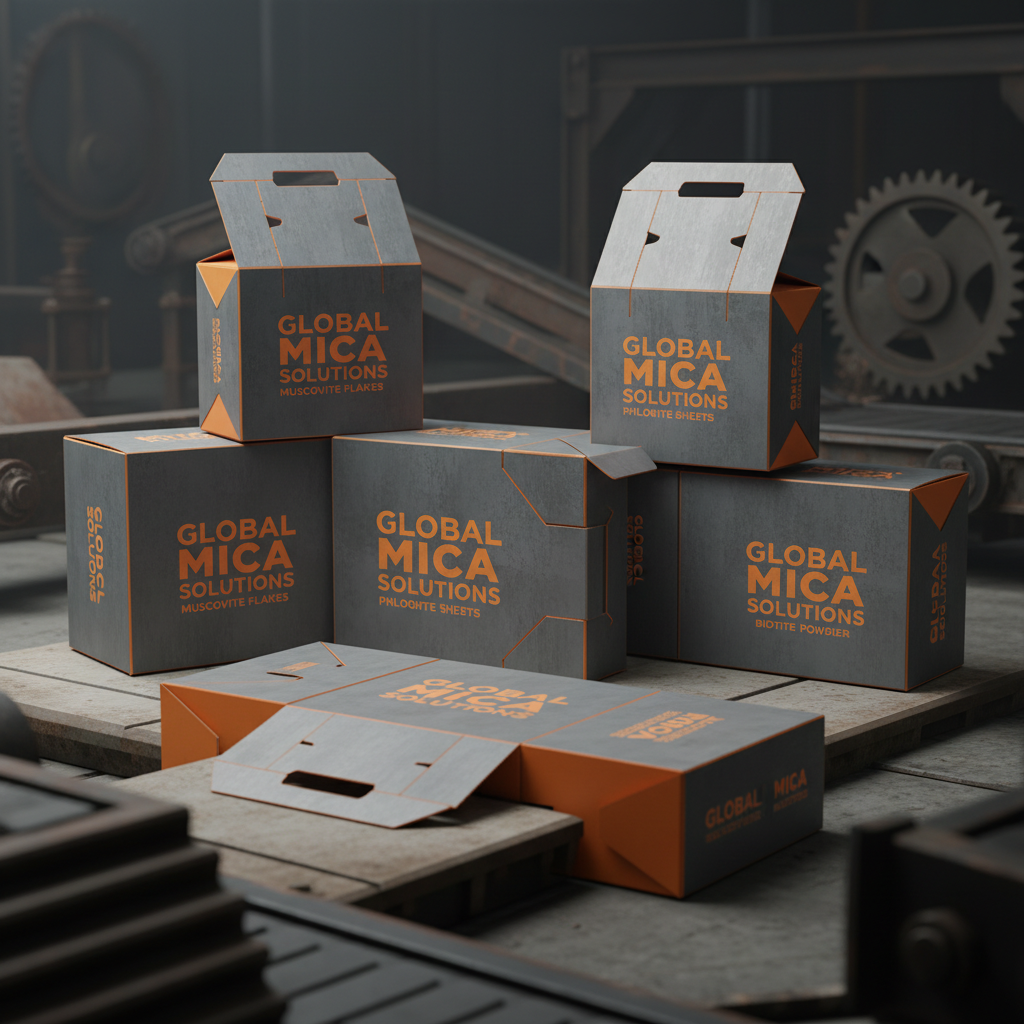
Muscovite is the most common variety, known for its clarity and insulating properties, making it ideal for electrical applications. Biotite, containing iron and magnesium, is typically darker in color and is used in paints and coatings. Phlogopite, often found in magnesium-rich igneous rocks, exhibits high thermal stability. Other less common varieties include lepidolite (lithium-rich) and vermiculite (hydrated magnesium aluminum iron silicate).

The classification of mica varieties impacts their selection for particular uses. For example, in the electronics industry, highly pure muscovite is preferred due to its superior dielectric strength and low impurity levels. Understanding these distinctions is fundamental to effective material selection and product design.

Core Properties of Mica Varieties

Several key properties distinguish mica varieties and contribute to their diverse applications. First, their exceptional insulating properties make them invaluable in electrical components, preventing short circuits and ensuring reliable performance. Second, their high thermal stability allows them to withstand extreme temperatures without degradation, crucial in industries like aerospace and metallurgy.

Third, the perfect basal cleavage of mica allows for the creation of thin, flexible sheets used in capacitors, gaskets, and other specialized applications. Fourth, the optical properties of certain mica varieties, such as their transparency and pearly luster, make them desirable in cosmetics and paints. Finally, mica’s chemical inertness means it won’t react with other substances, preserving product integrity.

These properties are not uniform across all mica varieties; the specific composition and structure of each type determine its unique characteristics. Selecting the appropriate mica variety for a given application requires a thorough understanding of these nuances.

Practical Applications Across Industries

The applications of mica varieties are remarkably diverse. In the electronics industry, muscovite is widely used in capacitors, insulating washers, and printed circuit boards. In the automotive sector, mica-based fillers enhance the strength and heat resistance of plastics used in dashboards and other components.

The cosmetics industry utilizes mica for its shimmering effect in eyeshadows, foundations, and lipsticks. In the construction industry, mica is used in joint compounds, plaster, and roofing materials. Furthermore, mica finds applications in paints, coatings, lubricants, and even as a drilling fluid in oil and gas exploration.

Performance Metrics of Different Mica Varieties


Global Distribution and Regional Impacts

Mica varieties are found in various geological formations worldwide, but certain regions are particularly prominent in their production. India is the world’s leading producer, accounting for a significant share of global supply. Other major producers include China, Russia, the United States, and Brazil.

The economic impact of mica mining is substantial in these regions, providing livelihoods for thousands of people. However, it also presents challenges related to labor conditions and environmental sustainability. The industry is increasingly focused on improving transparency and traceability to ensure responsible sourcing practices.

Long-Term Benefits and Value Proposition

The utilization of mica varieties offers several long-term benefits. Their inherent durability and resistance to degradation ensure longevity in applications, reducing the need for frequent replacements. The excellent insulating properties enhance safety and reliability in electrical systems, minimizing the risk of failures. mica varieties contribute to increased energy efficiency and reduced environmental impact.

Furthermore, the aesthetic qualities of mica add value to products in the cosmetics and decorative industries. The versatility of these minerals allows for continuous innovation, driving the development of new materials and applications.

Future Trends and Sustainability

The future of mica varieties is intertwined with advancements in materials science and a growing emphasis on sustainability. Research is focused on developing new techniques for extracting and processing mica with minimal environmental impact. The increasing demand for electric vehicles and renewable energy technologies is expected to drive further innovation in mica-based materials for energy storage and thermal management.

Moreover, advancements in nanotechnology are enabling the creation of mica-based nanocomposites with enhanced properties, opening up new possibilities for applications in aerospace, biomedical engineering, and other cutting-edge fields. The integration of circular economy principles, such as recycling and reuse, will be crucial for ensuring the long-term sustainability of the mica industry.

The exploration of novel mica-based materials and their integration into green technologies will define the future trajectory of this versatile mineral group.

Summary of Key Factors Influencing Mica Variety Selection

Application Area Critical Property Optimal Mica Variety Performance Rating (1-10)
Electrical Insulation Dielectric Strength Muscovite 9
High-Temperature Applications Thermal Stability Phlogopite 8
Cosmetics & Pigments Pearlescent Effect Muscovite/Synthetic Mica 7
Paint & Coatings UV Resistance Biotite 6
Lithium-Ion Batteries Ion Conductivity Lepidolite 5
Horticulture Water Retention Vermiculite 7

FAQS

What are the main differences between muscovite and biotite mica?

Muscovite mica is typically colorless or light-colored, and prized for its exceptional insulating properties and clarity. It’s predominantly used in electrical applications. Biotite, on the other hand, contains iron and magnesium, giving it a darker, often blackish, hue. Biotite is less transparent and has lower dielectric strength, making it more suitable for applications like paint and coatings where color and opacity are desirable. Their distinct chemical compositions dictate their differing physical and electrical characteristics.

How is mica mined and processed for industrial use?

Mica is typically mined from open-pit or underground mines, often found within granite or pegmatite formations. After extraction, the raw mica is crushed, ground, and then separated into different grades based on size and quality. This separation process often involves manual sorting or specialized machinery. Further processing may include washing, drying, and milling to achieve the desired particle size and purity for specific applications. Sustainable mining practices are increasingly being adopted to minimize environmental impact.

What are the environmental concerns related to mica mining?

Traditional mica mining can lead to deforestation, soil erosion, and water contamination. Concerns have also been raised regarding the ethical sourcing of mica, particularly relating to child labor practices in some regions. Efforts are underway to promote responsible mining practices, including environmental rehabilitation, fair labor standards, and traceability systems to ensure sustainable and ethical mica production. Certifications and audits are becoming more prevalent.

Are there synthetic alternatives to natural mica?

Yes, synthetic mica, also known as fluorphlogopite, is produced as an alternative to natural mica. Synthetic mica offers advantages such as higher purity and consistent quality, making it ideal for demanding applications like high-performance cosmetics and advanced electronics. However, it’s typically more expensive to produce than natural mica. The choice between natural and synthetic mica depends on the specific application requirements and cost considerations.

How is mica used in the electronics industry?

Mica's exceptional dielectric strength and insulating properties make it crucial in electronics. It’s utilized in capacitors to store electrical energy, as insulating washers in high-voltage equipment, and in printed circuit boards to prevent short circuits. Muscovite, in particular, is favored for its purity and ability to withstand high temperatures. Its role is vital in ensuring the reliability and performance of electronic devices.

What is the future outlook for the mica market?

The mica market is expected to continue growing, driven by demand from industries like automotive, aerospace, and electronics, particularly with the rise of electric vehicles and renewable energy technologies. Increased focus on sustainability and ethical sourcing will shape future trends, with greater emphasis on traceability, responsible mining practices, and the development of synthetic alternatives. Innovation in mica-based materials and applications will also play a significant role.

Conclusion

Mica varieties represent a remarkable class of minerals with a diverse range of applications impacting numerous industries. From their critical role in electrical insulation and heat resistance to their aesthetic contributions to cosmetics, these materials offer a unique combination of properties that are essential for modern technology and everyday life. Understanding the specific characteristics of each mica variety—muscovite, biotite, phlogopite, and others—is fundamental to optimizing their use and unlocking new innovations.

Looking ahead, sustainable sourcing, responsible mining practices, and the development of advanced mica-based materials will be crucial for ensuring the long-term viability of this valuable resource. Continued research and development, coupled with a commitment to environmental and social responsibility, will pave the way for a future where mica varieties continue to play a vital role in shaping a more sustainable and technologically advanced world. For further information and to explore our diverse range of mica products, visit our website: mica varieties.

William Thompson

William Thompson

William Thompson is a Senior Production Manager at Huajing, overseeing the entire mica processing line, from the soaking pool and baking sheet stages to coarse grinding and final packaging. He has been with Huajing for 8 years, and his expertise lies in optimizing production efficiency while maintaining the highest quality
Previous Exploring the Diverse Applications and Significance of Varieties of Mica
Next Exploring Mica Powder For Sale Applications Trends and Ethical Sourcing