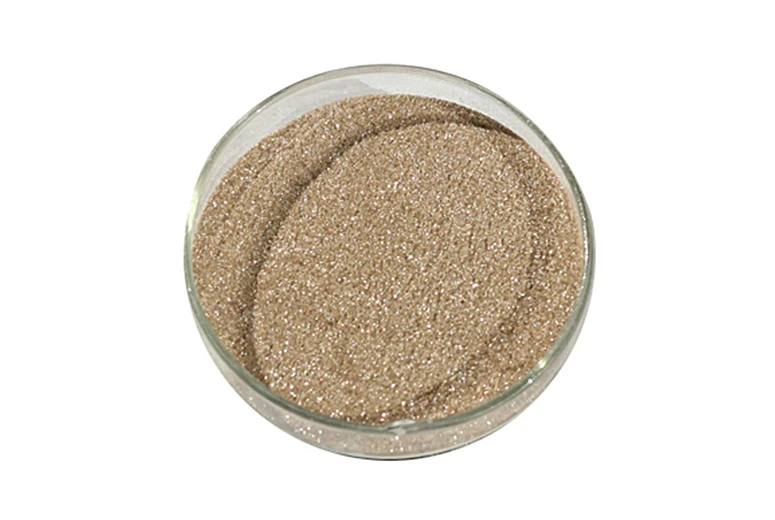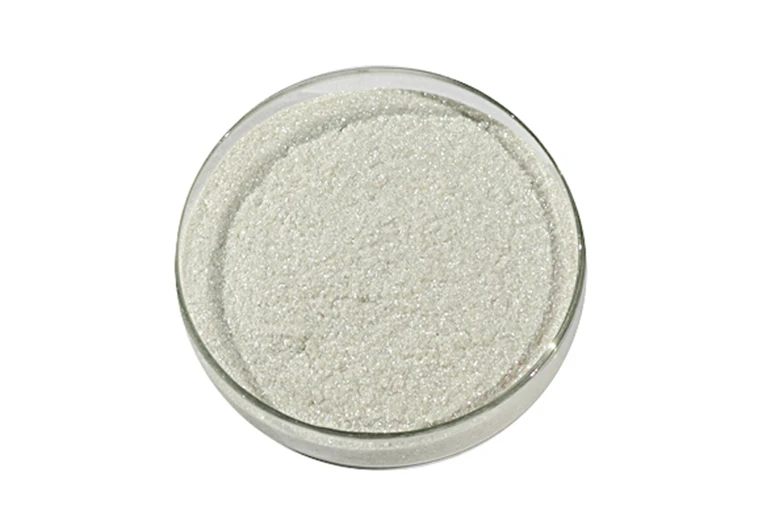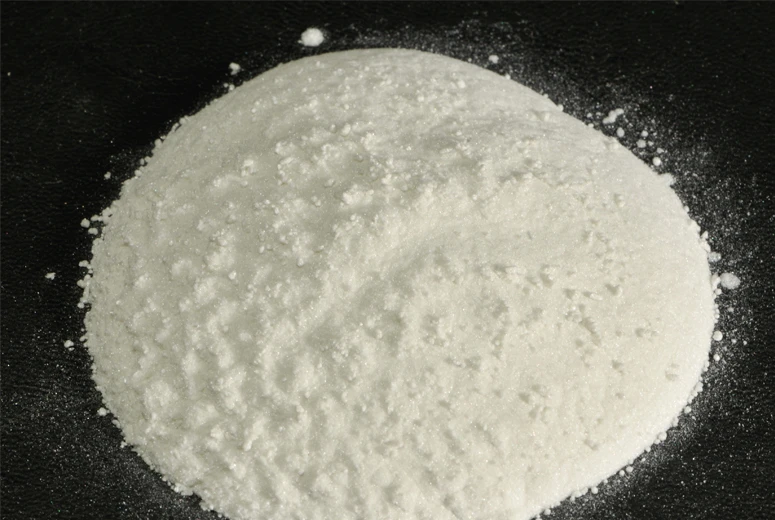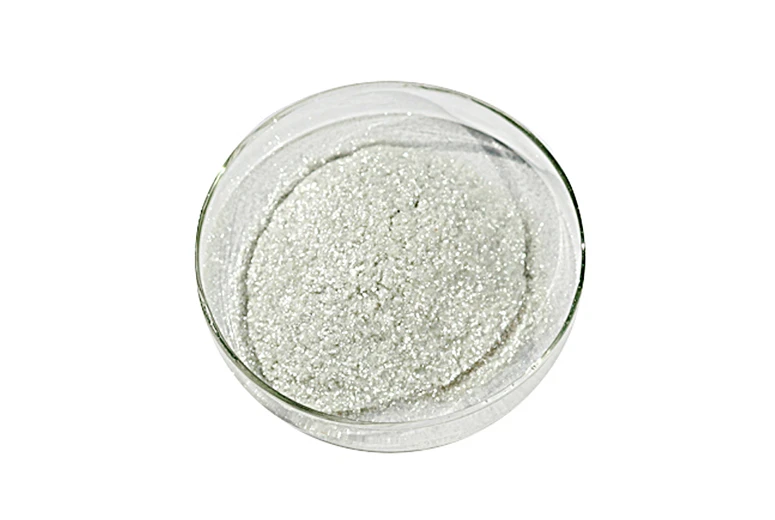

Non Toxic Pigment Powder: Safe & Vibrant Industrial Colors
Non Toxic Pigment Powder: A Practical Guide from the Industrial Trenches
Having spent over a decade in the industrial equipment and materials sector, I’ve seen my fair share of pigments come and go. But the rise of non toxic pigment powder feels like one of those subtle yet game-changing shifts.
Oddly enough, it’s not just about going “green” for the sake of marketing these days. The demand for safer, cleaner, and environmentally responsible components is real—and frankly, unavoidable. Many factories I’ve worked with are pushing harder to reduce hazardous substances in their products because the regulatory landscape is tighter, and customers simply expect it.
So what makes a pigment powder “non toxic” in industrial terms? It’s about composition—avoiding heavy metals like lead, cadmium, and chromium that traditionally gave brilliant colors but posed health risks. Instead, these newer powders rely on mineral and organic compounds tested extensively for safety and stability.
Let me share some insights from hands-on experience and industry chatter:
- Material Choices: Titanium dioxide, iron oxides, and organic azo pigments often form the base. They tend to be inert and harmless under usual handling.
- Testing: Good suppliers perform rigorous tests—like heavy metal leaching, particle size analysis, and even photostability checks.
- Performance: Non toxic pigment powders surprisingly don’t compromise much on vibrancy or durability, which many engineers appreciate.
One thing I noticed at a recent factory visit was how staff aren't just safer but also more confident working with these powders—no more worrying about inhalation hazards or contact dermatitis.
| Parameter | Value Range | Note |
|---|---|---|
| Particle Size (D50) | 0.2 - 5 µm | Controls dispersion quality |
| Heavy Metal Content | Meets international safety norms | |
| Oil Absorption | 15 - 25 g/100g | Affects paint and coating formulations |
| Color Range | Broad (reds, yellows, blues, greens) | Versatile across industries |
| Moisture Content | Prevents clumping and ensures flowability |
Now, speaking of suppliers, the market is a bit of a mixed bag. Some vendors are very transparent with their testing certificates and process information, while others stay murky, which frankly makes it tough for engineers like me to recommend them confidently.
| Feature | Vendor A | Vendor B | Vendor C |
|---|---|---|---|
| Certificate of Analysis (CoA) | Always provided | On request | Rarely |
| Custom Color Matching | Yes | Limited | No |
| Turnaround Time | 1-2 weeks | 3-4 weeks | Variable |
| Bulk Order Discounts | Available | Limited | None |
| Sustainability Practices | Certified green factory | Partial commitment | Not disclosed |
One anecdote that sticks with me was working with a small decorative concrete manufacturer who switched to a non toxic pigment powder after worrying about their staff’s skin irritation issues. Initially skeptical about pricing, they found the switch also reduced their waste and rework significantly. Funny how an investment in safety can pay off in unexpected operational ways.
In real terms, these powders shine (literally) when integrated into coatings, plastics, inks, and construction materials. Their stability under UV exposure means fewer color shifts over time, which is a relief for many clients I've consulted.
And if you’re wondering about customization, many suppliers now offer tailor-made blends for specific applications, which I suppose is a sign of the market maturing—that level of flexibility can save time and headaches down the line.
All that said, sourcing the right pigment powder takes some homework. Ask for test data, seek references, and understand your own process needs before choosing a supplier. It’s kind of like investing in trust, and in this field, that matters a lot.
So if you’re in the business of materials or manufacturing, exploring non toxic pigment powder is not just a trend—it's becoming an industry standard. The benefits to worker safety, regulatory compliance, and product quality make it a smart move.
There’s more to uncover, but I’ll pause here for now. If curiosity is piqued, dig in, test samples, and perhaps you’ll discover it all feels a bit less risky—and a bit more right.
Happy coloring!
References:
- International Agency for Research on Cancer (IARC) publications on pigment safety.
- Material Safety Data Sheets from leading pigment powder manufacturers.
- Recent industry case studies on non toxic pigments in decorative concrete.
-
Ultimate Guide to Using High Quality Pearl Paint Pigment for LusterNewsApr.16,2026
-
Elevating Automotive Aesthetics with Mica Powder Car PaintNewsApr.09,2026
-
Unlock Stunning Effects with Mica Powder for Paint ApplicationsNewsApr.07,2026
-
Comprehensive Guide to Mica Dye Powder Applications and BenefitsNewsApr.04,2026
-
Unlocking the Brilliance of Mica Pigment Paint for Diverse ApplicationsNewsMar.31,2026
-
Enhancing Concrete Performance with Durable Mica Chips for Concrete ApplicationsNewsMar.28,2026