
Discover Colour Shift Pigment Powder for Industrial Uses – Durable & Customizable
Understanding colour shift pigment powder in Industrial Applications
Having spent quite a few years in the industrial equipment sector, I can tell you one thing: materials matter—not just what they're made of, but how they look and respond to their environment. Colour shift pigment powder, in particular, has fascinated me for a long time. This is the kind of specialty pigment that practically springs to life when viewed from different angles or under changing light conditions. It’s like the materials have a personality.
Frankly, in real terms, these pigments add a striking visual dynamic to industrial coatings, plastics, and even automotive parts. More than just an aesthetic twist, they can even help with product tracking or anti-counterfeiting measures. Many engineers I've spoken with say it’s a subtle but powerful way to differentiate products—something that, oddly enough, customers do notice even if they can’t pinpoint why exactly.
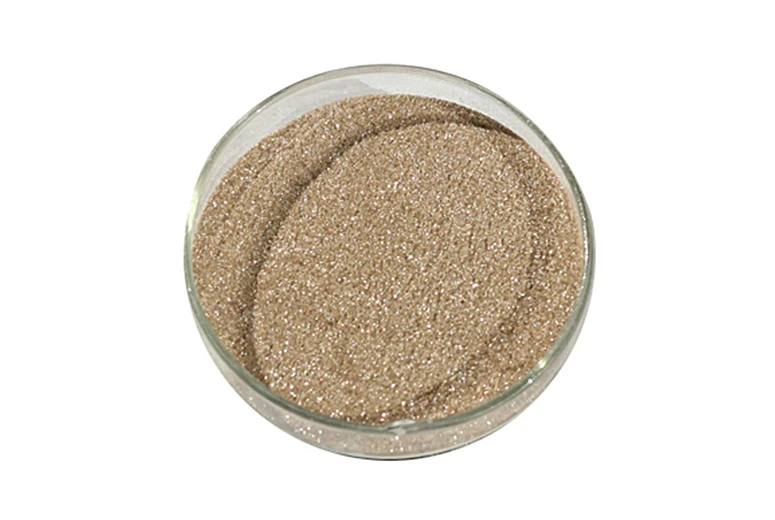
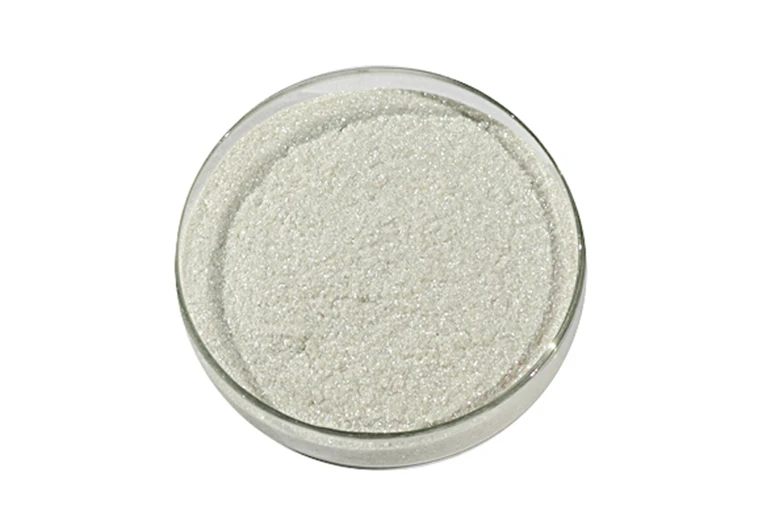
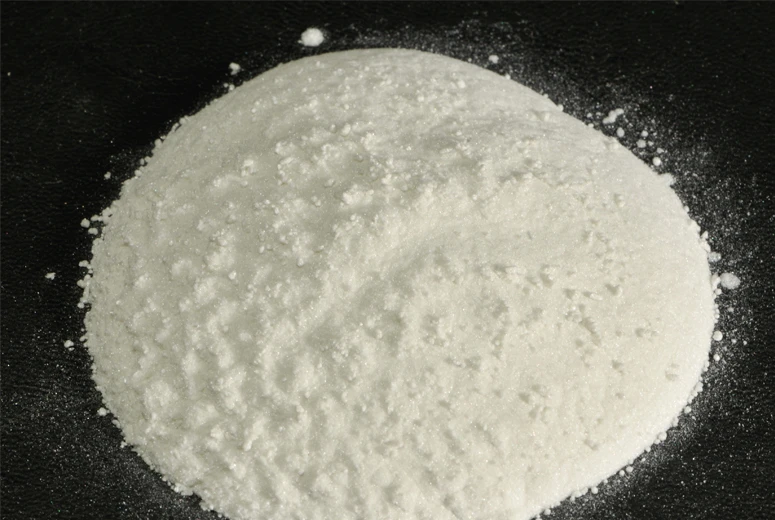
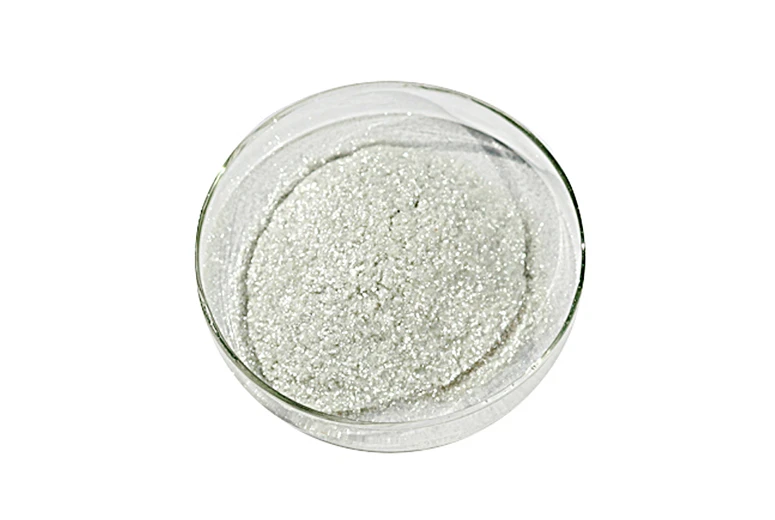
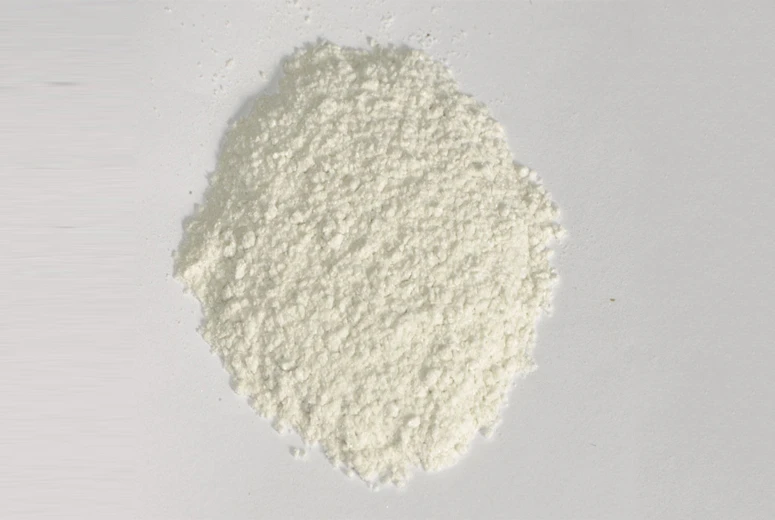
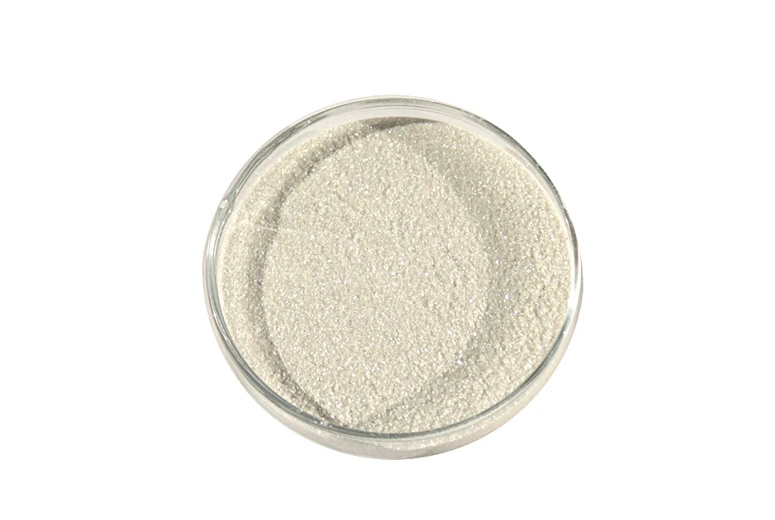
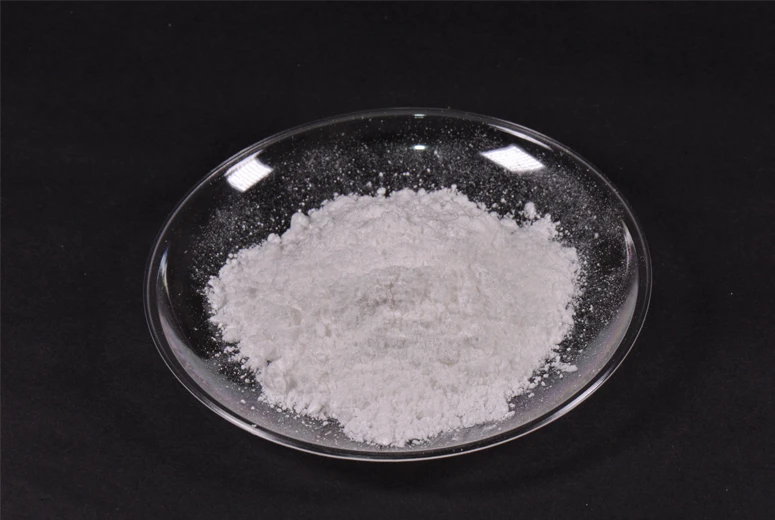
The technology behind colour shift pigment powder involves microscopic platelets—often mica coated with metal oxides such as titanium dioxide or iron oxide—that reflect light in variable wavelengths. Depending on how you tilt the surface, the colour transitions smoothly from greens to purples, blues to reds, or even golds and coppers. It’s this effect that makes it so popular across industries. You’ll find it in industrial paints, plastics, and inks, as well as in security printing.
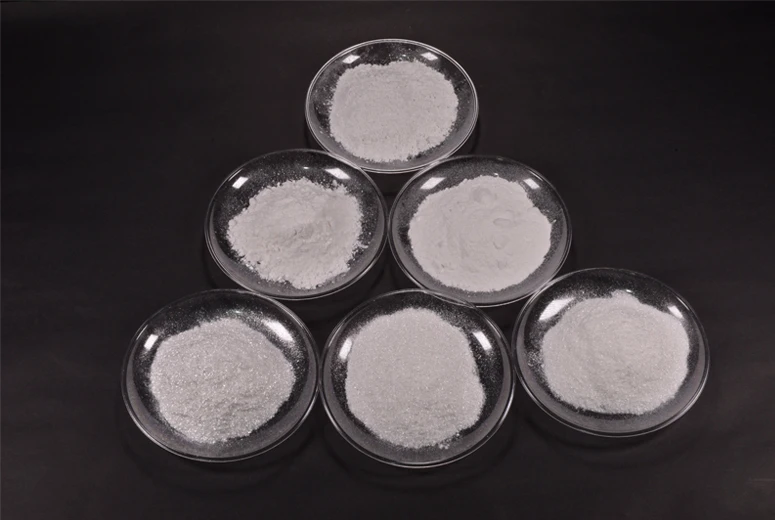
One or two of our factory clients fought hard to find just the right pigment grade that could withstand harsh UV exposure and chemical contact. Standard dyes fade or dull quickly, but quality colour shift pigments retain vibrancy much longer. It’s always a bit of a balancing act between pigment particle size, concentration, and binding media. The good news? Suppliers like HJMica provide custom formulations that are tailored to end-use requirements, enhancing durability or visual impact depending on your need.
| Property | Value / Range |
|---|---|
| Base Pigment | Mica Platelets Coated with Titanium Dioxide |
| Particle Size | 5 – 25 microns (customizable) |
| Colour Shift Range | Green to Purple / Blue to Red |
| Heat Stability | Up to 350°C |
| Chemical Resistance | Excellent in solvents and mild acids |
| Recommended Applications | Coatings, Plastics, Automotive Parts, Security Printing |
Choosing the right supplier can be tricky. It’s not just about pigment quality but also about communication, customization, and reliability. I remember a project where turnaround time was critical, and some vendors couldn’t meet the delivery schedules or provide sample batches for testing. In contrast, HJMica came through with detailed tech specs and custom pigment blends that fit the bill.
| Criteria | HJMica | Competitor A | Competitor B |
|---|---|---|---|
| Customization Options | Wide range with custom blends | Limited to standard colors | Moderate customization |
| Technical Support | Dedicated engineers and sample testing | Basic email support | Consultation upon request |
| Lead Times | 2–3 weeks with fast-track options | 4–6 weeks | 3–5 weeks |
| Durability | High UV/chemical resistance | Moderate fade resistance | Good |
Oddly enough, it often comes down to the people behind the pigments. You know, those little decisions about packaging, documentation, and sample availability that can save hours in testing or prevent production delays. It’s worth checking if your vendor offers technical datasheets and batch consistency reports—small things that indicate real professionalism.
In the end, colour shift pigment powder isn’t just a flashy add-on. It’s a specialized industrial material that requires expertise to source and apply effectively. If you’re considering it for your next project, I’d suggest starting early with samples and tests. And if you want a good starting point, HJMica has a solid reputation that I’d trust based on what I’ve seen over the years.
It feels like these pigments add a little magic to industrial materials, making them stand out without being garish. And frankly, in a crowd of ordinary powders, that kind of edge counts.
References:
- “Mica-Based Pigments for Industrial Coatings,” Journal of Industrial Materials, 2023.
- HJMica technical product literature and case studies, 2024.
- Industry discussions and field reports from coating engineers, 2021–2023.
-
Ultimate Guide to Using High Quality Pearl Paint Pigment for LusterNewsApr.16,2026
-
Elevating Automotive Aesthetics with Mica Powder Car PaintNewsApr.09,2026
-
Unlock Stunning Effects with Mica Powder for Paint ApplicationsNewsApr.07,2026
-
Comprehensive Guide to Mica Dye Powder Applications and BenefitsNewsApr.04,2026
-
Unlocking the Brilliance of Mica Pigment Paint for Diverse ApplicationsNewsMar.31,2026
-
Enhancing Concrete Performance with Durable Mica Chips for Concrete ApplicationsNewsMar.28,2026