
Mica Powder Safe for Skin | Purity, Specs & Trusted Suppliers
Mica Powder Safe for Skin: What Every Industrial Pro Should Know
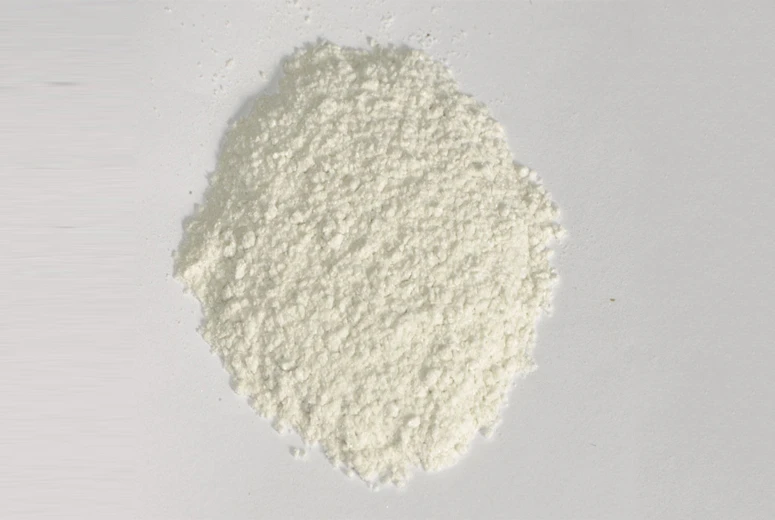
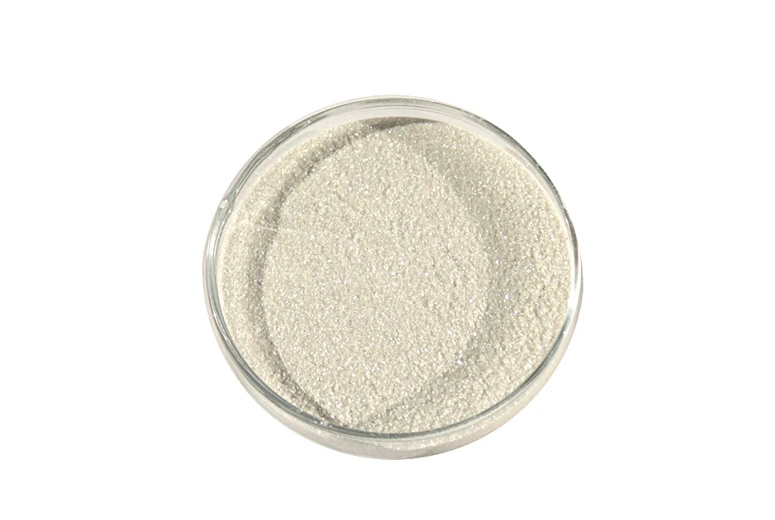
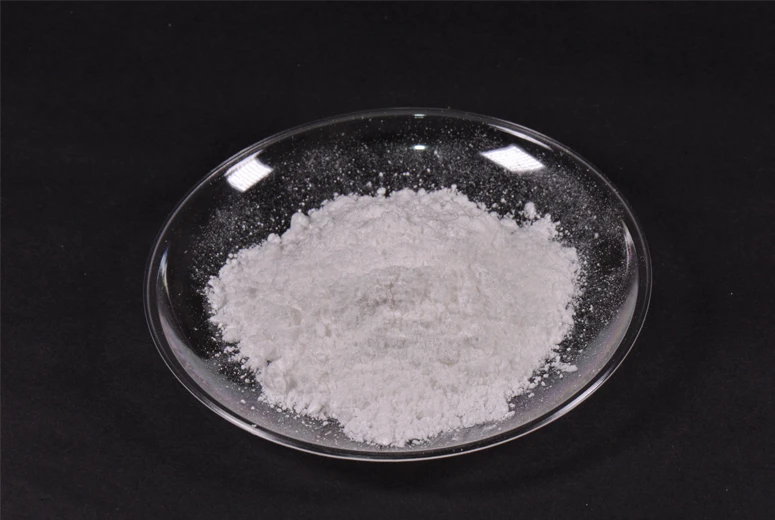
Having spent well over a decade in the industrial equipment and materials sectors, I’ve handled my fair share of minerals and powders. Among them, mica powder safe for skin is one category that strikes a curious balance between industrial robustness and cosmetic finesse. Oddly enough, it's not just about shiny finishes or mechanical qualities anymore — it’s also about safety, purity, and user confidence.
When you hear "mica," you probably think of sparkle and shimmer — and rightfully so. Mica’s unique layer-structured silicate crystals add that eye-catching glint in everything from paint to electronics. But the product that’s certified safe for skin? That takes more than just mining skill; it demands careful processing and meticulous quality assurance.
Why the concern about skin safety? Well, in industrial coatings or insulation, particle size or chemical purity might be less critical for human contact. With mica powder that ends up in cosmetics, personal care, or even artistic body paints, you want to ensure it won’t irritate, clog pores, or worse.
Frankly, I've seen too many suppliers treating mica purely as a commodity — less emphasis on purity grades or heavy metal testing. From what I've learned, the safest-to-use mica powders go through rigorous refinement and testing processes, removing impurities like iron oxide or quartz dust that can cause irritation or allergic reactions.
Industrial to Cosmetic Grade: Understanding Mica Powder Specifications
In real terms, the specifications below outline what a typical skin-safe mica powder might look like:
| Specification | Typical Values |
|---|---|
| Particle Size (µm) | 5 - 30 (fine micronized) |
| Purity (%) | ≥ 99% |
| Heavy Metals (Pb, As, Cd) | Below cosmetic regulatory limits |
| Chemical Composition | Muscovite (Potassium Aluminum Silicate) |
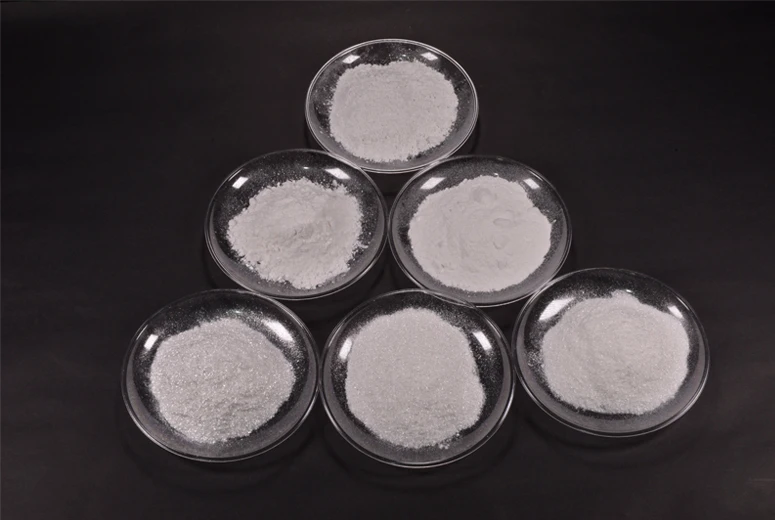
| Color | White, Pearly, or Custom Pigmented |
From a sourcing perspective, you want mica that clearly states “cosmetic grade” or “skin safe.” Suppliers like HJMica invest in these certifications because the market demands it—so do end users who’ll apply it to their skin. Funny thing, many engineers I’ve chatted with initially underestimate how finicky cosmetic standards can be compared to industrial benchmarks.
Mica Vendors: What to Watch For
If you’re jumping into ordering or recommending mica powder safe for skin, it’s worth comparing a few vendors side-by-side — because the differences really do matter. Here’s a quick breakdown of typical offerings:
| Vendor | Purity & Testing | Particle Size Range (µm) | Skin Safety Certification | Typical Use Cases |
|---|---|---|---|---|
| HJMica | High purity, ISO & FDA tested | 5 – 30 | CE, USP Verified | Cosmetics, skincare, body paint |
| Industrial Minerals Co. | Medium purity; limited testing | 10 – 50 | None | Paints, plastics |
| CosmoMica Ltd. | High purity; cosmetic grade | 3 – 25 | ISO, ECOCERT | Luxury cosmetics, personal care |
From my experience, the proof of a vendor’s commitment to skin-safe mica lies not just in lab certificates but in their flexibility—like whether they can meet custom particle sizing or pigment blending requests. Once, I worked with a cosmetics startup that struggled for months to find a mica source that didn’t cause mild redness in some sensitive test subjects. After switching to a reputed vendor with full testing documentation and smaller particle sizes, their product line finally passed all dermatological tests. That kind of due diligence pays off!
Final Thoughts on Mica Powder Safe for Skin
If you’re in the market for mica powder that will touch human skin, it’s essential to treat it with respect — and expect the same from your suppliers. Industrial or decorative mica might look similar, but the safety tests, purity levels, and particle control are what set skin-safe mica apart. It’s not just a pretty shimmer; it’s a material engineered for trust. I suppose, after years navigating various customer demands and regulatory hoops, that’s what makes the difference between a product that dazzles and one that disappoints.
Oh, and just one last thing — the next time you’re choosing mica powder, I encourage you to look beyond just price and sparkle. Factor in testing, certifications, and skin compatibility. It’ll save you headaches down the road, I promise.
And if you want to explore trusted suppliers, HJMica is a solid place to start.
References:
1. Cosmetic Ingredient Review Database – Mica Safety Reports
2. International Journal of Cosmetic Science, 2020, Mica Powder Purity Analysis
3. Personal industry experience and client case studies, 2010–2023
-
Ultimate Guide to Using High Quality Pearl Paint Pigment for LusterNewsApr.16,2026
-
Elevating Automotive Aesthetics with Mica Powder Car PaintNewsApr.09,2026
-
Unlock Stunning Effects with Mica Powder for Paint ApplicationsNewsApr.07,2026
-
Comprehensive Guide to Mica Dye Powder Applications and BenefitsNewsApr.04,2026
-
Unlocking the Brilliance of Mica Pigment Paint for Diverse ApplicationsNewsMar.31,2026
-
Enhancing Concrete Performance with Durable Mica Chips for Concrete ApplicationsNewsMar.28,2026