
Is Mica Safe for Lips? Expert Insights on Cosmetic-Grade Mica
Is Mica Safe for Lips? A Closer Look with Industry Insight
I’ve spent most of my career working closely with industrial raw materials — including the versatile mineral mica. It pops up everywhere, from electronics to cosmetics, but one question I keep hearing from folks outside the factory floor is pretty straightforward: “Is mica safe for lips?” Let me share what I know from experience and a few thoughtful observations.
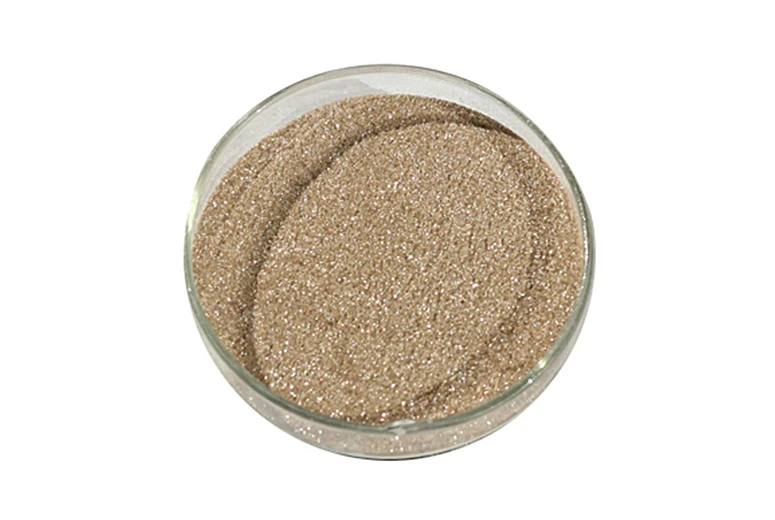
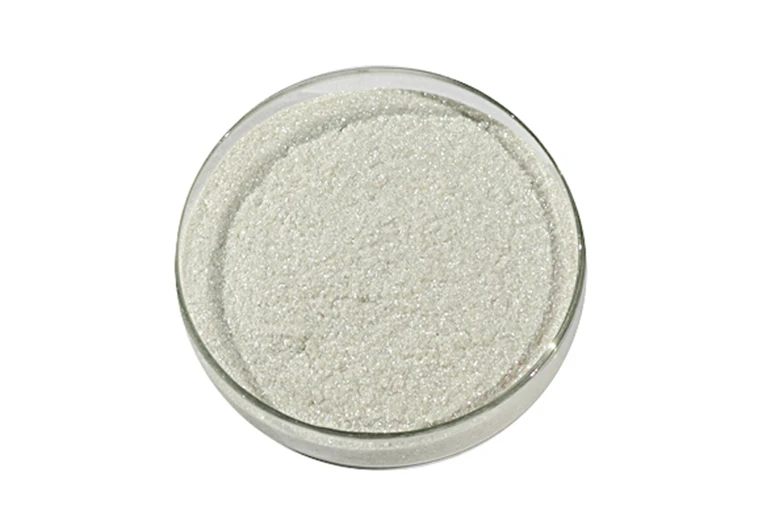
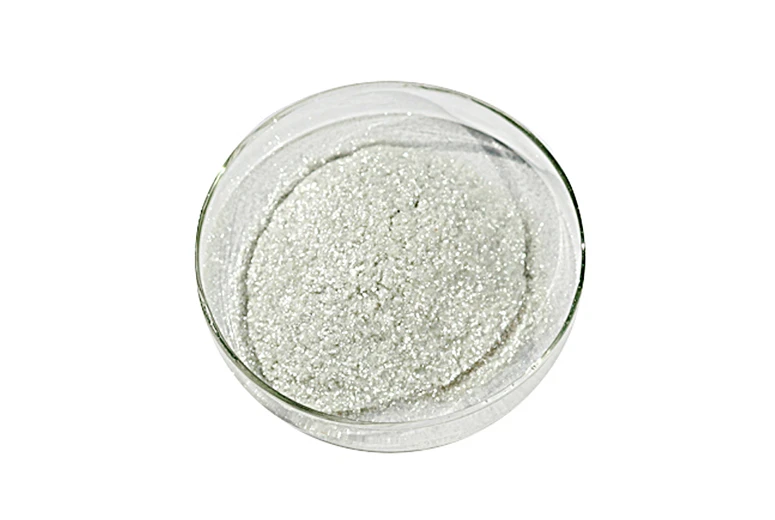
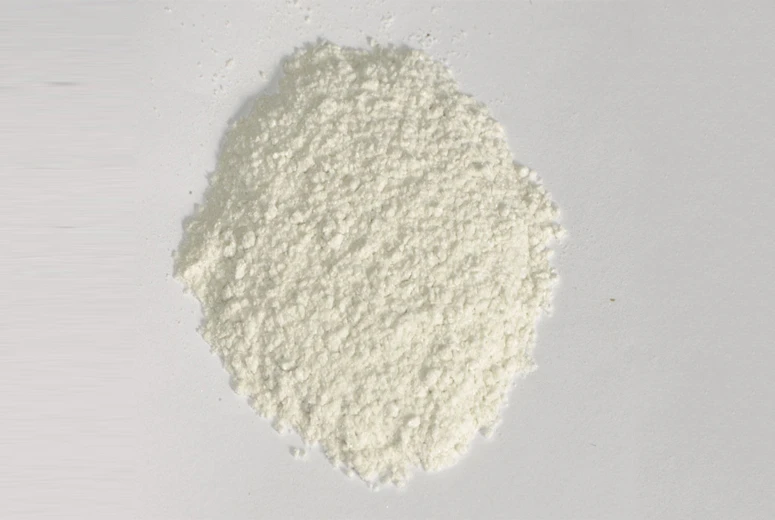
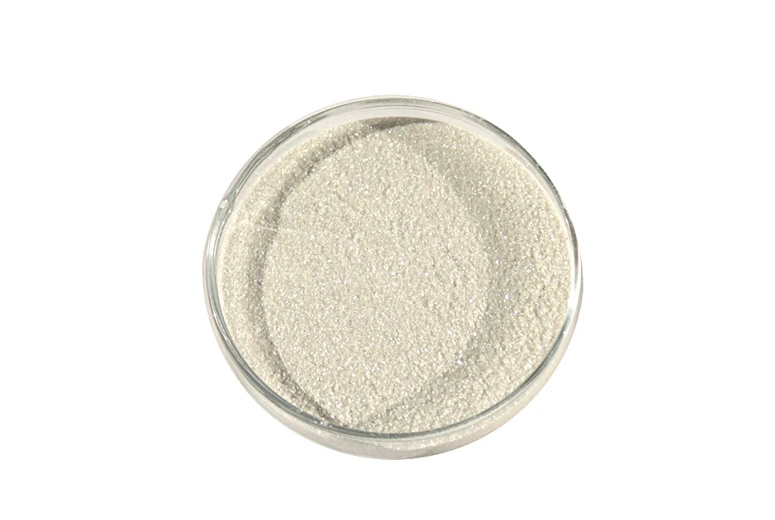
Now, mica in its pure mineral form is a naturally occurring silicate, renowned for its shimmering flakes. Frankly, it's a fascinating material because of its stability and resistance to heat, which is why it’s so useful industrially. Manufacturers specially refine and grind it finely to make it safe for cosmetic applications, including lip products. The tricky part—one that I suppose not everyone realizes—is ensuring the mica is sourced and processed correctly.
Picking the right mica for lip balms, lipsticks, or gloss means it must pass rigorous purity and safety standards. Oddly enough, the mica mined for industrial use (like electrical insulators) isn’t always suitable for cosmetics. Cosmetic-grade mica goes through extra screening to remove heavy metals, contaminants, and ensure a fine particle size to avoid skin irritation or ingestion issues. This is where trusted suppliers come into play.
Speaking of suppliers, I’ve seen some variance in the market. The quality and safety certifications can differ quite a bit, so it’s worth digging into the specs before approving a source. It’s not just about the appearance; the safety data sheet and certification compliance to cosmetic regulations are just as important.
| Product Specification | Details |
|---|---|
| Mineral Type | Muscovite Mica |
| Particle Size | 5–20 microns (cosmetic grade) |
| Purity | >99.5%, heavy metals below detection limits |
| Certifications | ISO 9001, GMP, FDA-approved cosmetic ingredient |
| Source | Ethically mined from controlled quarries |
I remember a chat with a cosmetic chemist a few years back. She told me how even tiny shifts in mica's particle size affected the lip product’s feel and safety profile. Larger particles could be gritty, obviously uncomfortable, and potentially abrasive. Whereas—well-processed cosmetic mica feels almost silky on the lips. That tactile feedback is vital since users can sense even the smallest irritation. Most of the companies I've worked with are careful to maintain those exacting standards.
Here’s something else you might not consider at first glance: the regulatory landscape. In many countries, mica is approved as a safe ingredient for lip products by authorities such as the FDA in the U.S. or the European Commission—with specific purity and usage limits. This means if you pick a certified, quality supplier and follow formulation guidelines, mica is indeed safe for lips. Yet, it’s always good to review the latest safety reports and customer feedback—things can evolve.
In real terms, the benefits are clear. Mica adds shimmer and opacity without synthetic glitters, which can be harsh or cause micro-tears—something I know many engineers and formulators appreciate. It’s inert, stable, and non-reactive, making it a go-to for natural and “clean” beauty trends.
How do vendors compare? Here’s a quick glance at three well-regarded mica suppliers from my industrial contacts:
| Vendor | Certifications | Particle Size Range (microns) | Price (per kg) | Cosmetic Grade Approval |
|---|---|---|---|---|
| H&J Mica | ISO 9001, GMP, FDA | 5–20 | $75 | Yes |
| MineralGlow Ltd. | ISO 14001 | 10–40 | $68 | Limited |
| PureSpark Minerals | GMP, ISO 9001 | 3–15 | $82 | Yes |
So yeah, if you’re formulating or even just curious, mica can be safe for lips when sourced properly. It’s been a steady part of the industry’s toolkit for a long time, balancing performance and safety neatly—provided due diligence is done. A little story: a small natural cosmetic brand I know shifted to premium cosmetic mica sources recently after a batch of lip balm caused mild irritation—turns out it was due to non-cosmetic grade flakes sneaking in during a supply chain glitch. A simple switch and some testing later, their products went back to shining safely. Reminds you why vetting suppliers counts.
All in all, you can trust mica to deliver beautiful shimmer and safety in lip products—just make sure your supplier ticks the right boxes. That’s the takeaway I’ve learned after many years of handling this complex mineral in various industrial forms.
Stay curious and always check your source, because, oddly enough, the little things like mica particle size and purity can make all the difference between a great product and a dud.
References:
1. FDA Cosmetics Regulations – Mica Safety Data
2. Cosmetic Ingredient Review (CIR) Expert Panel Reports
3. Industry Insights: Conversations with Cosmetic Chemists & Mineral Suppliers
-
Ultimate Guide to Using High Quality Pearl Paint Pigment for LusterNewsApr.16,2026
-
Elevating Automotive Aesthetics with Mica Powder Car PaintNewsApr.09,2026
-
Unlock Stunning Effects with Mica Powder for Paint ApplicationsNewsApr.07,2026
-
Comprehensive Guide to Mica Dye Powder Applications and BenefitsNewsApr.04,2026
-
Unlocking the Brilliance of Mica Pigment Paint for Diverse ApplicationsNewsMar.31,2026
-
Enhancing Concrete Performance with Durable Mica Chips for Concrete ApplicationsNewsMar.28,2026