
Mica Powder for Soft Plastics - A Comprehensive Guide
Jan . 26, 2026 10:41
Back to list
Mica Powder for Soft Plastics - A Comprehensive Guide
Mica Powder for Soft Plastics: A Deep Dive
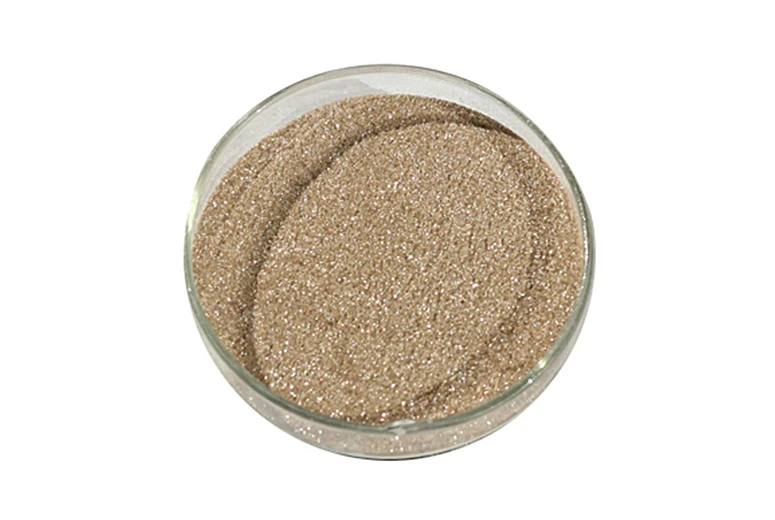
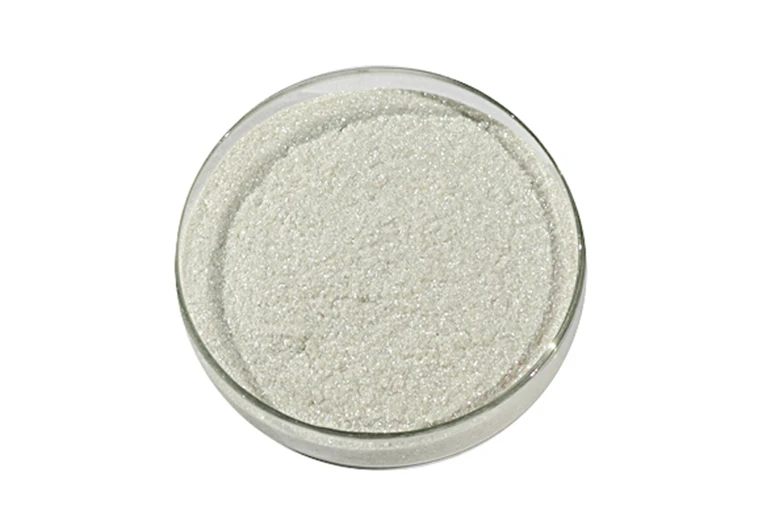
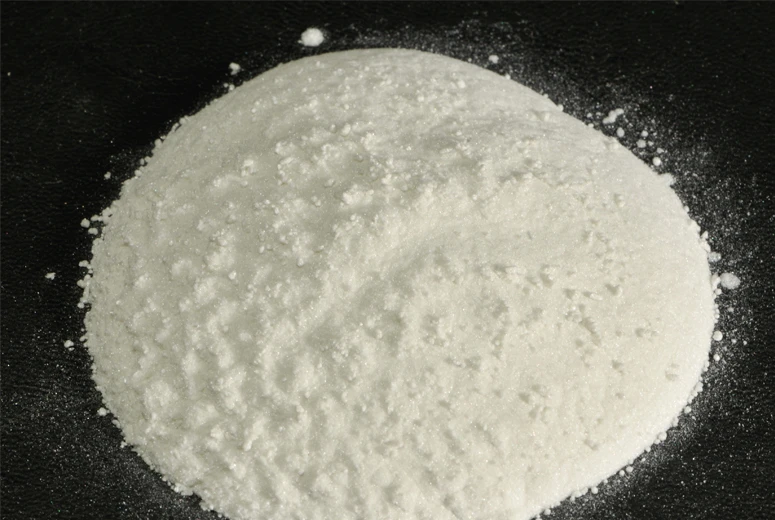
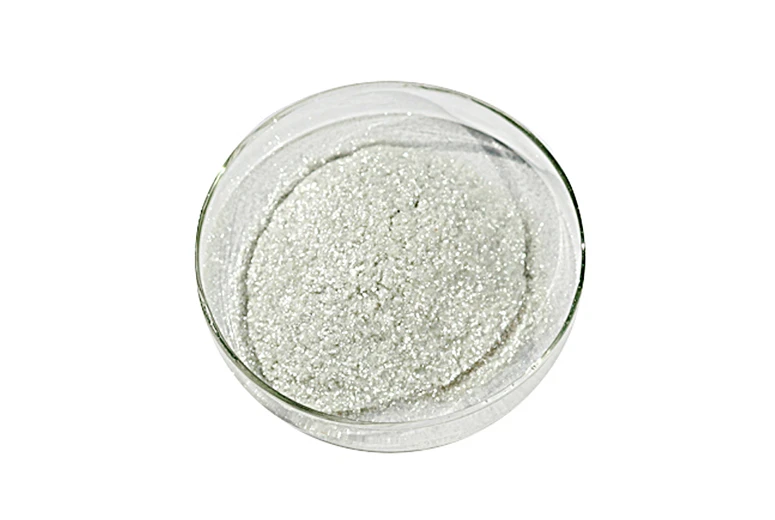
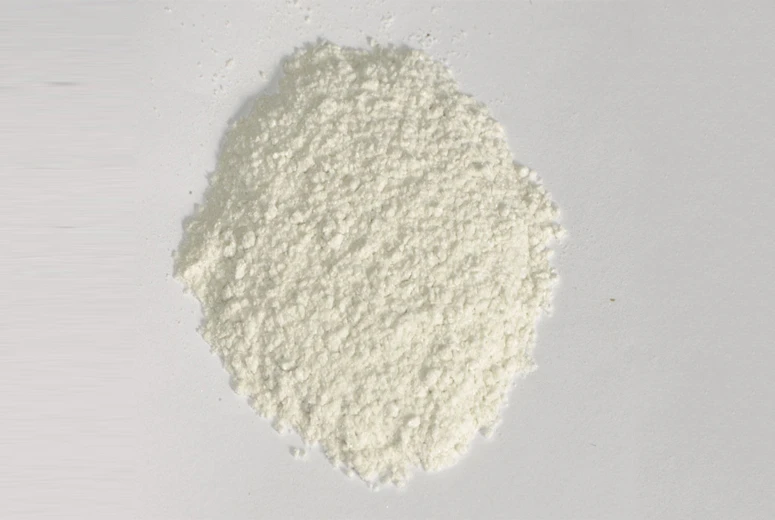
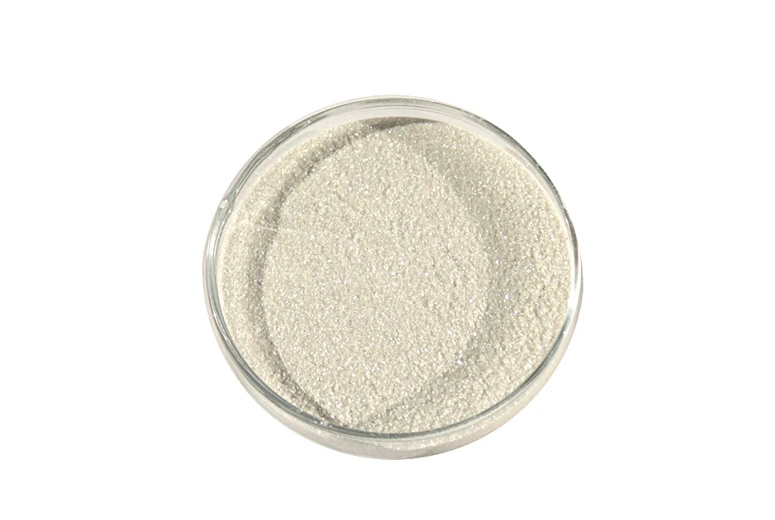
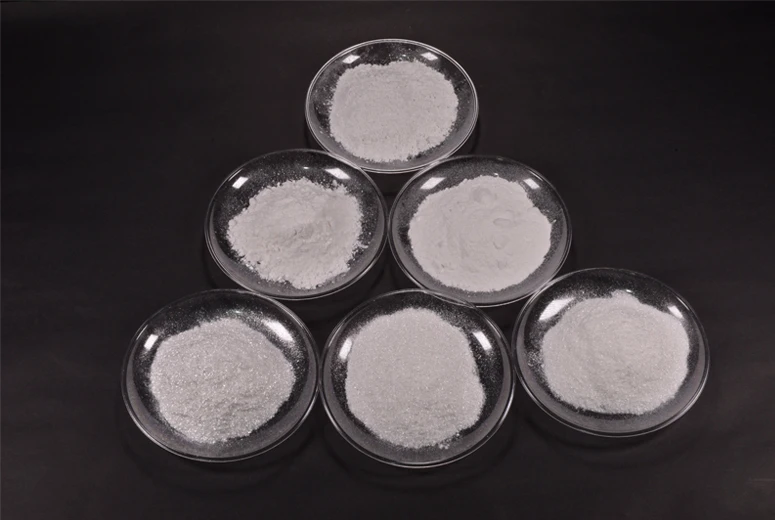
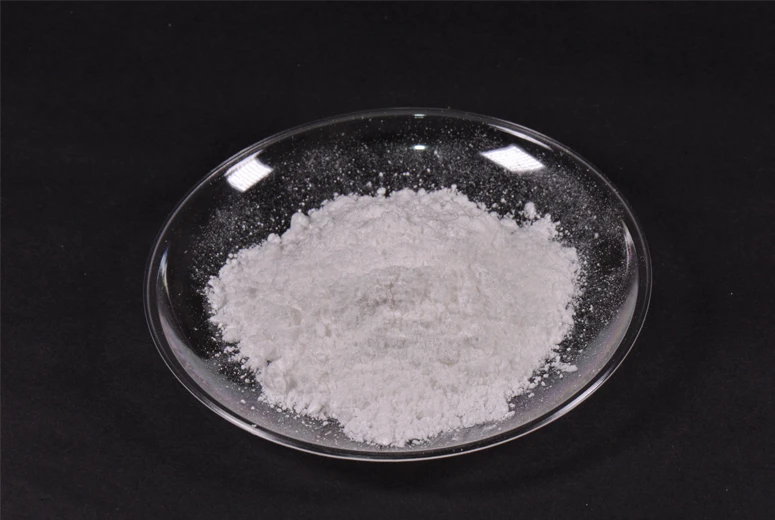
You know, I’ve spent a good chunk of my career wrestling with plastics – not in a design sense, necessarily, but in getting them to do things. Specifically, making them tougher, more dimensionally stable, and, frankly, just more reliable in industrial applications. And a lot of that boils down to fillers. We used to rely heavily on talc, but increasingly, mica is proving to be the better choice, particularly when we’re talking about softer, more flexible materials like TPEs and vinyls. There's been a real shift, and it’s not just hype. It’s about performance and, increasingly, sustainability, and you can learn more about the variety of mica available at HJ Mica.Understanding the Benefits – It’s More Than Just Strength
So, what makes mica different? Well, it’s a sheet silicate mineral. That’s a mouthful, I know. But essentially, it’s structured in layers, which gives it a unique set of properties. When you incorporate it into a plastic, those layers help to reinforce the material, improving its tensile strength and impact resistance. But it’s not just about brute force. Mica drastically improves dimensional stability, reducing warping and shrinkage – a huge deal in precision molding. I noticed early on, back in a project involving conveyor belt components, that parts filled with mica held their shape so much better over time and temperature fluctuations. We were constantly battling issues with talc-filled parts expanding and contracting, and it caused a cascade of problems further down the line. Here’s a quick breakdown of typical specs we’re looking at:| Property | Typical Value | Units |
|---|---|---|
| Particle Size | 5 - 20 | µm |
| Aspect Ratio | 20 - 50 | - |
| Brightness | 88 - 92 | % |
| Oil Absorption | 6 - 8 | g/100g |
Vendor Landscape: Who’s Doing It Right?
Choosing a supplier isn't just about price, though that’s always a factor, of course. It's about consistency, particle size distribution, and frankly, their willingness to work with you on custom blends. Many engineers say that getting the right mica is crucial. Here’s a quick, and admittedly simplified, look at a few key players:| Vendor | Product Range | Customization | Price Point |
|---|---|---|---|
| HJ Mica | Wide, various grades & coatings | Excellent - blends & surface treatments | Mid-Range |
| Summit Minerals | Standard grades, limited options | Limited | Low |
| Superior Graphite | Broad, includes specialized types | Good | High |
Wrapping It Up: Mica’s Place in the Future
Honestly, I think we’re only scratching the surface of what mica can do. It’s a versatile material, and as we move toward more sustainable plastics solutions, its role will only grow. I remember a client in the automotive sector… they switched to a mica-filled TPE for interior trim, and not only did it improve the feel and durability, but it also reduced their reliance on petroleum-based fillers. That's a win-win.Latest news
-
Ultimate Guide to Using High Quality Pearl Paint Pigment for LusterNewsApr.16,2026
-
Elevating Automotive Aesthetics with Mica Powder Car PaintNewsApr.09,2026
-
Unlock Stunning Effects with Mica Powder for Paint ApplicationsNewsApr.07,2026
-
Comprehensive Guide to Mica Dye Powder Applications and BenefitsNewsApr.04,2026
-
Unlocking the Brilliance of Mica Pigment Paint for Diverse ApplicationsNewsMar.31,2026
-
Enhancing Concrete Performance with Durable Mica Chips for Concrete ApplicationsNewsMar.28,2026