
Achieve Stunning Finishes with High Quality Pearl Powder for Car Paint
Pearl Powder for Car Paint: A Comprehensive Guide
Achieving a stunning, iridescent finish on your vehicle is now more accessible than ever with pearl powder for car paint. This article delves into the world of automotive pearl pigments, exploring their types, benefits, application techniques, and the factors influencing their cost. We'll cover everything from choosing the right pearl for your project to maximizing its visual impact. Whether you’re a professional auto body shop or a DIY enthusiast, understanding the nuances of pearl powder will help you create a truly eye-catching and unique paint job.
What is Pearl Powder for Car Paint?
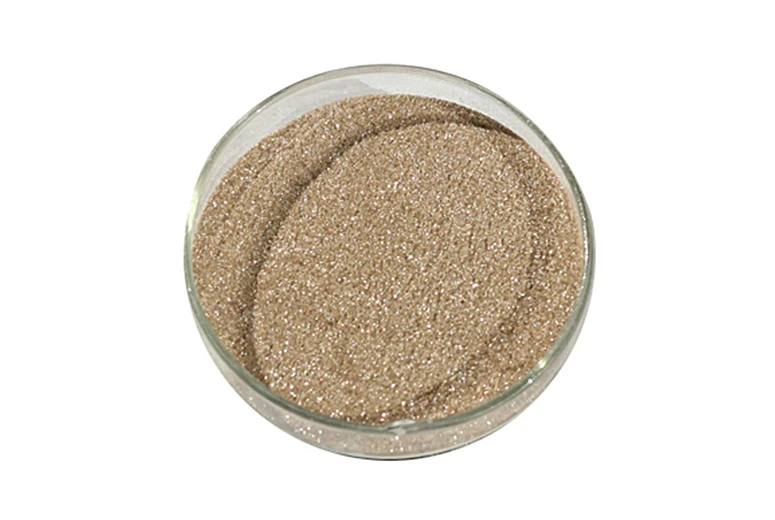
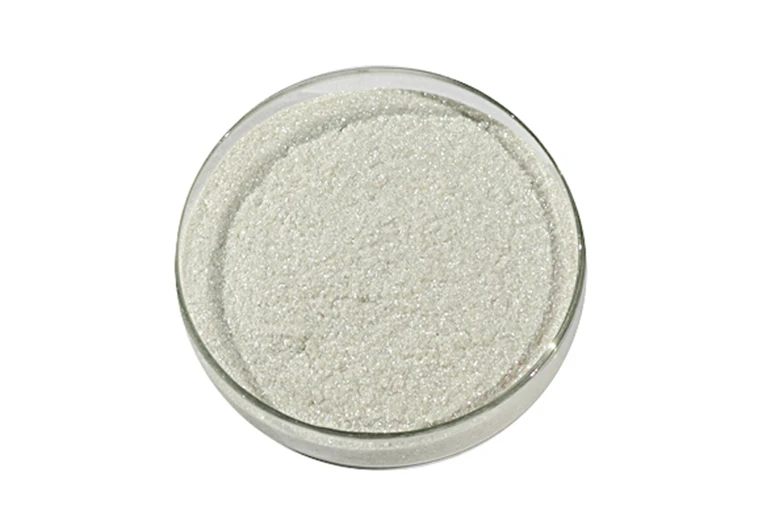
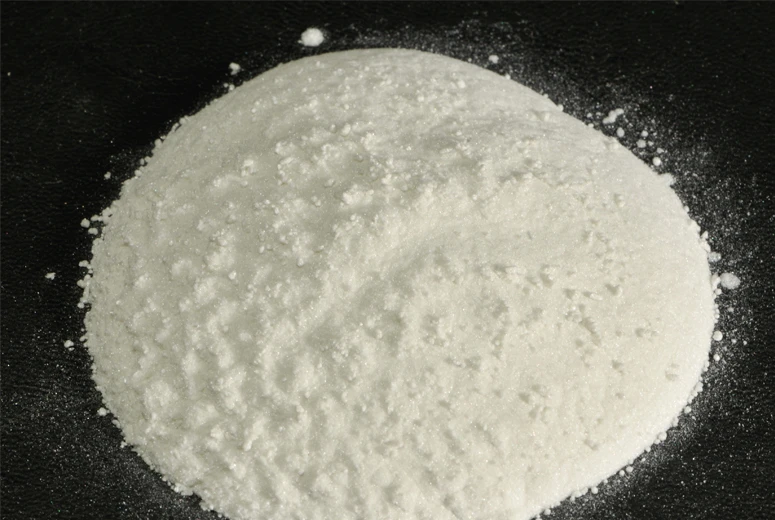
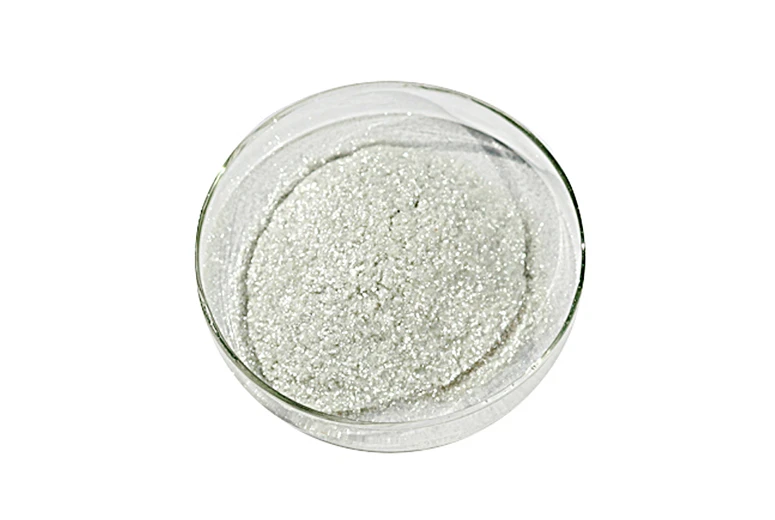
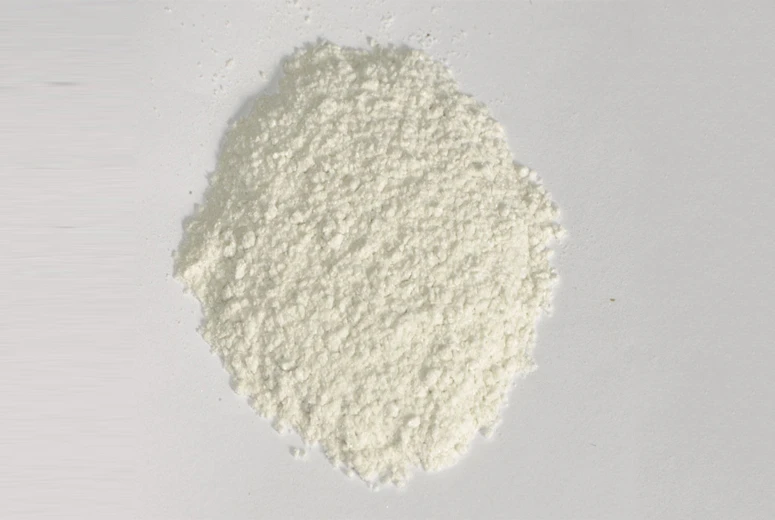
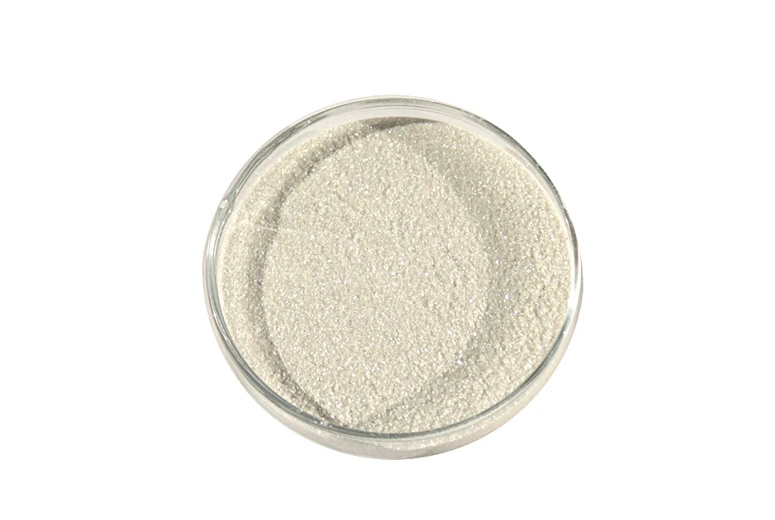
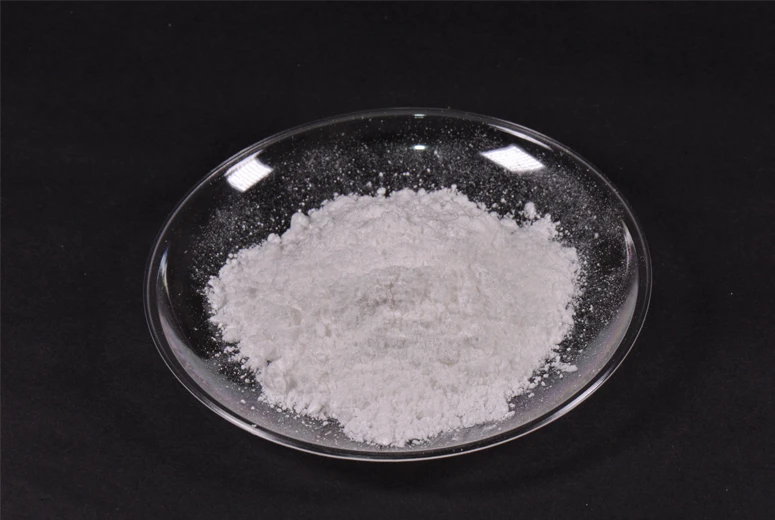
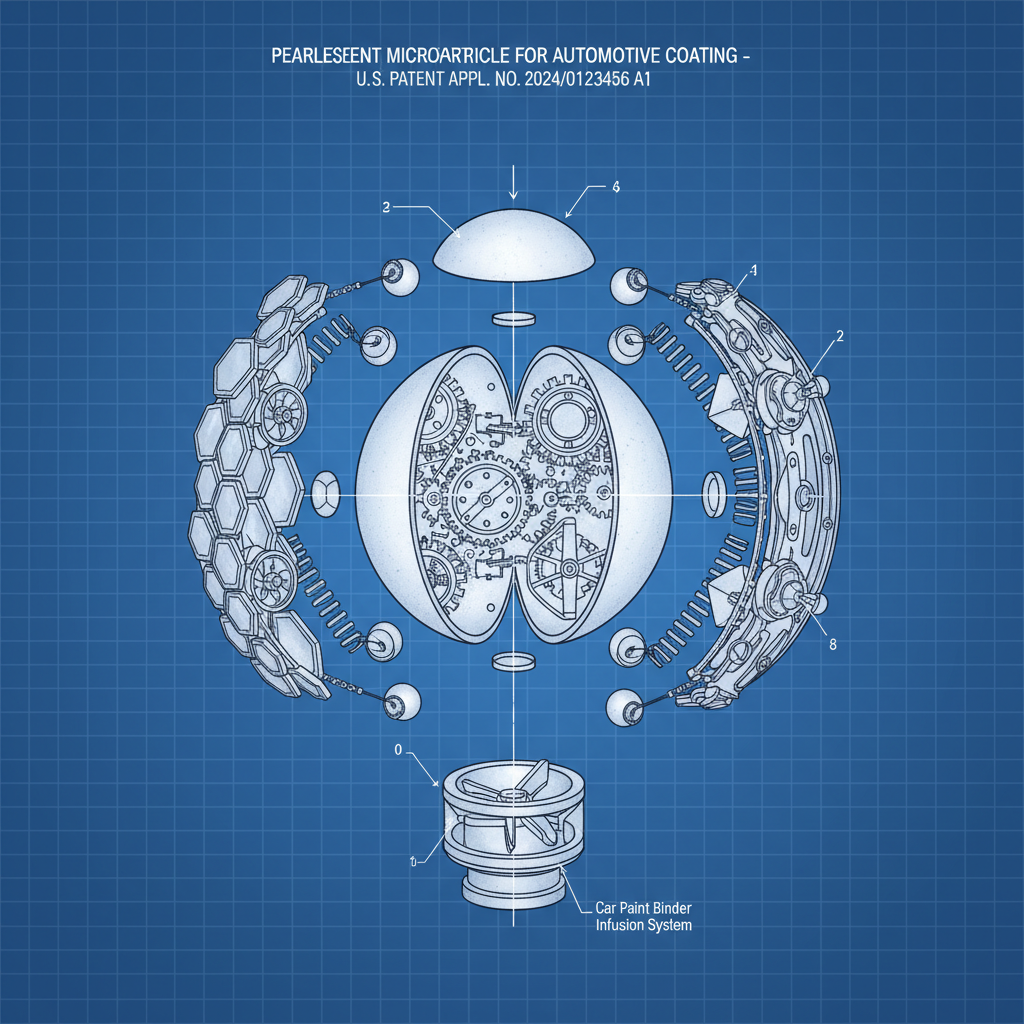
Pearl pigments, also known as interference pigments, aren't traditional colorants. Instead, they consist of microscopic flakes of synthetic mica coated with titanium dioxide and iron oxide. These flakes refract light, creating a shimmering, iridescent effect that changes with the viewing angle. Unlike metallic paints which reflect light directly, pearl pigments transmit and refract it, offering a much more subtle and sophisticated look. The resulting finish appears to glow from within, giving your car a depth and dimension that conventional paints can’t match. HJ Mica specializes in high-quality pearl powders, offering a wide range of colors and particle sizes to suit diverse automotive applications.
Key Highlights: Pearl pigments create an iridescent effect by refracting light, offering a depth and dimension beyond conventional paints. They are comprised of synthetic mica flakes coated with titanium dioxide and iron oxide.
Types of Pearl Powder for Automotive Use
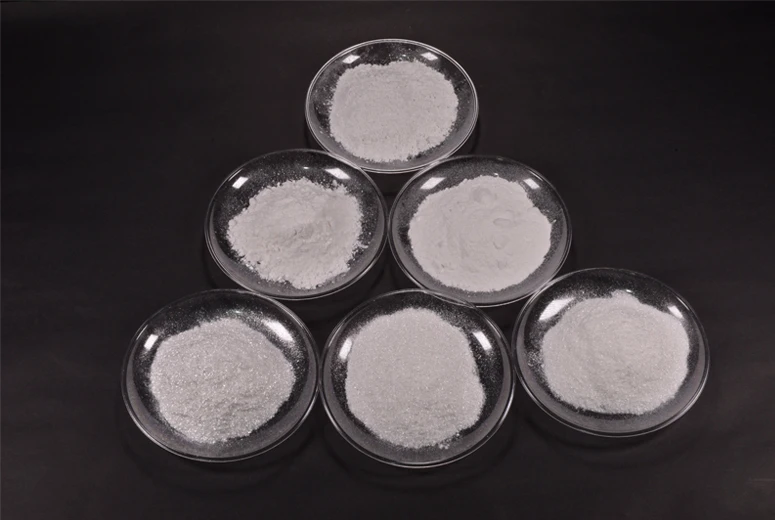
The world of automotive pearl pigments is surprisingly diverse. Here's a breakdown of the most common types:
- Pearl (Nacre): This is the classic pearl effect, creating a soft, shimmering glow.
- Metallic Pearl: Combines the iridescent effect of pearl with the reflectivity of metallic flakes, resulting in a bolder look.
- Color Shift (Multichrome) Pearl: These pigments dramatically change color depending on the viewing angle, offering a truly unique and dynamic finish.
- Xirallic: Provides a very fine, almost holographic effect, with a subtle color shift.
The choice depends on the desired aesthetic. For a subtle elegance, a classic pearl is ideal. For a more striking appearance, a metallic or color-shift pearl is a great option. HJ Mica’s extensive catalog allows you to find the perfect shade for your project.
Pearl Pigment Characteristics:
• Particle Size: Affects the intensity and smoothness of the effect.
• Color Shift: The range of colors visible from different angles.
• Transparency: How much underlying color shows through.
• Reflectivity: The amount of light reflected by the pigment.
Pearl Powder for Car Paint: Comparison of Common Types
Understanding the differences between pearl pigment types is crucial for selecting the right one for your project. Here's a comparison to help you make an informed decision:
Application Techniques and Considerations
Successfully applying pearl powder requires careful preparation and technique. It's typically mixed with a clear coat binder and applied in multiple thin coats. The base coat color significantly influences the final appearance, so choosing the right base is crucial. Proper surface preparation, including sanding and priming, is essential for optimal adhesion and a flawless finish. Follow the manufacturer’s instructions for mixing ratios and application methods.
Factors Affecting the Cost of Pearl Powder
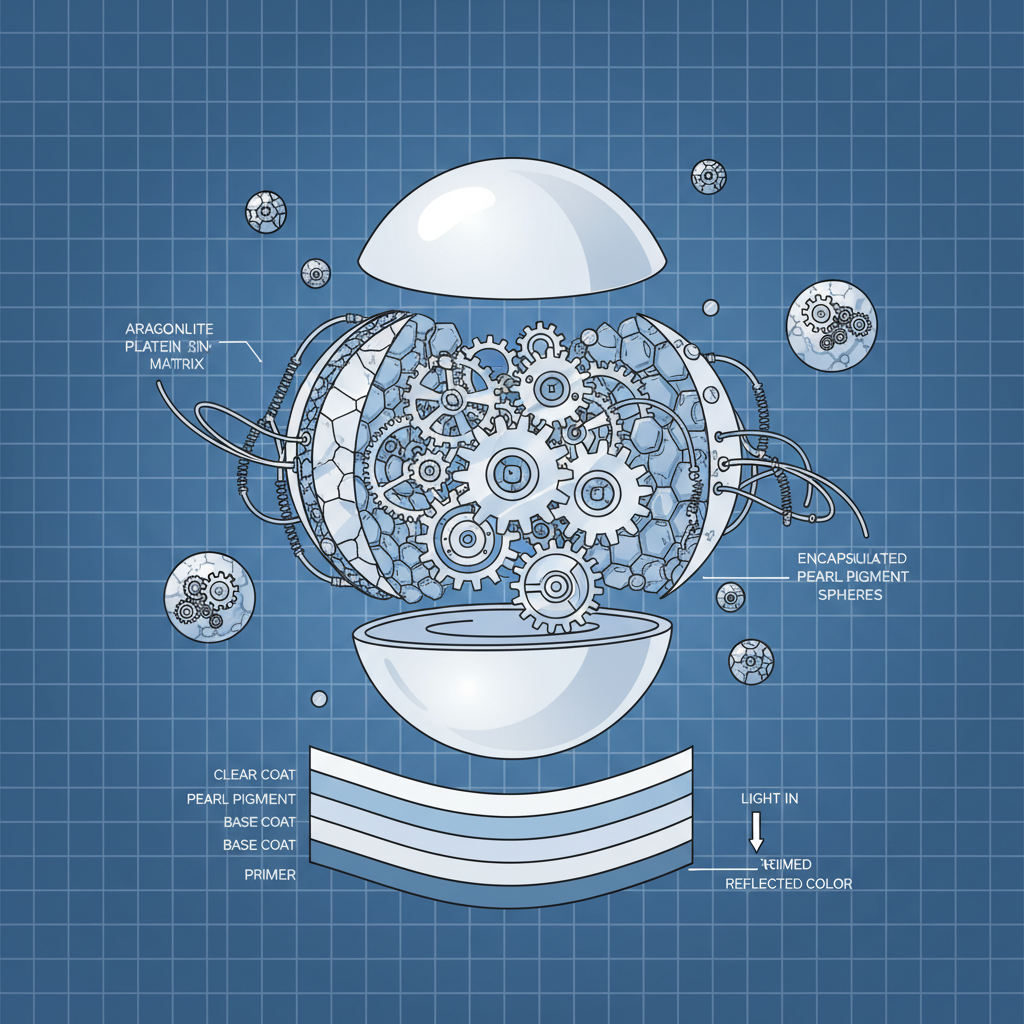
The cost of pearl powder varies based on several factors, including the type of pigment, particle size, and quantity purchased. Color shift pigments are generally more expensive than classic pearls due to their complex manufacturing process. Larger particle sizes offer a more intense effect but can be harder to apply smoothly. Purchasing in bulk typically results in a lower per-unit cost. HJ Mica offers competitive pricing and a wide selection to fit any budget.
Conclusion: Unleash Your Creativity with Pearl Powder
Pearl powder for car paint offers an exceptional way to customize your vehicle and achieve a truly unique finish. By understanding the different types of pigments, application techniques, and cost factors, you can confidently embark on your automotive painting project. HJ Mica is your trusted partner for high-quality pearl pigments and expert guidance. Don’t settle for ordinary – create a masterpiece!
Frequently Asked Questions (FAQs)
What is the best base coat color to use with pearl powder?
The best base coat color depends on the desired final effect. Darker base coats, like black or deep blues, create a more dramatic and vibrant pearl effect. Lighter base coats, like white or silver, produce a softer, more subtle shimmer. Experimenting with different base coats is recommended to achieve the perfect look. Consider the undertones of the pearl pigment when choosing your base coat to ensure color harmony. For example, a gold pearl will look best over a warm-toned base.
How many coats of pearl powder should I apply?
Typically, 2-3 thin coats of pearl powder mixed with a clear coat binder are sufficient. Applying too much at once can lead to uneven coverage and a textured finish. Allow each coat to dry completely before applying the next. Sanding lightly between coats can help to create a smoother, more even application. Always follow the manufacturer's instructions regarding mixing ratios and application guidelines.
Is pearl powder durable? Will it fade over time?
The durability of pearl powder depends on the quality of the pigment and the clear coat used. High-quality pearl pigments, like those offered by HJ Mica, are designed to be UV resistant and long-lasting. However, like any automotive paint, pearl finishes can fade over time with prolonged exposure to sunlight. Applying a high-quality UV-resistant clear coat and regularly waxing the vehicle can help to protect the finish and maintain its vibrancy.
Can I apply pearl powder over existing paint?
Yes, you can apply pearl powder over existing paint, but proper preparation is essential. The existing paint surface should be thoroughly cleaned, sanded, and primed to ensure good adhesion. If the existing paint is damaged or peeling, it should be repaired or removed before applying the pearl powder. A compatible primer is crucial for ensuring the pearl pigment adheres correctly.
-
Ultimate Guide to Using High Quality Pearl Paint Pigment for LusterNewsApr.16,2026
-
Elevating Automotive Aesthetics with Mica Powder Car PaintNewsApr.09,2026
-
Unlock Stunning Effects with Mica Powder for Paint ApplicationsNewsApr.07,2026
-
Comprehensive Guide to Mica Dye Powder Applications and BenefitsNewsApr.04,2026
-
Unlocking the Brilliance of Mica Pigment Paint for Diverse ApplicationsNewsMar.31,2026
-
Enhancing Concrete Performance with Durable Mica Chips for Concrete ApplicationsNewsMar.28,2026