
Mica Pigment Powder – Industrial Uses, Quality, and Supplier Guide
Discovering the Unique Qualities of mica pigment powder in Industry
Having worked in the industrial equipment sector for over a decade, I’ve come across all sorts of materials — some flashy, some downright mundane. But mica pigment powder? That’s one of those surprisingly versatile ingredients you don’t hear about unless you’re really into coatings, plastics, or printing industries. Oddly enough, it’s a tiny mineral with a huge impact. Let me share a few thoughts that highlight its true value beyond just a “powder.”
First off, mica’s natural pearlescence isn’t just for looks. Frankly, it’s what sets it apart in product finishes, improving not only the visual aesthetics but also durability. I recall one contract involving automotive parts where incorporating mica pigment powder into coatings significantly boosted resistance to weather and UV rays. Many engineers say that this combination of shimmer and toughness can be difficult to replicate with synthetic alternatives.
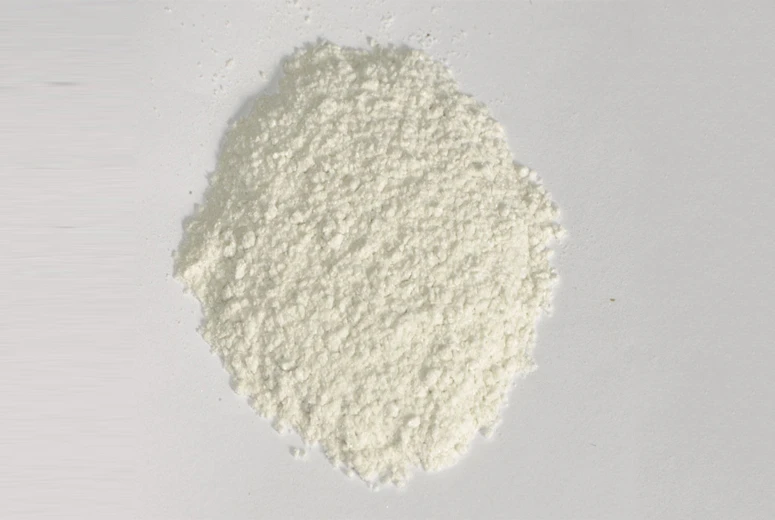
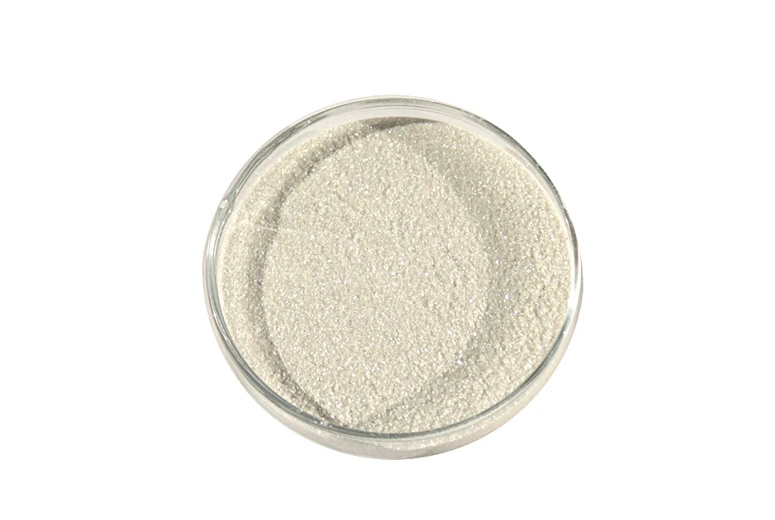
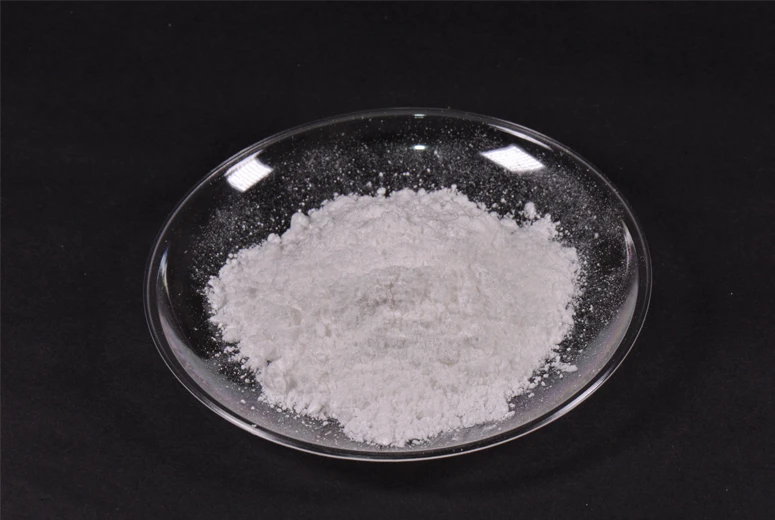
In practical terms, mica pigment powder is mined, then carefully processed into finely ground particles. The quality and consistency of these flakes affects how well they spread and adhere to surfaces — vital for anyone relying on uniform coloration or reflective properties. I’ve learned the hard way that buying from reliable suppliers matters because inconsistencies lead to costly production delays and unhappy clients.
| Specification | Typical Value | Notes |
|---|---|---|
| Particle Size | 10–50 μm | Affects coating smoothness |
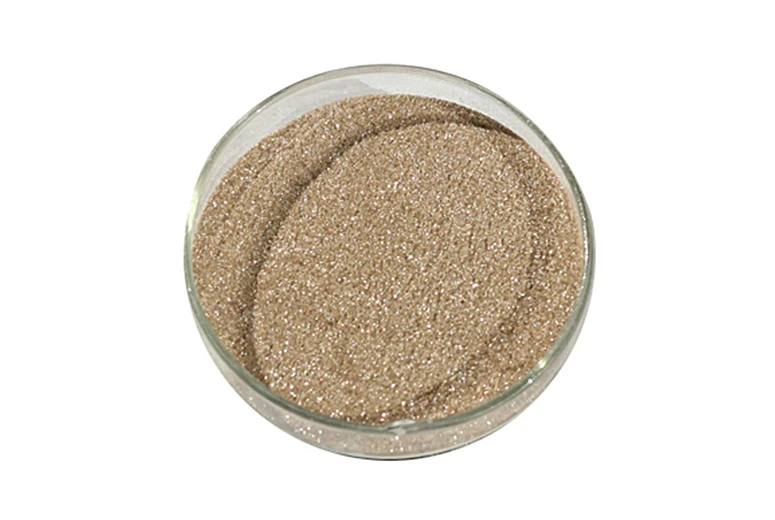
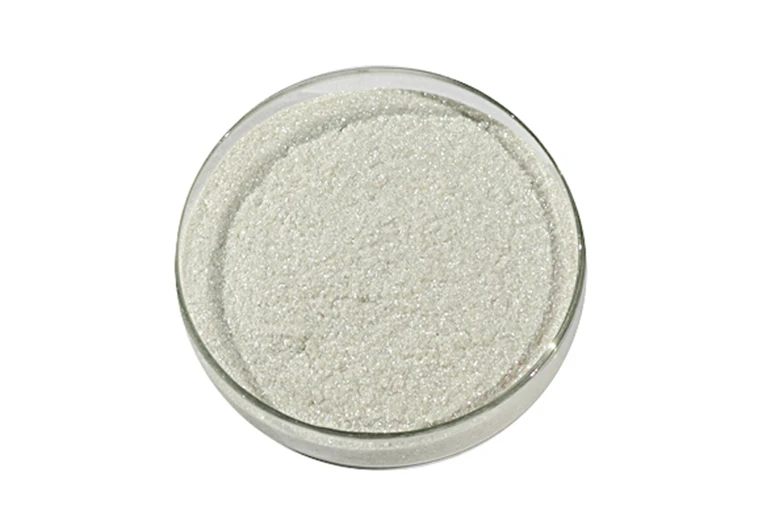
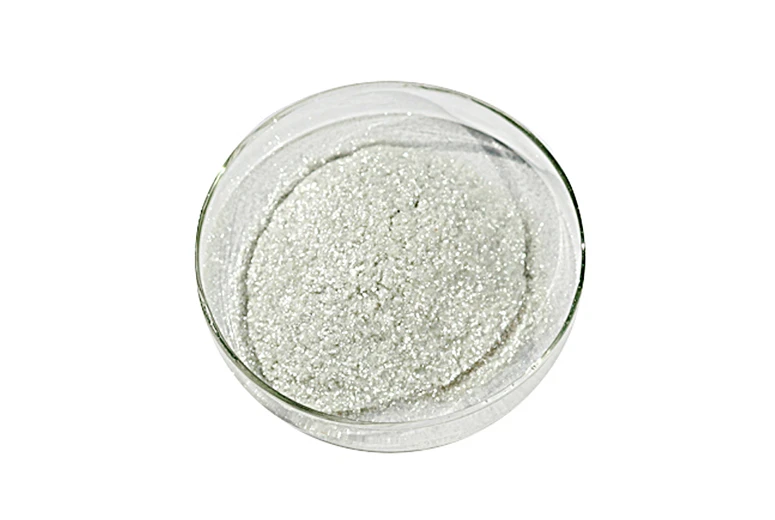
| Color Range | Natural white to bronze | Varies by mineral composition |
| Purity | >98% | High-grade mica for consistent shimmer |
| Moisture Content | Important for flow and mixing | |
| Specific Gravity | 2.8 – 3.1 | Impacts settling in liquid formulations |
Of course, beyond specs, what really matters in industrial applications is how mica pigment behaves in your specific formulation or manufacturing process. Customization options exist, especially for particle size distribution and surface treatments, which can influence compatibility with resins or adhesives. I once suggested a customized mica blend to a client who was struggling with uneven finish on plastic panels—turns out a slight tweak on the particle size curve made their product shine both literally and figuratively.
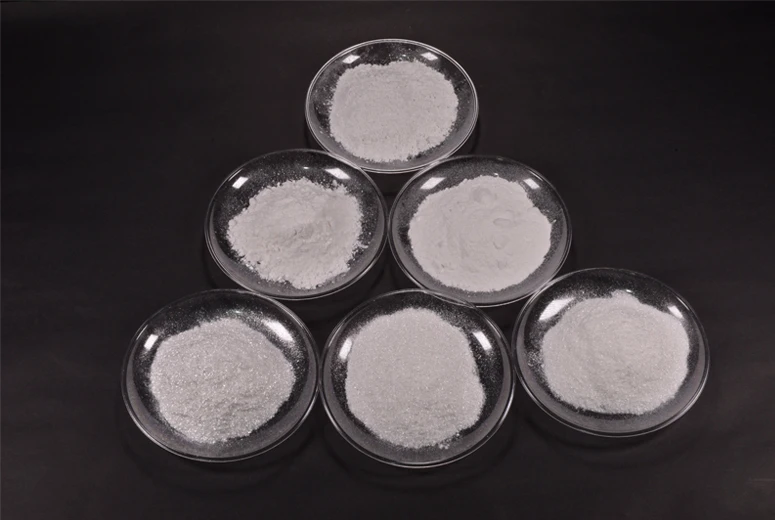
Speaking of suppliers, not all mica pigment powders are created equal. Here’s a quick rundown I put together comparing a few leading vendors based on price, purity, particle size range, and lead times (which, in my experience, can make or break supply chain commitments):
| Vendor | Price per kg | Purity | Particle Size Range (μm) | Lead Time |
|---|---|---|---|---|
| HJ Mica | $15–18 | >98% | 10–50 | 2-3 weeks |
| Vendor B | $13–16 | 95–97% | 15–60 | 3-4 weeks |
| Vendor C | $20+ | >99% | 5–40 | 1-2 weeks |
What struck me during several sourcing projects is that mica pigment powder supplied by HJ Mica often hits the sweet spot between quality and cost-efficiency. Their particles tend to be uniform, which pays dividends in downstream processes such as mixing or extrusion — fewer headaches, frankly.
In terms of testing, routine quality assessments are essential. Particle size distribution, moisture content, and shine consistency must be verified each batch. Over the years, I noticed how simply baking the mica powder slightly before incorporation can improve flowability, a trick not everyone knows but can save time on the line.
Ultimately, mica pigment powder is a bit like the unsung hero behind many flashy consumer goods and industrial products. It’s subtle, but it makes surfaces pop, resist wear, and last longer. Whether you’re in plastics manufacturing, cosmetics, or automotive coatings, it’s well worth considering this natural mineral for add-on sparkle and performance.
If you’re exploring solutions for improving your product’s finish or durability, you might want to dig deeper into mica pigment powders — and you can start by checking out HJ Mica, which I’ve come to trust over the years for consistent supply and quality.
A little mineral goes a long way — it’s often the small things, like mica’s shimmer and strength, that make a product truly stand out.
References:
1. Industrial Uses of Mica, Minerals Education Coalition
2. Coating Technologies and Pigment Application, Journal of Coatings Technology
3. Supplier Quality Control in Industrial Pigments, Manufacturing Today
-
Ultimate Guide to Using High Quality Pearl Paint Pigment for LusterNewsApr.16,2026
-
Elevating Automotive Aesthetics with Mica Powder Car PaintNewsApr.09,2026
-
Unlock Stunning Effects with Mica Powder for Paint ApplicationsNewsApr.07,2026
-
Comprehensive Guide to Mica Dye Powder Applications and BenefitsNewsApr.04,2026
-
Unlocking the Brilliance of Mica Pigment Paint for Diverse ApplicationsNewsMar.31,2026
-
Enhancing Concrete Performance with Durable Mica Chips for Concrete ApplicationsNewsMar.28,2026