
Mica Pigmenti: Durable, High-Performance Industrial Pigments from HJMica
Mica Pigmenti is a key solution in the industry, specifically within coatings, plastics, cosmetics, and decorative finishes. This article explores how https://www.hjmica.com supports professionals with durable, high-performance products, and explains why this product is an ideal choice for businesses in these sectors.
Table of Contents
- Mica Pigmenti Overview
- Benefits & Use Cases of Mica Pigmenti
- Cost, Maintenance & User Experience
- Sustainability & Market Trends
Mica Pigmenti Overview
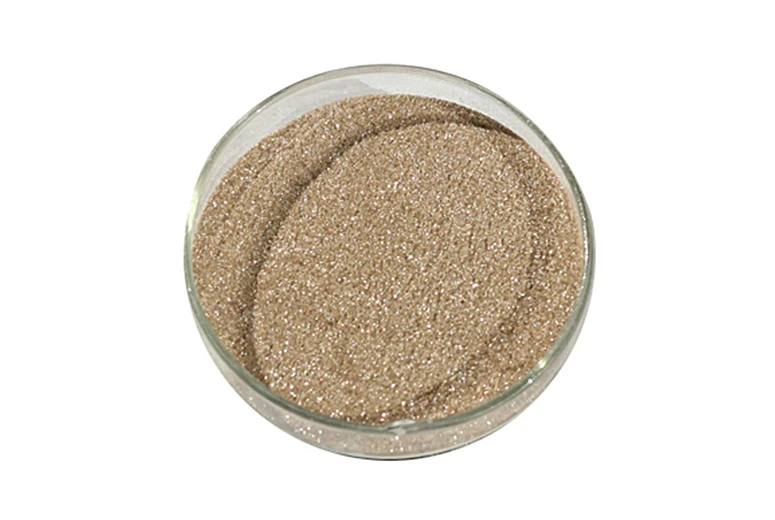
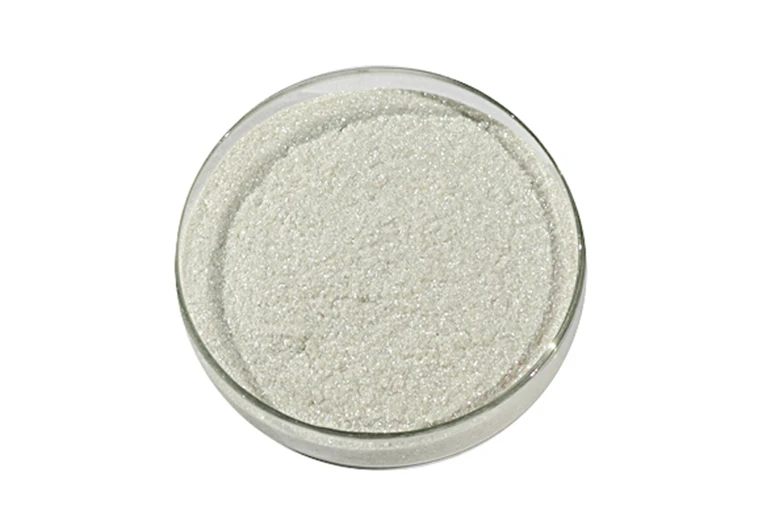
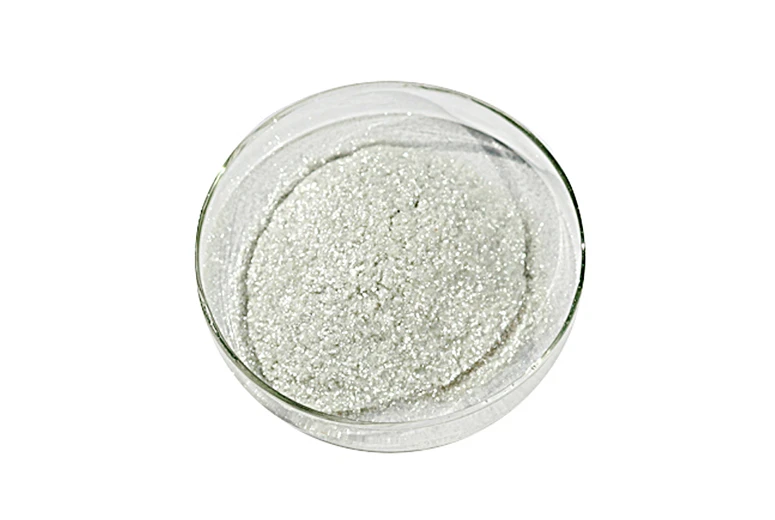
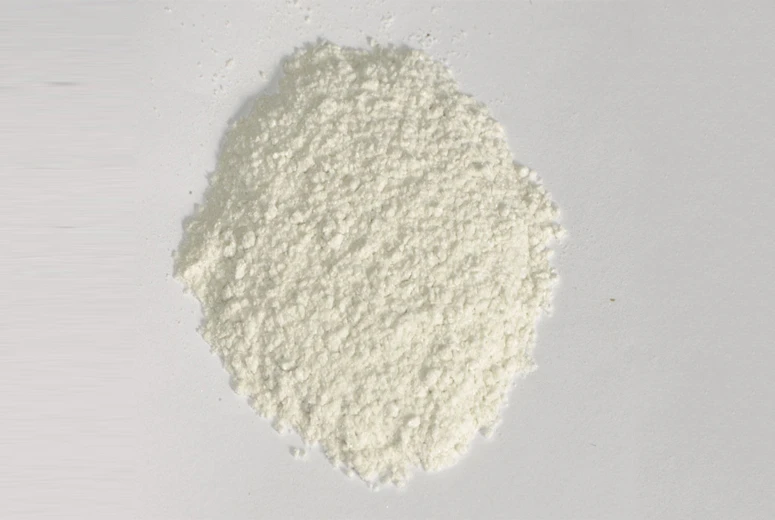
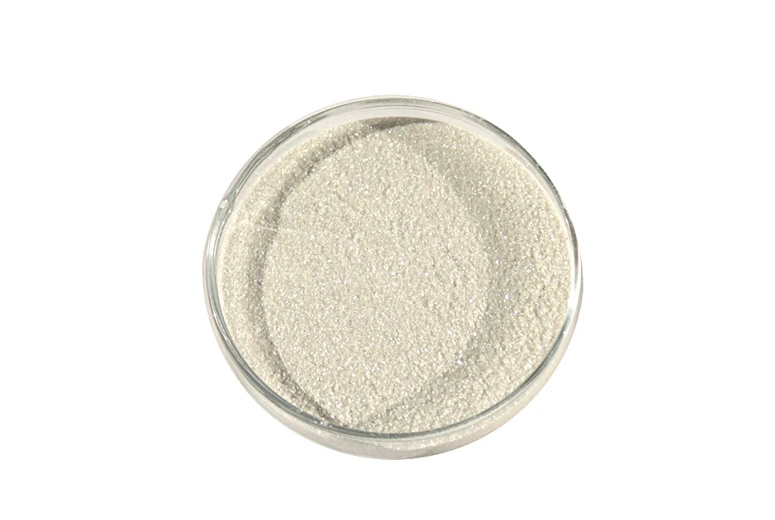
Mica Pigmenti, simply put, are finely ground mica flakes coated or processed to bring out pearlescent or shimmering effects in a host of industrial applications. They aren't just decorative additives; they serve a functional role in improving product durability, UV resistance, and surface appeal. Frankly, if you’re working in coatings or plastics, this stuff feels like the secret sauce that transforms bland into brilliant. Mica, a natural mineral, lends itself to this because of its stable crystalline structure. Manufacturers source mica pigmenti typically in various particle sizes, coatings, and hues to fit each project’s needs.
- Mica Pigmenti is a pigment variant that provides pearlescent, metallic, or iridescent effects with durability.
- Technical specs typically include particle size ranging from 10 to 100 microns, coated for enhanced chemical resistance and color stability.
| Specification | Details |
|---|---|
| Particle Size | 10 - 100 microns |
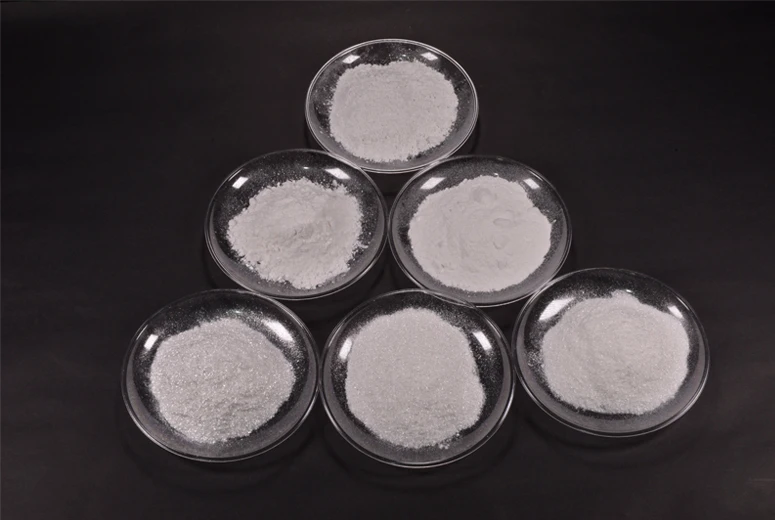
| Color Variants | White, Gold, Silver, Bronze hues |
| Coating | Titanium Dioxide, Iron Oxide |
| Chemical Resistance | High (acid and alkali resistant) |
| Thermal Stability | Up to 700°C |
Benefits & Use Cases of Mica Pigmenti
You might ask—where exactly does Mica Pigmenti shine (sometimes literally)? The answer is in a variety of sectors. In the automotive industry, for instance, it’s prized for its ability to enhance paint durability while adding a spellbinding shimmer to vehicle finishes. If you’re in plastics or packaging, mica pigments create eye-catching products without sacrificing performance. Cosmetics companies rely on mica for natural shimmer in makeup products, providing soft glimmers that are safe for skin. Particularly, the coating on mica flakes ensures chemical stability in harsh environments — a competitive edge over basic pigments.
- Automotive coatings benefit from enhanced UV resistance and long-lasting gloss.
- Cosmetics use mica pigments for safe, natural sparkle and color.
- Plastics and packaging industries enhance their products’ aesthetic and durability.
Cost, Maintenance & User Experience
Looking at the bottom line, Mica Pigmenti generally rank as cost-effective over the lifespan of products — a fact backed up by many engineers and product managers I’ve chatted with. The pigment’s stability lessens the need for frequent maintenance, cutting long-term expenses. Moreover, the natural origin of mica combined with nano-coating technologies reduces chemical makeup, which, frankly, benefits health and environmental costs. A few customers shared that switching to mica pigmenti brought a noticeable increase in product prestige and customer appeal, leading to better ROI, especially in luxury cosmetic lines.
Sustainability & Market Trends
The topic of sustainability is increasingly unavoidable in manufacturing circles, and mica pigmenti fit this global shift well. Being a naturally sourced mineral, mica has a much smaller environmental footprint compared to some synthetic pigments. New regulatory frameworks in Europe and North America are calling for reduced use of heavy metals and harmful byproducts, areas where mica pigments thrive by adhering to strict compliance. Interestingly, industry forecasts predict steady growth in mica pigment applications—not least because sustainability-conscious buyers appreciate products made with “clean” and recyclable components.
| Feature | HJMica | Competitor A | Competitor B |
|---|---|---|---|
| Particle Size Range | 10-100 μm | 20-80 μm | 15-90 μm |
| Coating Types | TiO₂, Fe₂O₃ | TiO₂ only | Uncoated or lightly coated |
| Compliance Certifications | RoHS, REACH, ISO 9001 | RoHS, ISO 14001 | Limited compliance |
| Sustainability Focus | High - eco-friendly sourcing | Moderate | Low |
Frequently Asked Questions about Mica Pigmenti
- What is Mica Pigmenti and how does it work?
- Mica Pigmenti are mica flakes that have been coated or treated to enhance their reflective properties. They work by reflecting, refracting, and scattering light, which creates pearlescent or metallic effects that improve appearance and durability in products.
- What are the main benefits of using Mica Pigmenti in industrial applications?
- Benefits include enhanced UV resistance, chemical stability, improved aesthetics, and long-lasting durability — all leading to lower maintenance and better product performance.
- How does Mica Pigmenti compare to traditional alternatives?
- Compared to traditional pigments, mica pigmenti offer superior brightness, chemical resistance, and eco-friendliness. Their natural origin and coating technologies give them an edge in longevity and compliance.
- What industries can benefit most from Mica Pigmenti implementation?
- Key industries include automotive coatings, cosmetics, plastics, packaging, and specialty paints — sectors that require aesthetic appeal combined with reliable performance.
Conclusion on Mica Pigmenti from china
Summing it up, Mica Pigmenti bring a unique blend of durability, visual enhancement, and sustainability to industrial applications. Their diverse uses and steady regulatory compliance make them a worthwhile investment for decision makers seeking quality and innovation. If you’re looking to elevate your product’s surface performance and appeal, it’s worth a serious look. Don’t just take my word for it—explore the options and see how mica pigmenti can fit your business needs.
- Recap the value of Mica Pigmenti.
- - Visit our website: https://www.hjmica.com
-
Ultimate Guide to Using High Quality Pearl Paint Pigment for LusterNewsApr.16,2026
-
Elevating Automotive Aesthetics with Mica Powder Car PaintNewsApr.09,2026
-
Unlock Stunning Effects with Mica Powder for Paint ApplicationsNewsApr.07,2026
-
Comprehensive Guide to Mica Dye Powder Applications and BenefitsNewsApr.04,2026
-
Unlocking the Brilliance of Mica Pigment Paint for Diverse ApplicationsNewsMar.31,2026
-
Enhancing Concrete Performance with Durable Mica Chips for Concrete ApplicationsNewsMar.28,2026