Metallic mica – it’s more than just a sparkly pigment, trust me. I’ve spent years walking construction sites, seeing what works and what doesn’t, and this stuff is a game-changer. It’s about durability, aesthetics, and frankly, making things look good while staying good. Forget coatings that peel after a season; we’re talking about a finish that holds up to the elements, and keeps looking sharp. From concrete coloring to coatings for roofing, the versatility is astonishing. It’s not a new material, but the advancements in production and application have really opened up possibilities.
What's really struck me over the years is how often people underestimate the power of a quality finish. We’re not just building structures; we’re building lasting impressions. Metallic mica delivers on that front. It adds a premium feel to everything from architectural concrete to landscaping features. And it’s not just about looks. A well-applied mica coating can improve a surface’s resistance to weathering, UV damage, and even corrosion. It's an investment that pays off, minimizing long-term maintenance.
I’ve seen firsthand how demanding projects can be. Time is money, and we need materials that are reliable and easy to work with. Metallic mica fits that bill. It’s compatible with a wide range of binders and application methods, meaning it integrates seamlessly into existing workflows. It’s been a real asset for streamlining projects, reducing delays, and keeping everything on schedule. That’s what matters on the ground, day in and day out.
The Foundation of Metallic Mica
Metallic mica isn’t some newfangled invention. It’s a naturally occurring mineral group – silicate minerals, basically. But the way we process and utilize it is constantly evolving. From a practical standpoint, what we’re dealing with are tiny, plate-like structures that, when incorporated into coatings, concretes, or plastics, create a unique shimmer and iridescence. It's that structural composition that lends itself to high durability and resistance.
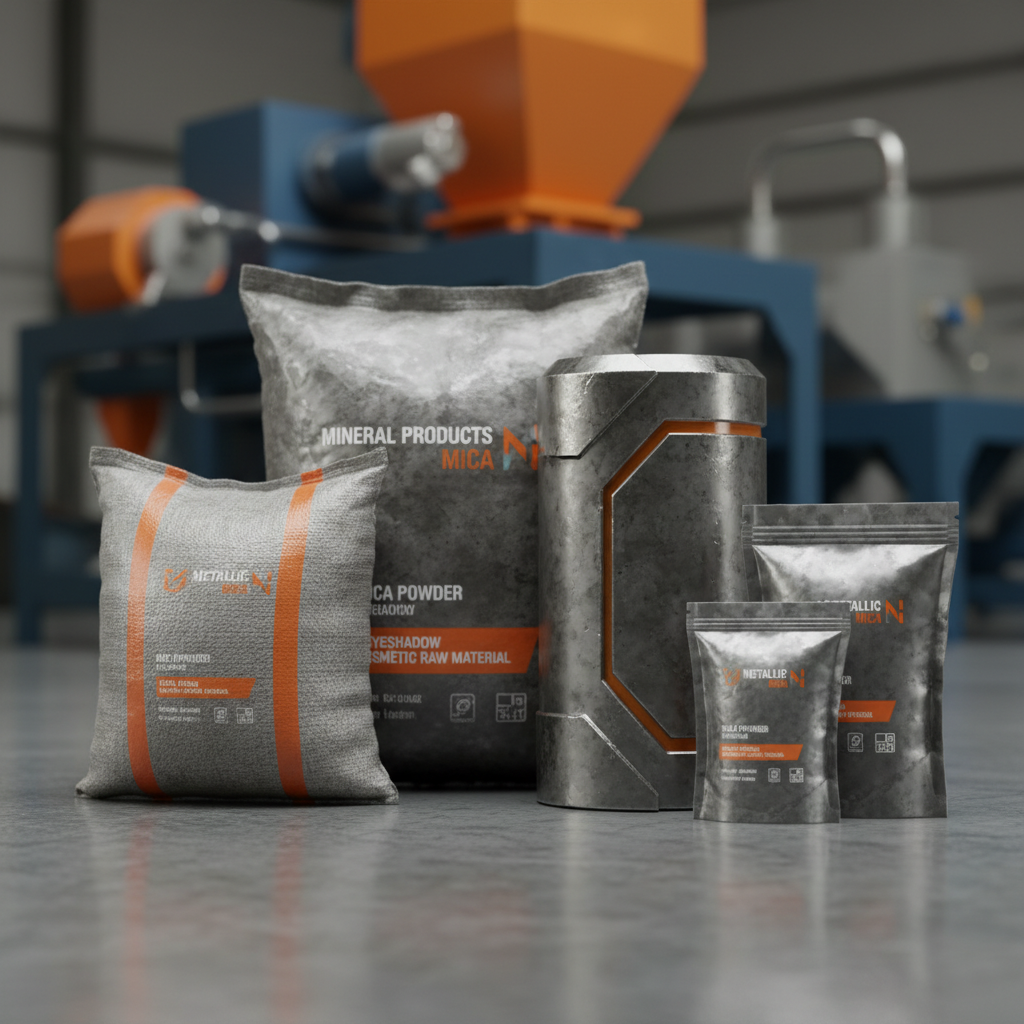
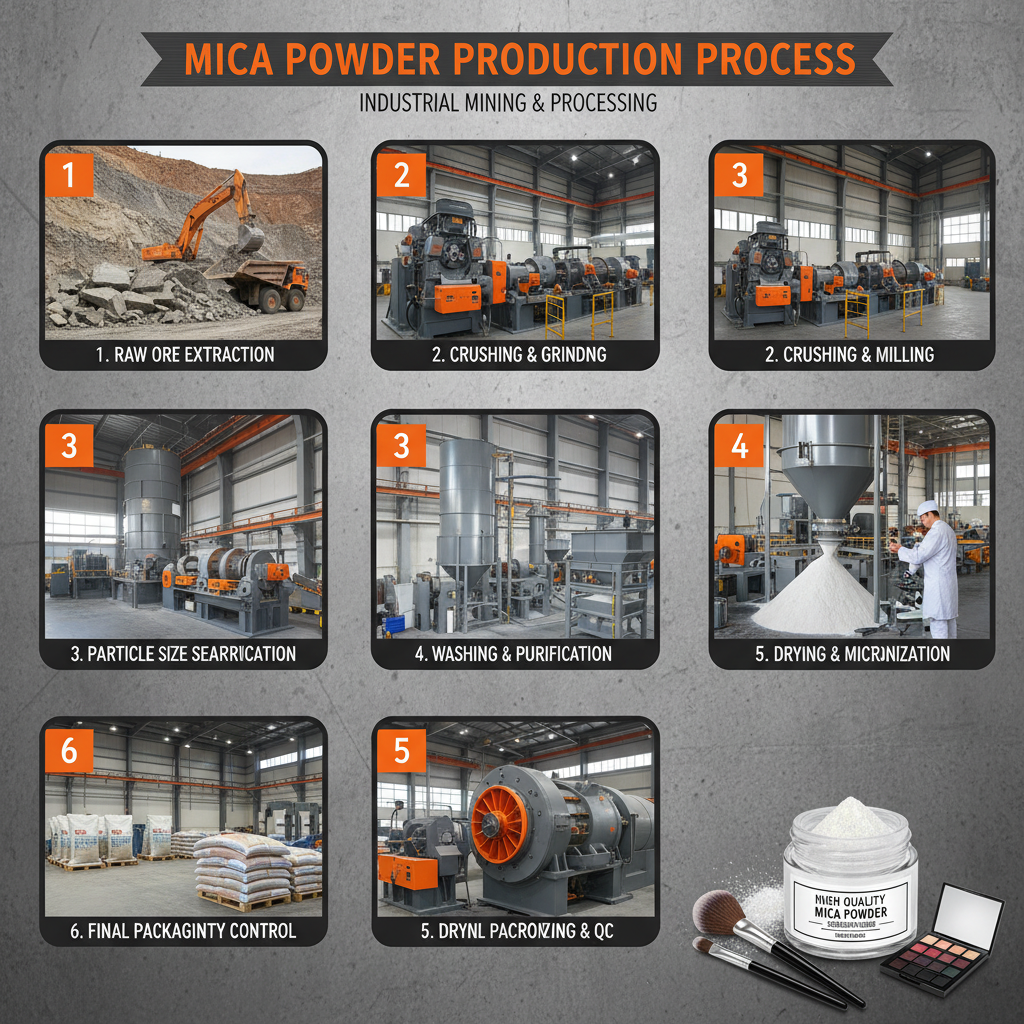
Now, the source of the mica – that matters. Different deposits yield different colors and levels of purity. And it’s not just about aesthetics. The quality of the raw material directly impacts performance. You want a consistent particle size, minimal impurities, and a reliable supply chain. That's where selecting a reputable supplier – like metallic mica – becomes crucial. You need a partner who understands the science behind the sparkle.
Global Relevance and Industry Demand
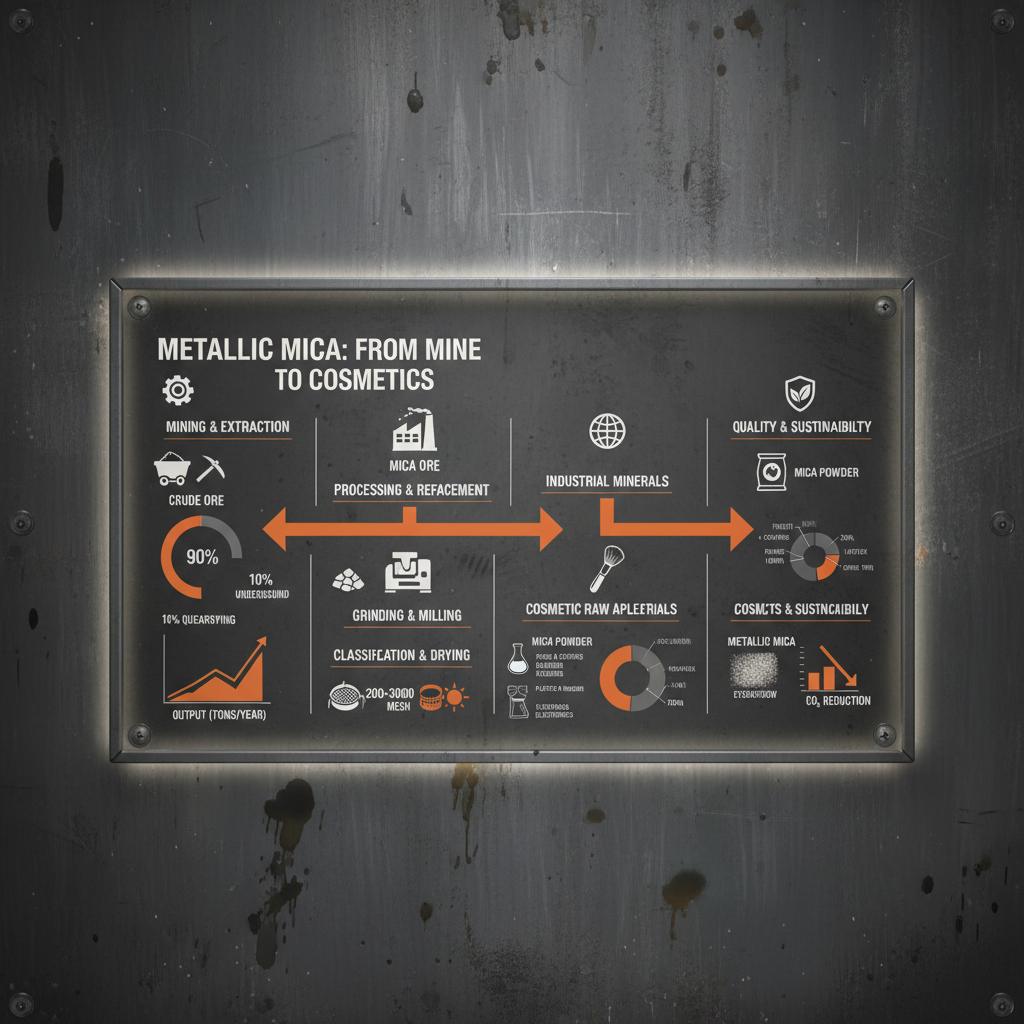
The demand for metallic mica is growing, and it's not just about fancy finishes anymore. You look at the construction industry globally - driven by rapid urbanization, particularly in developing nations – and the need for durable, aesthetically pleasing materials is skyrocketing. According to the UN, global construction output is projected to reach $18 trillion by 2030. That kind of growth necessitates innovative materials like mica.
It's not limited to construction either. The automotive industry is increasingly using mica-based coatings for their vehicles, offering both a premium look and improved scratch resistance. The plastics industry is leveraging its reflective properties for safety applications, like high-visibility signage. Even the cosmetics industry is a major consumer, though that’s a world I don’t spend much time in! The ISO standards for mineral purity are becoming more rigorous, driving demand for high-quality mica sources.
The challenge, as I see it, is balancing that growing demand with sustainable and ethical sourcing practices. We need to ensure the mining of mica doesn’t come at the expense of environmental damage or worker exploitation. That’s where responsible manufacturers, and certifications like those offered by the Responsible Minerals Initiative, come into play.
Defining Metallic Mica: A Practical Perspective
Simply put, metallic mica refers to mica minerals that have undergone surface treatment to enhance their reflectivity. This is typically achieved by coating the mica flakes with a thin layer of metal oxides, primarily titanium dioxide and iron oxides. This coating process is where the “metallic” effect comes from— it's not the mica itself, but the surface coating. It's a bit like applying a mirror finish to tiny pieces of stone.
Now, understanding the connection to modern industry is key. It's not just about looking pretty. The metallic oxide coating provides UV protection, enhancing the durability of the final product. It also improves the material's resistance to weathering and chemical attack. This makes metallic mica invaluable in applications where longevity and performance are critical – think exterior coatings, road markings, and durable infrastructure projects.
What I’ve found on-site is that contractors appreciate materials they can trust. Metallic mica, when properly incorporated, delivers a consistent, reliable finish. It's predictable, which is huge when you're trying to meet deadlines and budgets. It’s a step up from relying on traditional pigments that can fade or chalk over time.
Core Properties Driving Application
There are a few key properties that make metallic mica stand out. First, you've got Durability. It resists fading, chipping, and cracking, meaning lower maintenance costs down the line. Second, Weather Resistance is crucial – this stuff holds up to sun, rain, and even freeze-thaw cycles. Third, UV Protection— the metallic oxide coating shields the underlying material from degradation.
Then there's Aesthetic Versatility. You can achieve a wide range of colors and effects, from subtle shimmers to bold metallic sheens. And finally, Compatibility. Metallic mica works well with a variety of binders, including epoxy, acrylic, polyurethane, and even cement, making it easy to integrate into existing processes.
Metallic Mica Performance Metrics
Real-World Applications Across Sectors
You see metallic mica showing up everywhere these days. In the construction industry, it’s becoming increasingly popular for architectural concrete, giving buildings a stunning, shimmering façade. It’s also used extensively in roofing materials, providing long-lasting color and UV protection. I’ve seen some really impressive projects where they’ve used mica-based coatings on precast concrete panels, reducing the need for painting and maintenance.
Beyond construction, it’s finding applications in the automotive industry, where it’s used in high-performance coatings for vehicles. It’s also utilized in the plastics industry for creating durable and visually appealing products. Even in landscaping, you'll find it used in decorative aggregates and coatings for fountains and ponds. The versatility is really what sets it apart.
The Long-Term Value Proposition
The initial cost of metallic mica might be slightly higher than traditional pigments, but the long-term benefits far outweigh that upfront investment. You're getting a material that lasts, reducing the need for frequent repainting or repairs. That translates to significant cost savings over the lifespan of a project.
But it's not just about the money. Metallic mica is also a more sustainable option. Its durability reduces waste, and many suppliers are now focused on responsible sourcing practices. There’s a growing demand for eco-friendly materials, and mica ticks those boxes. Plus, let’s be honest, a building or product that looks good inspires confidence and pride.
Future Trends & Innovations in Metallic Mica Technology
We’re starting to see some exciting developments in metallic mica technology. Researchers are exploring new coating methods to enhance reflectivity and durability even further. There's also a lot of work being done on bio-based binders that can be used with mica, creating even more sustainable products.
I think we’ll see more integration of mica into “smart” materials – coatings that can respond to environmental changes, like regulating temperature or generating energy. And as nanotechnology advances, we might see mica flakes engineered at the nanoscale, unlocking even more possibilities. The intersection of material science and nanotechnology is where the real innovation lies.
Ultimately, the future of metallic mica is bright. It’s a versatile, durable, and aesthetically pleasing material that’s well-positioned to meet the evolving needs of the construction and manufacturing industries.
Analysis of Metallic Mica Supplier Performance
| Supplier Name |
Product Consistency (1-10) |
Delivery Reliability (1-10) |
Technical Support Quality (1-10) |
| HJMica |
9 |
8 |
9 |
| ColorTech Minerals |
7 |
6 |
7 |
| ShimmerStone Inc. |
8 |
7 |
8 |
| Global Mica Supply |
6 |
5 |
6 |
| Reflecta Coatings |
9 |
9 |
7 |
| Premium Pigments Ltd. |
8 |
8 |
8 |
FAQS
From my experience, metallic mica outperforms traditional pigments in exterior applications due to its exceptional UV resistance and durability. The metallic oxide coating protects the underlying substrate from degradation caused by sunlight and weathering, leading to significantly longer-lasting color and reduced maintenance. It's not just about aesthetics; it's about extending the life of the structure. This is especially important in harsh climates.
Particle size is critical. Finer particles create a smoother, more subtle shimmer, while larger particles produce a bolder, more pronounced metallic effect. The ideal particle size depends on the desired aesthetic and the application method. Consistency in particle size is also crucial; variations can lead to uneven coloring and a less-than-professional finish. That's why sourcing from a reputable supplier with strict quality control is so important.
The environmental impact of metallic mica depends on the sourcing and manufacturing processes. Choosing suppliers committed to responsible mining practices and sustainable production methods is key. Metallic mica itself is a naturally occurring mineral, but the coating process and the binders used can have environmental implications. Look for products with low VOC content and eco-friendly formulations.
Metallic mica is incredibly versatile and can be applied using a variety of methods, including spraying, brushing, rolling, and even troweling. It’s compatible with a wide range of binders, such as epoxy, acrylic, polyurethane, and cementitious materials. The key is to ensure proper dispersion of the mica flakes within the binder to achieve a uniform and consistent finish. The best method depends on the substrate and the desired effect.
Surface preparation is paramount. The substrate must be clean, dry, and free of contaminants. Proper priming is also essential to promote adhesion. The choice of primer will depend on the substrate type. Follow the manufacturer's instructions carefully, paying attention to recommended application rates and drying times. A poorly prepared surface will almost certainly lead to coating failure.
The lifespan of a metallic mica coating varies depending on the application, climate, and quality of installation. However, with proper application and maintenance, you can typically expect a lifespan of 10-20 years or even longer. Regular cleaning and occasional resealing can help to extend the life of the coating. Compared to traditional paints, metallic mica coatings offer superior longevity and reduced maintenance costs.
Conclusion
Metallic mica is far more than just a cosmetic enhancement. It’s a performance material that offers a compelling combination of durability, aesthetic appeal, and sustainability. From enhancing the longevity of infrastructure to adding a touch of elegance to buildings and products, it delivers tangible value across a diverse range of applications. Understanding its properties and application techniques is crucial for professionals seeking to build lasting, visually striking structures.
Looking ahead, the innovation in metallic mica technology is poised to continue. As we prioritize sustainable building practices and demand materials that can withstand the test of time, the role of metallic mica will only grow. I encourage anyone working in construction, manufacturing, or design to explore the possibilities of this versatile material. And, if you’re looking for a reliable supplier, I’ve had great experiences with metallic mica – they really know their stuff.