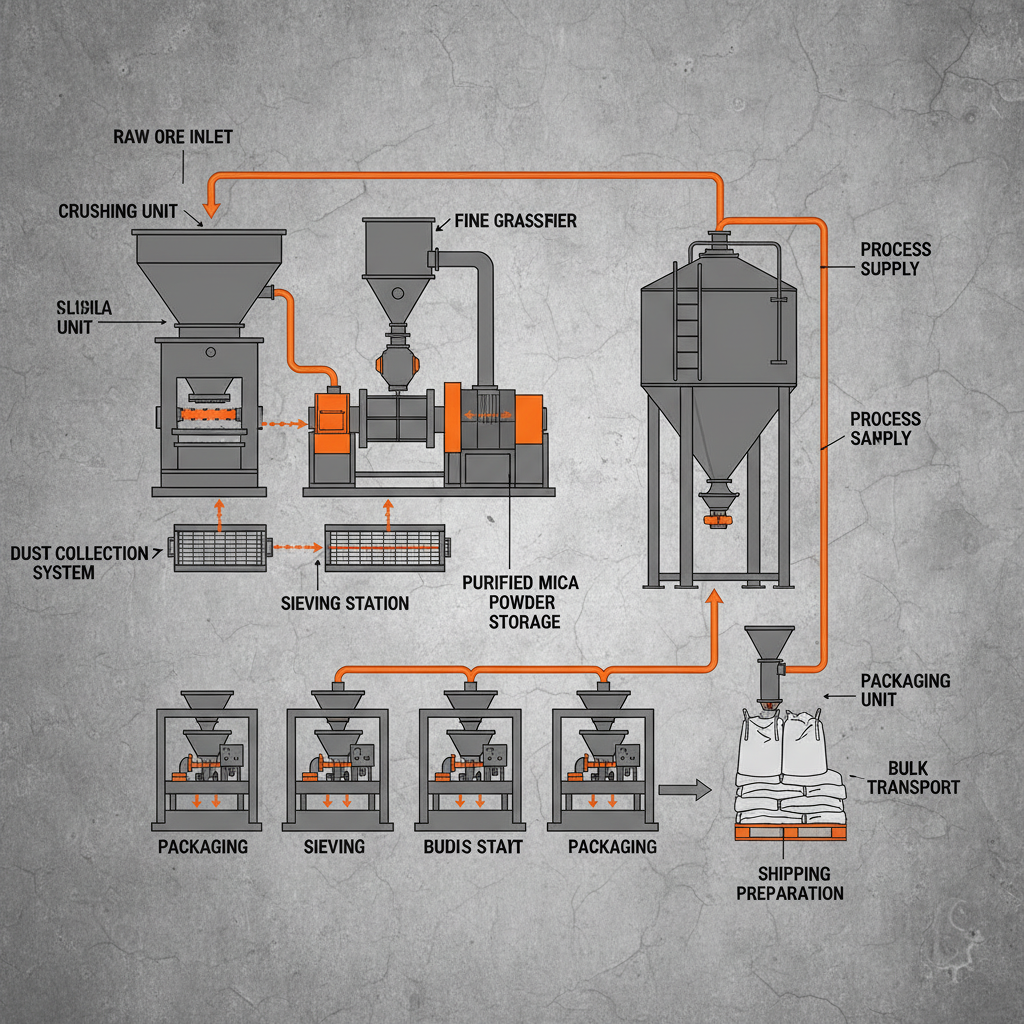
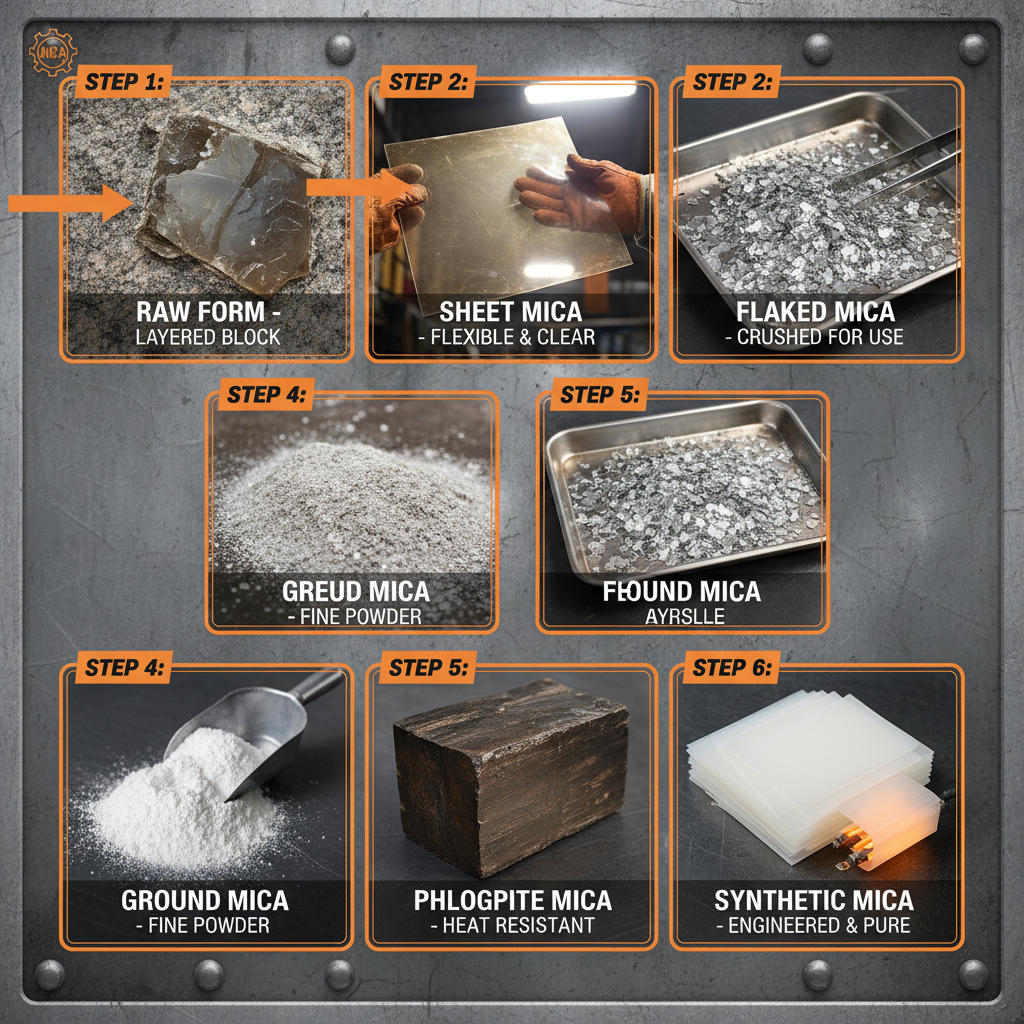
Kinds of mica represent a fascinating group of silicate minerals, celebrated for their perfect basal cleavage, resulting in thin, flexible, and transparent sheets. These unique properties have historically made them invaluable across a surprisingly diverse range of applications, from ancient pigments to cutting-edge electronics. Understanding the subtle differences between these various kinds of mica – muscovite, biotite, phlogopite, and more – is crucial for selecting the optimal material for specific industrial and technological needs.
Globally, the mica industry is a significant contributor to economic activity, particularly in developing nations where mining operations provide employment and revenue. However, the industry faces ongoing challenges related to responsible sourcing and ethical labor practices. Increasing awareness of these issues is driving demand for traceable and sustainably produced kinds of mica, prompting a shift towards greater transparency and accountability within the supply chain.
The versatility of kinds of mica lies in their exceptional dielectric strength, thermal stability, and resistance to chemical attack. These attributes enable their use in critical components across numerous sectors, playing an unsung but vital role in modern technological advancements. From insulating electrical wiring to providing a reflective base for cosmetics, mica's impact is far-reaching and constantly evolving.
Introduction to Kinds of Mica
The term "kinds of mica" encompasses a family of sheet silicate minerals with a layered structure. This fundamental structure dictates their exceptional physical and chemical properties. Different varieties of mica are categorized by their chemical composition, resulting in a range of colors, transparency levels, and thermal stabilities. The understanding of these variations is crucial for selecting the appropriate kind of mica for a specific application.
Historically, kinds of mica have been used for centuries, prized for their natural beauty and unique properties. Today, their use extends far beyond decorative purposes, becoming integral components in a wide array of industries. Continued innovation is uncovering new and exciting applications for these versatile materials, ensuring their relevance for years to come.
Defining Kinds of Mica
Simply put, kinds of mica are hydrous potassium aluminum silicate minerals. Their distinctive layered structure allows for easy splitting into thin, flexible, and transparent sheets. This property, known as perfect basal cleavage, is what distinguishes mica from other silicate minerals. The presence of different metallic ions within the structure gives rise to the various types of mica, each with its own unique characteristics.
This definition connects directly to modern industry; mica is not just a geological curiosity but a critical material in high-tech applications. For instance, in the electronics industry, mica’s exceptional dielectric strength prevents electrical breakdown, making it vital for capacitors and insulators. Similarly, in cosmetics, finely ground mica creates a shimmering effect in makeup.
The importance of understanding different kinds of mica stems from their varying suitability for specific uses. Muscovite, for example, is preferred in applications requiring high temperature resistance, while biotite is often utilized in paints and coatings. Choosing the correct variety ensures optimal performance and longevity.
Core Properties of Mica Varieties
One of the fundamental properties of kinds of mica is their exceptional thermal stability. They can withstand high temperatures without significant degradation, making them ideal for applications like furnace linings and high-temperature insulation. This heat resistance is a direct consequence of their strong silicate structure and low thermal expansion coefficient.
Another critical attribute is their excellent dielectric strength. This means mica can effectively resist the flow of electricity, preventing short circuits and ensuring the reliable operation of electrical equipment. This property is paramount in the manufacturing of capacitors, insulators, and other electrical components.
Furthermore, kinds of mica are chemically inert, meaning they are resistant to corrosion and degradation from most chemicals. This resistance contributes to their long lifespan and makes them suitable for harsh environments. Coupled with their physical toughness and flexibility, mica’s chemical inertness contributes to its broad spectrum of applications.
Global Applications of Different Mica Types
The applications of kinds of mica are remarkably diverse. Muscovite mica, known for its high clarity and temperature resistance, is extensively used in the electronics industry for manufacturing capacitors, insulating washers, and high-temperature gaskets. Biotite mica, with its darker color and lower cost, finds use in paints, coatings, and as a filler in various industrial applications.
Phlogopite mica, notable for its magnesium content, is favored in applications requiring high thermal stability and electrical insulation, such as in specialized ceramics and refractory materials. Vermiculite, a hydrated magnesium aluminum iron silicate, often categorized with mica, is used in insulation, horticulture, and fireproofing materials. These are utilized heavily in regions with significant industrial activity.
In remote industrial zones across Asia and South America, mica provides crucial insulation for electrical equipment where reliable operation is paramount. Similarly, in post-disaster relief operations, mica-based insulation can provide a safe and effective barrier against heat and cold, contributing to the comfort and safety of affected populations.
Comparison of Mica Varieties by Thermal Resistance
Advantages and Long-Term Value
Utilizing kinds of mica delivers several tangible benefits. Cost-effectively, while some varieties are pricier than alternatives, the longevity and reliability of mica-based components often offset the initial expense. Sustainability is a growing advantage, with increasing emphasis on responsible sourcing and minimal environmental impact.
Beyond the practical advantages, employing mica solutions instills trust and reliability. Its proven performance in critical applications, such as electrical insulation, fosters confidence in the safety and durability of end products. The innovative applications of mica contribute to technological advancement and improve the quality of life for consumers globally.
Future Trends in Mica Utilization
The future of kinds of mica is intertwined with advancements in green energy technologies. As the demand for efficient energy storage solutions grows, mica-based capacitors are poised to play an increasingly important role in electric vehicles and renewable energy systems. The focus on lightweight materials also benefits mica applications.
Digital transformation is further driving innovation in mica processing and application. Advanced manufacturing techniques, such as laser cutting and precision grinding, enable the creation of highly customized mica components for specialized applications. Automation in mica mining and processing will likely improve efficiency and reduce environmental impact.
Challenges and Sustainable Sourcing
A significant challenge facing the mica industry is ensuring ethical sourcing and eliminating child labor. Traditional mica mining practices in certain regions have been associated with exploitative labor conditions. Addressing this requires greater transparency, traceability, and collaboration across the supply chain.
Sustainable sourcing initiatives are gaining momentum, with companies actively seeking mica from responsible mines that adhere to fair labor standards and environmental regulations. Certification programs and blockchain technology can help track the origin of mica and verify its ethical provenance.
Expert insights suggest that investing in alternative mining technologies, such as mechanized extraction, can improve worker safety and reduce environmental damage. Furthermore, promoting diversification of livelihoods in mica-producing communities can help mitigate the risk of child labor.
Overview of Ethical Sourcing Challenges for Kinds of Mica
| Mining Region |
Primary Ethical Concern |
Current Mitigation Strategies |
Effectiveness Rating (1-5) |
| India (Bihar, Rajasthan) |
Child Labor & Hazardous Working Conditions |
Certification Programs, Supply Chain Audits |
3 |
| Madagascar |
Informal Mining & Lack of Regulation |
Support for Local Cooperatives, Government Oversight |
2 |
| China |
Environmental Damage & Worker Safety |
Stricter Environmental Regulations, Improved Mining Techniques |
3.5 |
| Brazil |
Illegal Mining & Deforestation |
Increased Monitoring, Sustainable Mining Practices |
2.5 |
| Russia |
Remote Location & Limited Transparency |
Supply Chain Mapping, Independent Verification |
2 |
| Tanzania |
Artisanal Mining & Fair Wages |
Fair Trade Initiatives, Community Development Programs |
3.2 |
FAQS
Muscovite mica is typically colorless or pale, known for its high clarity and excellent dielectric properties. Biotite, on the other hand, is dark-colored (black or brown) due to iron and magnesium content, making it less transparent. Muscovite is preferred for high-temperature applications, while biotite is commonly used in paints and coatings due to its lower cost. This differentiation is crucial when selecting kinds of mica for specific industrial uses.
The layered structure of kinds of mica – a sheet silicate mineral – is responsible for its perfect basal cleavage. This allows it to be easily split into thin, flexible sheets. The strong bonding within the layers provides high thermal stability and chemical inertness. These properties, combined with its electrical insulation capabilities, make mica invaluable in a wide array of applications.
Synthetic mica, produced through a hydrothermal process, offers a consistent and controlled product compared to natural mica. It’s becoming increasingly popular, especially where purity and consistent particle size are critical. While often more expensive, synthetic mica addresses concerns surrounding ethical sourcing and ensures a stable supply. Both kinds of mica find their own use cases.
Environmental concerns include deforestation due to open-pit mining, water pollution from processing chemicals, and habitat destruction. Responsible mining practices, including land reclamation, water treatment, and minimizing waste, are crucial for mitigating these impacts. Sustainable sourcing initiatives and transparent supply chains are also essential.
Businesses can implement robust supply chain audits, demand transparency from suppliers, and prioritize sourcing from certified mines that adhere to fair labor standards and environmental regulations. Supporting fair trade initiatives and investing in community development programs in mica-producing regions are also effective strategies.
The demand for kinds of mica is projected to grow, driven by the expanding electronics industry, the increasing adoption of electric vehicles, and the need for sustainable materials. However, the industry must address ethical sourcing concerns to ensure long-term viability. Innovation in mica processing and application will also play a crucial role in meeting future demand.
Conclusion
In conclusion, kinds of mica are a remarkably versatile group of minerals with a long history and a bright future. Their unique combination of physical, chemical, and electrical properties makes them indispensable in a wide range of industries, from electronics and automotive to cosmetics and construction. Understanding the different types of mica and their specific characteristics is key to unlocking their full potential.
Looking ahead, the focus must be on sustainable sourcing, ethical labor practices, and continued innovation in mica processing and application. By addressing these challenges, we can ensure that these valuable minerals continue to contribute to technological advancement and economic growth while protecting the environment and upholding human dignity. Visit our website at www.hjmica.com to learn more about our commitment to responsible mica sourcing and explore our wide range of mica products.