
Comprehensive Guide to White Pearl Pigment for B2B Industries | HJMICA
White Pearl Pigment is a key solution in the industry, specifically within coatings, plastics, cosmetics, and automotive manufacturing. This article explores how https://www.hjmica.com supports professionals with durable, high-performance products, and explains why this product is an ideal choice for businesses in these sectors.
Table of Contents
- White Pearl Pigment Overview
- Benefits & Use Cases of White Pearl Pigment
- Cost, Maintenance & User Experience
- Sustainability & Market Trends
- Frequently Asked Questions about White Pearl Pigment
- Conclusion on White Pearl Pigment from China
White Pearl Pigment Overview
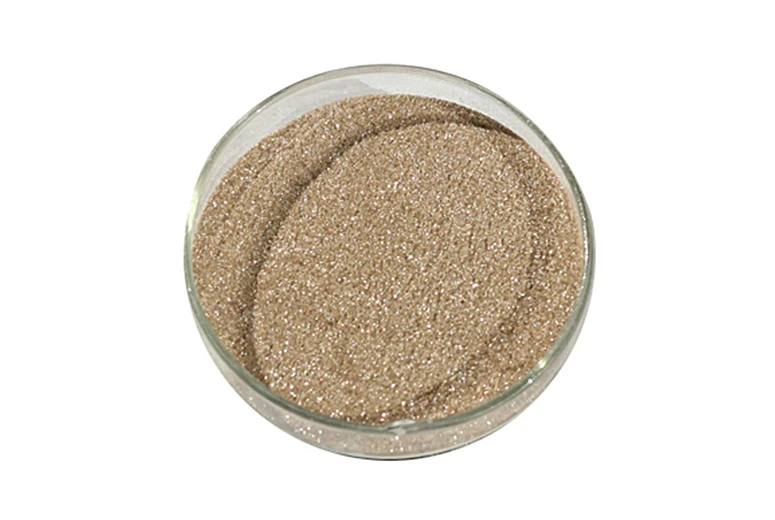
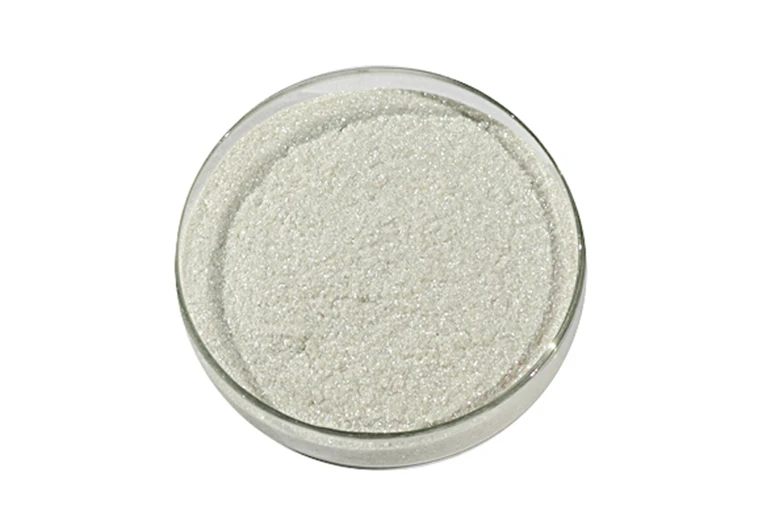
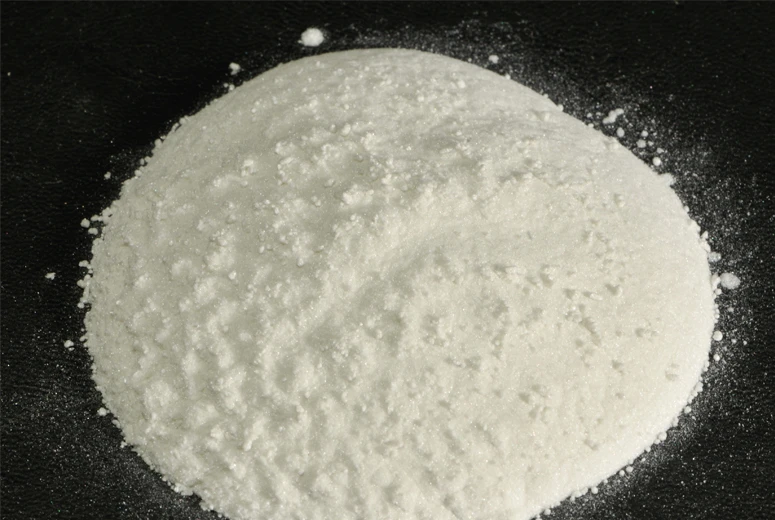
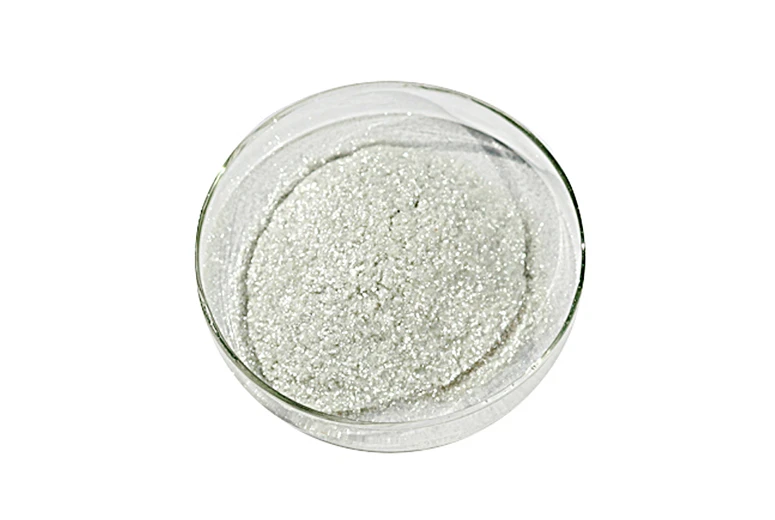
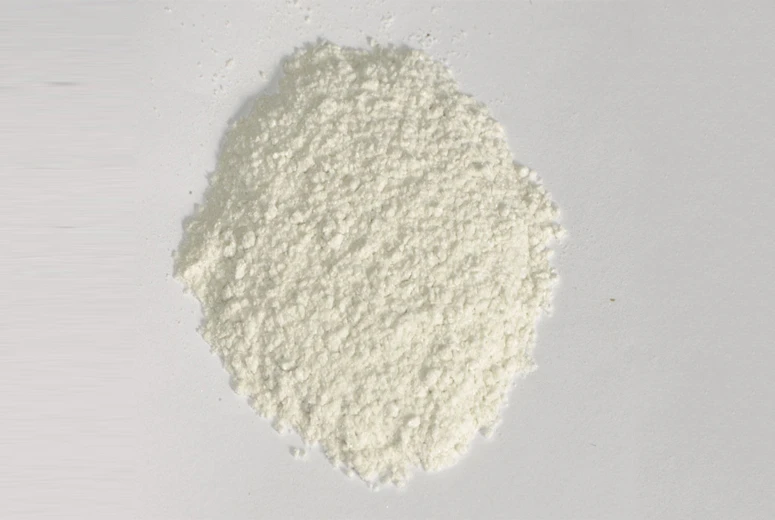
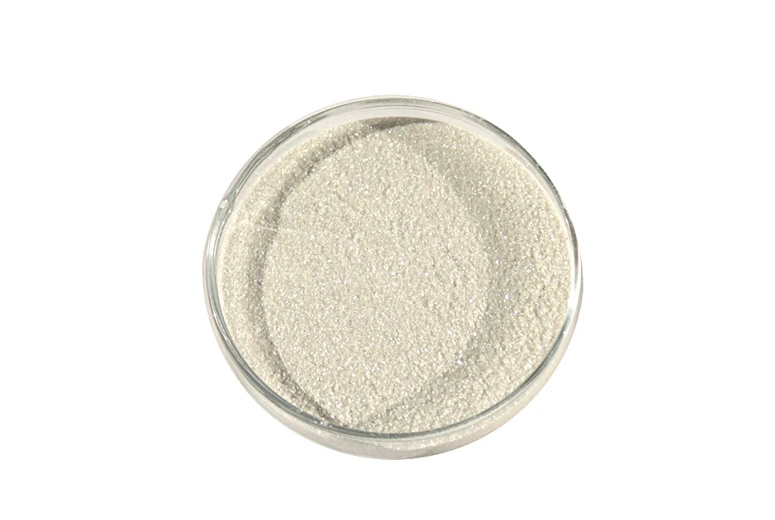
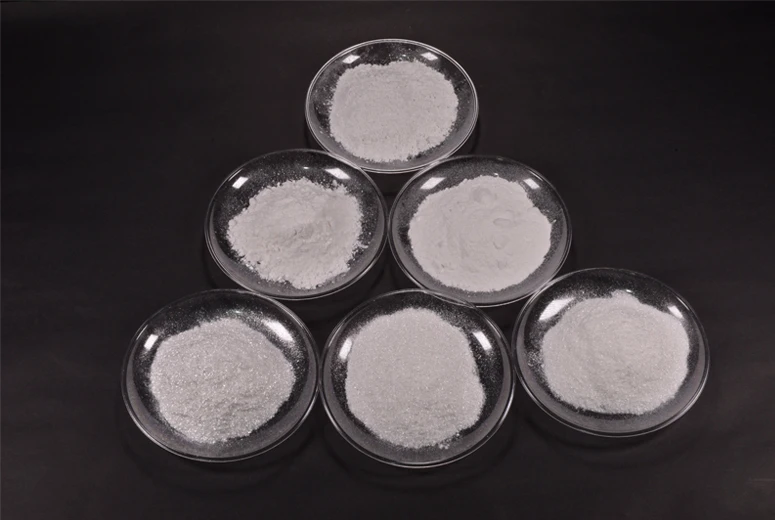
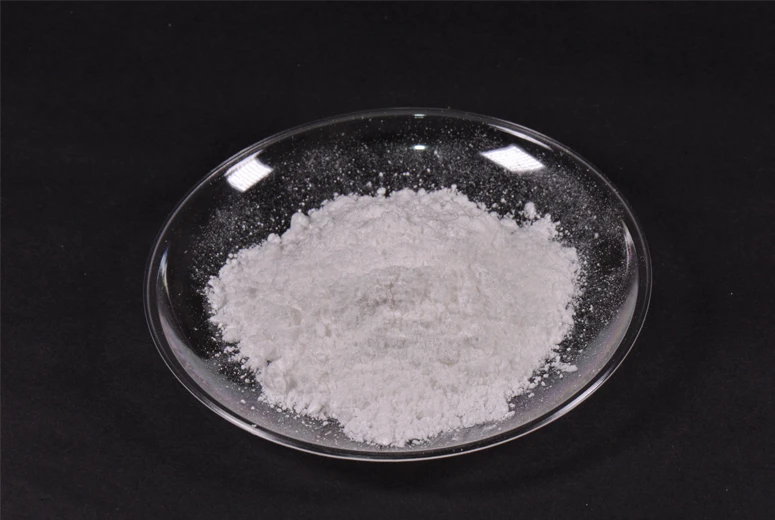
White Pearl Pigment is more than just a pigment; it’s a sophisticated additive that imparts a lustrous, shimmering white shine to materials, making them stand out with subtle iridescence. Its applications span a diverse range of industries from automotive paints and plastic injection molding to cosmetics and high-end packaging. The technical magic lies in its unique structure – typically made from coated mica platelets layered with titanium dioxide – which reflects and refracts light in a way that creates a pearlescent effect.
To get a bit technical, these pigments come with highly specified particle sizes, typically ranging from 5 to 40 microns, which affects the gloss and opacity. A well-known case study from automotive manufacturers shows that White Pearl Pigment helps reduce paint thickness without compromising appearance or durability – which, frankly, is a win for both cost-savings and performance.
| Specification | Details |
|---|---|
| Composition | Mica core coated with Titanium Dioxide |
| Average Particle Size | 5 - 40 microns |
| Opacity | Moderate to High |
| Heat Resistance | Up to 800°C |
| Moisture Stability | Excellent |
Benefits & Use Cases of White Pearl Pigment
The charm of White Pearl Pigment is how it compliments product appearance while enhancing durability. Industries such as automotive coatings rely on these pigments to create luxurious finishes that catch the eye — think of the stunning pearly sheen on premium vehicles that spans every contour in an almost hypnotic glow. It’s not just looks; these pigments improve scratch resistance and weathering properties, making them practical, not just pretty.
In plastics, especially for consumer goods, using White Pearl Pigment allows designers to achieve elegant, glossy finishes with minimal extra processing. You know how some products just feel “premium”? That’s often thanks to carefully chosen pigments, and pearl pigments play a big role in that. Cosmetics companies, too, love them for whitening creams and shimmering eye shadows that retain vibrancy and texture over time.
Interestingly, the pigments’ layered structure reflects multiple wavelengths of light, resulting in a dynamic color-shift that adds depth. This is a competitive advantage versus conventional colorants which tend to be flat. Besides aesthetics, their resistance to UV degradation means longer product lifecycles and happier end users.
Cost, Maintenance & User Experience
When diving into cost-effectiveness, White Pearl Pigment presents an interesting proposition. Its initial price per kilogram might be higher than standard pigments, but the total cost of ownership tends to be lower. Why? Because the pigment’s high opacity and coverage means you need less of it to achieve the desired effect. Additionally, its contribution to durability helps reduce maintenance or repainting frequency, which is critical in automotive or architectural applications.
Clients report that integrating White Pearl Pigment in production doesn’t significantly complicate handling — it disperses well in various binders and matrices, a nice plus for manufacturers juggling complex formulations. One long-term customer in the plastics sector noted how end products maintained a consistent pearly appearance even after months of UV exposure and mechanical stress, which frankly impressed their quality control teams.
Sustainability & Market Trends
Sustainability is increasingly a driving force behind material choices, and White Pearl Pigment producers have picked up on this trend. Many manufacturers, including those at HJMICA, are focusing on reducing environmental impact by sourcing mica responsibly and optimizing coating processes to minimize waste. Furthermore, regulatory pressures are nudging industries to adopt pigments that are free from heavy metals and hazardous chemicals.
Market research suggests a steady growth in demand for pearl pigments globally, fueled by rising consumer appetite for aesthetically pleasing yet eco-conscious products. Oddly enough, some sectors like cosmetics are pioneering recyclable packaging combined with pearlescent pigments in a bid to balance luxury with responsibility.
| Vendor | Particle Size Range (μm) | Heat Resistance (°C) | Sustainability Certifications | Typical Applications |
|---|---|---|---|---|
| HJMICA | 5 - 40 | 800 | REACH, ISO 14001 | Coatings, Plastics, Cosmetics |
| Vendor B | 10 - 35 | 750 | REACH | Automotive, Paints |
| Vendor C | 7 - 45 | 780 | None | Packaging, Cosmetics |
Frequently Asked Questions about White Pearl Pigment
- What is White Pearl Pigment and how does it work?
- Simply put, White Pearl Pigment is a finely milled material that imparts a shimmering white gloss by reflecting light through its layered mica and titanium dioxide structure. It works by scattering light, creating a pearl-like iridescence that standard pigments can’t replicate.
- What are the main benefits of using White Pearl Pigment in industrial applications?
- Key benefits include outstanding aesthetic appeal, high durability under weathering and UV exposure, excellent dispersibility in different media, and overall cost efficiency due to lower required dosages compared to traditional pigments.
- How does White Pearl Pigment compare to traditional alternatives?
- Unlike flat white pigments such as titanium dioxide alone, White Pearl Pigment offers multi-dimensional shimmer and greater visual depth. It also improves surface hardness and fog resistance, something traditional pigments typically don’t provide.
- What industries can benefit most from White Pearl Pigment implementation?
- Primary sectors include automotive paint manufacturers, plastic goods producers, cosmetic formulators, and premium packaging businesses — essentially any industry where visual impact coupled with durability matters.
Conclusion on White Pearl Pigment from China
To wrap it up, White Pearl Pigment from trusted suppliers like HJMICA offers an excellent blend of aesthetic allure, durability, and sustainability. It’s a smart choice for B2B decision makers looking to improve product appeal without sacrificing performance or cost-efficiency. Whether you’re in automotive coatings, plastics, or cosmetics, these pigments really do add that extra touch of brilliance.
- Recap the value of White Pearl Pigment.
- - Visit our website: https://www.hjmica.com
It feels like this pigment is not just about color — it's about experience, perception, and product longevity. In real terms, choosing the right pigment supplier can make all the difference.
References:
- Automotive Paint Coatings Journal, 2022
- Materials Science Reports on Pearl Pigments, 2023
- HJMICA Sustainability & Product Data Sheet, 2024
-
Ultimate Guide to Using High Quality Pearl Paint Pigment for LusterNewsApr.16,2026
-
Elevating Automotive Aesthetics with Mica Powder Car PaintNewsApr.09,2026
-
Unlock Stunning Effects with Mica Powder for Paint ApplicationsNewsApr.07,2026
-
Comprehensive Guide to Mica Dye Powder Applications and BenefitsNewsApr.04,2026
-
Unlocking the Brilliance of Mica Pigment Paint for Diverse ApplicationsNewsMar.31,2026
-
Enhancing Concrete Performance with Durable Mica Chips for Concrete ApplicationsNewsMar.28,2026