
Automotive Mica Powder: Performance & Applications
Jan . 24, 2026 17:55
Back to list
Automotive Mica Powder: Performance & Applications
Understanding Automotive Mica Powder: Beyond the Sparkle
You know, I’ve spent a good chunk of my career working with industrial materials – everything from high-temp alloys to specialized polymers. And honestly, mica powder… it often gets overlooked. People think “cosmetics” or “crafts,” but the automotive industry? That’s a surprisingly huge consumer. It's not just about aesthetics anymore, although the finish is important. It's about performance, durability, and increasingly, sustainability. We’re seeing a real shift towards using these materials in innovative ways – it’s kind of fascinating, actually. It's gone way beyond simply adding shimmer to paint jobs.Product Specifications & Performance
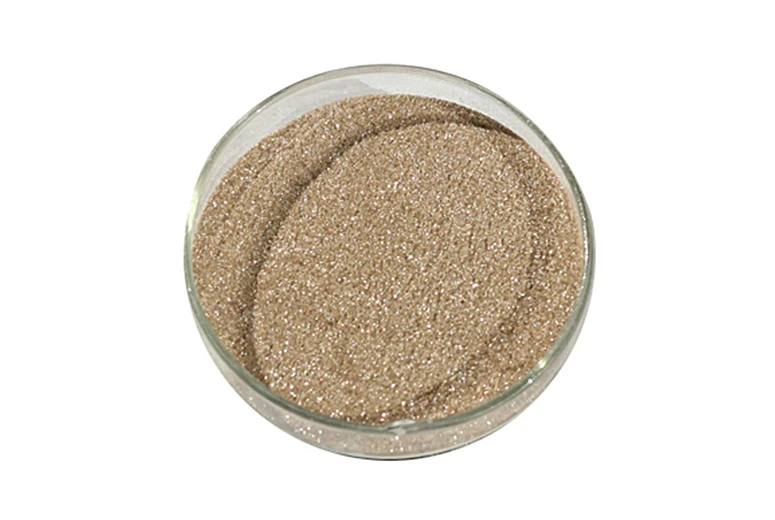
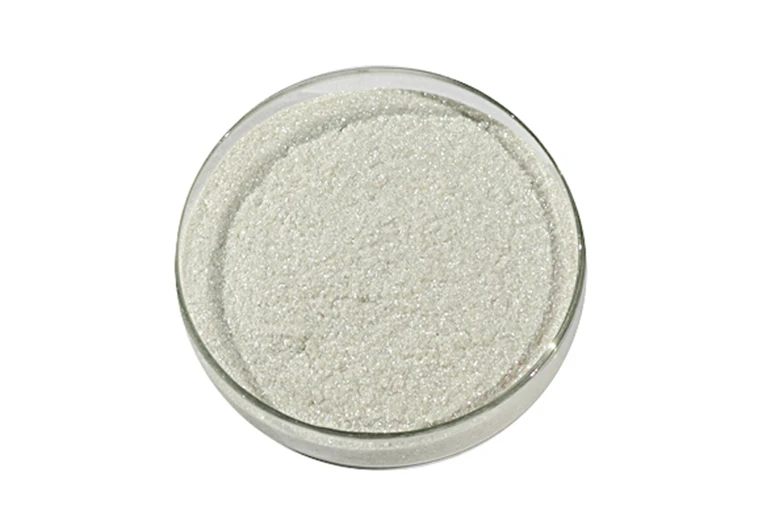
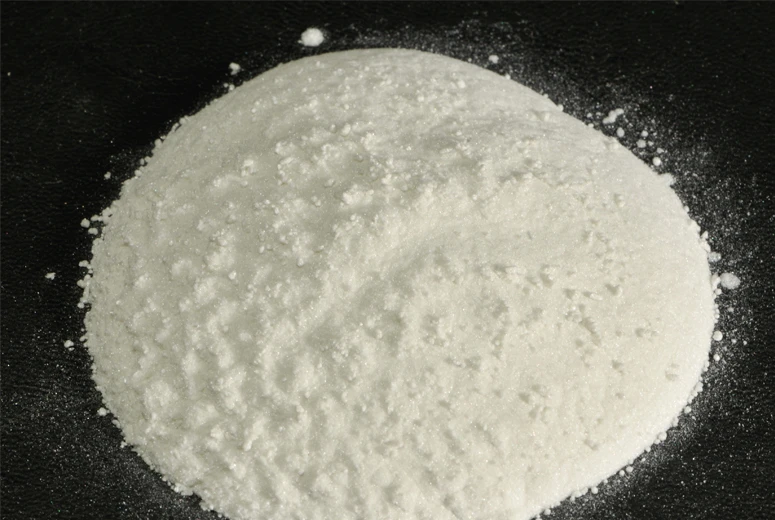
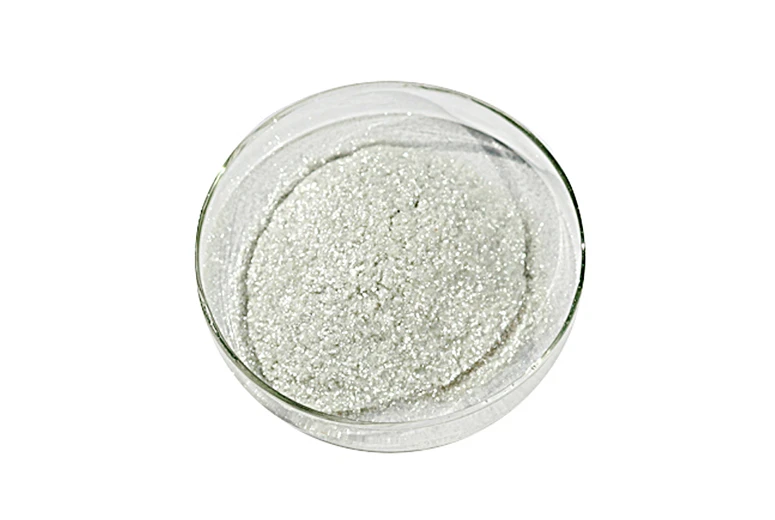
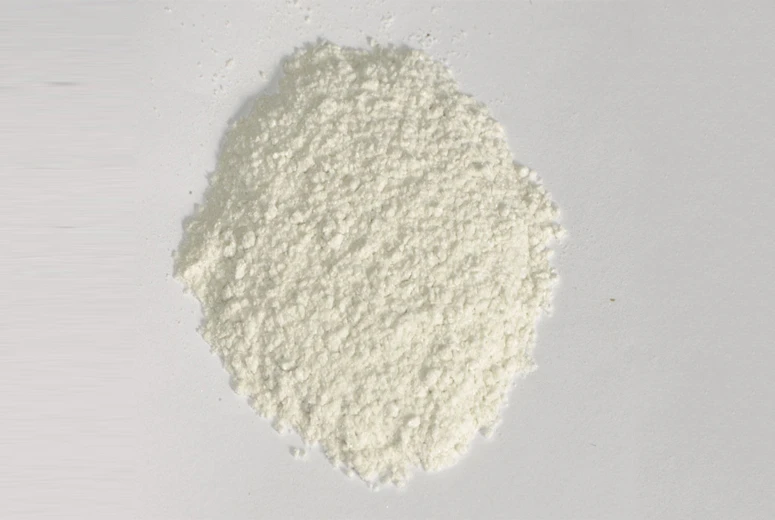
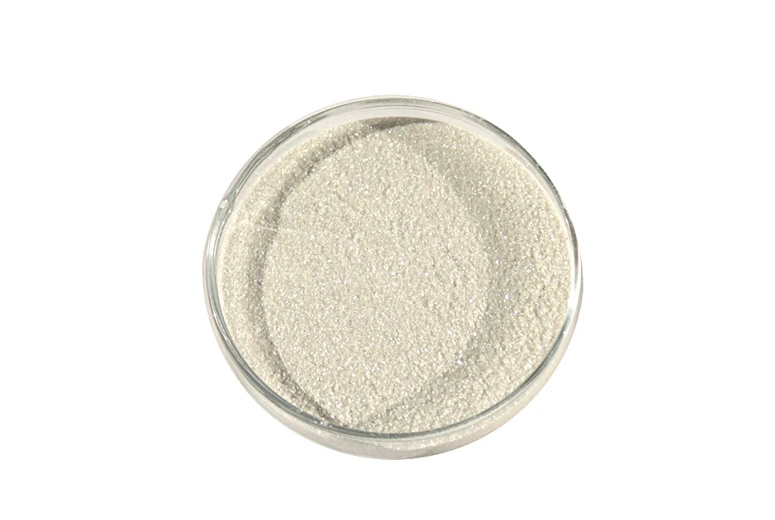
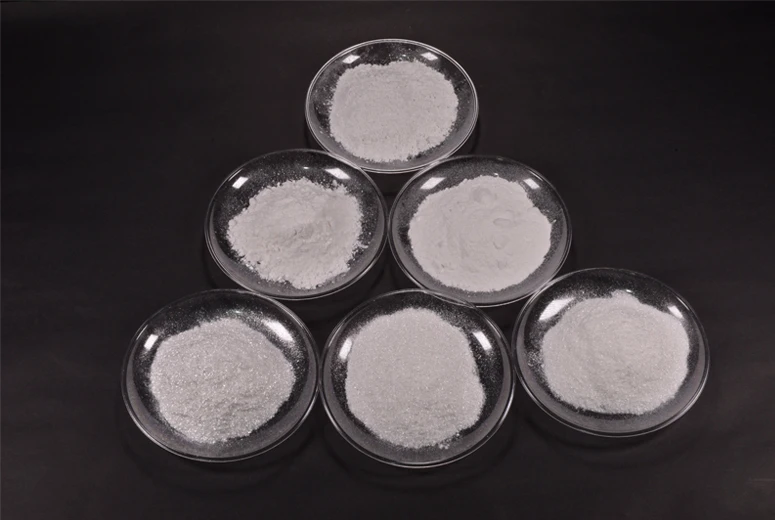
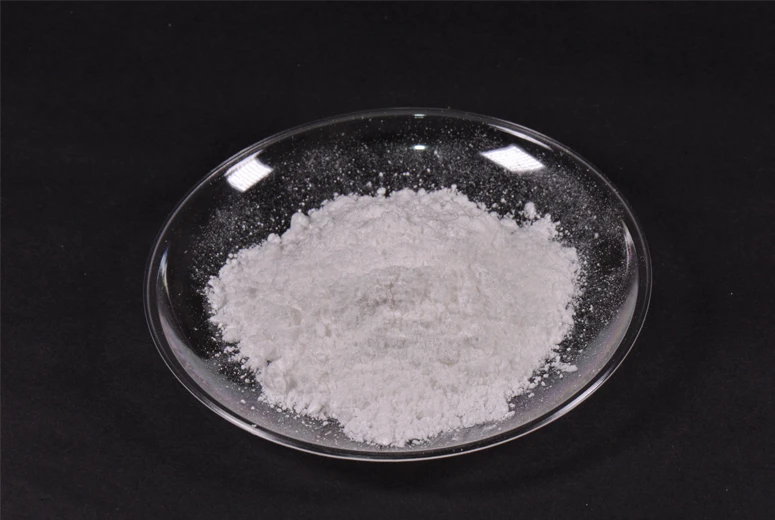
Automotive mica powder isn’t a single thing, of course. There's a vast range of particle sizes, colors, and treatments. But broadly, we’re talking about layered silicate minerals – essentially, very thin, flexible sheets. This structure is key. It gives mica its incredible resistance to heat, chemicals, and UV degradation. Frankly, that’s why it's such a workhorse in under-the-hood applications. It’s used in everything from brake linings to coatings for wiring harnesses. I suppose it's not the sexiest material, but it's incredibly reliable. Here’s a breakdown of some typical specs:| Property | Specification | Test Method |
|---|---|---|
| Particle Size | 5-15 μm (typical) | Laser Diffraction |
| Bulk Density | 0.6 - 0.8 g/cm³ | ASTM D854 |
| Moisture Content | Karl Fischer Titration | |
| Chemical Resistance | Excellent to most acids & alkalis | Immersion Testing |
Vendor Landscape & Key Considerations
Now, choosing a supplier is…well, it's complicated. Quality varies enormously. You want consistent particle size, low impurity levels, and a supplier who can actually guarantee traceability. Oddly enough, that last point is often overlooked. I remember one case where a batch of mica powder caused a whole production line to halt – it turned out a minor contaminant was interfering with the paint curing process. Here's a quick comparison of a few vendors I've worked with:| Vendor | Quality | Price | Lead Time |
|---|---|---|---|
| HJ Mica https://www.hjmica.com | Excellent | Moderate | 2-3 weeks |
| Summit Industrial | Good | Low | 4-6 weeks |
| Global Minerals Corp. | Variable | High | 1-2 weeks |
Looking Ahead: Customization and Trends
Many engineers say they're looking for customized particle size distributions to optimize specific coating properties. And it’s not just about color. We're seeing increasing demand for surface-treated mica powders – things like silane coatings to improve adhesion and corrosion resistance. I was talking to a coatings engineer at a Tier 1 supplier last month, and he mentioned a project where they were using mica powder as a functional filler to reduce the weight of composite body panels. It's these kinds of applications, you know, the ones that really push the boundaries… those are the exciting ones. One customer I worked with, a small specialty vehicle manufacturer, actually used a unique blend of mica to create a heat shield that significantly improved the efficiency of their exhaust system. It was a small change, but it made a real difference. Ultimately, automotive mica powder is a deceptively versatile material. It's a quiet performer, often hidden from view, but absolutely critical to the performance and longevity of modern vehicles.Latest news
-
Ultimate Guide to Using High Quality Pearl Paint Pigment for LusterNewsApr.16,2026
-
Elevating Automotive Aesthetics with Mica Powder Car PaintNewsApr.09,2026
-
Unlock Stunning Effects with Mica Powder for Paint ApplicationsNewsApr.07,2026
-
Comprehensive Guide to Mica Dye Powder Applications and BenefitsNewsApr.04,2026
-
Unlocking the Brilliance of Mica Pigment Paint for Diverse ApplicationsNewsMar.31,2026
-
Enhancing Concrete Performance with Durable Mica Chips for Concrete ApplicationsNewsMar.28,2026