
Calcined Mica – High-Purity, Heat-Stable Insulating Filler
Calcined Mica F-60: a practical, field-tested look
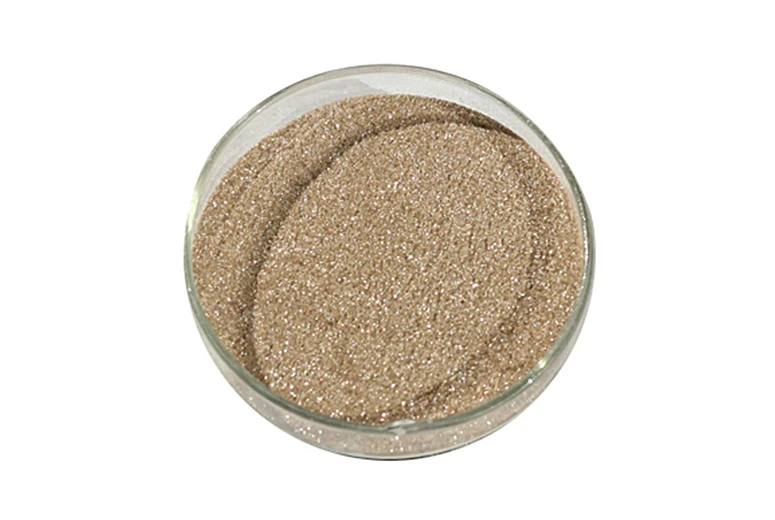
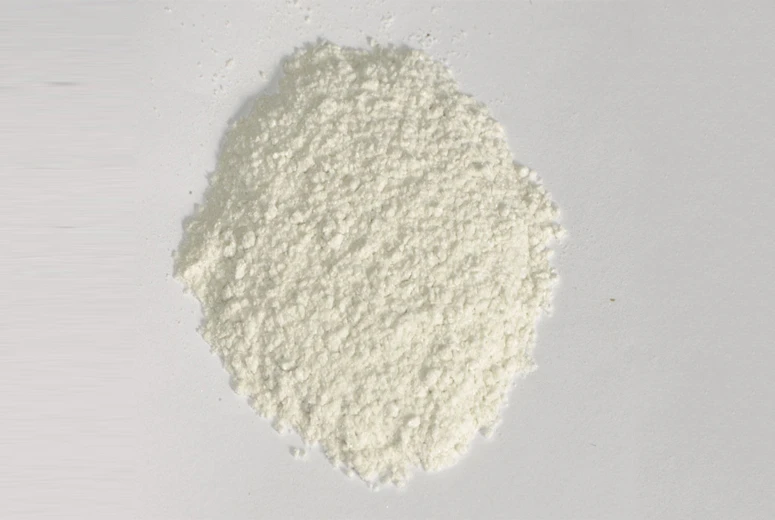
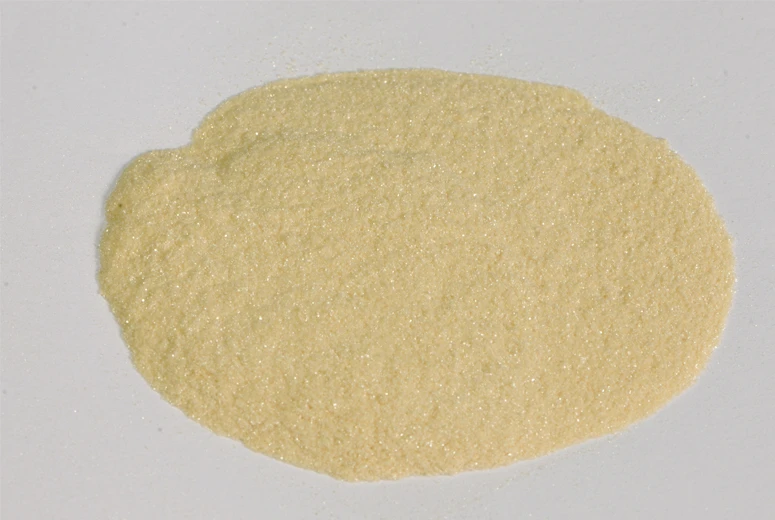
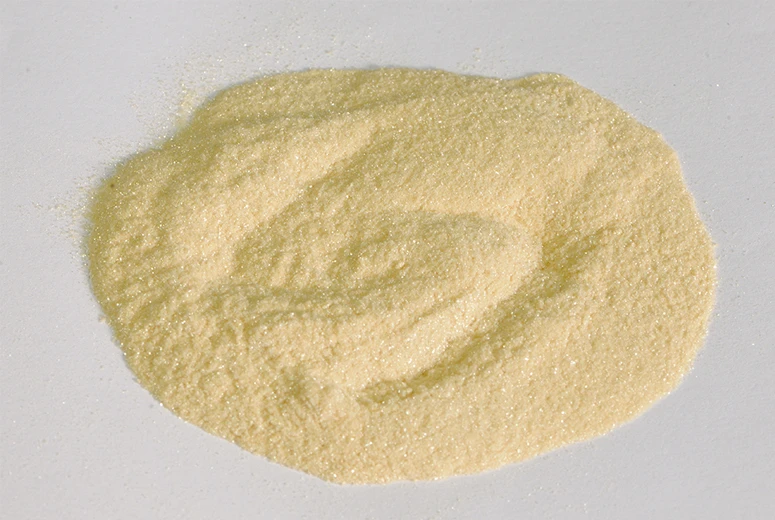
If you work in insulation, coatings, or friction materials, you’ve likely heard of Calcined Mica F-60. Produced in Xujiatuan, Ciyu Town, Lingshou County, Shijiazhuang, Hebei, this light‑yellow mineral filler is roasted at 800–1000°C for 36–48 hours, naturally cooled, and screened. In plain English: the moisture is driven out, the platelets get more stable, and processing gets easier. Many customers say the consistency shows up in fewer defects down the line.
What it is and why it matters
After calcination, Calcined Mica loses bound water and gains thermal stability. In fact, the lamellar structure remains, which is key for barrier properties in coatings and for friction stability in brake pads. It sounds simple, but the roasting curve, dwell time, and cooling rate make or break real‑world performance—especially moisture content and ion cleanliness (both affect electrical and corrosion behavior).
Process flow (shop-floor reality)
- Raw material selection: special‑grade mica, low iron preferred.
- Roasting: 800–1000°C for 36–48 h, controlled atmosphere to avoid over‑oxidation.
- Natural cooling: mitigates microcracking; yes, it’s slower, but more stable.
- Screening: F‑60 grading (≈60 mesh); dust removal for better dispersion.
- QC testing: moisture, particle size distribution, acidity/alkalinity, and contaminant check.
Typical specifications (F‑60)
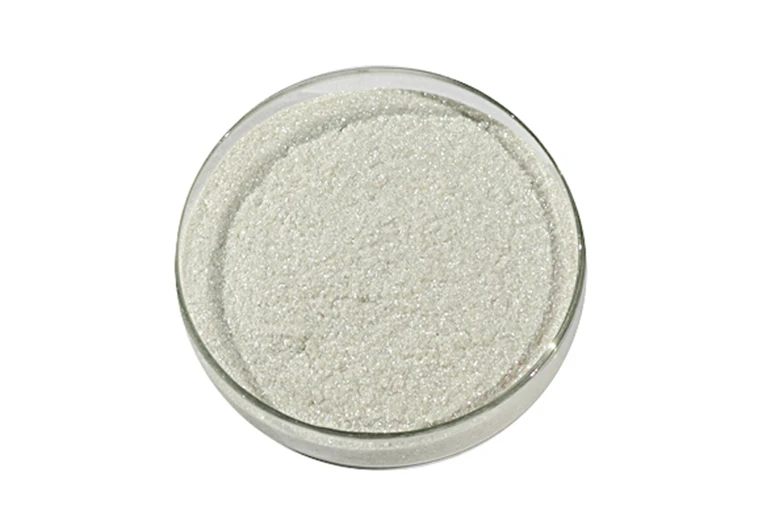
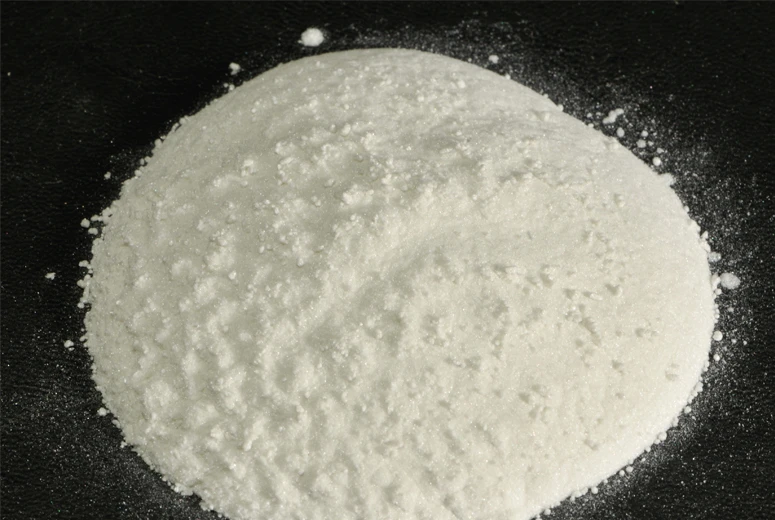
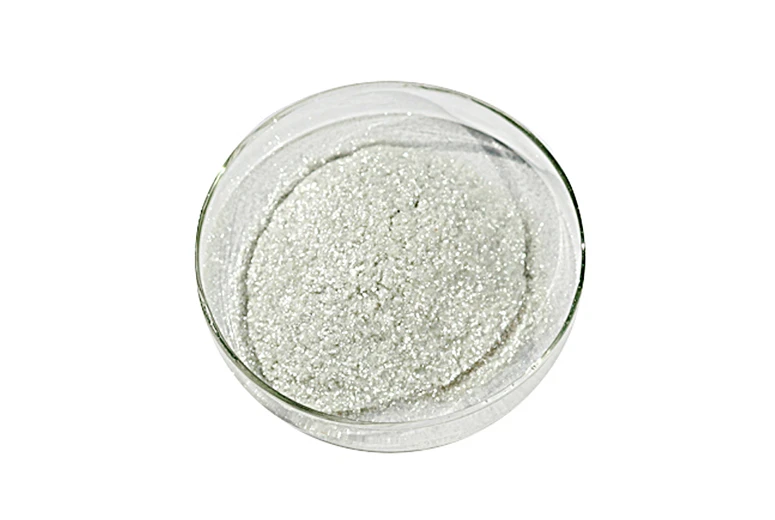
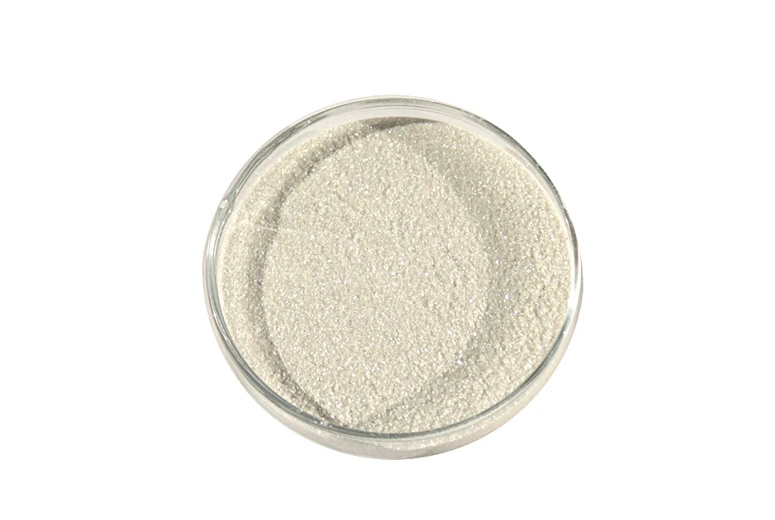
| Appearance | Light yellow, flaky powder |
| Particle size | Around 60 mesh (≈250 μm), ≥90% pass |
| Moisture (105°C) | ≤0.5% (real‑world use may vary) |
| LOI (1000°C) | ≈0.2–0.5% |
| pH (10% slurry) | 7–9 |
| Bulk density | ≈0.6–0.8 g/cm³ |
| Dielectric constant (in epoxy) | ≈6–7 at 1 kHz |
| Service temperature | Up to ≈600°C in composites; powder stable at higher |
Testing references commonly used in the field: ASTM D149 (dielectric strength, for composites), ASTM D570 (water absorption), ASTM D792 (density), and IEC 60371 (mica‑based materials).
Where it’s used (and why)
- Electrical insulation: motor slot liners, commutators, heaters—Calcined Mica supports arc resistance.
- Friction materials: automotive brake pads, clutches—stable μ and better NVH, in my experience.
- Coatings & inks: barrier to moisture/CO₂, reduced blistering; smooth feel with low oil absorption.
- Plastics & rubber: dimensional stability, thermal resistance.
- Welding rods, foundry coatings: heat shielding and release behavior.
Advantages I keep seeing
Lower moisture cuts porosity; layered particles boost barrier and thermal stability; electrical properties hold up better at temperature. Customers tell me defects drop when switching from non‑calcined grades—especially blistering in powder coatings.
Vendor comparison (quick reality check)
| Criteria | HJ Mica F‑60 | Vendor A | Vendor B |
|---|---|---|---|
| Moisture control | Typically ≤0.5% | ≈0.8–1.0% | ≈0.6–0.9% |
| Particle uniformity | Tight F‑60 screening | Mixed fines | Moderate |
| Certifications | ISO 9001; RoHS/REACH statements | ISO 9001 only | None stated |
| Lead time | ≈2–3 weeks | ≈3–5 weeks | Varies |
Customization & quality
Custom cuts (F‑40 to F‑200), surface treatments for resin affinity, and low‑iron selections are common requests. Typical QA includes PSD by sieving/laser, moisture at 105°C, and composite dielectric checks per ASTM D149. Service life depends on the host matrix; in epoxy/glass laminates, I’ve seen stable performance for 10+ years in indoor duty.
Two quick case notes
- Powder coating plant: swapping to Calcined Mica cut pinhole defects by ≈30% and reduced bake‑blister callbacks. Not flashy, just fewer headaches.
- Brake pad maker: F‑60 replaced part of a talc/silica blend; dynamometer tests showed steadier μ and ≈8% NVH improvement across hot cycles.
Compliance and documentation: look for ISO 9001, IEC 60371 alignment for mica materials, and material declarations for RoHS and REACH. It seems basic, but auditors will ask.
Standards & references
- ASTM D149 – Standard Test Method for Dielectric Breakdown Voltage.
- ASTM D570 – Water Absorption of Plastics.
- ASTM D792 – Density and Specific Gravity of Plastics by Displacement.
- IEC 60371 – Specification for Insulating Materials Based on Mica.
- ISO 9001 – Quality Management Systems.
- EU RoHS Directive 2011/65/EU; REACH Regulation (EC) No 1907/2006.
Sources: [1] https://www.astm.org/standards/d149, [2] https://www.astm.org/standards/d570, [3] https://www.astm.org/standards/d792, [4] https://webstore.iec.ch/publication/2630, [5] https://www.iso.org/standard/62085.html, [6] https://environment.ec.europa.eu/topics/waste-and-recycling/rohs-directive_en; https://echa.europa.eu/regulations/reach
-
Ultimate Guide to Using High Quality Pearl Paint Pigment for LusterNewsApr.16,2026
-
Elevating Automotive Aesthetics with Mica Powder Car PaintNewsApr.09,2026
-
Unlock Stunning Effects with Mica Powder for Paint ApplicationsNewsApr.07,2026
-
Comprehensive Guide to Mica Dye Powder Applications and BenefitsNewsApr.04,2026
-
Unlocking the Brilliance of Mica Pigment Paint for Diverse ApplicationsNewsMar.31,2026
-
Enhancing Concrete Performance with Durable Mica Chips for Concrete ApplicationsNewsMar.28,2026