
Calcined Mica: High-Heat Stability, Pure, Low-Iron Insulator
Industry Notes on Calcined Mica F-60
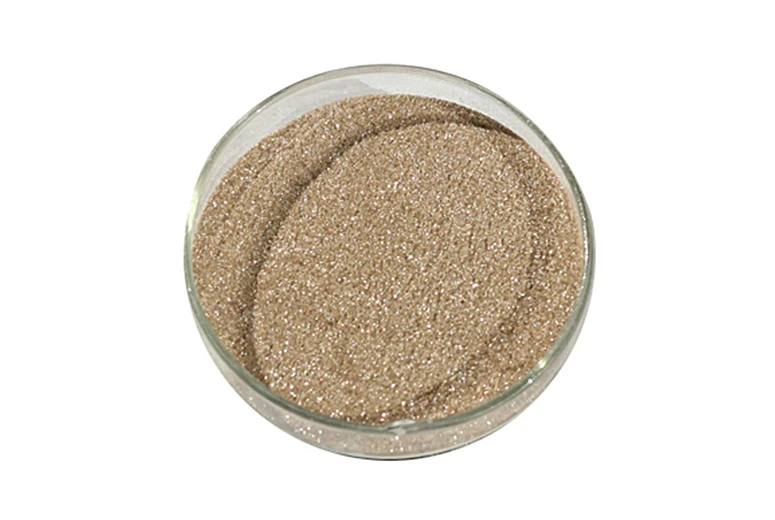
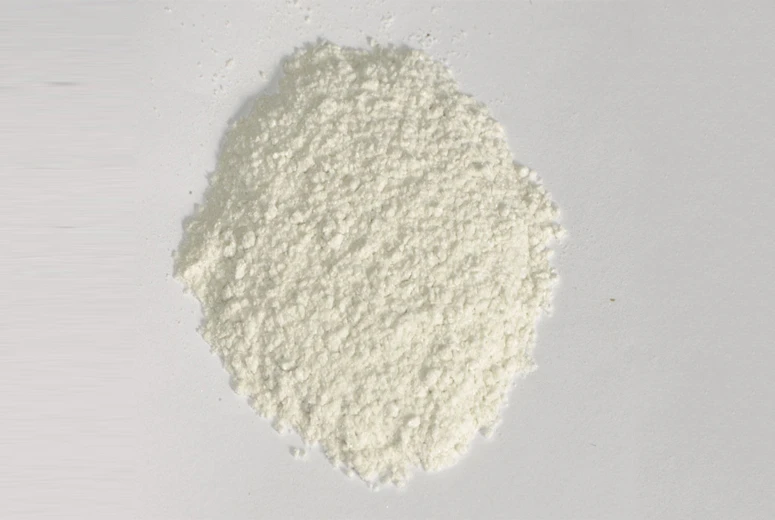
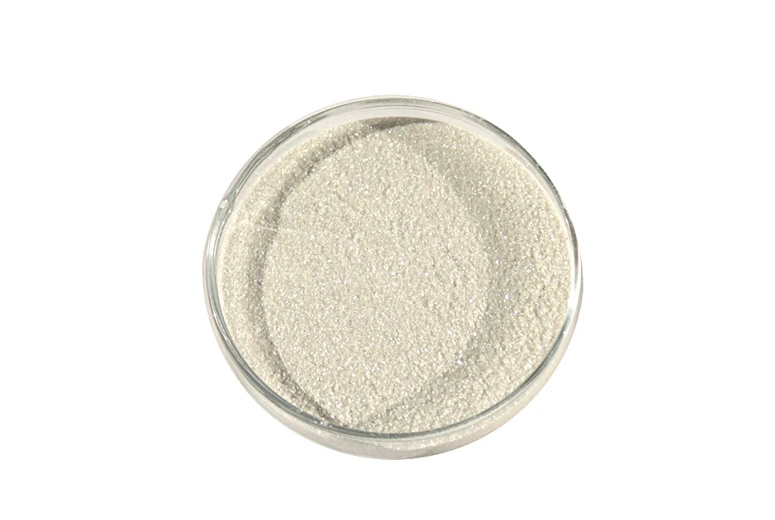
I’ve visited a lot of mineral processors over the years, and—honestly—very few are as meticulous as the teams handling Calcined Mica in Northern China. This F-60 grade comes out of Xujiatuan, Ciyu Town, Lingshou County, Shijiazhuang, Hebei Province. Light-yellow, low-moisture, and surprisingly consistent. Many customers say it “just behaves” in their coatings and polymer lines, which sounds casual, but reliability is a big deal on a Monday morning when you’re chasing viscosity targets.
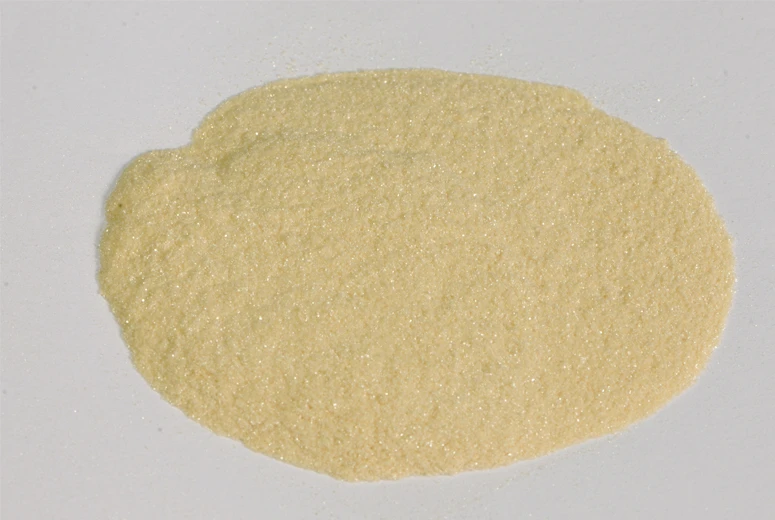
How it’s made (and why it matters)
Selected special mica ore is roasted at 800–1000°C for 36–48 hours, then naturally cooled and screened. The calcination drives off bound moisture and volatile organics, increases rigidity, and minimizes shrink-swell behavior. In practice, that translates to steadier film build in anti-corrosive paints, better dimensional stability in rubber/plastics, and a nice dielectric boost in electrical laminates. To be honest, the long soak time is what catches my eye; it’s not a corner-cutting recipe.
Typical process flow
-
- Ore selection → crushing → calcination (800–1000°C, 36–48 h) → natural cooling → multi-stage screening (ISO 3310) → dust control → QC lab tests (moisture, LOI, sieve, dielectric sampling).
Calcined Mica is tested against moisture (ASTM C566), sieve distribution (ISO 3310), and dielectric breakdown on compacted samples (ASTM D149). Real-world use may vary, but the lab numbers track well on most lines I’ve seen.
Application snapshots
-
- Anti-corrosive marine and tank linings (mica platelets build barrier paths; salt-spray per ASTM B117).
- Electrical insulation fillers, mica tapes, and resin-rich laminates (motors, generators).
- Thermoset and thermoplastic reinforcement (warpage control, abrasion resistance).
- Welding electrodes flux, asphalt shingles, and specialty friction materials.
Product specifications (F-60)
| Grade | F-60 (Calcined Mica) |
| Appearance | Light-yellow flakes/powder |
| Particle size | ≈60 mesh; ≥90% passing (ISO 3310) |
| Moisture | ≤0.5% (ASTM C566) |
| Loss on ignition | ≤1.5% @ 800°C (ASTM D7348) |
| pH (slurry) | 7.0–8.5 |
| Thermal service | Continuous ≈600°C; peaks to 800°C |
| Bulk density | 0.25–0.35 g/cm³ |
| Origin | Xujiatuan, Ciyu Town, Lingshou, Shijiazhuang, Hebei, China |
| Packaging | 25 kg bags or 1 t super sacks |
Vendor comparison (abbreviated)
| Parameter | F-60 (this article) | Vendor A (imported) | Vendor B (local) |
|---|---|---|---|
| Moisture | ≤0.5% | ≈0.8% | ≈1.0% |
| Mesh uniformity | High (≥90% pass) | Medium | Medium–Low |
| REACH/RoHS | Compliant | Claimed | Varies |
| Lead time | 7–15 days | 20–30 days | 10–20 days |
Customization: mesh tailoring (40–100), silane or titanate surface treatment for polymers, color sorting, and low-iron picks for lighter coatings. Certifications: ISO 9001, REACH SVHC-free, RoHS compliant. Typical service life uplift reported by customers: +15–30% in barrier coatings, assuming proper resin ratio and cure schedule.
Field notes and case data
-
- Marine epoxy, APAC yard: 5% Calcined Mica in primer boosted salt-spray from 480 h to ≈720 h (ASTM B117), with no sag at 120 µm DFT.
- Motor repair shop, EU: mica-filled resin tapes saw ~20% longer insulation life over 18 months; dielectric checks tracked with ASTM D149 sampling.
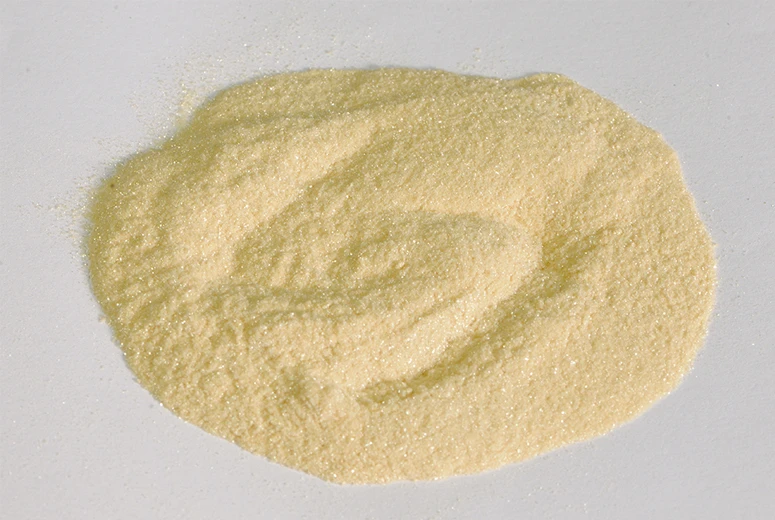
If you’re qualifying Calcined Mica F-60, ask for the latest COA with moisture, LOI, sieve curve, and a compliance pack (RoHS/REACH). Also, request a 10 kg pilot bag—real-world mixing energy and resin choice can nudge outcomes. It seems straightforward, but small rheology tweaks save headaches.
Standards referenced
- IEC 60371: Mica-based materials for electrical insulation.
- ASTM D149: Dielectric Breakdown Voltage and Dielectric Strength.
- ISO 3310: Test sieves—technical requirements for test sieves.
- ASTM C566: Total Evaporable Moisture Content by Drying.
- EU REACH Regulation (EC) No 1907/2006 and RoHS 2011/65/EU.
- ISO 9001: Quality management systems.
-
Ultimate Guide to Using High Quality Pearl Paint Pigment for LusterNewsApr.16,2026
-
Elevating Automotive Aesthetics with Mica Powder Car PaintNewsApr.09,2026
-
Unlock Stunning Effects with Mica Powder for Paint ApplicationsNewsApr.07,2026
-
Comprehensive Guide to Mica Dye Powder Applications and BenefitsNewsApr.04,2026
-
Unlocking the Brilliance of Mica Pigment Paint for Diverse ApplicationsNewsMar.31,2026
-
Enhancing Concrete Performance with Durable Mica Chips for Concrete ApplicationsNewsMar.28,2026