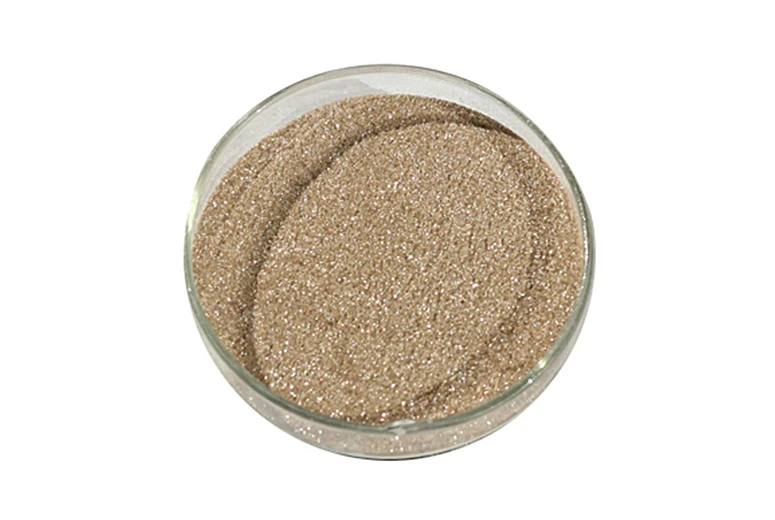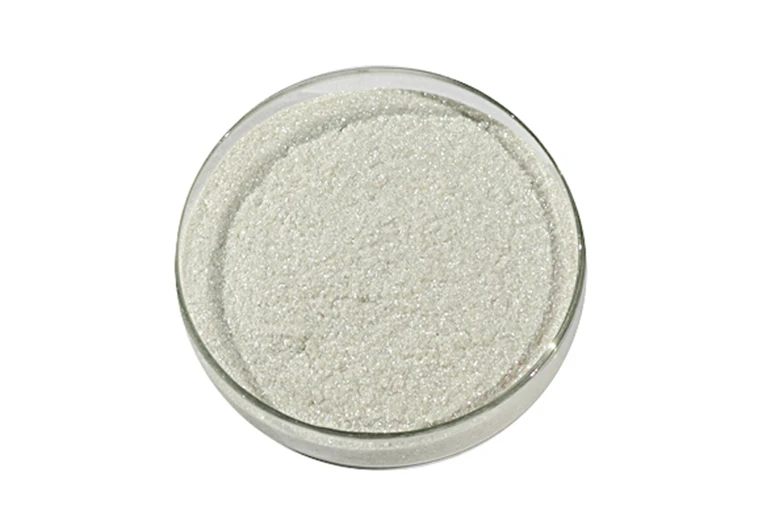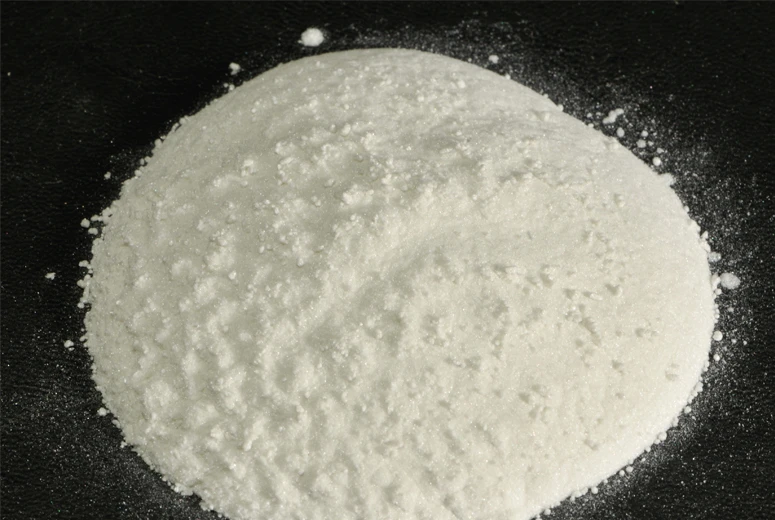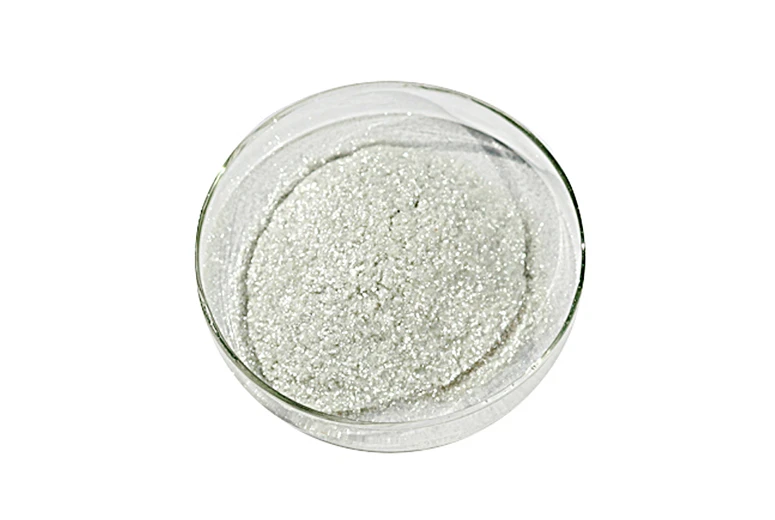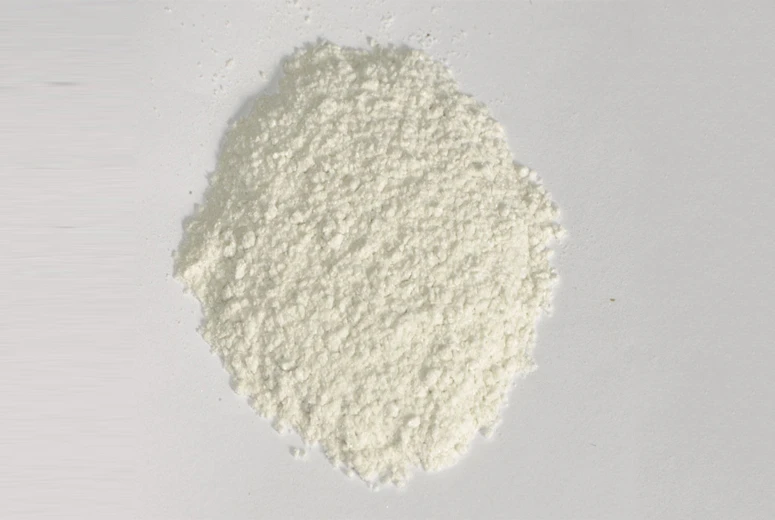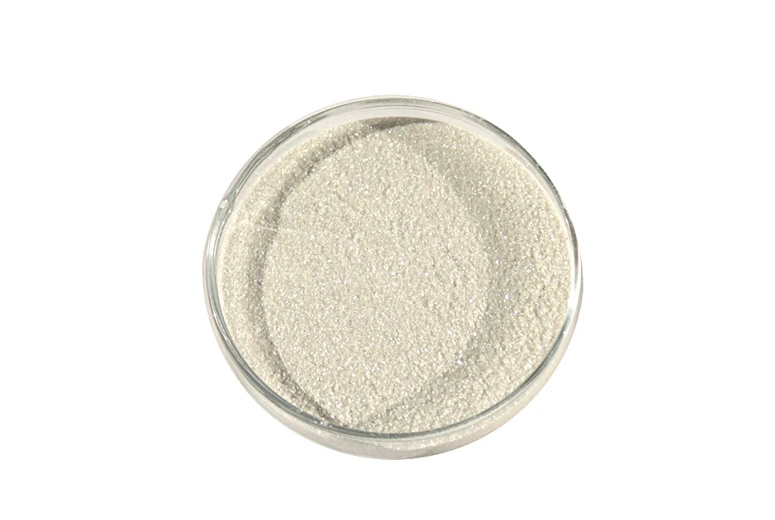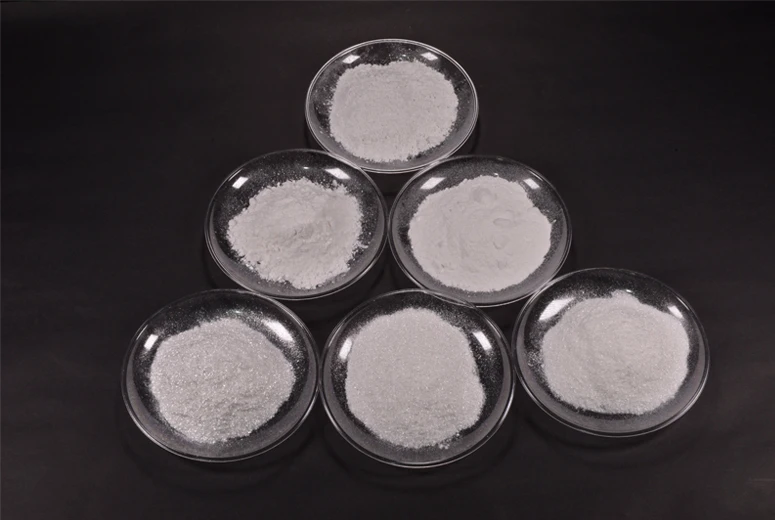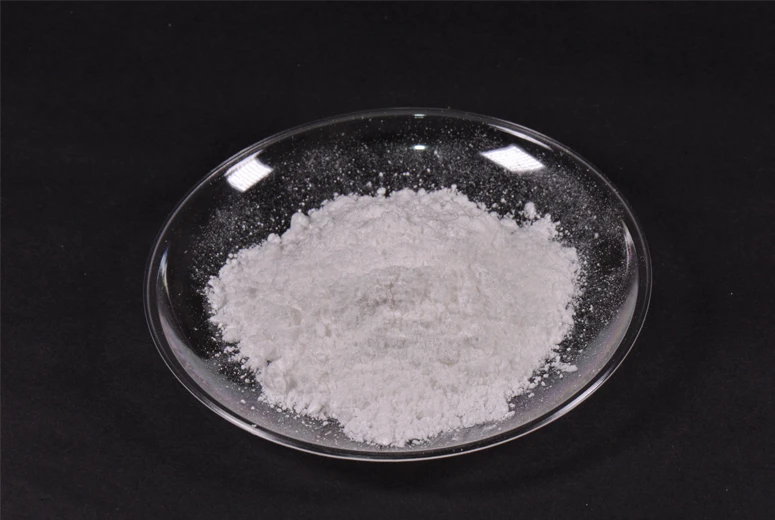

60-D Muscovite High-Purity Mica for Coatings & Plastics
Field Notes From Lingshou: Why 60-D Muscovite Is Back on Every Spec Sheet
I’ve been walking plants long enough to know when a filler becomes a quiet hero. In coatings, plastics, and friction materials, 60-D Muscovite—a lamellar silicate from Xujiatuan, Ciyu Town, Lingshou County (Shijiazhuang, Hebei)—is getting that kind of buzz again. The story is simple: consistent mineralogy, clean processing, and paperwork that satisfies even the strictest buyers. Non‑Indian origin, no child labor, and yes, the site holds emission permits; dust and noise metrics meet domestic environmental requirements. That’s not marketing fluff; it’s increasingly a purchase requirement.
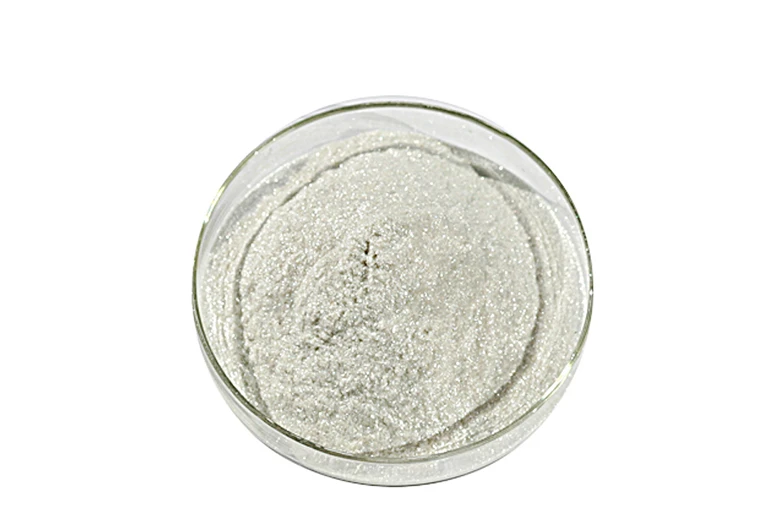
What Industry People Are Asking For
Trends are clear: formulators want plate-like particles for barrier performance, stable whiteness for tint efficiency, and dependable REACH/RoHS documentation. Many customers say 60-D Muscovite gives a better “stacking effect” in films than talc, improving water vapor and ion diffusion resistance. In plastics, the stiffness-per-phr is solid; in friction, the thermal stability is, frankly, hard to beat.
Typical Applications
- Industrial and marine coatings (anticorrosive primers, roof coatings)
- PP/PVC compounds and engineering plastics
- Rubber goods and gaskets
- Friction materials (brake pads, clutches)
- Welding electrodes and drilling fluids
Process Flow (How It’s Made, Briefly)
60-D Muscovite uses selected muscovite ore from Lingshou. The flow is: ore selection → wind separation to remove gangue and iron → dry grinding (controlled energy input) → magnetic de‑ironing → screening and QA. Real-world use may vary, but this sequence reliably preserves lamellarity.
Testing & Standards
Routine QC includes laser diffraction particle sizing, ISO 787 moisture/pH/oil absorption, whiteness by ISO method, and LOI at 1000°C. Conformance is aligned with ISO 3262-19 for muscovite extenders. Compliance docs: REACH (no SVHC), RoHS, and factory ISO 9001—ask for the current certificates in your RFQ.
| Property | Typical Value (≈) | Method |
|---|---|---|
| Particle size D50 | ≈ 60–90 μm | Laser diffraction |
| Whiteness (ISO) | ≈ 75–85 | ISO method |
| Moisture | ≤ 0.5% | ISO 787‑2 |
| pH (10% slurry) | ≈ 7.0–9.0 | ISO 787‑9 |
| LOI @1000°C | ≈ 4–5.5% | Gravimetric |
| Chemistry (major) | SiO2 ≈ 45–50%, Al2O3 ≈ 30–36%, K2O ≈ 8–11% | XRF |
Performance & Service Life
In primers, users report longer chalking intervals and better edge retention; one marine shop saw salt spray hours improve ≈20–30% vs. talc-heavy control (internal test, n≈3 panels). In roof coatings, field feedback suggests 1–3 years extra service life due to improved barrier stack—your mileage will vary with binder/PVC.
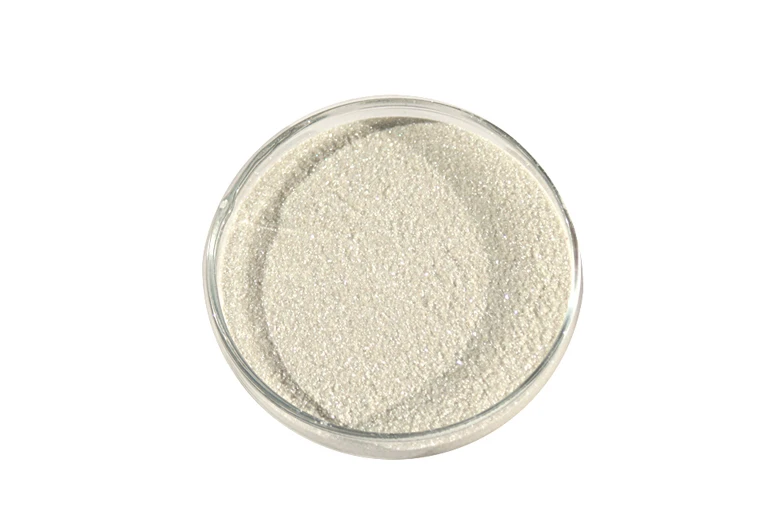
Vendor Landscape (What Buyers Compare)
| Vendor | Origin & Ethics | Docs/Certs | Lead Time | Notes |
|---|---|---|---|---|
| HJ Mica (Lingshou) | China; no child labor; emission permits | ISO 9001, REACH, RoHS | ≈ 7–15 days | Stable color/PSD; scalable output |
| Generic Indian Supplier | India; verify ethical sourcing | Varies; check audits | ≈ 15–30 days | Good lamellarity; supply variance possible |
| Trading House (Mixed) | Multi-origin | Depends on source | Stock dependent | Convenient, but spec drift risk |
Customization & Packaging
Available custom cuts (tight D90 control), silane surface treatment for polyolefins, and color sorting for high-whiteness lots. Packing: 25 kg PE-lined bags or ≈1-ton FIBCs. Many buyers request COA with ISO 787 results attached—sensible, to be honest.
Quick Case Snippets
- Powder coating line swapped 10 phr talc for 60-D Muscovite; gloss drop minimized while impact resistance stayed within spec.
- Brake pad mixer noted steadier fade curves at 350–400°C; the team stuck with the new blend after 3 pilot runs.
Note: Values are typical and not guaranteed. Validate in your own formulation window and per ISO/ASTM protocols.
References
- ISO 3262-19:2010 — Extenders for paints — Specifications and methods of test — Part 19: Muscovite mica.
- ISO 787 (series) — General methods of test for pigments and extenders (e.g., Parts 2, 3, 5, 9).
- REACH Regulation (EC) No 1907/2006 — European Chemicals Agency (ECHA).
- RoHS Directive 2011/65/EU (and amendments) — Restriction of Hazardous Substances.
-
Ultimate Guide to Using High Quality Pearl Paint Pigment for LusterNewsApr.16,2026
-
Elevating Automotive Aesthetics with Mica Powder Car PaintNewsApr.09,2026
-
Unlock Stunning Effects with Mica Powder for Paint ApplicationsNewsApr.07,2026
-
Comprehensive Guide to Mica Dye Powder Applications and BenefitsNewsApr.04,2026
-
Unlocking the Brilliance of Mica Pigment Paint for Diverse ApplicationsNewsMar.31,2026
-
Enhancing Concrete Performance with Durable Mica Chips for Concrete ApplicationsNewsMar.28,2026