
10-60μm Synthetic Mica Powder | High Purity, High Whiteness
10–60μm Synthetic Mica Powder: what buyers are really asking now
If you work with pearlescent pigments or high-spec plastics, you’ve probably bumped into 10-60μm Synthetic Mica Powder lately. The buzz is real. Brands want a cleaner base plate for pearl effects, fewer heavy metals, and better lot-to-lot stability. To be honest, the shift from natural mica to synthetic fluorphlogopite has been faster than many expected—driven by cosmetics compliance and the need for optical clarity in automotive and inks.
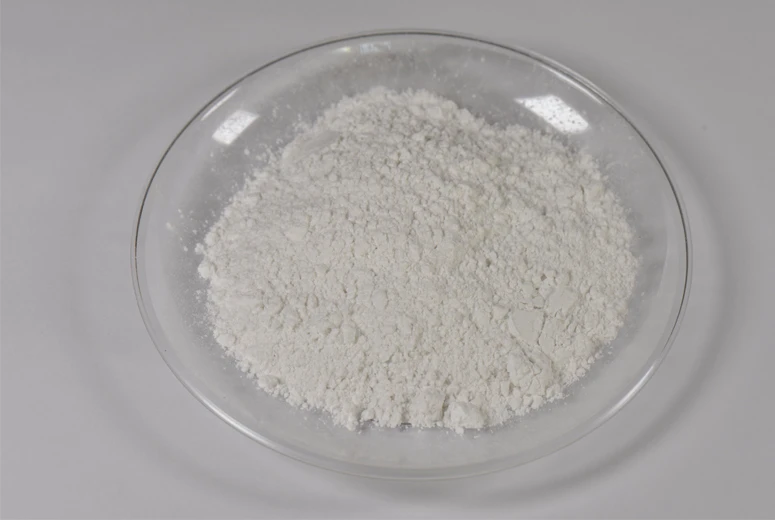
What it is (and why this size window works)
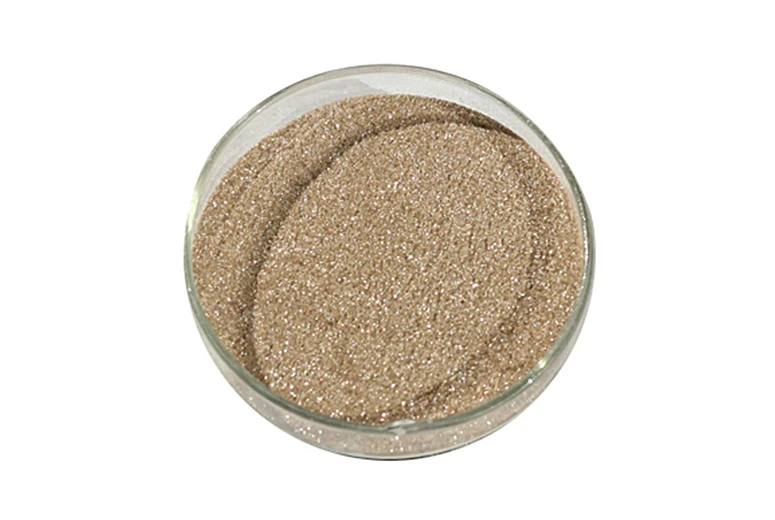
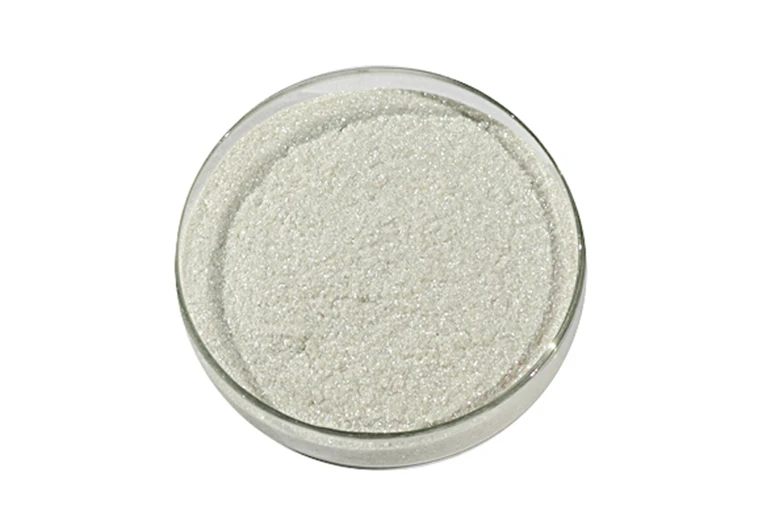
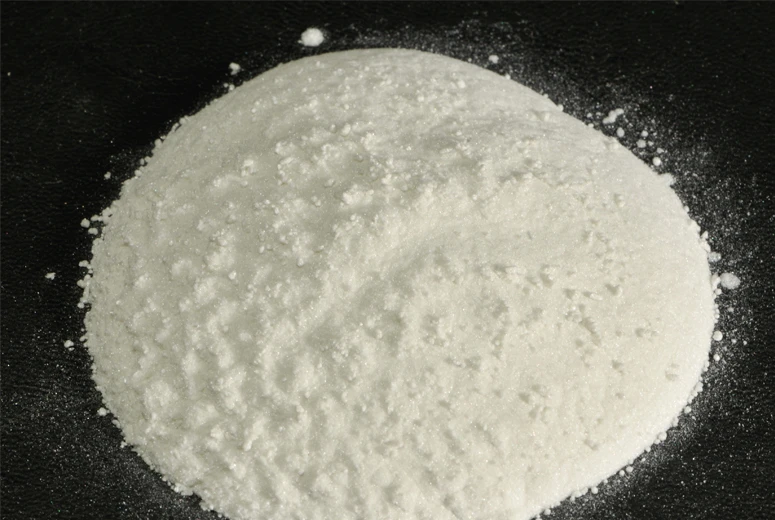
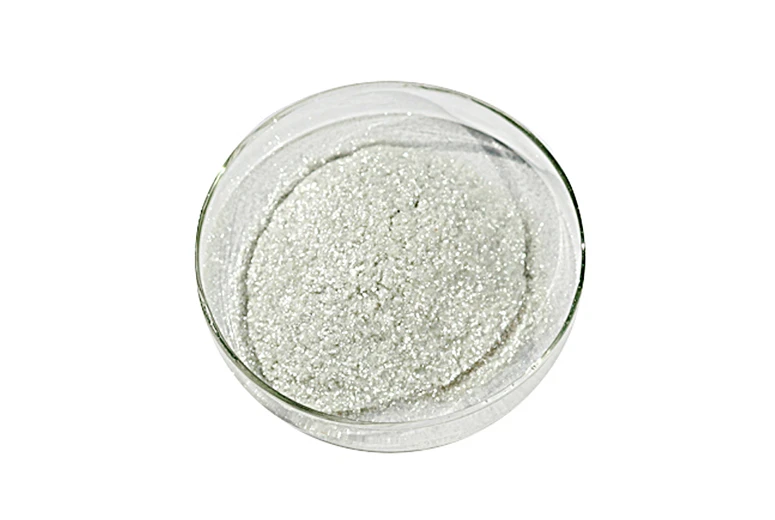
10-60μm Synthetic Mica Powder is a plate-like, crystal-transparent substrate used to carry pearlescent coatings (think TiO2, Fe2O3, or interference layers). The 10–60 μm window balances slip and sparkle: small enough for smooth touch and good hiding, big enough for crisp reflection. Many customers say the “sparkle-to-silk” ratio is just right for face powders, nail gels, and metallic automotive tones.
Origin and process—yes, the long aging is on purpose
Source: Xujiatuan, Ciyu Town, Lingshou County, Shijiazhuang, Hebei, China. The workflow is surprisingly meticulous:
- Material: high-transparency synthetic mica sheets (fluorphlogopite base).
- Repeated immersion and washing to remove soluble ions and micro-impurities.
- Kneading-grinder fine milling (to avoid scratch marks on platelets).
- Natural precipitation for ≈70 days for full grading—slow, but it narrows PSD without brutal shear.
- Final precipitation classification, drying, and gentle deagglomeration.
Testing typically follows ISO 787 methods, laser diffraction for PSD, and ICP-MS for trace metals. I guess the long aging step is what gives it that very uniform feel in coatings.
Product specifications (typical)
| Particle size range | 10–60 μm (D50 ≈ 25–35 μm; ISO 13320) |
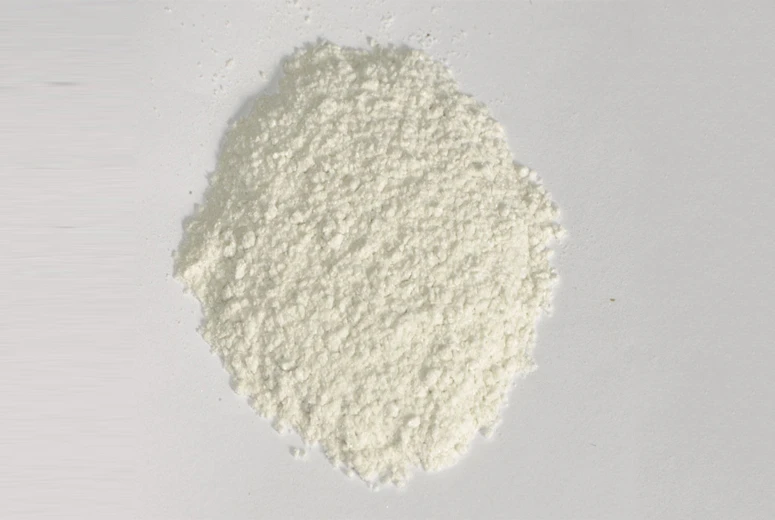
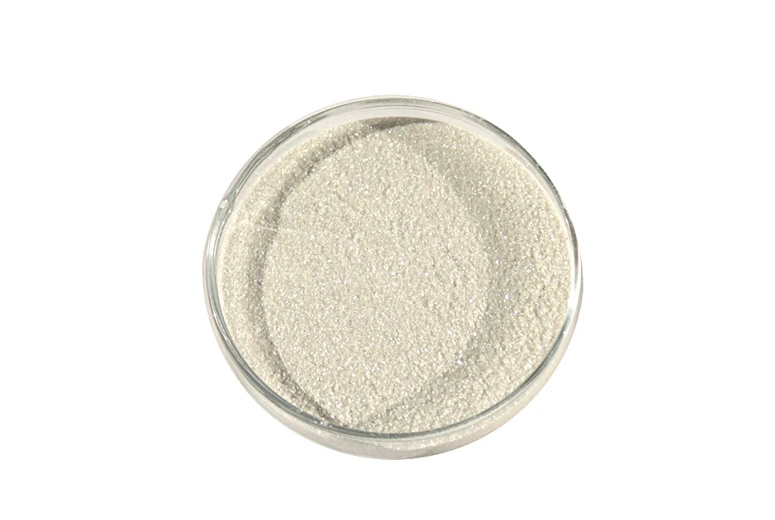
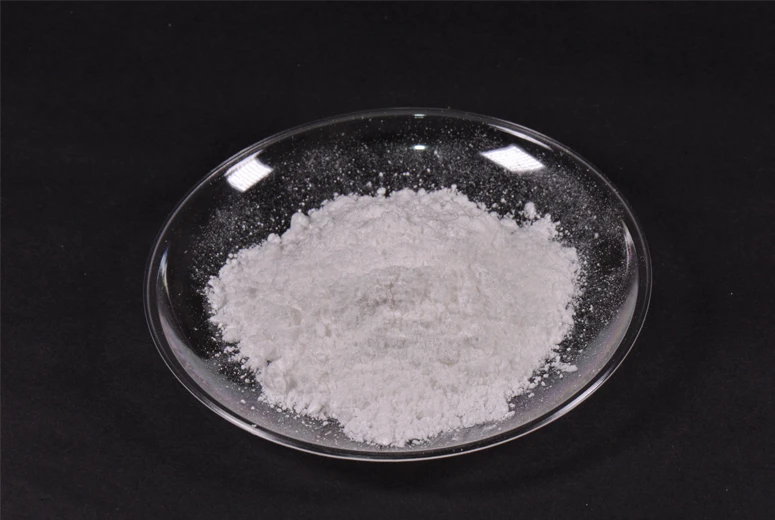
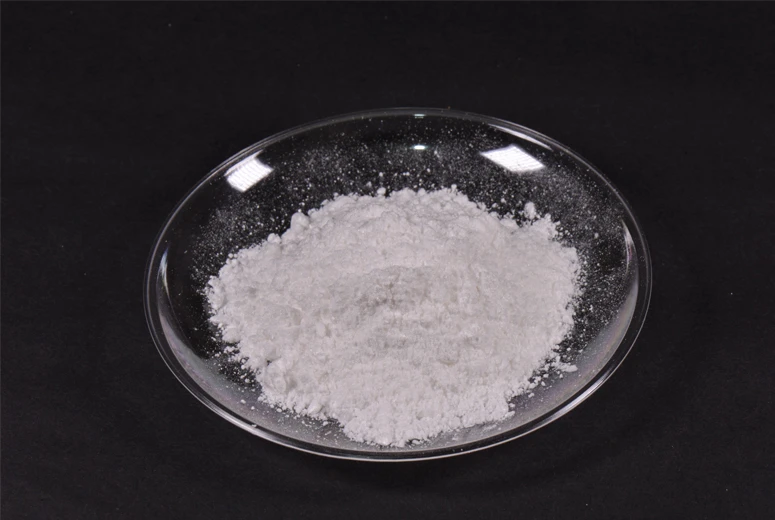
| Appearance | Transparent platelets, soft texture |
| Whiteness (L) | ≈94–97 (real-world use may vary) |
| Oil absorption | 15–25 g/100 g (ISO 787-5) |
| pH | 6.5–8.5 (ISO 787-2) |
| Moisture | ≤0.5% (ISO 787-3) |
| Bulk density | ≈0.25–0.35 g/cm³ |
| Trace metals (typ.) | Pb <10 ppm, As <2 ppm, Cd <3 ppm (ICP-MS) |
| Thermal stability | Up to ≈900°C short-term without yellowing |
Where it goes: applications and service life
- Cosmetics (pressed powders, eyeshadows, nail gels) – silky touch, clean background; service life ≈24–36 months in-pack.
- Automotive and industrial coatings – durable pearlescence; indoor life 5–10 years; QUV >1,000 h with ΔE <1.0 when paired with TiO2, according to typical lab sets.
- Plastics masterbatch (PC, PMMA, PETG) – heat stability, low warpage influence.
- Inks and packaging – smooth laydown, low abrasivity for anilox and gravure.
Advantages we keep hearing about
- Higher purity than mined mica; fewer color cast issues. - Narrow PSD for easy dispersion. - Low heavy-metal background for cosmetic compliance. And, surprisingly, good slip without chalkiness in skin-feel tests.
Vendor snapshot (informal but useful)
| Vendor | Origin | PSD (μm) | Whiteness | Compliance | MOQ / Lead time |
|---|---|---|---|---|---|
| H&J Mica | Hebei, China | 10–60 (D50 ≈30) | High (L ≈95–97) | ISO 9001, REACH-ready, CosIng listed | ≈200 kg / 10–15 days |
| Global Brand X | Japan | 10–50 (tight) | Very high | REACH, ISO 14001 | ≈25 kg / 4–6 weeks |
| Regional Trader Y | India/EU stock | 15–70 (broader) | Mid | Basic COA/MSDS | ≈500 kg / 2–3 weeks |
Customization and QC
Custom PSD cut (e.g., 15–45 μm), hydrophobic treatment for plastics, or cosmetic-screened lots are common. Typical QC includes ISO 13320 PSD, ISO 787-5 oil absorption, whiteness L, ICP-MS metals, and microbiology for cosmetic lines. Batch retention samples and COA/COC are standard.
Mini case notes
Beauty brand (K‑Beauty): Switched to 10-60μm Synthetic Mica Powder for an eyeshadow line; reported brighter payoff at 0.5% lower pearl load and passed EU heavy metal screening on first pass.
Automotive Tier‑2: A PC masterbatch using 10-60μm Synthetic Mica Powder survived 1,200 h QUV with ΔE 0.8; operators liked shorter dispersion time—about 12% less, lab says.
Standards, safety, and paperwork
Look for REACH registration or at least SVHC screening, ISO 9001, COA, and SDS aligned to GHS. For cosmetics, check INCI “Synthetic Fluorphlogopite,” EU CosIng listing, and compliance with EU 1223/2009. Pigment tests often reference ISO 787; particle sizing via ISO 13320.
Citations
- ISO 787 series – General methods of test for pigments and extenders.
- ISO 13320 – Particle size analysis—Laser diffraction methods.
- Regulation (EC) No 1223/2009 on cosmetic products (EU).
- ECHA REACH Regulation (EC) No 1907/2006.
- EU CosIng database – INCI: Synthetic Fluorphlogopite.
-
Ultimate Guide to Using High Quality Pearl Paint Pigment for LusterNewsApr.16,2026
-
Elevating Automotive Aesthetics with Mica Powder Car PaintNewsApr.09,2026
-
Unlock Stunning Effects with Mica Powder for Paint ApplicationsNewsApr.07,2026
-
Comprehensive Guide to Mica Dye Powder Applications and BenefitsNewsApr.04,2026
-
Unlocking the Brilliance of Mica Pigment Paint for Diverse ApplicationsNewsMar.31,2026
-
Enhancing Concrete Performance with Durable Mica Chips for Concrete ApplicationsNewsMar.28,2026