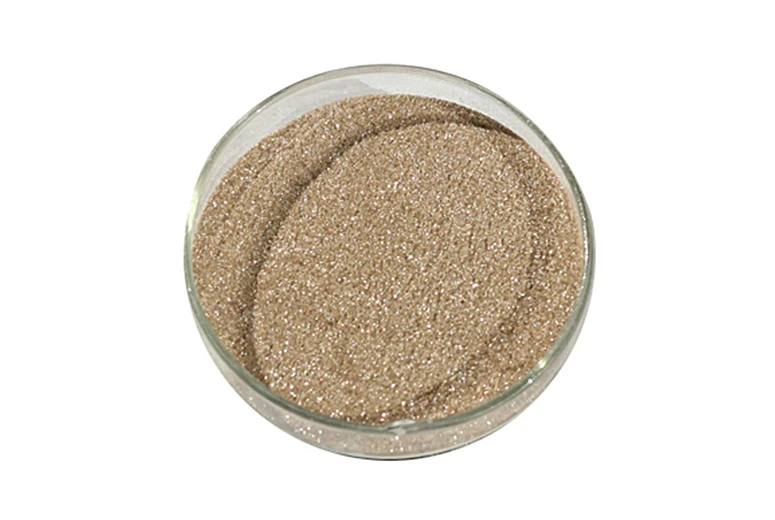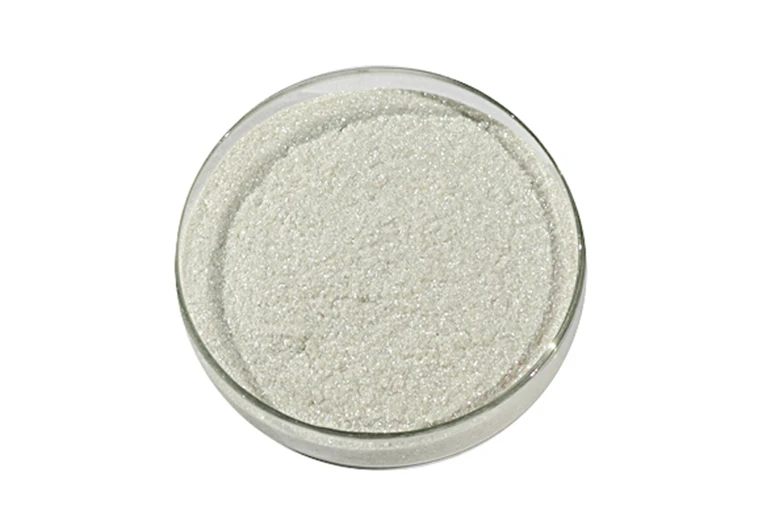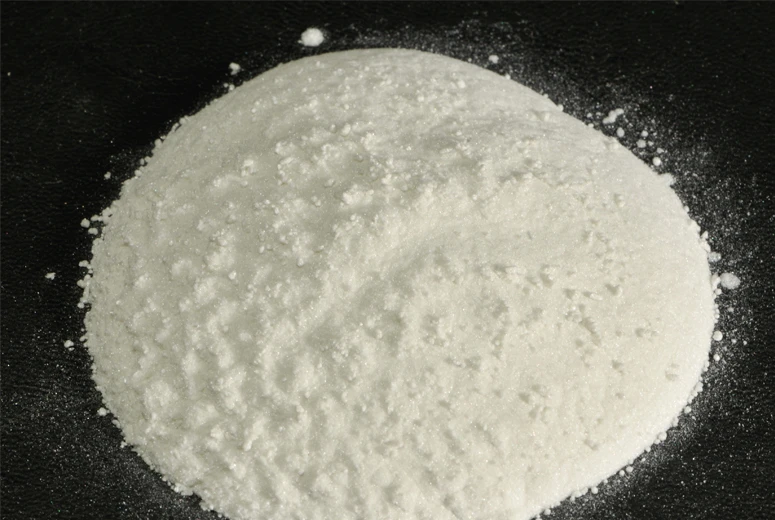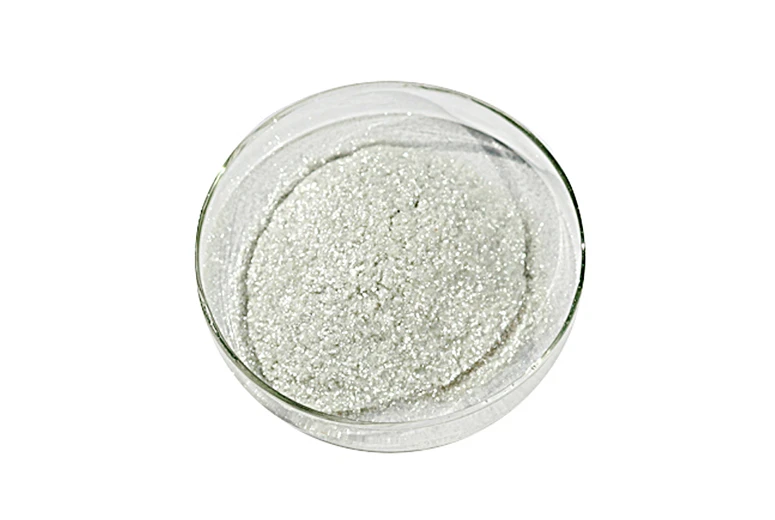

White Mica Powder – Ultra-Fine, Non-Toxic, Food-Safe
W-200 Muscovite Powder: the quiet upgrade your plastics and coatings needed
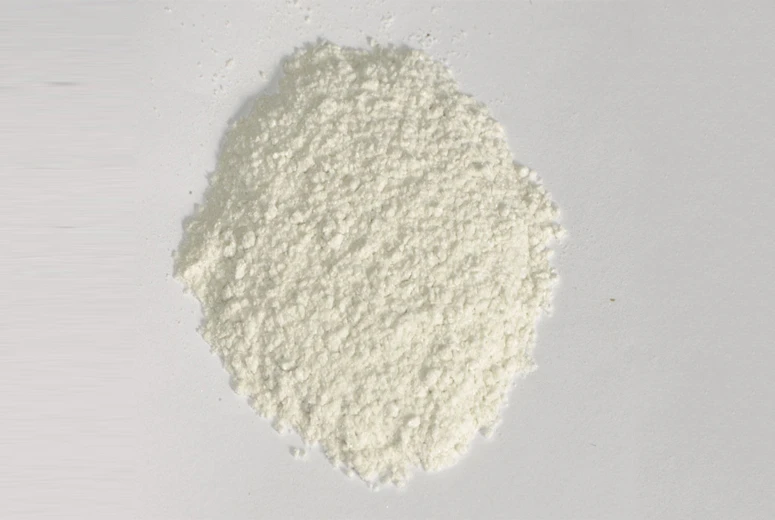
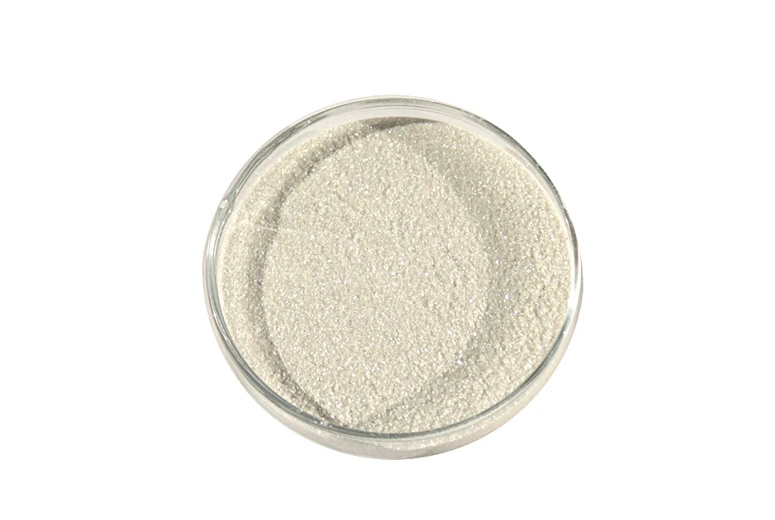
If you work in plastics compounding or anti-corrosion coatings, you’ve probably heard the chatter: white mica powder is back in the spotlight. To be honest, it never left—industry just re-discovered how to exploit its platelet morphology for stiffness, barrier, and rheology without blowing up cost or screw wear. From Xujiatuan Ciyu Town, Lingshou County (Hebei, China) comes W-200 Muscovite Powder—wet-ground, underwater-classified, and, as many customers say, “surprisingly clean.”
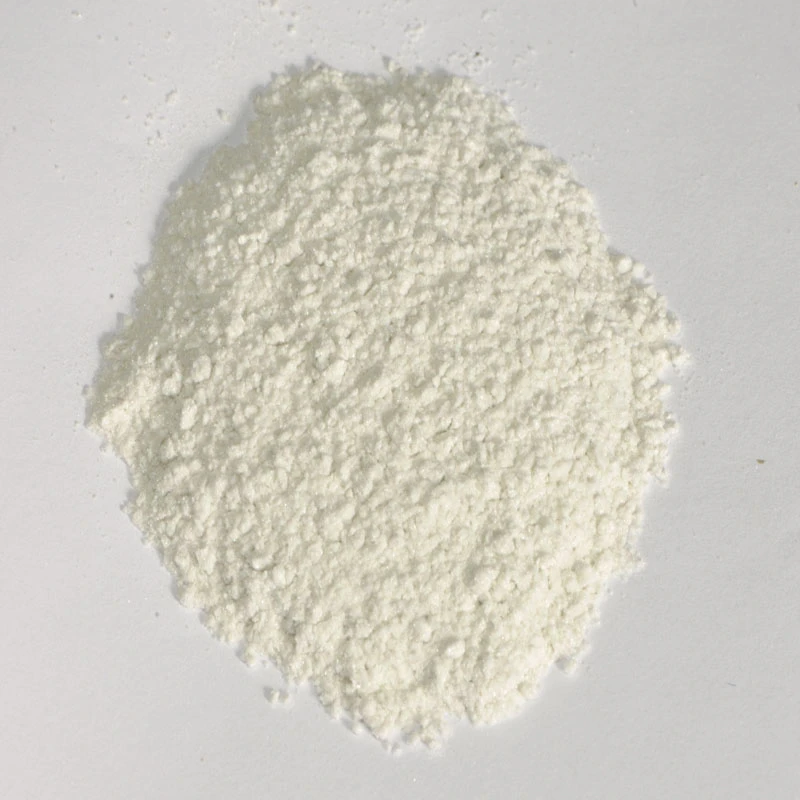
Why white mica powder is trending
Three macro-drivers: higher recycled resin content (needing reinforcement and flow tuning), stricter corrosion targets in heavy-duty coatings, and ongoing cost-down versus glass fiber. In fact, plate-like muscovite acts as a micro “shingle roof,” improving barrier and dimensional stability while keeping melt flow sane. I guess the bonus is lower tool corrosion versus some mineral fillers.
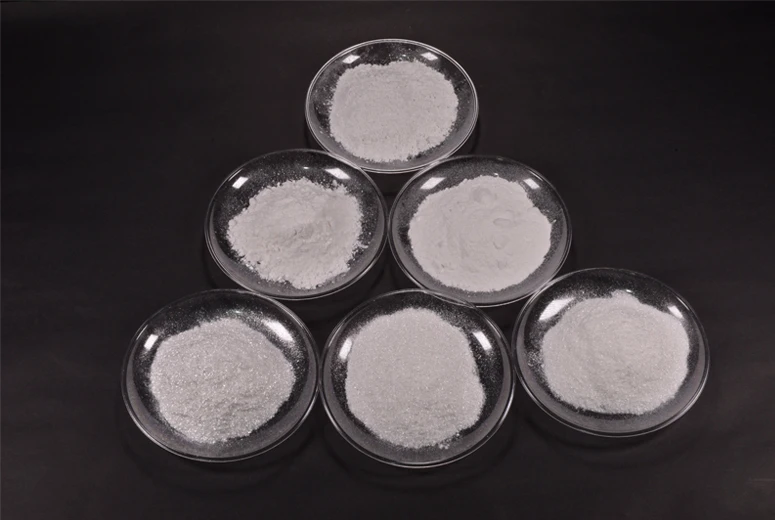
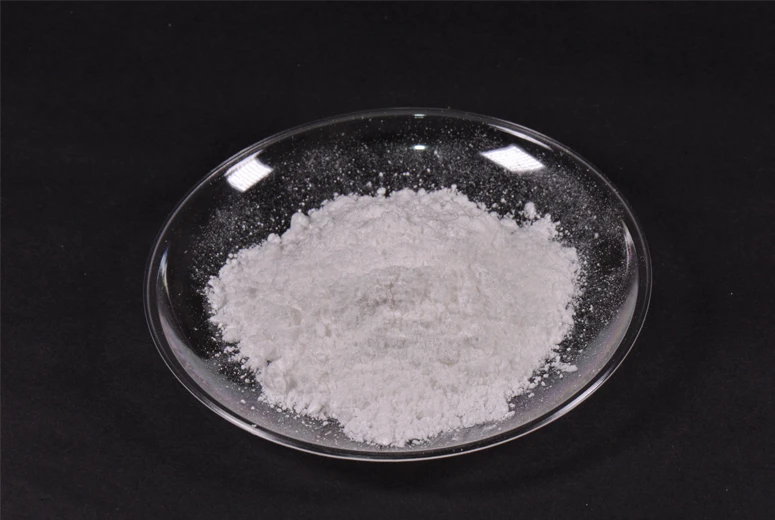
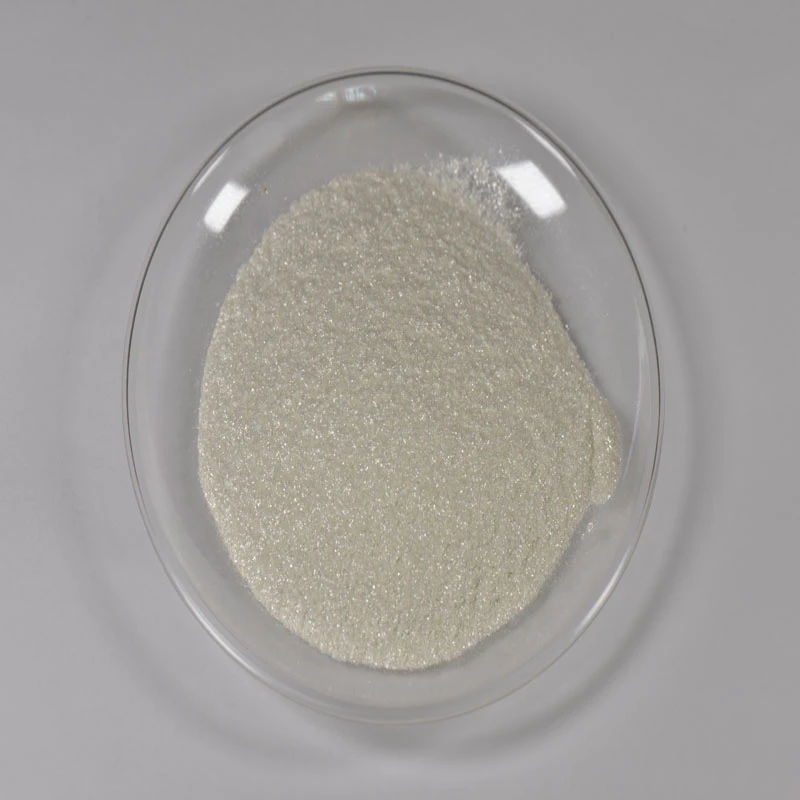
Product snapshot: W-200 Muscovite Powder
Wet grinding and underwater classification deliver high purity and good whiteness. As a modified plastic additive, it helps boost impact/stiffness balance, dimensional stability, and melt fluidity, and reduces equipment corrosion.
| Parameter | Typical Value (≈) | Notes |
|---|---|---|
| Mesh/Size | 200 mesh (sieve ≈ 75 μm), D50 ≈ 55–65 μm | Real-world use may vary with batch and dispersion |
| Whiteness (L) | ≈ 90–93 | Measured per ISO 7724/ASTM E313 |
| Purity (SiO2+Al2O3) | ≥ 90% | Fe2O3 typically ≤ 0.5% |
| Moisture | ≤ 0.5% | ISO 787-2 |
| Oil Absorption | 20–30 g/100 g | ISO 787-5 |
| pH (10% slurry) | 7–9 | Neutral to mildly alkaline |
Process flow and QC
Materials: muscovite from Hebei, known for low iron. Methods: selective mining → wet grinding → underwater classification → magnetic iron removal → low-temp drying → dust-free packing. Testing: whiteness (ISO 7724), moisture (ISO 787-2), sieve/D50 (laser diffraction), heavy metals screening (per RoHS/REACH), and lot COA. Shelf life: around 24 months if dry, sealed,
Where white mica powder works
- PP/PE/PA/PVC compounds: stiffness↑, warpage, smoother flow (ISO 1133, ISO 527, ASTM D790 testing).- Epoxy/polyurethane anti-corrosion coatings: barrier path lengthening; pair with zinc phosphate for salt spray durability (ASTM B117).
- Adhesives & sealants: sag control and dimensional stability.
- Rubber and FR systems: platelets aid char formation and dimensional hold.
Vendor landscape (quick compare)
| Vendor | Grinding | Whiteness | Fe2O3 | Certs | Customization |
|---|---|---|---|---|---|
| W-200 (Hebei) | Wet + underwater classification | ≈ 90–93 | ≤ 0.5% | ISO 9001, RoHS/REACH | Silane treatment, 100–800 mesh |
| Vendor A (Local) | Dry milling | ≈ 86–90 | ≈ 0.7–1.0% | ISO 9001 | Limited sizes |
| Vendor B (Import) | Wet milling | ≈ 92–94 | ≤ 0.4% | ISO 9001, REACH | Surface treatments available |
Customization and packaging
Surface treatment (e.g., APTES, KH-550) for PP/PA coupling, particle size tailoring from 100–800 mesh, and moisture-controlled packing (25 kg PE-lined bags or ≈1-ton FIBCs). MSDS, COA, and lot traceability on request. It seems that OEM labeling is common for export customers.
Case notes from the field
- PP interior trim (20% W-200): flexural modulus +25% (ASTM D790), Izod notched impact maintained within −5% (ASTM D256), warpage complaints dropped noticeably in production. Melt flow change was modest (+8%, ISO 1133).
- Epoxy marine primer (12% W-200 + zinc phosphate): salt spray endurance +30% at scribe (ASTM B117, 720 h), with viscosity stability over 6 weeks @ 25°C. Actual results may vary with dispersant and PVC.
Bottom line: if you need a balanced reinforcement and barrier filler, white mica powder like W-200 is a pragmatic, low-drama upgrade. Actually, that’s what production managers prefer.
Citations
- ISO 787 series: General methods of test for pigments and extenders.
- ASTM B117: Standard Practice for Operating Salt Spray (Fog) Apparatus.
- ISO 1133 / ISO 527 / ASTM D790 / ASTM D256: Standard test methods for thermoplastics rheology and mechanics.
-
Ultimate Guide to Using High Quality Pearl Paint Pigment for LusterNewsApr.16,2026
-
Elevating Automotive Aesthetics with Mica Powder Car PaintNewsApr.09,2026
-
Unlock Stunning Effects with Mica Powder for Paint ApplicationsNewsApr.07,2026
-
Comprehensive Guide to Mica Dye Powder Applications and BenefitsNewsApr.04,2026
-
Unlocking the Brilliance of Mica Pigment Paint for Diverse ApplicationsNewsMar.31,2026
-
Enhancing Concrete Performance with Durable Mica Chips for Concrete ApplicationsNewsMar.28,2026