
Synthetic Mica Cosmetics: Ethical, Brilliant Makeup & Pigments
Introduction to Synthetic Mica in Cosmetics
The global cosmetics industry is continuously evolving, driven by demand for superior performance, ethical sourcing, and innovative formulations. At the forefront of this evolution is the increasing adoption of synthetic mica cosmetics. This advanced material offers unparalleled brilliance, purity, and consistency, addressing many of the limitations associated with traditional natural mica.
Synthetic mica, specifically fluorophlogopite, is engineered to provide superior optical and tactile properties, making it an indispensable ingredient in modern synthetic mica cosmetics. It enables formulators to create products with enhanced luminosity, smoother application, and vibrant color pay-off, all while ensuring a responsible and ethical supply chain. This comprehensive article delves into the technical aspects, market trends, and practical applications of synthetic mica, providing essential insights for B2B decision-makers and technical professionals in the cosmetic sector.
Industry Trends and Market Dynamics
The demand for synthetic mica cosmetics is experiencing robust growth, driven primarily by two critical factors: ethical sourcing concerns and superior technical performance. Natural mica, while historically significant, has faced scrutiny over labor practices, particularly child labor in some sourcing regions. This has led to a significant industry-wide pivot towards synthetic alternatives.
Beyond ethical considerations, synthetic mica offers distinct advantages that are highly valued by cosmetic brands and consumers alike. Its precisely controlled crystalline structure results in an unmatched purity, free from heavy metals and other impurities often found in natural mica. This translates to brighter, cleaner shades, exceptional transparency, and a significantly smoother feel on the skin. The consistency in particle size and shape of synthetic mica pigments ensures batch-to-batch uniformity, a crucial factor for cosmetic manufacturers striving for brand consistency.
Market analysts project continued expansion in the synthetic mica market, with increasing adoption across all cosmetic categories, from high-end luxury brands to mass-market products. Innovations in surface treatment and particle engineering are further broadening the application spectrum of synthetic mica, allowing for specialized effects like soft-focus, matte finishes, and enhanced color stability.
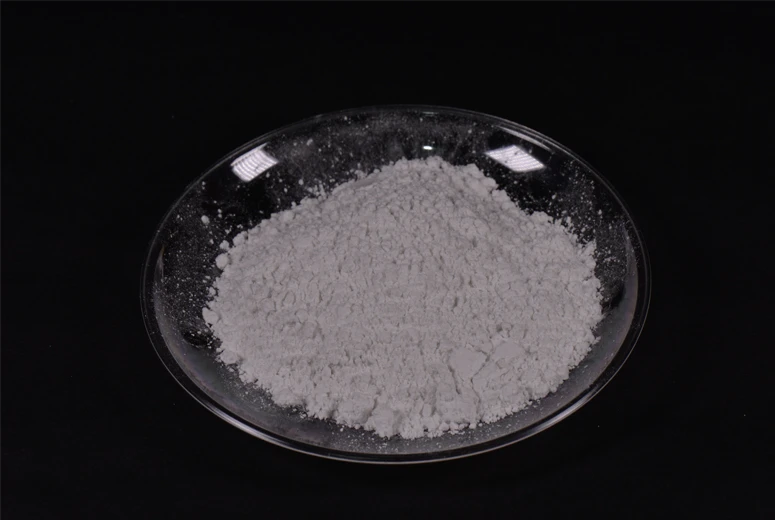
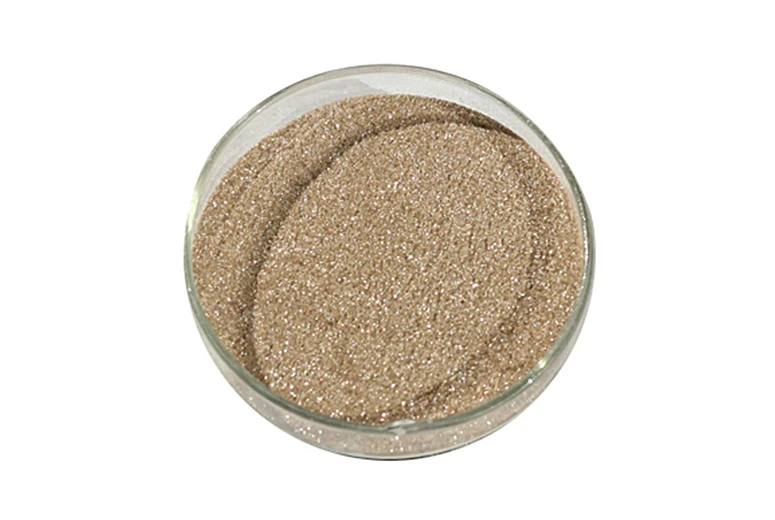
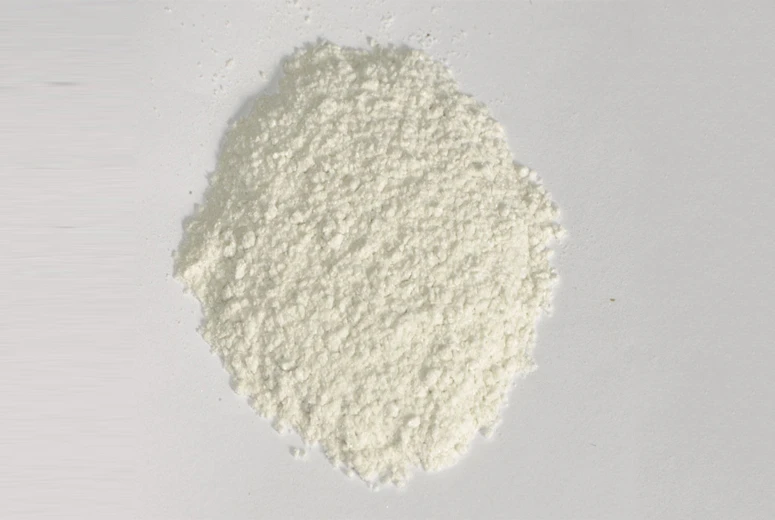
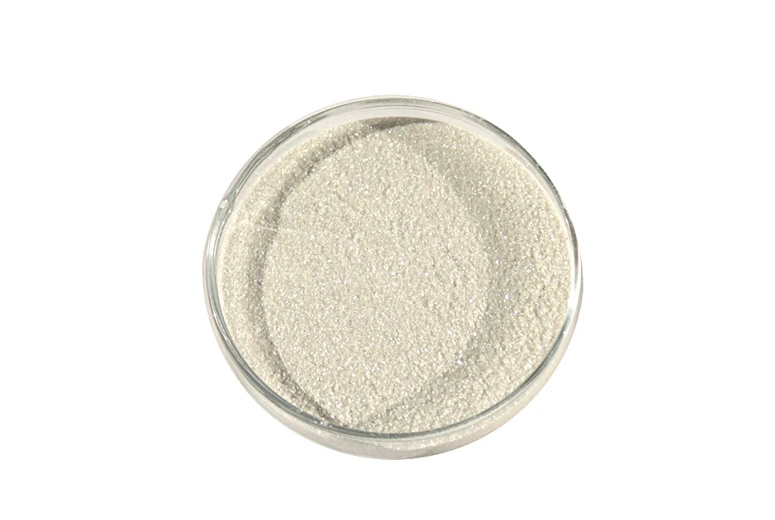
Figure 1: Microscopic view illustrating the uniform structure of synthetic mica particles.
Manufacturing Process of Synthetic Mica
The production of synthetic mica is a sophisticated, highly controlled process designed to yield a material with superior purity and performance characteristics compared to its natural counterpart. Unlike extractive processes for natural minerals, synthetic mica is grown under controlled laboratory conditions, ensuring a consistent and impurity-free product. The primary type used in cosmetics is fluorophlogopite [KMg₃(AlSi₃O₁₀)F₂].
Process Flow Overview:
- Raw Material Preparation: High-purity raw materials such as potassium fluorosilicate (K₂SiF₆), magnesium oxide (MgO), aluminum oxide (Al₂O₃), and silicon dioxide (SiO₂) are precisely weighed and mixed. These materials are chosen for their exceptional purity to prevent contamination in the final product.
- Melt Crystallization: The mixture is heated to high temperatures, typically between 1300°C and 1500°C, to create a molten glass. This melt is then carefully cooled under controlled conditions, allowing for the slow crystallization of fluorophlogopite in a laminar, plate-like structure. This controlled cooling is critical for achieving the desired crystal size and morphology.
- Grinding and Milling: Once crystallized, the bulk synthetic mica is mechanically ground and milled to achieve specific particle size distributions. This stage is crucial for optimizing the sensory and optical properties of the synthetic mica pigments, ensuring smooth application and uniform light reflection in cosmetics. Advanced milling techniques are employed to maintain platelet integrity while reducing particle size.
- Classification and Sieving: The milled material undergoes precise classification to separate particles into various size fractions. This ensures that each grade of synthetic mica meets stringent specifications for specific cosmetic applications. Fine powders are often required for foundations, while larger particles provide shimmer for eyeshadows.
- Surface Treatment (Optional but Common): For enhanced performance in makeup with synthetic mica, particles may undergo surface treatments. Common treatments include coatings with titanium dioxide (TiO₂) for pearlescent effects, iron oxides for colored interference pigments, or organic silanes for improved hydrophobicity and skin adhesion. These coatings are applied meticulously to ensure even distribution and optimal functionality.
- Quality Control and Testing: Throughout the entire process, rigorous quality control measures are implemented. This includes chemical analysis (ICP-MS for heavy metals), particle size analysis (laser diffraction), spectrophotometry for color and luster, and microbial testing. Adherence to international standards such as ISO 9001 and specific cosmetic regulations (e.g., EC No 1223/2009 for cosmetics) is paramount. Products like HC40 Synthetic Mica undergo comprehensive testing to ensure stability, purity, and cosmetic suitability, including tests for heavy metals, volatile organic compounds, and microbiological contaminants, ensuring a long service life within cosmetic formulations.
This meticulous manufacturing process ensures that synthetic mica offers superior consistency, safety, and optical properties, making it an ideal choice for high-performance cosmetic applications.
Technical Specifications of HC40 Synthetic Mica
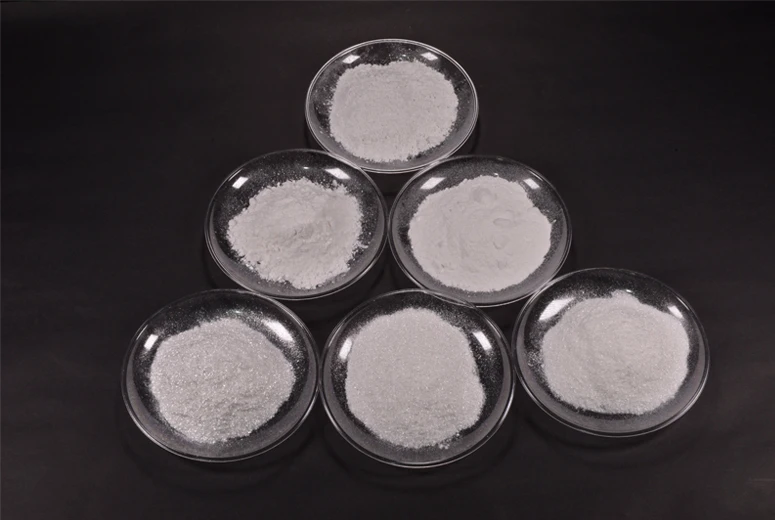
HC40 Synthetic Mica is a premium-grade fluorophlogopite specifically engineered for the cosmetic industry. Its unique chemical structure and controlled particle morphology contribute to its exceptional performance in a wide array of synthetic mica cosmetics. Below are the key technical specifications for HC40 Synthetic Mica.
Product Specification Table: HC40 Synthetic Mica
| Parameter | Specification (HC40 Synthetic Mica) | Method/Standard |
|---|---|---|
| Chemical Formula | KMg₃(AlSi₃O₁₀)F₂ | Internal Analysis |
| Purity (Mica Content) | ≥ 99.5% | ICP-MS / XRD |
| Average Particle Size (D50) | 5-40 µm (Customizable) | Laser Diffraction (ISO 13320) |
| Oil Absorption | 35-45 g/100g | JIS K 5101-13-2 |
| Specific Gravity | 2.80 - 2.90 g/cm³ | ASTM D153 |
| Refractive Index | 1.52 - 1.56 | Optical Microscopy |
| Heavy Metals (Pb, As, Cd, Hg) | < 1 ppm (each) | ICP-MS (USP ) |
| pH (10% slurry) | 6.0 - 9.0 | USP |
| Whiteness | L > 95 (Hunter Lab) | Colorimeter |
These specifications highlight the meticulous control exercised during the manufacturing of HC40, ensuring a high-performance, safe, and consistent raw material for cosmetic applications. The low heavy metal content and high purity make it ideal for sensitive skin formulations and color-critical makeup with synthetic mica.
Application Scenarios and Technical Advantages
The versatility and superior properties of synthetic mica make it indispensable across a broad spectrum of cosmetic applications. Its unique combination of high purity, excellent optical properties, and smooth texture offers significant technical advantages for formulators.
Key Application Areas for Makeup with Synthetic Mica:
- Foundations and Concealers: Synthetic mica provides a silky feel and improves spreadability, offering a natural, luminous finish without a heavy feel. Its transparent nature allows for true-to-skin color matching and helps create a soft-focus effect, blurring imperfections.
- Eyeshadows and Eyeliners: The high refractive index and smooth surface of synthetic mica pigments enhance color vibrancy and pearl effect, leading to more intense and brilliant eye makeup. It also improves adhesion to the eyelid, reducing fallout and creasing.
- Lipsticks and Lip Glosses: Incorporated into lip products, synthetic mica delivers a luxurious feel and a beautiful, non-gritty shimmer. It can provide a plumping illusion and improve light reflection for a fuller-looking pout.
- Blushes and Highlighters: For products designed to add glow and definition, synthetic mica offers exceptional luminosity and a natural-looking radiance, avoiding the artificial sparkle often associated with lower-quality alternatives.
- Skincare Products (e.g., BB/CC Creams): Even in skincare, synthetic mica can be used to impart a subtle glow and improve the sensory feel of creams, contributing to a more refined and appealing product.
Technical Advantages in Cosmetic Formulations:
- Unmatched Purity and Safety: Free from heavy metals and other natural impurities, synthetic mica minimizes the risk of allergic reactions and ensures a clean label, vital for modern synthetic mica cosmetics. Compliance with stringent regulatory standards (e.g., FDA, REACH, European Cosmetics Regulation) is inherent.
- Superior Luster and Transparency: Its uniform crystal structure and smooth surface provide exceptional reflectivity, resulting in a brighter, cleaner, and more vivid pearlescent effect compared to natural mica, which often exhibits a duller or gray undertone due to impurities.
- Exceptional Consistency: Manufactured under controlled conditions, synthetic mica offers consistent particle size, shape, and optical properties batch after batch. This eliminates variability issues and ensures reliable product performance, reducing quality control headaches for manufacturers.
- Enhanced Sensory Feel: The ultra-smooth platelet structure of synthetic mica imparts a luxurious, non-gritty, and silky texture to cosmetic products, significantly improving the user experience.
- Better Color Stability: Due to its high heat resistance and inert chemical nature, synthetic mica provides superior color stability in formulations, preventing discoloration over time or under various environmental stresses.
- Ethical Sourcing: As a synthetically produced material, it circumvents the ethical concerns associated with the mining of natural mica, offering a responsible and sustainable choice for brands and consumers.
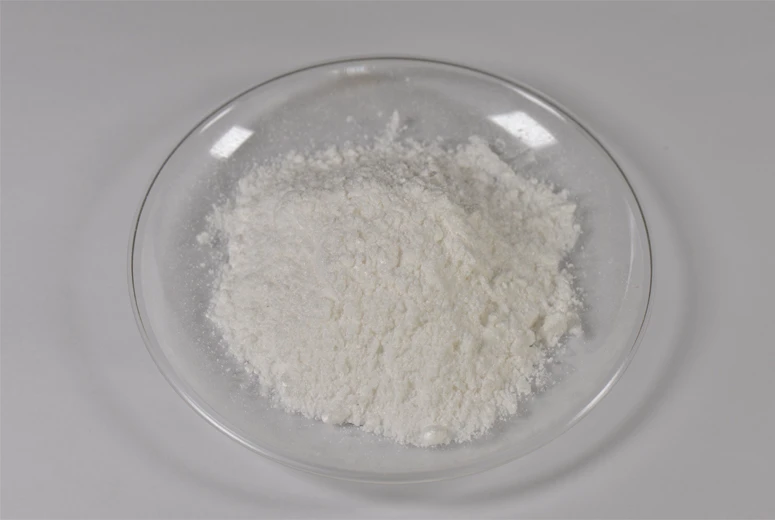
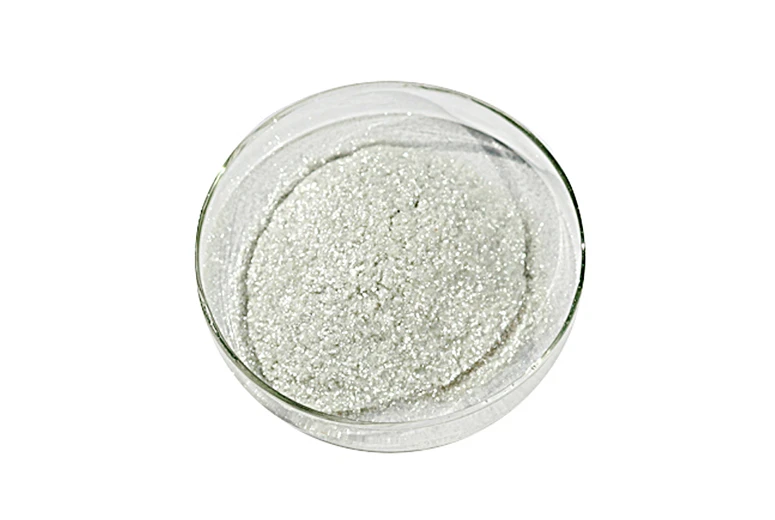
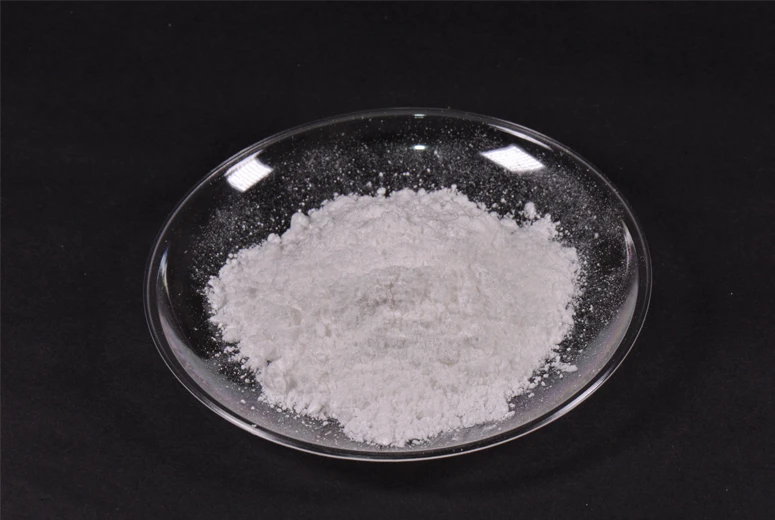
Figure 2: Illustrative application of synthetic mica providing luminosity in cosmetic formulations.
Vendor Comparison and Customized Solutions
Selecting the right supplier for synthetic mica is crucial for ensuring the quality and performance of cosmetic products. While several vendors offer synthetic mica, distinctions lie in their manufacturing expertise, quality control, range of products, and ability to provide customized solutions.
Key Factors for Vendor Evaluation:
- Manufacturing Excellence: Look for vendors with advanced production facilities, robust quality management systems (e.g., ISO 9001 certified), and a strong track record in producing high-purity synthetic mica pigments.
- Product Portfolio: A diverse range of synthetic mica grades, varying in particle size, surface treatments, and optical effects, indicates a comprehensive understanding of cosmetic needs.
- Technical Support and R&D: A vendor that offers strong technical support and actively engages in R&D can provide valuable insights and innovative solutions for complex formulation challenges.
- Regulatory Compliance and Certifications: Ensure the vendor adheres to international cosmetic regulations (e.g., FDA, REACH, EU Cosmetics Regulation) and provides comprehensive documentation (e.g., Certificates of Analysis, MSDS, heavy metal declarations).
- Supply Chain Reliability: Consistency in supply, lead times, and logistical capabilities are critical for uninterrupted production.
Comparison: Natural Mica vs. Synthetic Mica
| Feature | Natural Mica (e.g., Muscovite) | Synthetic Mica (e.g., HC40) |
|---|---|---|
| Purity & Consistency | Variable; contains trace impurities (heavy metals, iron oxides) causing dullness/yellowish tint. Inconsistent particle size. | High & consistent purity (>99.5%), free from heavy metals. Uniform particle size and shape. |
| Optical Properties | Lower transparency, often with gray or yellowish undertones. Less intense luster. | Exceptional transparency, brilliant white base. High luster and vibrant color play. |
| Ethical Sourcing | Significant ethical concerns related to mining, child labor, and supply chain transparency. | Manufactured; no ethical sourcing issues, offering a responsible and sustainable alternative. |
| Sensory Feel | Can feel gritty due to irregular edges and non-uniform particle size. | Silky, smooth, luxurious feel due to perfect platelet structure. |
| Chemical Stability | Less stable in acidic/alkaline conditions; can react with other ingredients. | Highly stable, inert, and resistant to chemical degradation, ensuring formula integrity. |
Customized Solutions for Synthetic Mica Cosmetics:
Leading manufacturers understand that one size does not fit all. For brands developing unique makeup with synthetic mica, customization is key. This includes:
- Tailored Particle Size Distribution: Adjusting the D50 (median particle size) and particle size range to achieve specific optical effects, from subtle sheen for foundations to intense shimmer for glitter.
- Specialized Surface Treatments: Applying bespoke coatings (e.g., different ratios of TiO₂ for varying pearlescent effects, unique colorants, or functional coatings for enhanced water resistance or skin affinity) to meet precise formulation requirements.
- Functionalized Grades: Developing synthetic mica grades with added functionalities like UV protection, antimicrobial properties, or unique sensory modifiers.
Partnering with a flexible and technically proficient vendor is essential for leveraging the full potential of synthetic mica in innovative cosmetic product development.
Application Case Studies
Real-world applications demonstrate the transformative impact of synthetic mica cosmetics. These case studies highlight how brands have successfully leveraged the unique properties of synthetic mica to achieve superior product performance and meet consumer demands.
Case Study 1: High-Performance Luminous Foundation
A prominent luxury cosmetic brand sought to develop a new foundation with unparalleled luminosity and a natural, "second-skin" finish. Their existing formulation, using natural mica, occasionally exhibited a slightly dull finish and inconsistent sheen. By reformulating with HC40 synthetic mica (D50 of 15µm, coated with a low percentage of TiO₂), the brand achieved:
- A 25% increase in perceived luminosity compared to the natural mica version, as validated by consumer panel testing.
- A significantly smoother application and reduced "cakey" feel, due to the uniform platelet structure of the synthetic mica.
- Elimination of ethical sourcing concerns, boosting brand reputation and consumer trust.
- Improved batch-to-batch color consistency, streamlining production and reducing rework.
Case Study 2: Vibrant and Long-Lasting Eyeshadow Palette
A mass-market cosmetic manufacturer aimed to launch an eyeshadow palette featuring intense, jewel-toned shades with long-wearing properties. Previous attempts with natural mica pigments resulted in muted colors and excessive fallout. Switching to surface-treated synthetic mica pigments (D50 of 20µm, with iron oxide and TiO₂ coatings) enabled them to achieve:
- A 30% improvement in color pay-off and vibrancy, making the shades appear richer and more saturated.
- Reduced eyeshadow fallout by 40% during application, attributed to the improved adhesion and consistency of the synthetic mica.
- Enhanced blendability and a smoother finish on the eyelid, leading to higher customer satisfaction.
- Formulation stability, with colors resisting fading or shifting over time, ensuring product integrity throughout its shelf life.
These cases underscore the measurable benefits and competitive advantage gained by integrating high-quality synthetic mica into cosmetic formulations.
Trustworthiness: FAQ, Lead Time, Warranty, and Support
Frequently Asked Questions (FAQ)
A: Yes, HC40 Synthetic Mica is produced under strict quality controls and tested to comply with international cosmetic regulations, including those for heavy metals. Its high purity makes it suitable for sensitive skin and a wide range of cosmetic products.
A: Synthetic mica aligns perfectly with clean beauty by offering an ethically sourced, high-purity alternative to natural mica, free from heavy metals and problematic impurities, ensuring transparency and safety for consumers.
A: Absolutely. HC40 Synthetic Mica is chemically inert and highly compatible with a broad range of cosmetic ingredients, including natural oils, botanical extracts, and organic compounds, without compromising formula stability or performance.
Lead Time and Fulfillment
We understand the critical importance of timely delivery for our B2B partners. Standard lead time for HC40 Synthetic Mica typically ranges from 2-4 weeks, depending on order volume and specific customization requirements. We maintain robust inventory levels and efficient logistics networks to ensure reliable fulfillment. For urgent orders or large-scale projects, please contact our sales team to discuss expedited shipping options and tailored supply chain solutions.
Warranty Commitments
All HC40 Synthetic Mica products are supplied with a full warranty against manufacturing defects and non-conformance to our published technical specifications. This warranty covers material purity, particle size distribution, and optical properties as detailed in the Certificate of Analysis provided with each batch. Our commitment to quality assurance is unwavering, backed by ISO 9001 certified processes. Any concerns regarding product quality must be reported within 30 days of receipt.
Customer Support Information
Our dedicated technical and sales support teams are available to assist with product selection, formulation guidance, and any post-purchase inquiries. We offer comprehensive technical documentation, safety data sheets, and regulatory compliance information. For direct assistance, please visit our website at www.hjmica.com or contact us via email at info@hjmica.com or phone at +XX-XXX-XXXXXXX. Our aim is to forge long-term partnerships built on trust and mutual success in the realm of synthetic mica cosmetics.
Conclusion
The trajectory of the cosmetic industry clearly points towards high-performance, ethically sourced, and technologically advanced ingredients. Synthetic mica, particularly grades like HC40, perfectly encapsulates these demands, offering cosmetic formulators an unparalleled material for creating truly innovative and captivating synthetic mica cosmetics. Its superior purity, consistent quality, ethical profile, and exceptional optical properties position it as the premier choice for brands committed to excellence and responsible innovation. By embracing synthetic mica, manufacturers can elevate their product lines, meet evolving consumer expectations, and solidify their position in a competitive global market.
References
- Luz, A. D., & Carmo, M. M. (2018). Mica: Properties, production, and markets. In Industrial Minerals and Rocks (7th ed., pp. 605-618). Society for Mining, Metallurgy & Exploration.
- Scholz, H. (2009). Pearlescent Pigments. In Wiley-VCH, Industrial Inorganic Pigments (3rd ed., pp. 297-320). Weinheim: Wiley-VCH Verlag GmbH & Co. KGaA.
- European Commission. (2009). Regulation (EC) No 1223/2009 on cosmetic products. Official Journal of the European Union, L 342, 59–209.
- U.S. Food and Drug Administration. (2019). Cosmetics Labeling Guide. Retrieved from FDA Website.
-
Ultimate Guide to Using High Quality Pearl Paint Pigment for LusterNewsApr.16,2026
-
Elevating Automotive Aesthetics with Mica Powder Car PaintNewsApr.09,2026
-
Unlock Stunning Effects with Mica Powder for Paint ApplicationsNewsApr.07,2026
-
Comprehensive Guide to Mica Dye Powder Applications and BenefitsNewsApr.04,2026
-
Unlocking the Brilliance of Mica Pigment Paint for Diverse ApplicationsNewsMar.31,2026
-
Enhancing Concrete Performance with Durable Mica Chips for Concrete ApplicationsNewsMar.28,2026