
Pure, Non-Toxic Mica Dust—Cosmetic-Grade—Why Choose Ours?
Barrier performance from mica dust: field notes, specs, and vendor reality
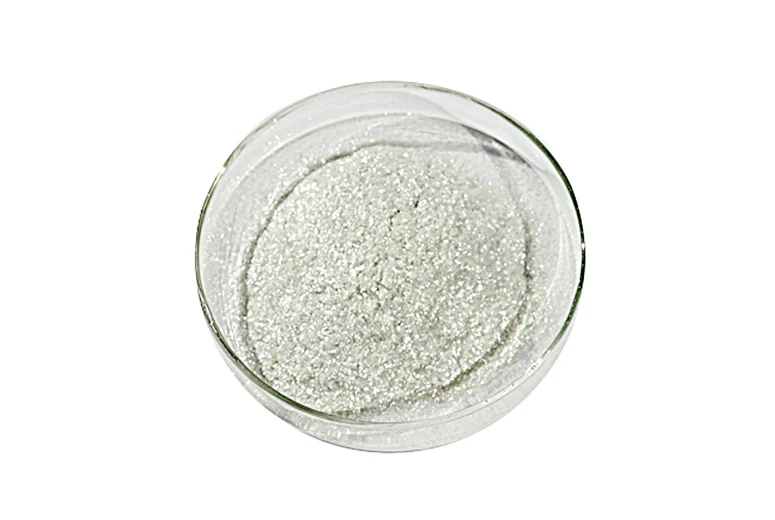
If you’ve worked with elastomers long enough, you know fillers can make or break a formulation. And mica dust—especially the coarser grades—keeps popping up when we talk about air-tight inner liners, medical stoppers, and hoses that don’t weep. Huajing’s 40-D Mica Powder has been a staple in our lab notes; to be honest, it’s one of those “classic” grades people keep ordering because it behaves predictably in real production.
What’s happening in the market
Three trends keep surfacing: tighter permeability targets (EV tires and medical packaging), demand for stable supply, and cleaner mineral profiles. Interestingly, many customers say they’d rather accept a coarser, highly lamellar mica dust than chase ultra-fines that shear apart in mixing.
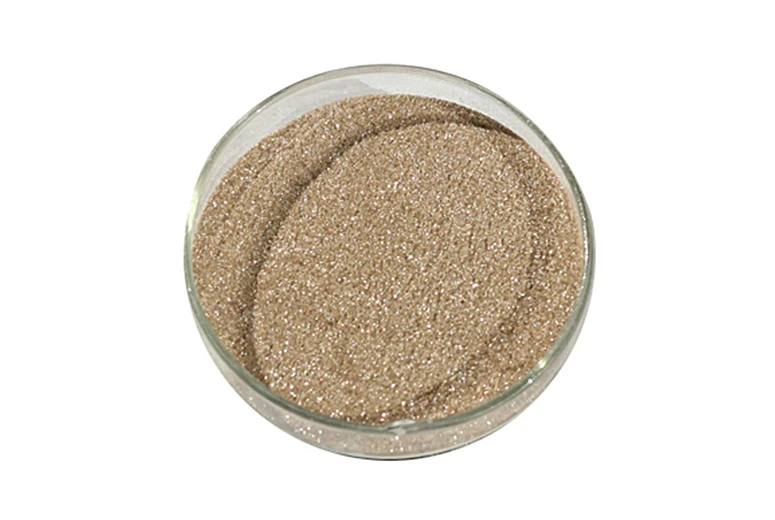
Featured product: 40-D Mica Powder (Huajing)
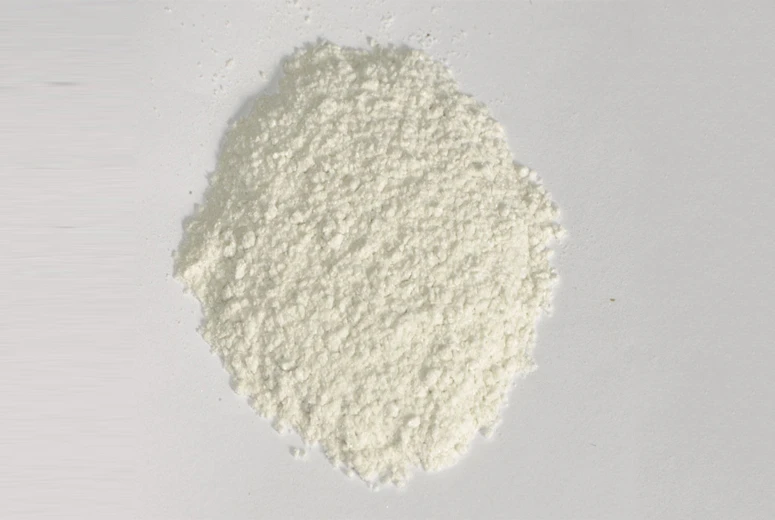
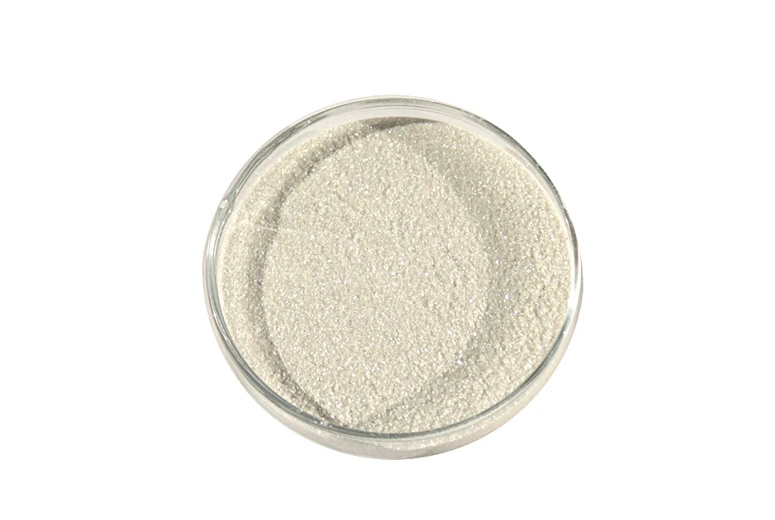
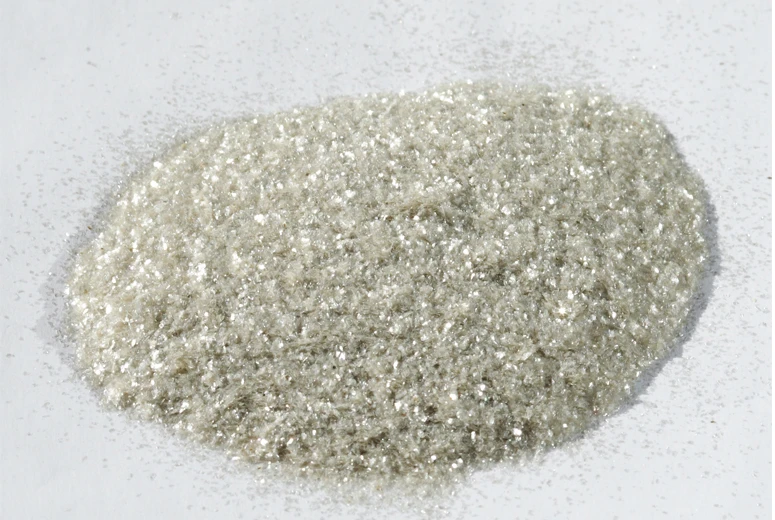
Origin: Xujiatuan, Ciyu Town, Lingshou County, Shijiazhuang, Hebei, China. Classic small-scale shape, coarser cut, engineered as a functional barrier additive for rubber compounds. The high diameter-to-thickness ratio creates overlapping platelets—basically a maze—reducing air and liquid permeability. Works a treat in tire inner liners, medical plugs, films/membranes, and hoses.
| Parameter | Typical value (≈ / range) | Notes |
|---|---|---|
| Median particle size (D50) | ≈ 350–450 µm | Coarser grade; real-world use may vary by lot |
| Aspect ratio | ≈ 40:1–80:1 | Higher ratio → better barrier |
| Moisture (105°C) | As supplied, sealed packaging | |
| Whiteness | ≈ 65–75 | Visual uniformity helps QC |
| Purity (SiO2 + Al2O3) | > 88% | Low iron options available |
Process flow and testing
Materials: NR/SBR/EPDM/NBR matrix, 10–25 phr mica dust, optional silane surface treatment, standard curatives.
Method: Pre-dry; add during early masterbatch on a two-roll mill or internal mixer; avoid excessive shear that fractures platelets; finish with curatives at lower shear.
Testing standards: Gas permeability by ASTM D1434 or ISO 2782; tensile ASTM D412; tear ASTM D624; compression set ASTM D395; cleanliness/trace by ICP-OES; particle metrics via laser diffraction and optical microscopy. Service life in hoses/liners commonly 5–10 years depending on media and temperature.
Applications and advantages
- Tire inner liners: up to ≈ 20–35% lower air permeability vs unfilled control, same cure cycle.
- Medical stoppers/plugs: improved gas barrier; many buyers report steadier torque during capping.
- Membranes/films: better solvent holdout; surprisingly good tear for a coarse filler.
- Hoses: reduced fuel and coolant permeation; stable diameter over time.
Vendor comparison (condensed)
| Vendor | Grade focus | Aspect ratio | Certs | Notes |
|---|---|---|---|---|
| Huajing (40-D) | Coarse, barrier | ≈ 40–80 | ISO 9001, RoHS, REACH | Stable supply; classic rubber pick |
| Vendor B | Fine cosmetic | ≈ 15–25 | ISO 22716 | Better for finishes than barriers |
| Vendor C | Calcined blend | ≈ 25–40 | ISO 14001 | Thermal stability; mid barrier |
Customization and packaging
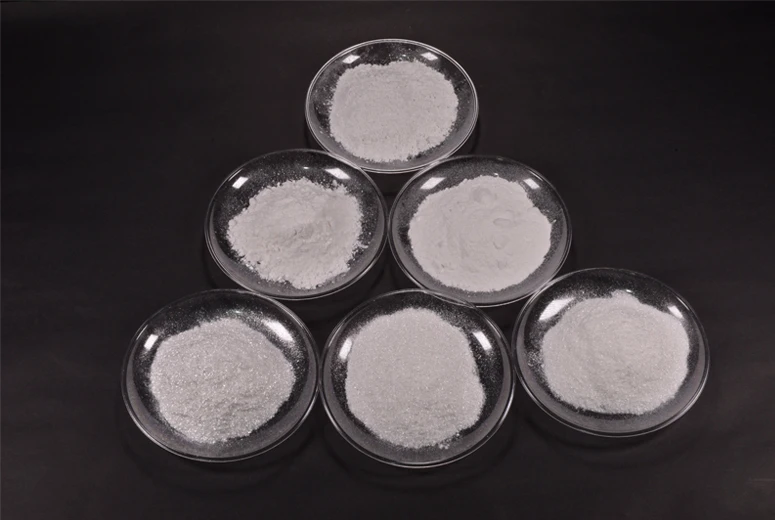
Custom cuts, low-iron options, and silane-treated mica dust are available. Typical packs: 25 kg bags or 1,000 kg totes; moisture control liners recommended.
Case snapshot (inner liner)
SBR/BR liner with 18 phr mica dust vs control: ASTM D1434 O2 permeability dropped ≈ 28%; tensile held within −5%; rolling-resistance delta was negligible in road tests over 12k km, according to one OE. Not perfect science, but it tracks with the lab.
Compliance and safety
REACH and RoHS declarations available; heavy metals screened by ICP to customer limits. For pharma elastomers, teams often reference USP components and FDA 21 CFR 177.2600—check compatibility per formulation.
- ASTM D1434: Standard Test Method for Gas Permeability Characteristics of Plastic Film and Sheeting. https://www.astm.org/d1434
- ISO 2782: Rubber and plastics—Determination of permeability to gases. https://www.iso.org/standard/58581.html
- ASTM D412/D624: Tensile and tear properties of vulcanized rubber. https://www.astm.org
- FDA 21 CFR 177.2600: Rubber articles intended for repeated use. https://www.ecfr.gov
-
Ultimate Guide to Using High Quality Pearl Paint Pigment for LusterNewsApr.16,2026
-
Elevating Automotive Aesthetics with Mica Powder Car PaintNewsApr.09,2026
-
Unlock Stunning Effects with Mica Powder for Paint ApplicationsNewsApr.07,2026
-
Comprehensive Guide to Mica Dye Powder Applications and BenefitsNewsApr.04,2026
-
Unlocking the Brilliance of Mica Pigment Paint for Diverse ApplicationsNewsMar.31,2026
-
Enhancing Concrete Performance with Durable Mica Chips for Concrete ApplicationsNewsMar.28,2026