
Phlogopite Mica for High Heat and Electrical Insulation?
G-100 Phlogopite: the high-heat mica engineers quietly rely on
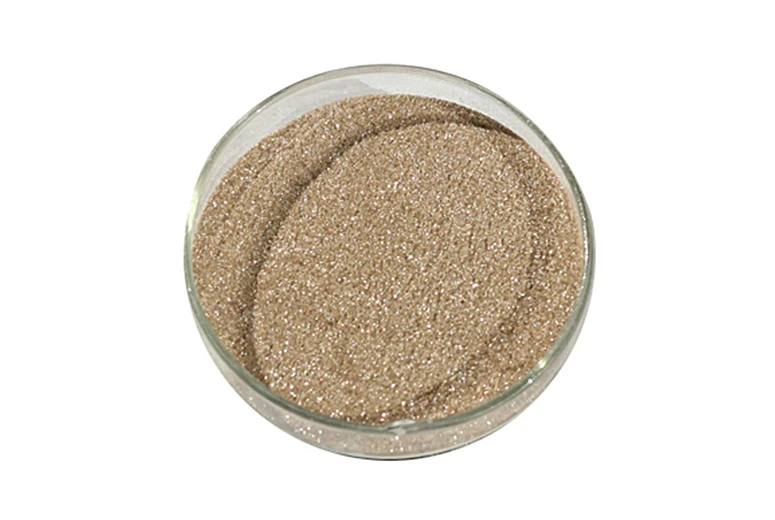
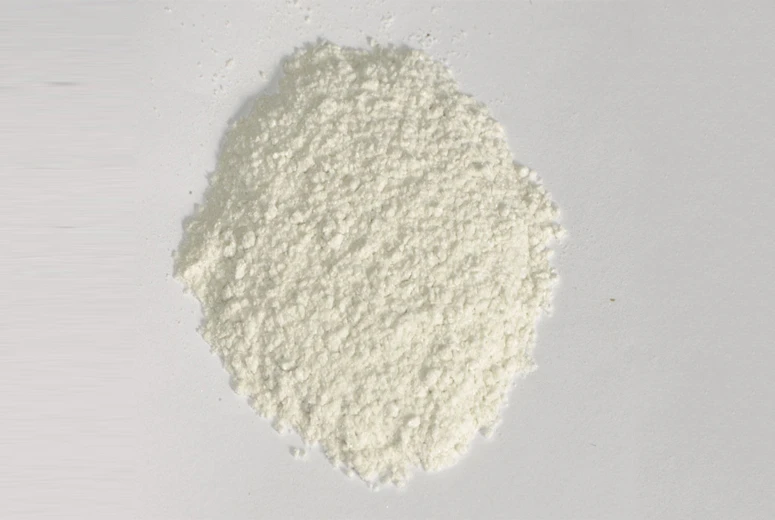
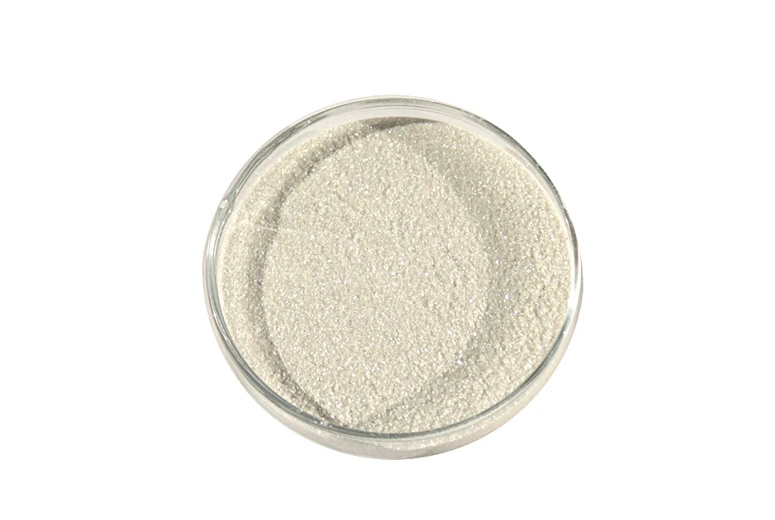
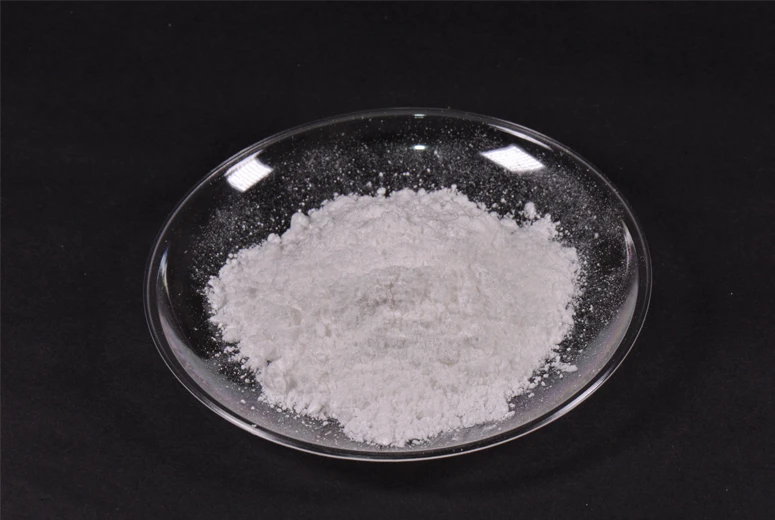
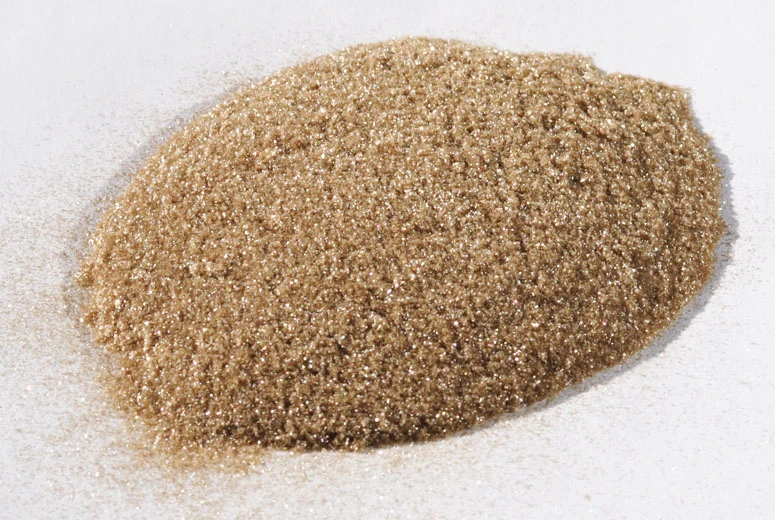
If you work around motors, furnaces, or battery packs, you already know: the unsung hero is phlogopite mica. To be honest, it’s not flashy—golden-brown flakes, steady dielectric numbers, and stubborn heat resistance. But that’s exactly why many OEMs keep specifying it. G-100 Phlogopite, sourced from Xujiatuan Ciyu Town, Lingshou County, Shijiazhuang City, Hebei, China, has been showing up in projects where muscovite used to be the default—and for good reason.
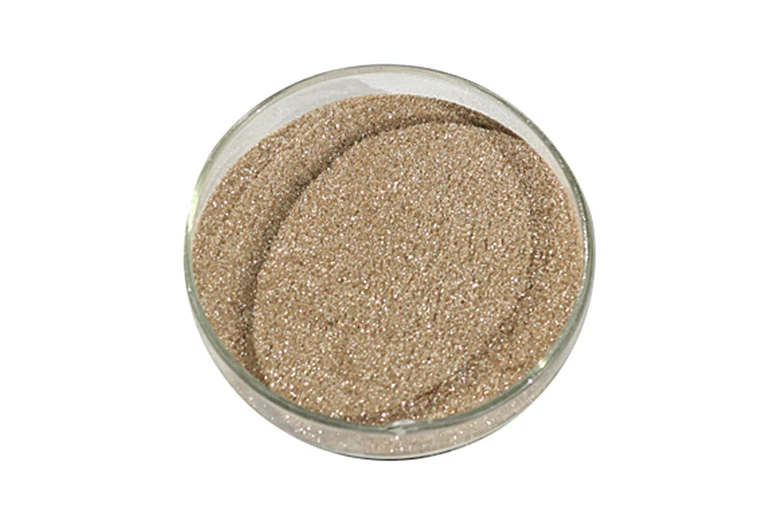
Industry trend check
Three converging pressures are pushing engineers toward phlogopite mica: higher operating temperatures (EV packs, e-motors, SiC inverters), tougher flame-barrier rules, and longer service-life targets. In fact, phlogopite’s higher MgO content boosts thermal endurance beyond muscovite, making it a favorite for high-temperature coatings, furnace gaskets, battery TRP layers, and insulation tapes in traction motors.
Where G-100 lands in the real world
-
- High-temp coatings and binders (especially where color isn’t restricted)
- EV battery thermal runaway propagation barriers and cell partitions
- Steel and foundry gaskets, tundish insulation, burner windows
- Class H/F electrical insulation, slot liners, mica tape windings
- Fire-stop panels and appliance heat shields
Spec highlights (G-100 Phlogopite)
| Form | Flake/powder; paper/tape options on request |
| MgO | ≈ 26–28% (typical) |
| SiO2 | ≈ 35–42% |
| K2O | ≈ 8–11% |
| Continuous temp | ≈ 700°C; short-term up to ~1000°C (real-world use may vary) |
| Dielectric strength | ≈ 15–20 kV/mm at 23°C per IEC 60243 |
| Thermal conductivity | ≈ 0.25–0.35 W/m·K |
| Density | ≈ 2.7–2.9 g/cm³ |
| Moisture absorption | Low (<0.5%) |
Process flow (what actually happens)
From mine to spec sheet, roughly:
- Selective mining at Lingshou (ore grading, visual sort).
- Beneficiation and delamination to preserve platelets.
- Granulation or pulping to target mesh; optional paper-making.
- Impregnation/calendering for tapes/sheets (often silicone or epoxy binders).
- QC testing: IEC 60371, IEC 60243, ASTM D150, ASTM D790; RoHS/REACH screening.
Service life: coatings and gaskets often 1–3 years in cyclic furnaces; e-motor insulation 20,000+ operating hours; fire-barrier panels depend on assembly design (UL 94/IEC 60695 verified, where applicable).
Vendor comparison (typical market snapshot)
| Vendor | Certs | Customization | Lead time | Notes |
|---|---|---|---|---|
| H&J G-100 | ISO 9001, REACH, RoHS | Mesh, paper/tape thickness, binder | ≈ 2–4 weeks | Traceable from Lingshou lot |
| Vendor A | ISO 9001 | Limited binder options | ≈ 4–6 weeks | Good for standard flakes |
| Vendor B | REACH | Custom color focus | ≈ 3–5 weeks | Coatings niche |
Customization and test data
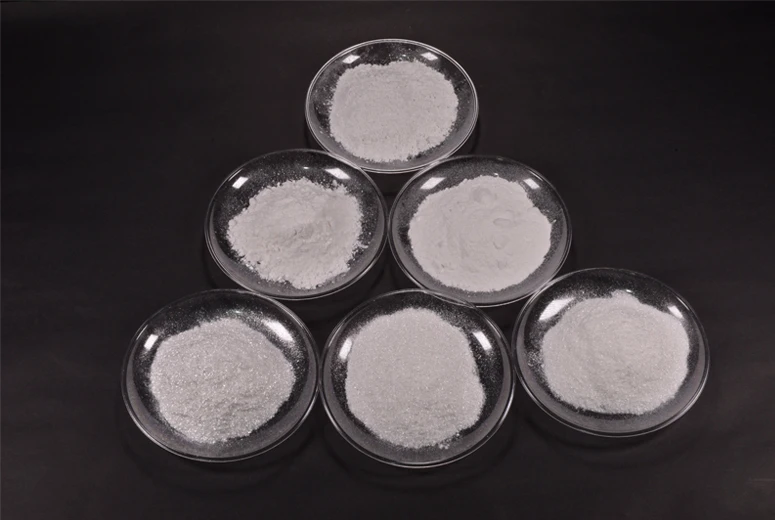
Granulometry from 20–325 mesh, mica paper from ~0.1–0.5 mm, and tapes with silicone or epoxy binders. Recent batches we saw: dielectric constant ≈ 6–7 at 1 kHz (ASTM D150), flexural strength of mica sheet ≈ 150–220 MPa (ASTM D790), and arc resistance exceeding 180 s (IEC 60112) on impregnated grades. Customers say the coating flow is “surprisingly” smooth when they switch to phlogopite mica with matched particle size distribution.
Mini case files
-
- EV pack: 0.3 mm mica-paper barrier held structural integrity after 20 minutes at ~800°C in a lab rig; OEM approved for pre-production.
- Steel plant: phlogopite gasket survived 14 months of thermal cycling, beating muscovite by ~30% life.
- High-temp coating: pigment-safe, steady dielectric, and fewer pinholes at 450–500°C cure—per feedback from a European line.
Why it wins (and when it doesn’t)
Advantages: higher thermal stability than muscovite, good dielectric strength, low smoke/toxicity, stable under rapid heat-up. Limitations: color is brownish (not great for decorative topcoats), and cost can be slightly higher for tightly graded fractions. Still, for critical heat zones, phlogopite mica is hard to beat.
Standards and references
- IEC 60371: Insulating materials based on mica.
- IEC 60243: Electric strength of insulating materials.
- ASTM D150: Dielectric properties of electrical insulating materials.
- ASTM D790: Flexural properties of plastics/composites (mica sheets).
- IEC 60695 / UL 94: Fire hazard testing and flammability.
-
Ultimate Guide to Using High Quality Pearl Paint Pigment for LusterNewsApr.16,2026
-
Elevating Automotive Aesthetics with Mica Powder Car PaintNewsApr.09,2026
-
Unlock Stunning Effects with Mica Powder for Paint ApplicationsNewsApr.07,2026
-
Comprehensive Guide to Mica Dye Powder Applications and BenefitsNewsApr.04,2026
-
Unlocking the Brilliance of Mica Pigment Paint for Diverse ApplicationsNewsMar.31,2026
-
Enhancing Concrete Performance with Durable Mica Chips for Concrete ApplicationsNewsMar.28,2026