
Pearl White Pigment – High Performance Industrial Solutions from HJMICA
Pearl White Pigment is a key solution in the industry, specifically within the coatings, plastics, and automotive sectors. This article explores how https://www.hjmica.com supports professionals with durable, high-performance products, and explains why this product is an ideal choice for businesses in these sectors.
Table of Contents
- Pearl White Pigment Overview
- Benefits & Use Cases of Pearl White Pigment
- Cost, Maintenance & User Experience
- Sustainability & Market Trends
Pearl White Pigment Overview
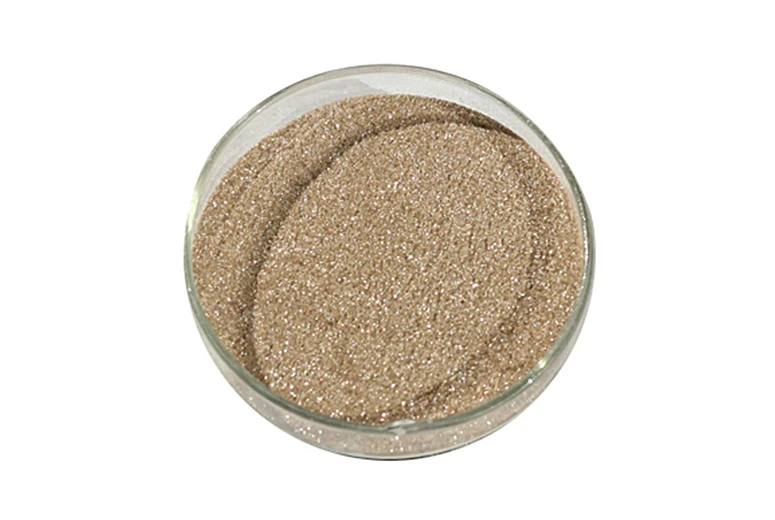
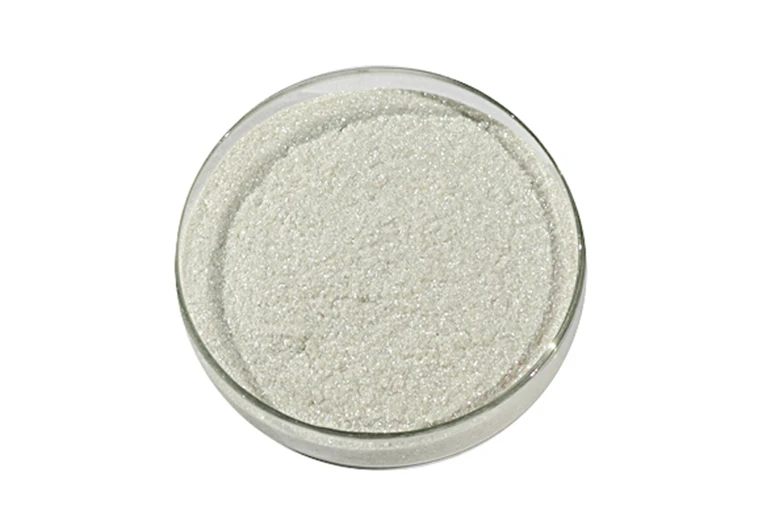
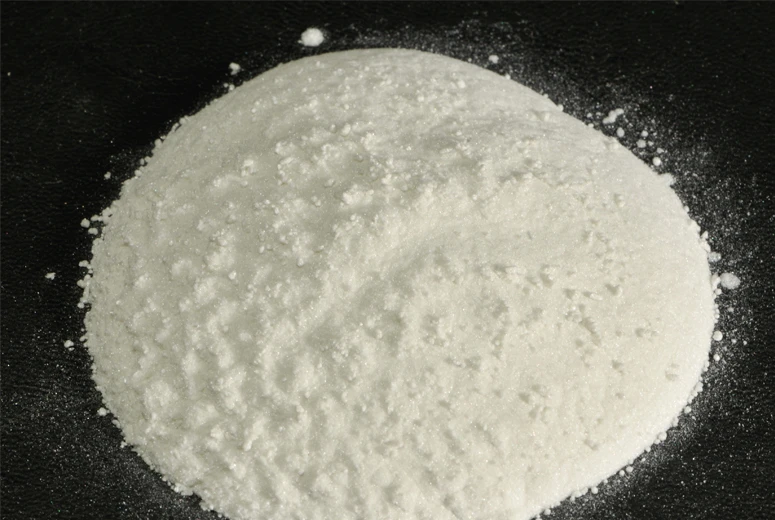
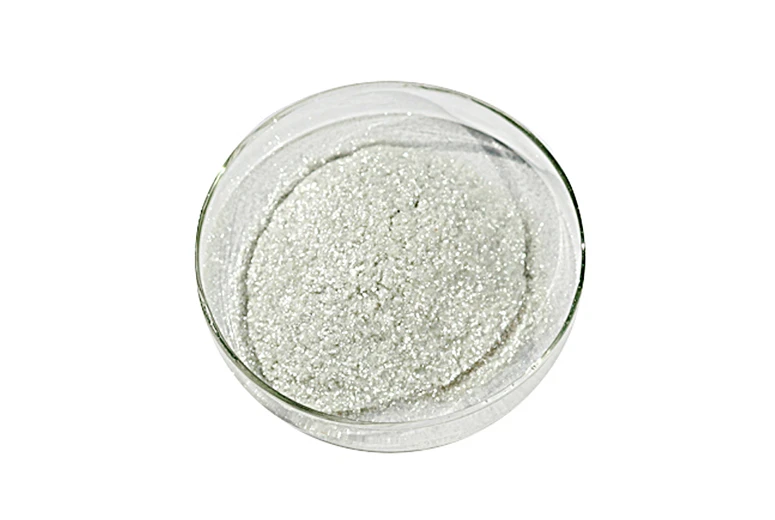
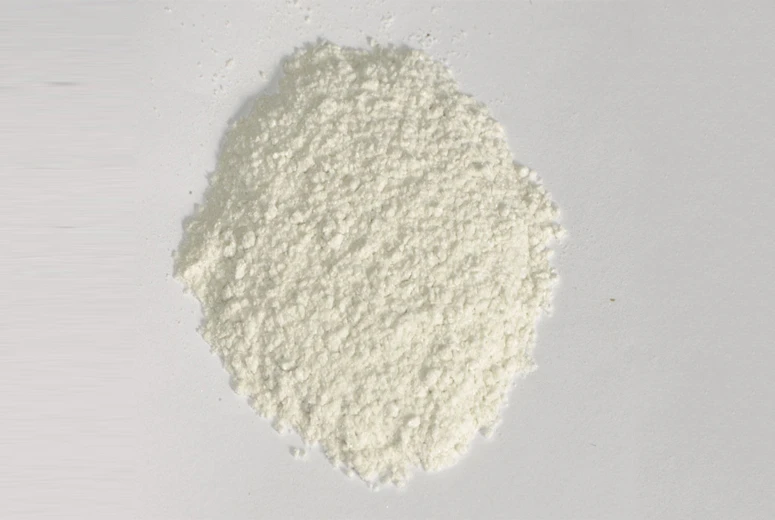
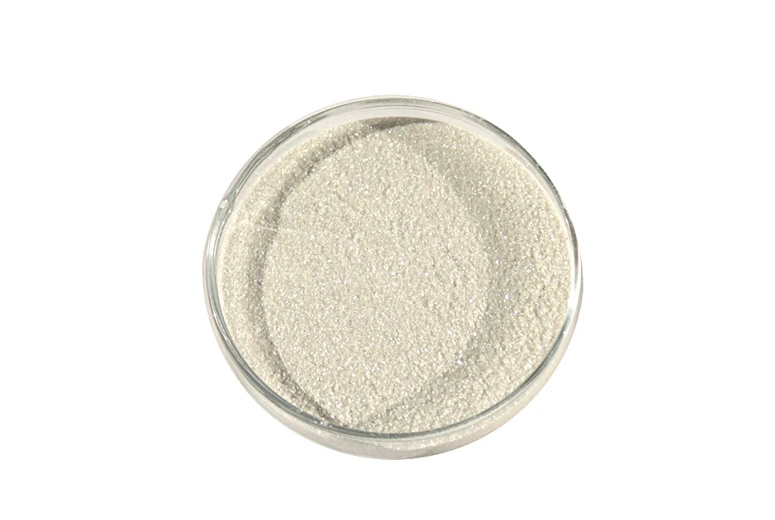
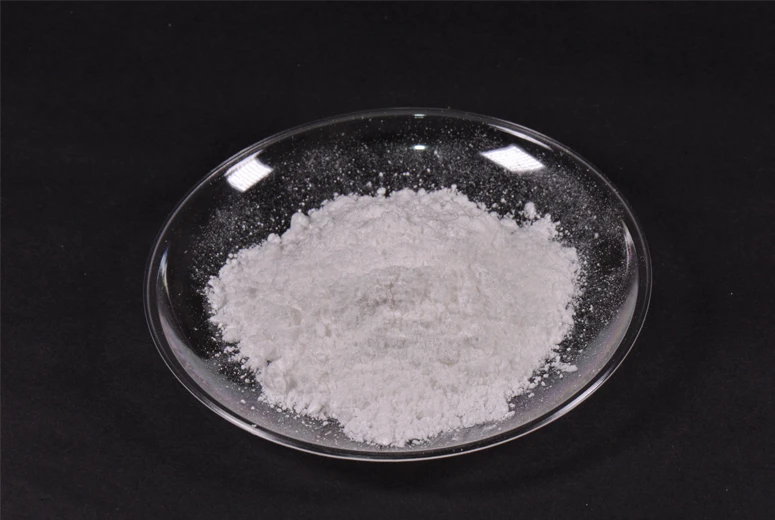
Pearl White Pigment, at its core, is a lustrous, shimmering additive widely used to give products that subtle but unmistakable pearlescent finish. It’s not just about fancy aesthetics; in industries like automotive coatings or plastics manufacturing, it helps create a visual depth and durability that standard pigments can’t match. Oddly enough, it’s these tiny, often microscopic mica flakes coated with titanium dioxide that do the heavy lifting here—reflecting and refracting light to produce that unique pearl-like glow.
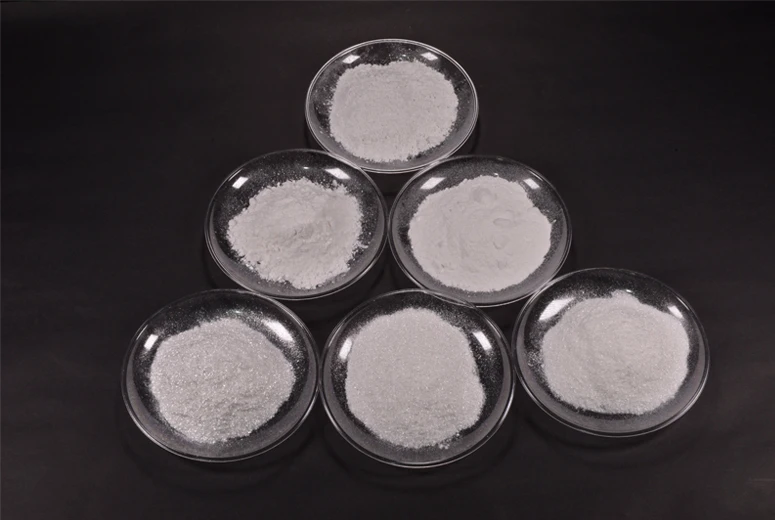
Technically speaking, the pigment’s quality depends on several factors: particle size, purity, and coating uniformity. For instance, HJMICA’s Pearl White Pigment is tested rigorously for consistent flake shape and size, offering excellent opacity and high brightness, which frankly ensures predictable, repeatable finishes for manufacturers. To give a sense of specs, here’s a quick rundown:
| Specification | Typical Value |
|---|---|
| Particle Size (microns) | 10 - 60 |
| Luster (Visual Grade) | High |
| Opacity | Superior |
| Chemical Stability | Excellent |
| Heat Resistance | Up to 700°C |
Benefits & Use Cases of Pearl White Pigment
The charm of Pearl White Pigment is its versatility and sheer impact across industries. Think about automotive manufacturers seeking that eye-catching pearlescent finish on luxury vehicles that changes subtly with the angle of light—this pigment makes it possible. Meanwhile, plastics producers leverage it for consumer goods that need a premium, shiny look without compromising durability.
It’s not all style, though. This pigment provides competitive advantages in terms of weather resistance and chemical inertness, meaning coatings last longer outside where UV exposure and pollutants might degrade inferior pigments. Honestly, many engineers say this product cuts down repeat maintenance cycles, saving costs that add up over time.
Even more interesting: the pigment’s performance in coatings used for appliances or cosmetics packaging offers improved light reflection, creating eye-pleasing visual effects that stand out on shelves. And, because it’s inorganic and non-toxic, it’s widely compliant with regulatory standards globally.
Cost, Maintenance & User Experience
When decision makers run the numbers, one thing is clear: the total cost of ownership with Pearl White Pigment is quite favorable. While upfront costs might be slightly higher than conventional white pigments, the extended durability and reduced fading translate into better long-term ROI.
Maintenance costs—think about repainting or refurbishing surfaces—drop because Pearl White Pigment resists chalking and color loss. Some clients in automotive parts manufacturing report a 20% improvement in lifespan of finished products, which frankly makes the investment far more palatable.
User feedback often highlights easy dispersibility of the pigment in various media, from powder coatings to injection-molded plastics. It feels smooth to work with, and the pigment’s consistent quality reduces variability in final batches, something quality control teams truly appreciate.
Sustainability & Market Trends
Sustainability is no passing trend here—blink and you might miss it. The pigments market is shifting as clients demand eco-friendlier materials. Fortunately, Pearl White Pigment ticks that box: it’s mineral-based and free from heavy metals or harmful organics commonly phased out under tightening regulations.
Industry analysts notice growing demand in Asia-Pacific specifically, driven by automotive and electronics sectors leaning toward premium appearances without environmental compromises. Companies like HJMICA stay ahead by aligning production processes with green initiatives, lowering energy consumption and minimizing waste.
| Vendor | Quality Consistency | Eco-Friendliness | Cost Efficiency | Global Reach |
|---|---|---|---|---|
| HJMICA | Excellent | High | Competitive | Worldwide |
| Vendor B | Good | Medium | Higher | Limited |
| Vendor C | Fair | Low | Low | Regional |
Frequently Asked Questions about Pearl White Pigment
- What is Pearl White Pigment and how does it work?
- Pearl White Pigment is a composite of mica flakes coated with titanium dioxide which, due to their unique reflective properties, create a pearlescent shine by reflecting and refracting light. This effect adds depth and brilliance to coatings and plastics.
- What are the main benefits of using Pearl White Pigment in industrial applications?
- It enhances visual appeal with durable shimmer, improves resistance to UV and chemical exposure, and offers long-lasting performance which reduces maintenance cycles and operational costs.
- How does Pearl White Pigment compare to traditional alternatives?
- Compared to conventional pigments, it provides superior brightness, weatherability, and a more striking aesthetic effect. Its inorganic composition ensures better stability and compliance with environmental standards.
- What industries can benefit most from Pearl White Pigment implementation?
- Primarily, automotive, plastics, coatings, cosmetics, and consumer electronics sectors benefit due to the pigment’s ability to provide premium finishes and durable performance in their products.
Conclusion on Pearl White Pigment from china
To wrap it up, Pearl White Pigment stands out as a valuable resource for businesses aiming to enhance product appeal without sacrificing durability or compliance. Its technical qualities, combined with the sustainability focus of vendors like those at https://www.hjmica.com, make it a smart choice in various demanding industrial applications.
- Recap the value of Pearl White Pigment.
- - Visit our website: https://www.hjmica.com
References:
1. Industry White Papers on Pearl Pigments, 2023.
2. HJMICA Product Testing Reports, 2024.
3. Market Trends Analysis by Chemical Insights, 2023.
-
Ultimate Guide to Using High Quality Pearl Paint Pigment for LusterNewsApr.16,2026
-
Elevating Automotive Aesthetics with Mica Powder Car PaintNewsApr.09,2026
-
Unlock Stunning Effects with Mica Powder for Paint ApplicationsNewsApr.07,2026
-
Comprehensive Guide to Mica Dye Powder Applications and BenefitsNewsApr.04,2026
-
Unlocking the Brilliance of Mica Pigment Paint for Diverse ApplicationsNewsMar.31,2026
-
Enhancing Concrete Performance with Durable Mica Chips for Concrete ApplicationsNewsMar.28,2026