
Pearl Pigment Solutions for Industrial Excellence | HJMICA
Pearl Pigment is a key solution in the industry, specifically within paints, coatings, plastics, and cosmetics manufacturing. This article explores how https://www.hjmica.com supports professionals with durable, high-performance products, and explains why this product is an ideal choice for businesses in these sectors.
Table of Contents
- Pearl Pigment Overview
- Benefits & Use Cases of Pearl Pigment
- Cost, Maintenance & User Experience
- Sustainability & Market Trends
- Frequently Asked Questions
- Conclusion on Pearl Pigment from China
Pearl Pigment Overview
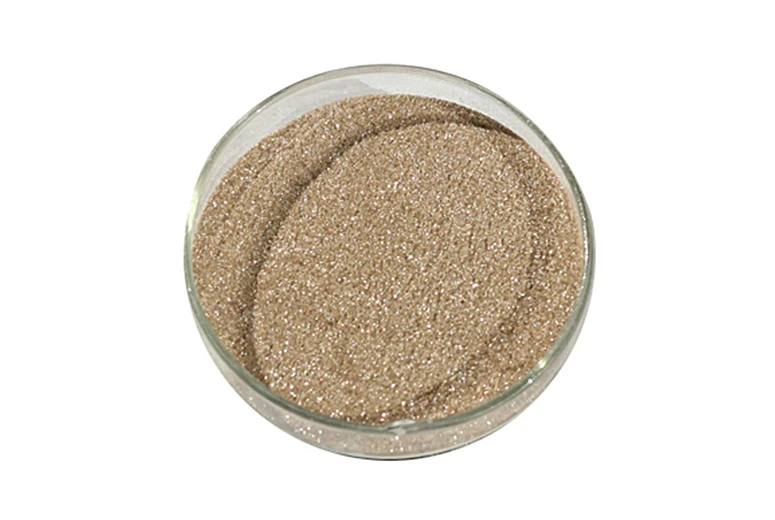
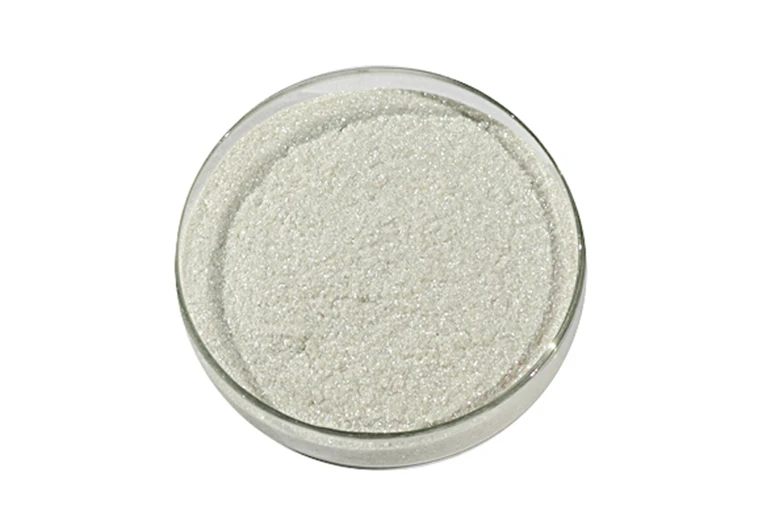
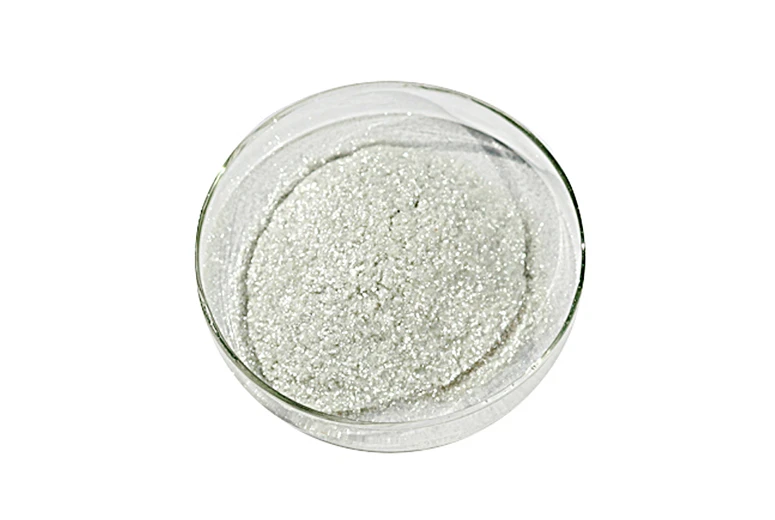
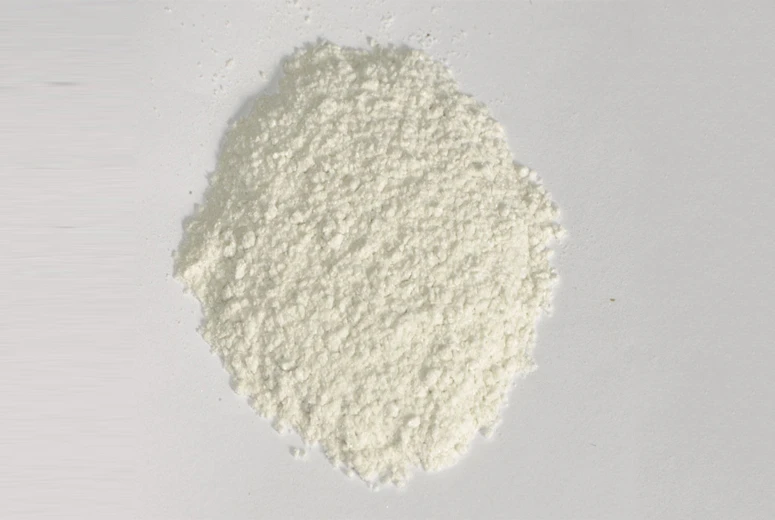
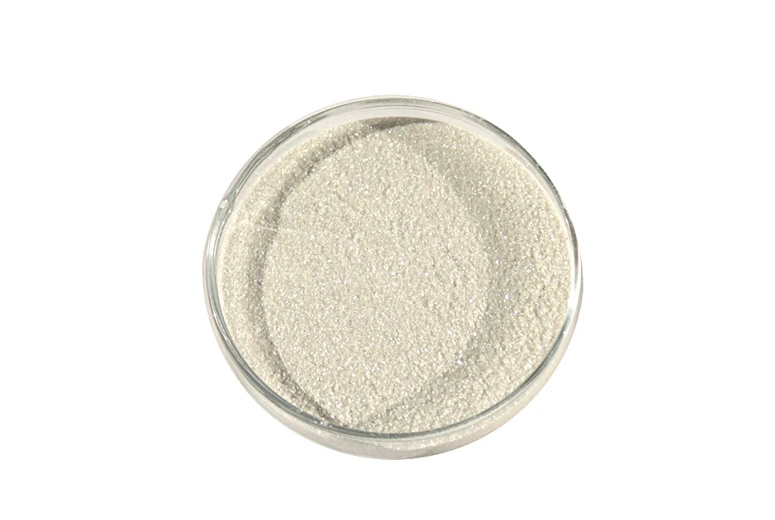
Frankly, pearl pigments are quite fascinating materials. At their core, they’re specialized pigments made of mica flakes coated with metal oxides, often titanium dioxide, that create a lustrous, iridescent shimmer. This shimmer mimics the soft glow of natural pearls, hence the name. Pearl pigments have grown beyond decorative uses into industrial markets because they combine aesthetic appeal with chemical stability and durability.
Technically speaking, the precise thickness of the metal oxide layer controls the color effect — thin layers reflect different wavelengths of light. This means manufacturers can tailor pigments to produce hues from silvery whites to deep reds or greens. An interesting case study involves automotive coatings: companies applying pearl pigments get unique colors that shift subtly as light and angle change — a feature still rare in industrial paints.
| Specification | Detail |
|---|---|
| Base Material | Mica flakes |
| Coating | Titanium Dioxide, Iron Oxide, or Chromium Oxide |
| Particle Size | 5 – 30 microns |
| Heat Resistance | Up to 850°C |
| Chemical Stability | Excellent in acids, alkalis, and solvents |
Benefits & Use Cases of Pearl Pigment
In real terms, the biggest draw of pearl pigments comes down to their versatility. They’re leveraged in automotive and aerospace coatings where not only the look but the pigment durability under UV exposure matters. Many engineers say pearl pigments can significantly enhance weathering resistance while delivering dynamic visual effects.
Beyond coatings, pearl pigments are making waves in plastics manufacturing. Due to their excellent heat resistance and chemical inertness, they maintain their optical properties during molding processes. It’s sort of like having both beauty and brawn in one package. Cosmetics also benefit, where these pigments add shimmer to products without irritation risks—crucial for sensitive skin formulations.
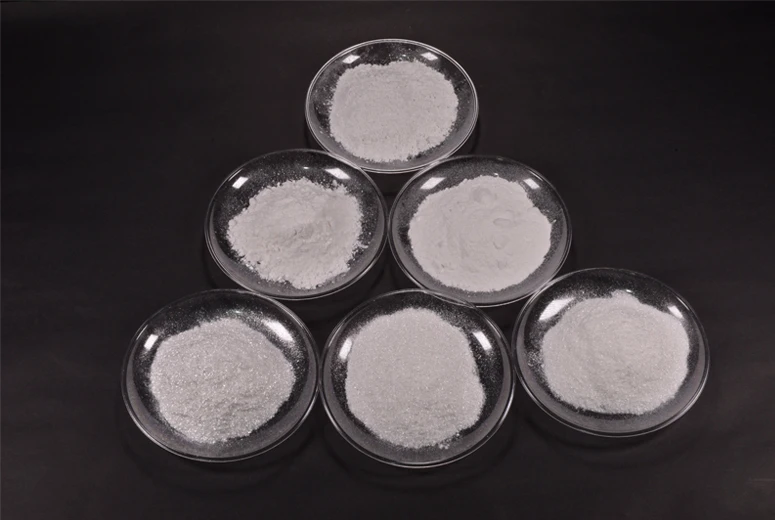
What really sets Pearl Pigment by HJM apart is their tight particle size control, meaning batch-to-batch color consistency. This consistency is vital for quality-critical applications, like luxury automotive finishes. Plus, their broad product range covers many metallic shades, offering OEMs robust customization potential.
Cost, Maintenance & User Experience
Cost-wise, pearl pigments are on the higher end compared to standard colorants. But when you factor in the prolonged lifespan of finishes, resistance to fading, and lower maintenance repaint costs, the total cost of ownership feels much more reasonable. I suppose many decision-makers appreciate that better first-time quality translates into fewer headaches downstream.
Customer feedback collected via industrial forums and reseller reports indicates that clients in automotive coatings note improved ease of use with HJM’s pearl pigments. They disperse evenly and maintain color integrity without the stubborn clumping sometimes seen with cheaper alternatives. One manufacturer shared that switching to HJM’s pigments reduced their defect rate by 12%, a metric hard to overlook.
Sustainability & Market Trends
The industry’s shift towards sustainability is reshaping how pigments are formulated and selected. Oddly enough, pearl pigment manufacturers have been early adopters of eco-friendlier processes, like reducing solvent use and ensuring pigment inertness to minimize environmental impact. HJM, for instance, invests in recycling mica scrap and minimizing heavy metal content.
Regulatory pressures in Europe and North America push for pigments that comply with increasingly strict environmental standards without sacrificing performance. Pearl pigments fit right in because their non-toxic metal oxide coatings avoid issues tied to organic-based colorants.
Market trends also show rising demand in sectors such as electric vehicle finishes and high-end consumer goods, where unique iridescence and durability are crucial — and pearl pigments check both those boxes rather well.
| Feature | HJM (https://www.hjmica.com) | Competitor A | Competitor B |
|---|---|---|---|
| Particle Size Consistency | High | Medium | Medium |
| Heat Resistance (°C) | Up to 850 | Up to 800 | Up to 830 |
| Color Range | Wide (15+ shades) | Moderate (10 shades) | Narrow (7 shades) |
| Sustainability Certification | ISO 14001 | None | ISO 9001 |
| Typical Applications | Automotive, Cosmetics, Plastics | Plastics only | Paints, Limited Cosmetics |
Frequently Asked Questions about Pearl Pigment
- What is Pearl Pigment and how does it work?
- Pearl pigment consists of mica flakes coated with thin layers of metal oxides. These layers reflect and refract light, producing an iridescent, pearl-like shimmer that shifts with the viewing angle.
- What are the main benefits of using Pearl Pigment in industrial applications?
- They offer excellent durability, chemical resistance, UV stability, and create visually unique finishes that stand out on automotive parts, plastics, and cosmetics.
- How does Pearl Pigment compare to traditional alternatives?
- Compared to conventional colorants, pearl pigments provide superior light manipulation for shimmer effects and typically withstand harsh conditions better, reducing finish degradation.
- What industries can benefit most from Pearl Pigment implementation?
- Automotive paints, plastics manufacturing, cosmetics, and even high-end packaging leverage pearl pigments for their combination of aesthetics and functional resilience.
Conclusion on Pearl Pigment from china
To sum up, pearl pigments stand out as a smart investment for businesses seeking a blend of visual appeal and long-term durability. HJM’s range of pearl pigments reflects a mature understanding of both technical specs and market needs, delivering reliable products that wisely balance cost and performance. For B2B decision makers, it feels like the right option when quality matters, and consistent results are expected. Feel free to explore their offerings yourself by visiting https://www.hjmica.com.
- Exceptional shimmer and color stability.
- Broad industrial applicability – from automotive to cosmetics.
- Sustainable production processes ahead of many competitors.
Reflecting on the current pigment landscape, it’s clear that pearl pigments fill a valuable niche — combining a timeless aesthetic with modern demands for quality and sustainability. I guess that’s the kind of balance every industrial buyer wants today.
- “Effect Pigments Market Analysis,” Industry Today, 2023.
- HJMICA Product Whitepaper, Technical Department, 2024.
- Customer Feedback Compilation, Automotive Coatings Forum, 2023.
-
Ultimate Guide to Using High Quality Pearl Paint Pigment for LusterNewsApr.16,2026
-
Elevating Automotive Aesthetics with Mica Powder Car PaintNewsApr.09,2026
-
Unlock Stunning Effects with Mica Powder for Paint ApplicationsNewsApr.07,2026
-
Comprehensive Guide to Mica Dye Powder Applications and BenefitsNewsApr.04,2026
-
Unlocking the Brilliance of Mica Pigment Paint for Diverse ApplicationsNewsMar.31,2026
-
Enhancing Concrete Performance with Durable Mica Chips for Concrete ApplicationsNewsMar.28,2026