
Pearl Pigment Powder: Industrial Uses, Quality & Supplier Insights
Exploring the Versatility of Pearl Pigment Powder in Industrial Applications
Having spent more than a decade immersed in the industrial equipment world, I can say pearl pigment powder remains one of those quietly fascinating materials. It’s not just about the shimmer or the sparkle — though, admittedly, that’s always the first thing that catches your eye. What really intrigues me is how adaptable and nuanced this powder is, especially when customized for different manufacturing needs.
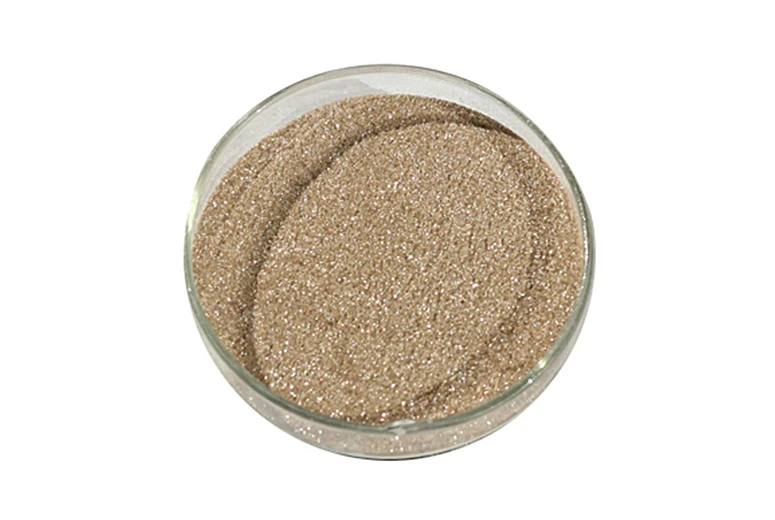
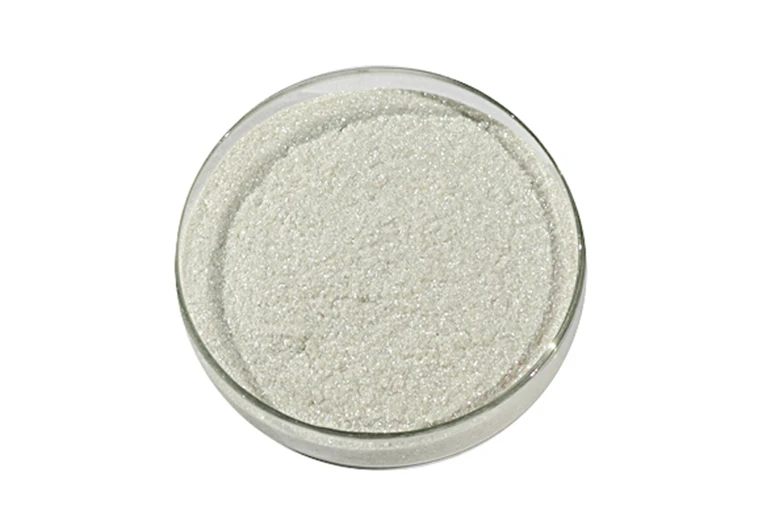
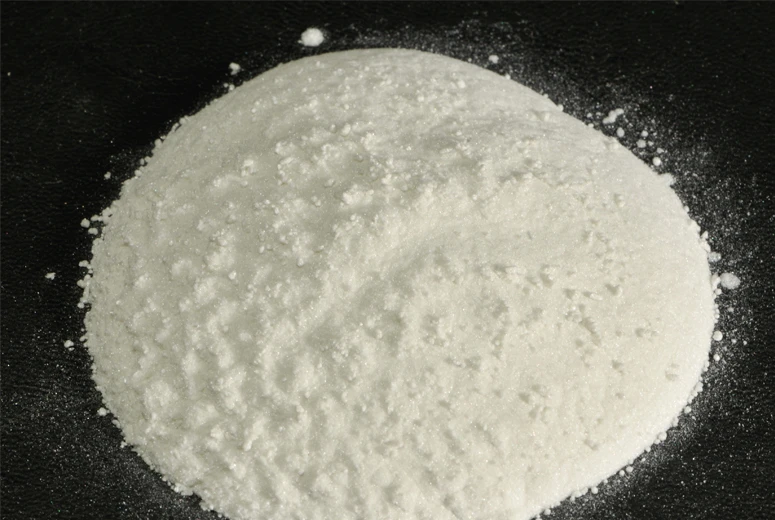
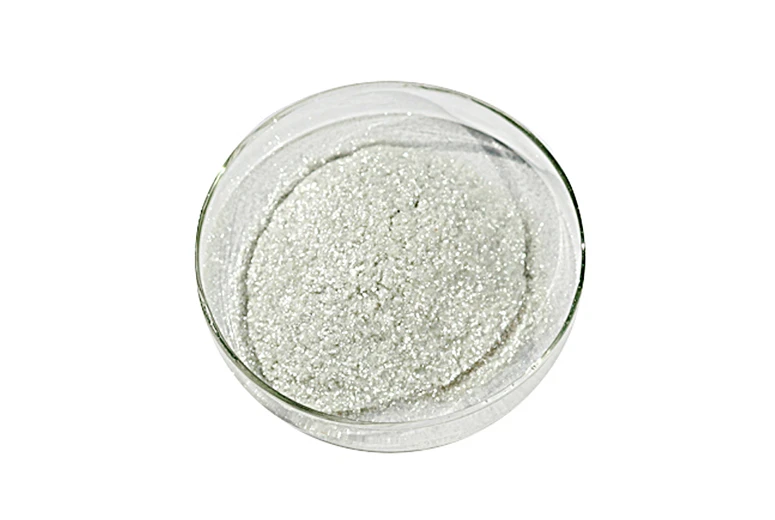
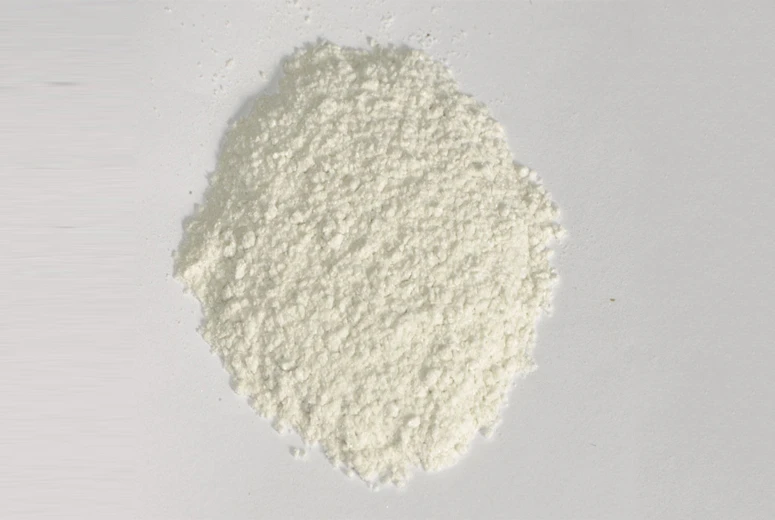
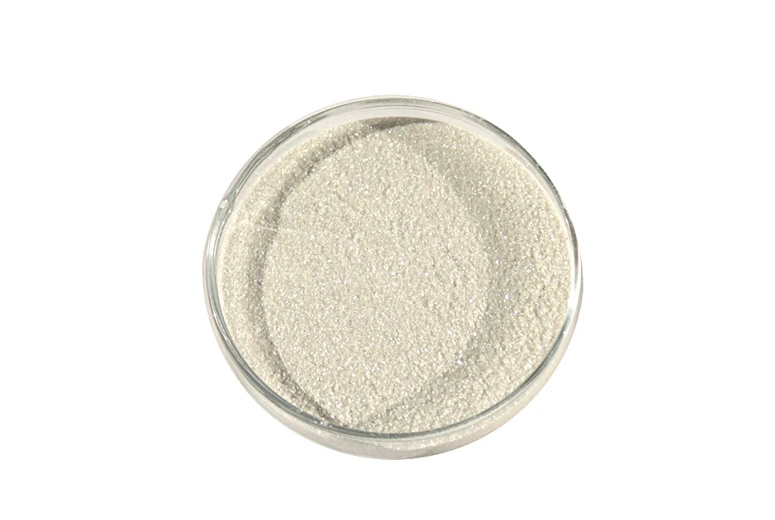
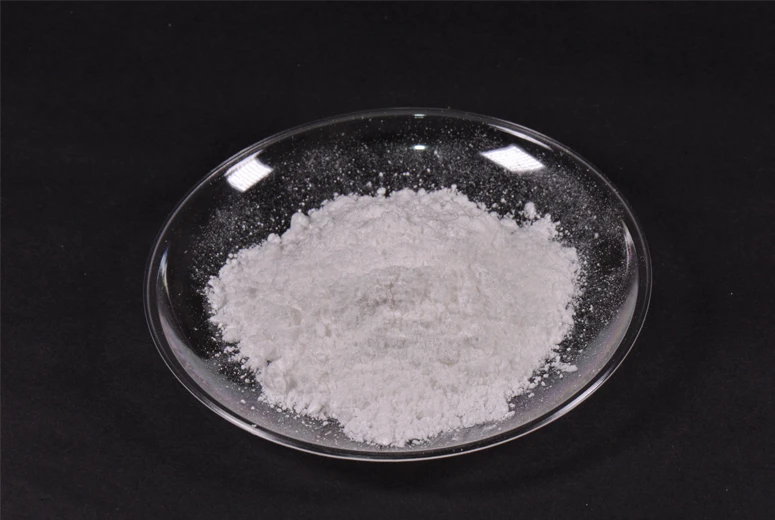
Pearl pigment powder has become something of a go-to choice for a range of industries—from automotive coatings to cosmetics and upscale packaging. The way it refracts light gives surfaces a pearlescent effect that’s tough to mimic with typical pigments. Oddly enough, the technology behind these powders combines both art and science. It’s all about layering mica flakes with metal oxides to get that signature glow.
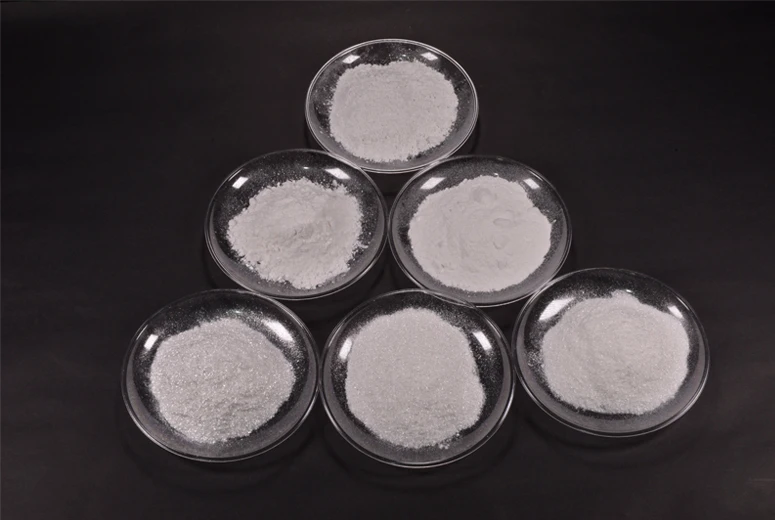
From personal experience, the quality of pearl pigments varies a lot. A key factor is particle size — smaller flakes tend to deliver a smoother, more sophisticated shimmer, while larger flakes offer more sparkle and texture. In some projects, I’ve seen engineers test out different grades to strike a balance between brilliance and durability. Frankly, these choices can alter both aesthetics and performance, especially under harsh industrial conditions.
Here’s a quick glance at typical product specs I’ve worked with, focusing on a popular pearl pigment powder variant:
| Specification | Typical Value |
|---|---|
| Base Material | Mica coated with titanium dioxide |
| Particle Size | 15–40 microns |
| Color Range | White, Gold, Silver, Pink |
| Gloss Level | High gloss pearl effect |
| Heat Resistance | Up to 200°C |
One challenge in this field is sourcing reliably consistent product batches—pearls, you know, can be somewhat finicky. I recall a supplier who once sent a batch that subtly shifted in color intensity. We had to perform additional optical density tests to ensure uniformity. It was a minor headache, but it underscored how tightly controlled manufacture needs to be.
Speaking of suppliers, here’s a vendor comparison I’ve put together from recent industry evaluations. It’s quite enlightening to see how different suppliers stack up in terms of pigment quality, customization, and delivery times:
| Vendor | Pigment Quality | Customization Options | Lead Time |
|---|---|---|---|
| HJMICA | High (Consistent particle size, vivid pearlescence) | Wide range of colors, particle sizes | 2–3 weeks |
| Vendor B | Medium (Some batch variability) | Limited colors, fixed sizes | 4–5 weeks |
| Vendor C | High (Premium pricing) | Custom formulations available | 3–4 weeks |
For those interested, I’d recommend taking a close look at HJMICA's pearl pigment powder. The consistency and range of customization options make their products stand out — and frankly, their customer service has been quite responsive in my dealings.
In real terms, pearl pigments improve visual appeal, but they also can offer functional benefits, like UV resistance and heat stability, depending on the coating and composition. I remember one project with an automotive client who needed a pigment that could hold up to exterior stress without dulling over time. Pearl pigment powder was an elegant solution—giving both depth and durability.
All in all, if you’re considering using pearl pigment powder, pay as much attention to testing and supplier reliability as you do to color. It feels obvious, but in this line of work, those details often make or break the final product.
So, whether you’re in coatings, plastics, or even cosmetics, pearl pigment powder is a subtle but powerful ingredient that makes surfaces come alive. And honestly? It’s quite satisfying to see that effect in person—something the photos don’t always capture.
Reflection: Over the years, the evolution of pearl pigments has been quietly transformative. The mix of chemistry, optics, and engineering makes it a microcosm of industrial innovation. For anyone curious, diving into these materials opens a fascinating window into how aesthetics and functionality merge in manufacturing.
References:
- Industrial Coatings Journal, 2022: Advances in Pearlescent Pigments
- Materials Science Review, 2021: The Role of Mica in Coating Applications
- Supplier Technical Reports from HJMICA, 2023
-
Ultimate Guide to Using High Quality Pearl Paint Pigment for LusterNewsApr.16,2026
-
Elevating Automotive Aesthetics with Mica Powder Car PaintNewsApr.09,2026
-
Unlock Stunning Effects with Mica Powder for Paint ApplicationsNewsApr.07,2026
-
Comprehensive Guide to Mica Dye Powder Applications and BenefitsNewsApr.04,2026
-
Unlocking the Brilliance of Mica Pigment Paint for Diverse ApplicationsNewsMar.31,2026
-
Enhancing Concrete Performance with Durable Mica Chips for Concrete ApplicationsNewsMar.28,2026