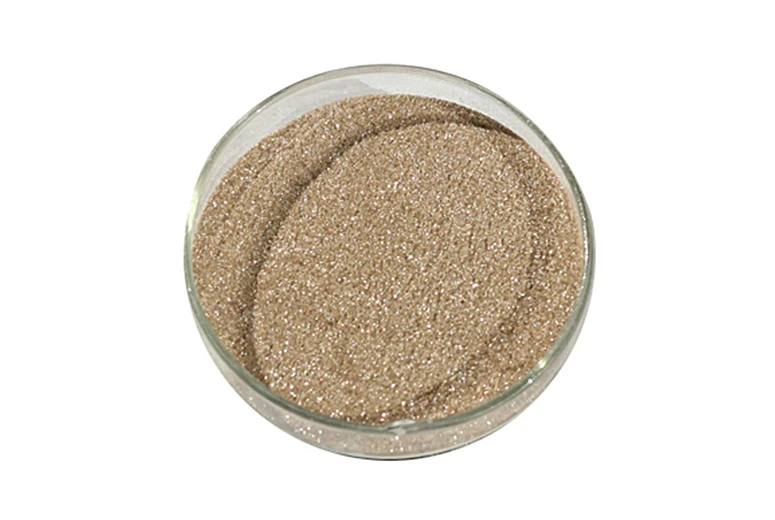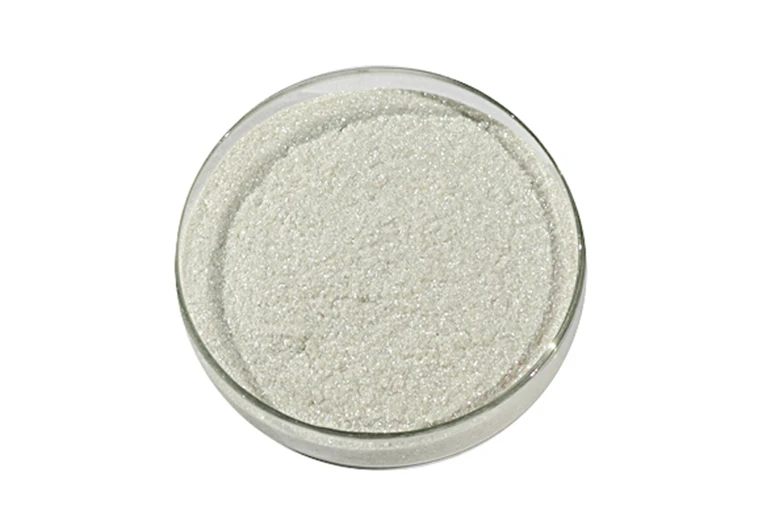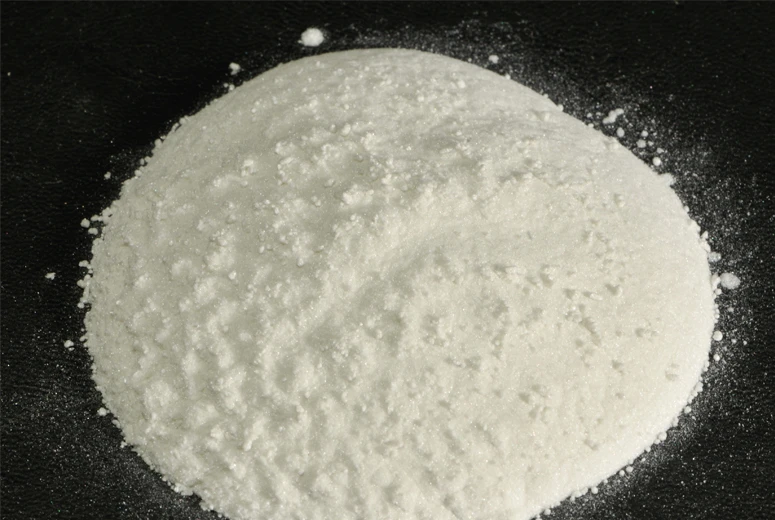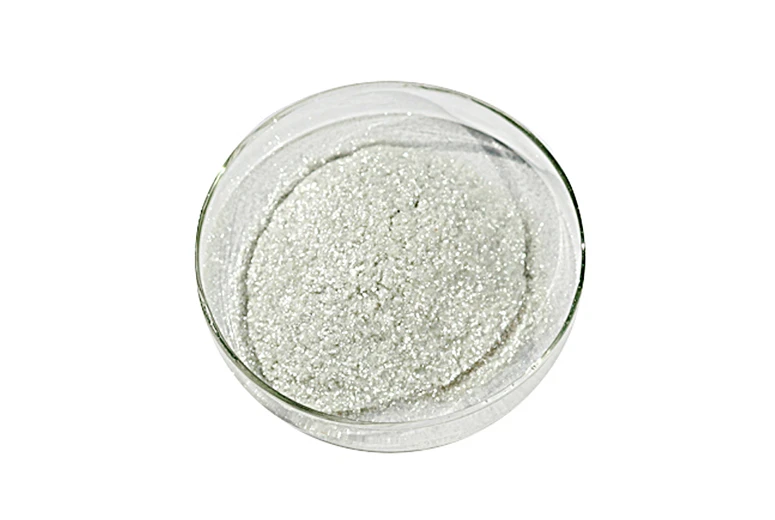

Need 10-60μm Synthetic Mica Powder with High Purity?
Inside the Supply Chain: Why 10-60μm Synthetic Mica Powder keeps winning in coatings, plastics, and cosmetics
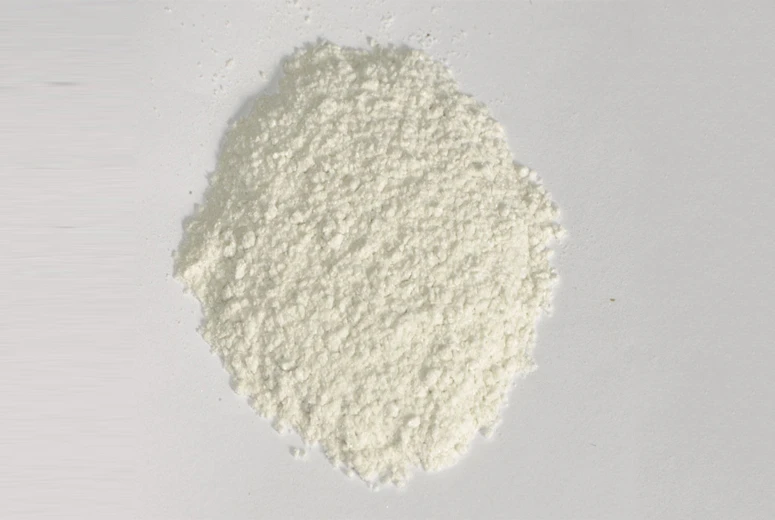
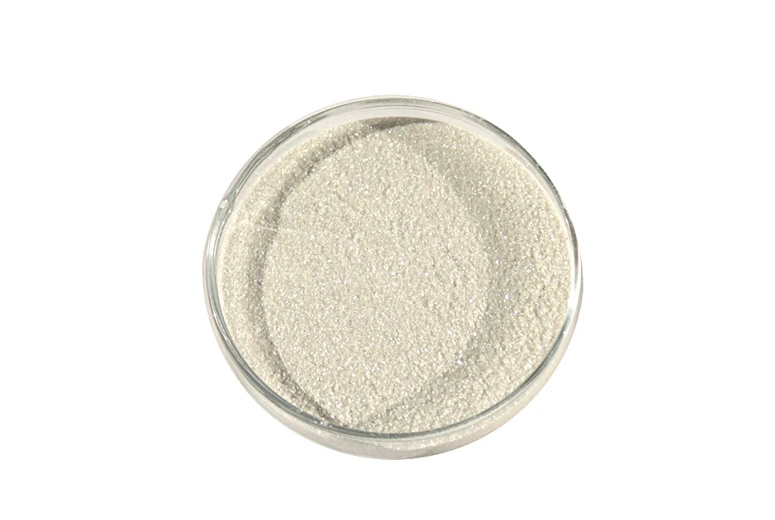
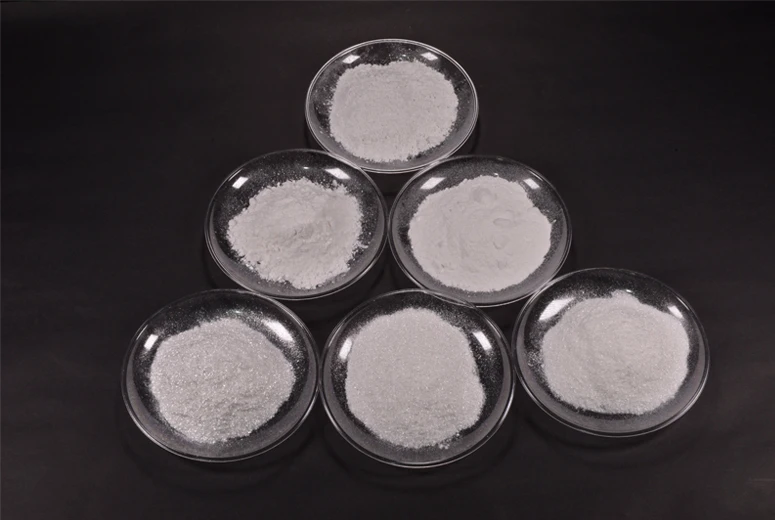
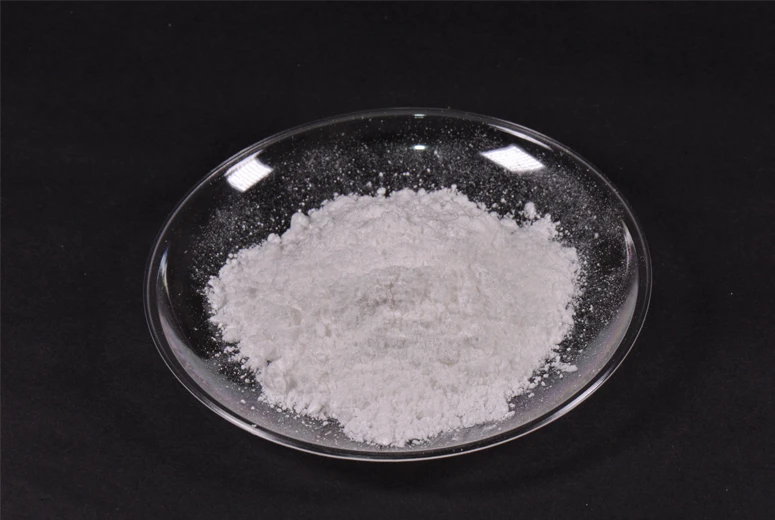
I’ve toured pigment lines from Guangdong to Gdańsk, and few materials have as many quiet fans as this one. From pearl automotive clearcoats to crystal-clean nail gels, 10-60μm Synthetic Mica Powder has become the “do-it-right” substrate most labs reach for. Originating from Xujiatuan Ciyu Town, Lingshou County, Shijiazhuang City, Hebei, the latest batches I sampled were clean, glassy, and—crucially—consistent. Many customers say it simply “disappears” in the film and lets the effect pigments do their thing.
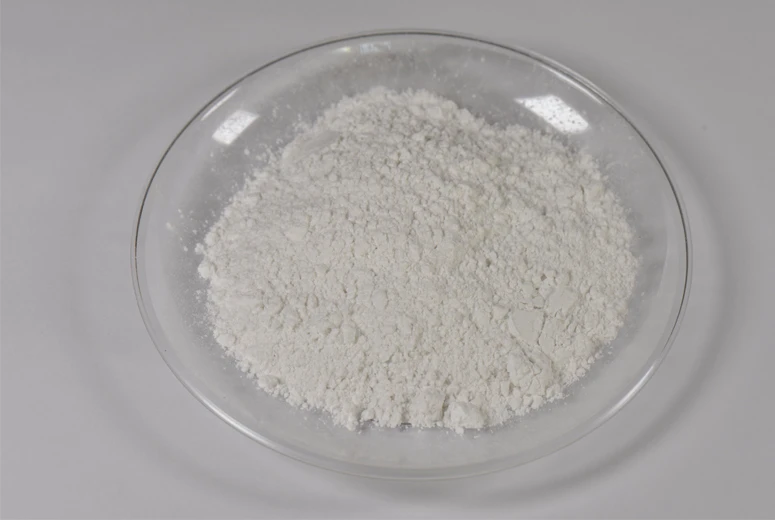
How it’s made (short version you can actually use)
The producer selects high-clarity synthetic mica sheets (fluorophlogopite), then goes through repeated immersion and cleaning to pull out micro-impurities. After a careful trip through a kneading grinder—designed to avoid scratches and keep platelet edges crisp—the slurry rests. And rests. About 70 days of natural precipitation, fully graded, no shortcuts. I know, that’s a long time for inventory, but it pays off in uniformity.
Industry trend? Labs are pivoting away from natural mica toward 10-60μm Synthetic Mica Powder for brightness and regulatory predictability (REACH, cosmetics). In fact, several European ink makers told me they cut batch rework by double digits after the switch. Not glamorous, but it matters.
Technical specifications (typical, real-world use may vary)
| Parameter | Typical Value | Method / Note |
|---|---|---|
| Particle size distribution | 10–60 μm (D10≈8 μm, D50≈22–28 μm, D90≈65 μm) | Laser diffraction, ISO 13320 |
| Whiteness (L) | ≥ 92 ±1 | ISO 7724 / ASTM D2244 |
| Oil absorption | ≈ 35–45 g/100 g | ISO 787-5 |
| Moisture | ≤ 0.5% | ISO 787-2 |
| pH (10% slurry) | 6.5–8.5 | ISO 787-9 |
| Heavy metals | Pb/Cd/As/Hg each | ICP-MS; REACH & EU cosmetics guidance |
| Thermal stability | Up to ≈ 900°C | No visible yellowing in typical bake cycles |
Applications and why labs pick it
- Coatings: pearl automotive, powder coatings, DIY furniture varnishes (clean sparkle, better flop control).
- Printing inks and packaging: sharper highlights at low loadings, easier dispersion vs natural mica.
- Plastics & masterbatch: higher clarity in PC/PMMA; good heat resistance for extrusion lines.
- Cosmetics: nail gels, eye palettes—consistently bright base; many brands report smoother pay-off.
- Epoxy terrazzo and countertops: bright, glassy depth without grit.
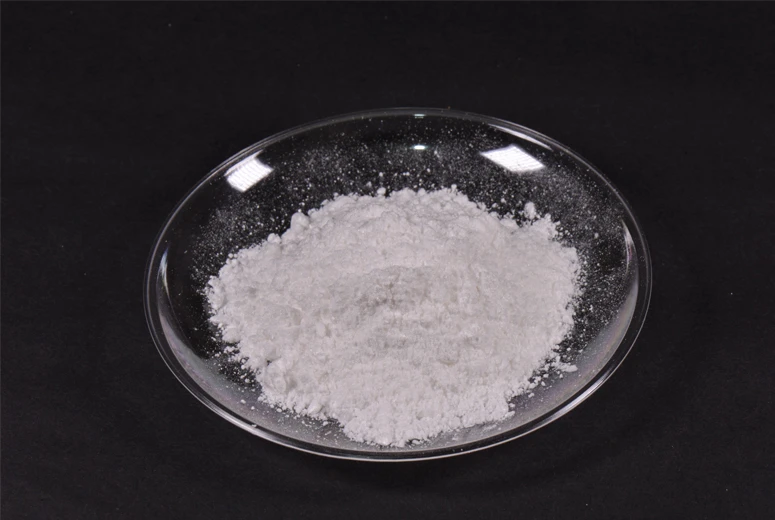
Process flow, testing, and service life
Materials: high-transparency synthetic mica sheets; ultrapure water; no added fillers. Methods: immersion cleaning → impurity removal → kneading grind (low-scratch) → 70-day natural precipitation grading. Testing: particle size (ISO 13320), color/whiteness (ISO 7724), oil absorption (ISO 787-5), gloss in formulated systems (ASTM D523), and heavy metals by ICP-MS for REACH compliance. In service, coatings maintain effect for 5–8 years outdoors (typical 2K systems, proper UV package), cosmetics pass 3–6 month accelerated stability at 45°C (brand data, to be honest, always confirm in your base).
Vendor snapshot (what buyers actually compare)
| Vendor | Clarity/Purity | Uniformity | Lead Time | Customization | Certifications |
|---|---|---|---|---|---|
| H&J Mica (Hebei, China) | High (crystal transparent) | Tight PSD, low scratch | ≈ 2–3 weeks | PSD tweaks, surface treatment on request | ISO 9001, REACH/SGS test reports |
| Generic Regional Supplier | Medium | Mixed lots | 1–4 weeks | Limited | Varies |
| Overseas Distributor | Medium–High | Good, with price premium | Stock dependent | By MOQ | Often ISO 9001 |
Real-world results
- Automotive refinish shop (Poland): switched to 10-60μm Synthetic Mica Powder base for pearl clear; 60° gloss improved by ≈12 points (ASTM D523) at same loading, and panel-to-panel color shift dropped visibly.
- Indie nail brand (US): heavy metals consistently ND; 3-month 45°C stability showed no phase separation; customers noted “cleaner sparkle.”
Customization & QC
Available with tailored PSD bands (e.g., tighter D90) and optional surface treatments for easier dispersion in solvent or waterborne systems. COA includes PSD (ISO 13320), moisture, L, and metals. Many buyers also request third-party SGS/Intertek REACH screening—worth it for global shipments, I guess.
Bottom line: If you need a bright, low-defect base that plays nicely with TiO₂, iron oxides, and interference pigments, 10-60μm Synthetic Mica Powder is the safe call. Not flashy—reliably excellent.
References
-
Ultimate Guide to Using High Quality Pearl Paint Pigment for LusterNewsApr.16,2026
-
Elevating Automotive Aesthetics with Mica Powder Car PaintNewsApr.09,2026
-
Unlock Stunning Effects with Mica Powder for Paint ApplicationsNewsApr.07,2026
-
Comprehensive Guide to Mica Dye Powder Applications and BenefitsNewsApr.04,2026
-
Unlocking the Brilliance of Mica Pigment Paint for Diverse ApplicationsNewsMar.31,2026
-
Enhancing Concrete Performance with Durable Mica Chips for Concrete ApplicationsNewsMar.28,2026