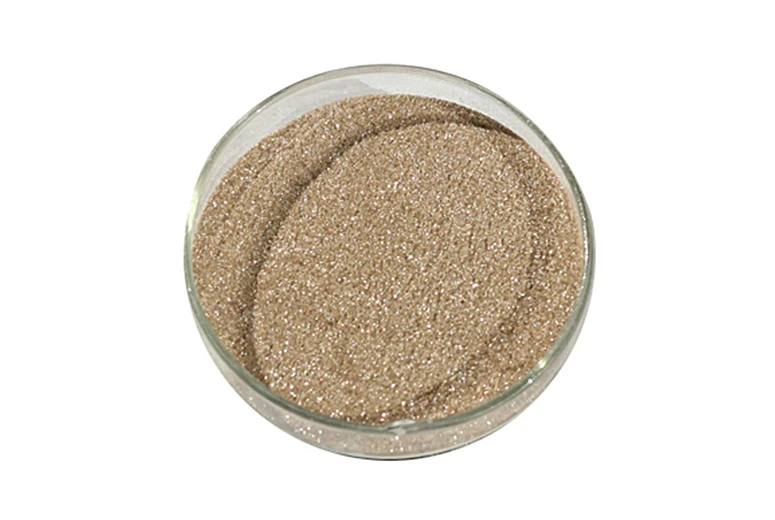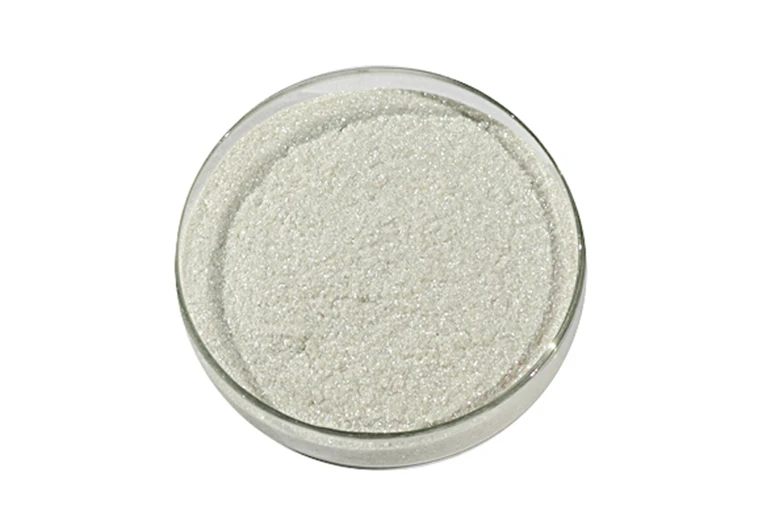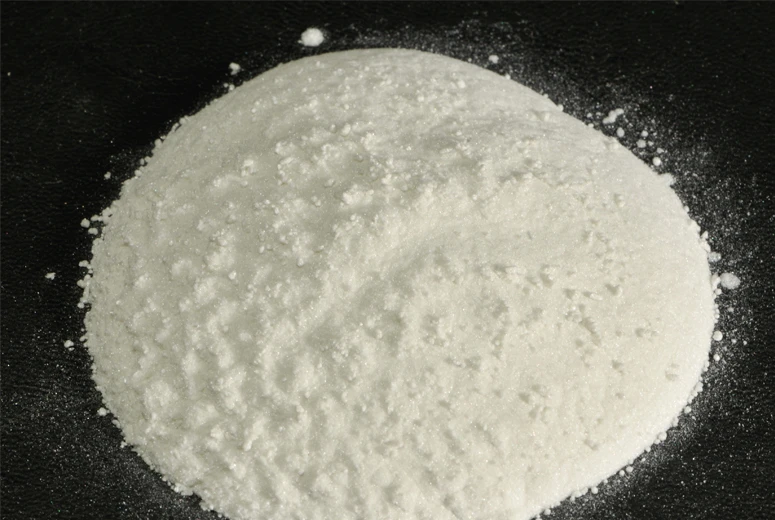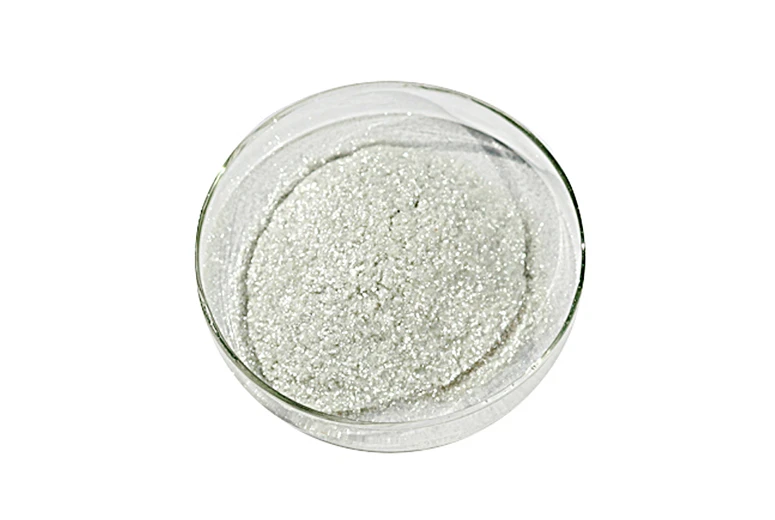

Mica Pigments for Industrial Use – Expert Insights and Product Specs
Mica Pigments: A Veteran’s Take on Their Industrial Charm
After spending over a decade in the industrial materials sector, I’ve developed an appreciation for components that might seem mundane at first glance but quietly make or break a product’s performance. Mica pigments fall squarely into this category. Honestly, they’re more than just “pretty flakes”—these natural mineral powders bring texture, durability, and a certain kind of engineered elegance to everything from automotive paints to cosmetic formulations.
You know, mica pigments are not new on the scene; we’ve relied on mica’s layered crystalline structure for decades. But the real progress comes from how manufacturers process and grade these pigments, pushing boundaries on color range, particle size, and consistency. Back when I first handled mica powder batches, quality could be hit or miss, but today’s products feel like they’ve been given a serious upgrade in reliability and environmental responsibility.
What’s neat — and slightly underrated, I suppose — is how mica pigments balance aesthetics with industrial strength. Those tiny platelets reflect light in a way that makes coatings pop, yet beneath the surface, they boost scratch resistance and UV stability. A classic win-win that engineers I worked with often mention when comparing materials.
| Property | Value / Range | Notes |
|---|---|---|
| Particle Size | 5 - 40 microns | Controls glitter effect and coverage |
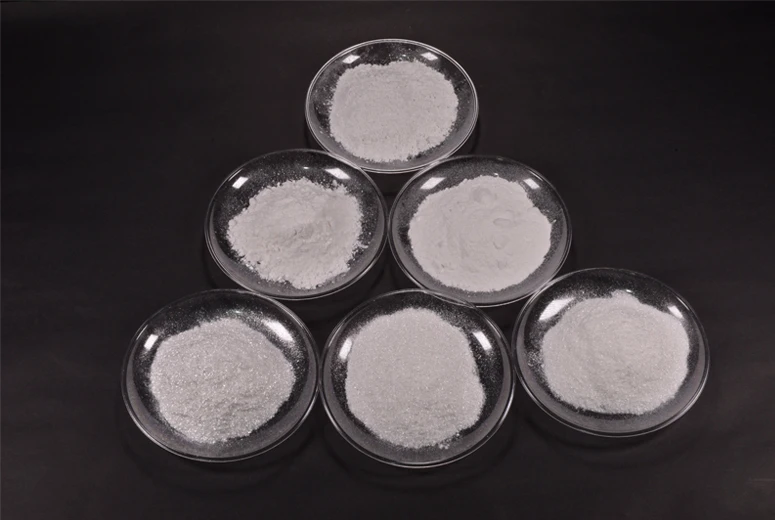
| Color Range | Silver, Gold, Bronze, Rainbow | Engineered via coatings and lamination |
| Purity | >98% | Ensures consistency and safety in use |
| Refractive Index | ~1.58 | Key to light refraction and shimmer |
| Heat Resistance | Up to 700°C | Useful in high-temp paint applications |
Now, client feedback often highlights customization options — one small business making eco-friendly surfboards told me how choosing the right mica pigment shade and particle size really set their finished product apart visually and performance-wise. It’s details like that which remind me this sector values both art and science.
In real terms, selecting mica pigments isn’t just about color flair or sparkle. You need to consider the base mineral’s origin and how it’s treated. Some vendors offer treated mica that resists clumping better in liquid medium — a subtle but impactful upgrade. Speaking of vendors, I thought a side-by-side comparison might help clarify things if you’re exploring options.
| Feature | Vendor A (HJMica) | Vendor B | Vendor C |
|---|---|---|---|
| Particle Size Range | 5–40 µm | 10–50 µm | 7–35 µm |
| Color Options | Multiple metallic & pearlescent shades | Limited to silver and gold | Silver, bronze, iridescent |
| Purity & Consistency | >98%, industry-grade | ~95%, some variability | >97%, generally good |
| Customization Available | Yes, tailored particle size and coatings | No | Limited |
| Sustainability Practices | Eco-conscious sourcing & waste reduction | Not specifically stated | Basic compliance |
One thing to keep in mind: mica pigments might feel like a straightforward part of your formulation, but they deserve thoughtful selection. For example, if you’re working on a coating that needs to withstand harsh environments, asking about heat resistance and UV stability upfront can save a lot of headaches down the line. I remember a project where we switched pigments mid-stream because the originals dulled too quickly — classic lesson learned.
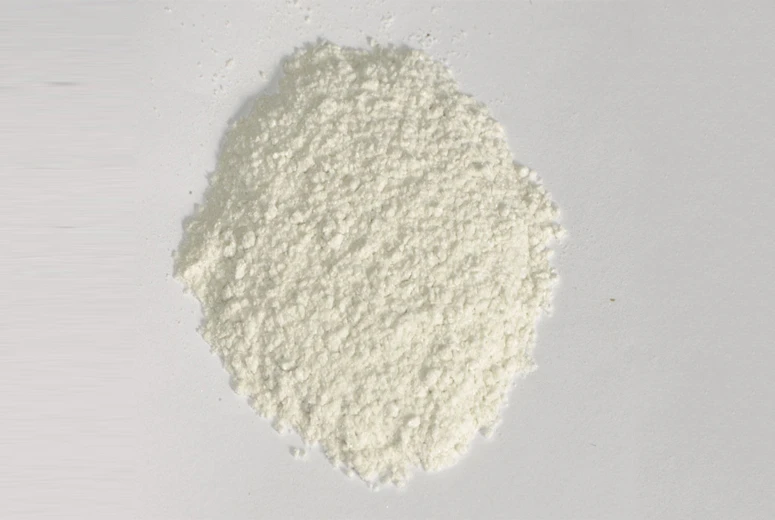
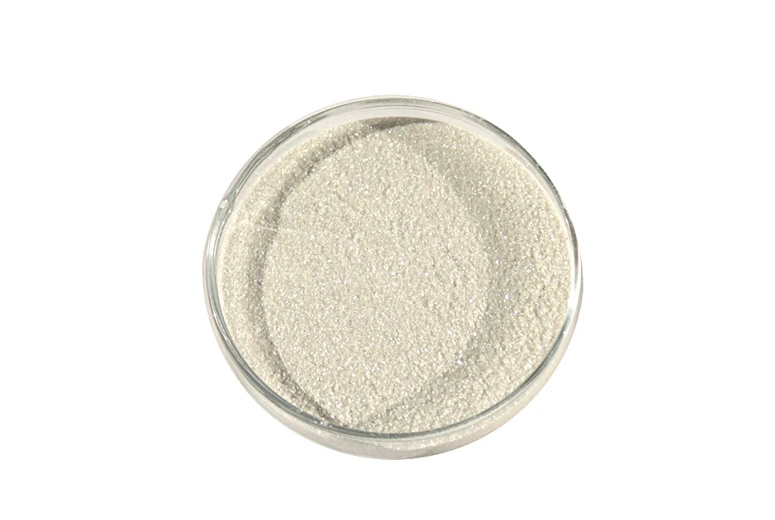
And if you ever get a chance, peek at the mica flakes through a good loupe. It’s oddly satisfying to see the fine layering, each flake a tiny natural marvel. It reminds me that even industrial components can have a bit of poetry.
So, whether you’re in automotive, cosmetics, or specialty coatings, mica pigments are worth your attention for the qualities they quietly lend — a mix of beauty, durability, and a bit of natural engineering.
A final word: in industrial materials, the “shiny stuff” often carries the most serious job, and mica pigments are no exception.
- “Mica Minerals: Physical Properties and Applications,” USGS Mineral Resources.
- Smith, R., “Advances in Pigment Technology,” Industrial Coatings Journal, 2021.
- Jones, M., “Sustainability in Industrial Mineral Supply Chains,” Materials Today, 2023.
-
Ultimate Guide to Using High Quality Pearl Paint Pigment for LusterNewsApr.16,2026
-
Elevating Automotive Aesthetics with Mica Powder Car PaintNewsApr.09,2026
-
Unlock Stunning Effects with Mica Powder for Paint ApplicationsNewsApr.07,2026
-
Comprehensive Guide to Mica Dye Powder Applications and BenefitsNewsApr.04,2026
-
Unlocking the Brilliance of Mica Pigment Paint for Diverse ApplicationsNewsMar.31,2026
-
Enhancing Concrete Performance with Durable Mica Chips for Concrete ApplicationsNewsMar.28,2026