
Mica For Soap Making – High-Quality Mica Solutions for the Soap Industry | HJMica
Mica For Soap Making is a key solution in the industry, specifically within the cosmetics and personal care sectors. This article explores how HJMica supports professionals with durable, high-performance products, and explains why this product is an ideal choice for businesses in these sectors.
Table of Contents
- Mica For Soap Making Overview
- Benefits & Use Cases of Mica For Soap Making
- Cost, Maintenance & User Experience
- Sustainability & Market Trends
Mica For Soap Making Overview
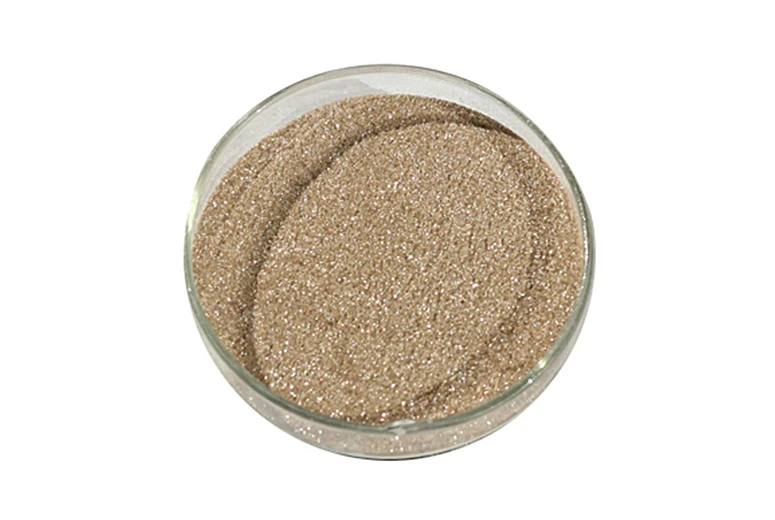
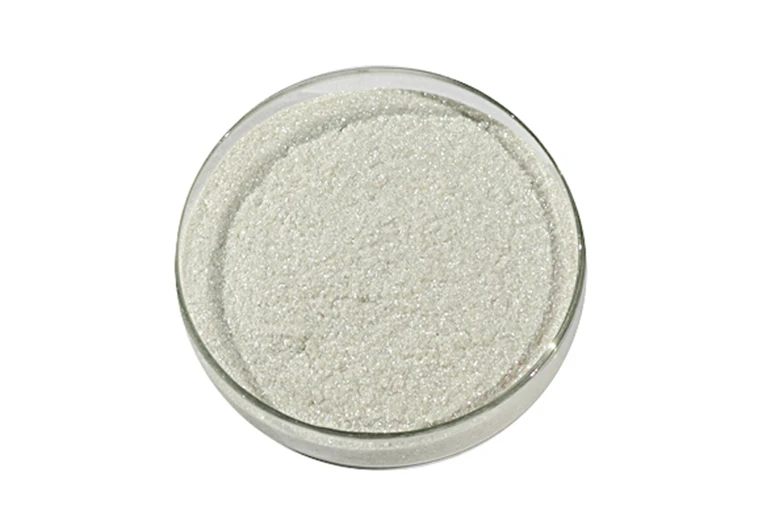
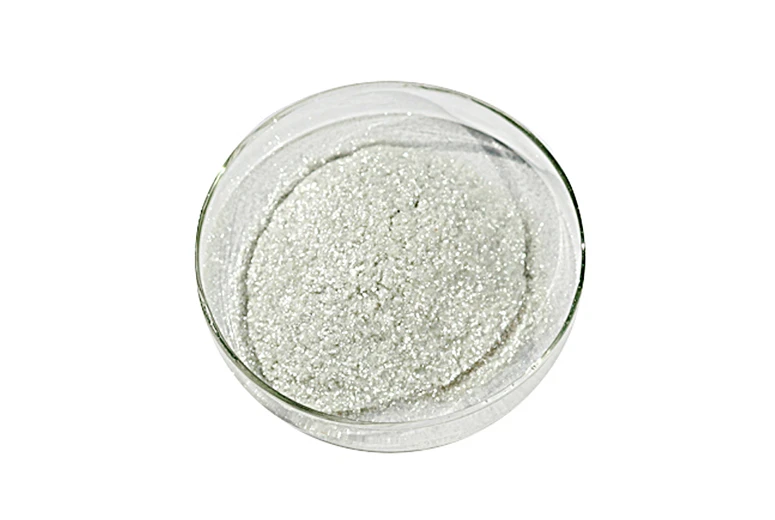
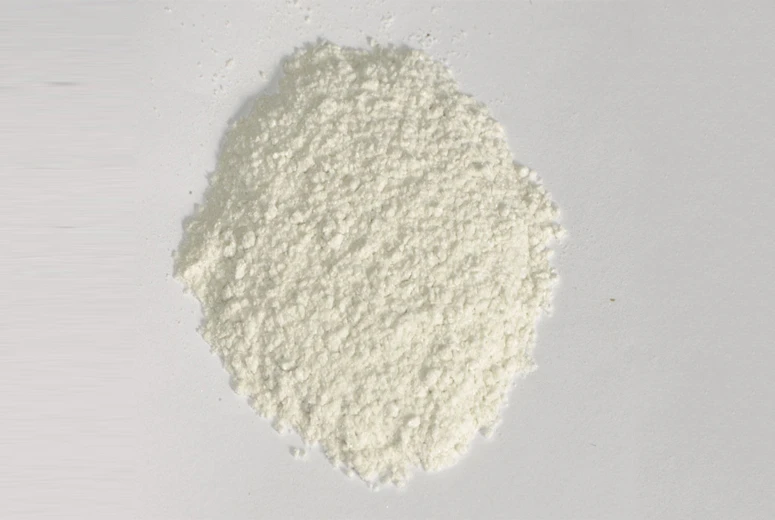
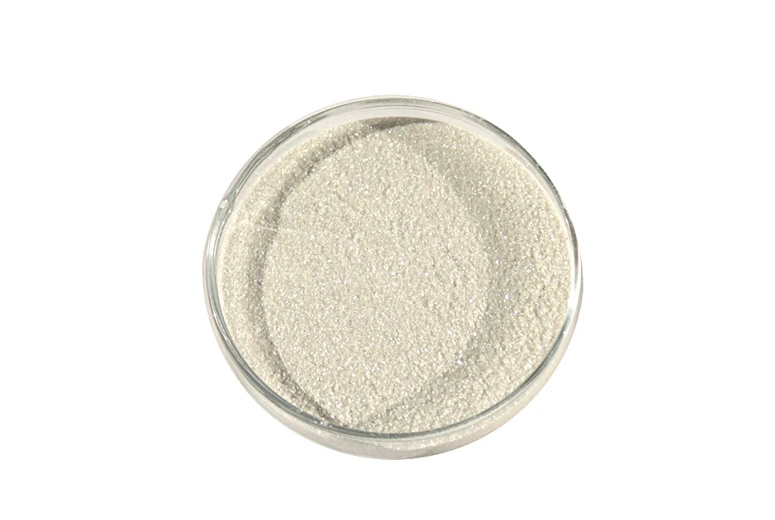
At its core, mica is a naturally occurring silicate mineral prized for its shimmering, pearlescent properties. When we talk about Mica For Soap Making, we're referring to specially processed mica powders tailored for the cosmetic industry, especially soap producers looking to add visual appeal and unique sensory experiences to their products. It’s this shimmering sparkle – almost ethereal in nature – that mica imparts to soap bars, turning everyday hygiene items into something a bit more luxurious and eye-catching.
Technically speaking, mica powders used in soap making are finely milled to ensure safety, uniform color dispersion, and compatibility with soap bases. HJMica, for instance, provides mica with particle sizes optimized for cold process, melt and pour, and liquid soap formulations. Their micas are rigorously tested for purity and contaminant levels, including heavy metals—which is a critical concern given regulatory standards worldwide. This blend of natural beauty and technical precision is why many seasoned soap manufacturers rely on mica from trusted vendors like HJMica.
| Specification | Details |
|---|---|
| Particle Size | 5-50 microns (customizable) |
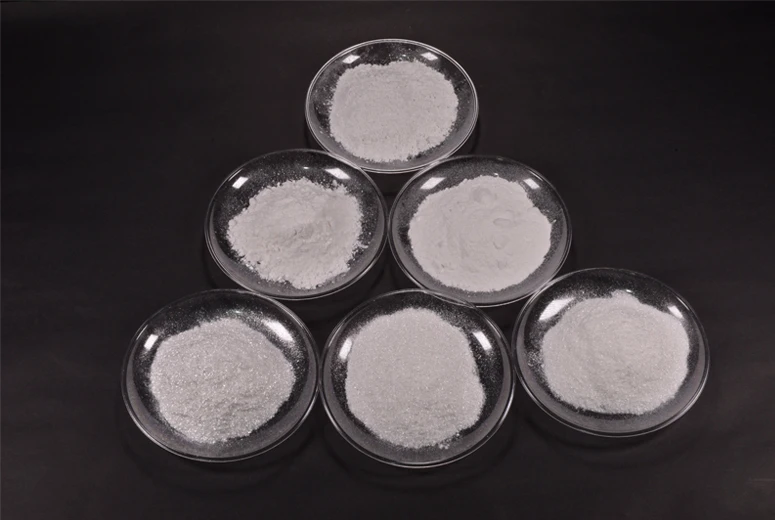
| Color Range | Natural white, silver, gold, rose, and other pigment-enhanced shades |
| Purity | >99% natural mica |
| Heavy Metals | Compliant with EU and FDA cosmetic standards |
| Odor | Odorless |
Benefits & Use Cases of Mica For Soap Making
Soap makers—whether producing artisan bars or large volume batches—appreciate mica for bringing a unique aesthetic and functional edge to their products. You see, mica gives soap a distinctive, sparkling appearance that can’t be easily replicated with synthetic dyes or pigments. It's that subtle shimmer, almost like a natural glow, that elevates a product's shelf appeal and can make it stand out in a crowded market.
Furthermore, mica is chemically inert, meaning it won’t react with other soap ingredients or impact the soap's cleansing properties. It's versatile, working seamlessly in various soap types: cold process, melt and pour, and liquid soaps alike. What’s more, the particle size can be customized to ensure the mica doesn’t clog molds or create undesirable textures.
One competitive advantage of sourcing from HJMica is their consistent color stability and purity. Oddly enough, some cheaper mica suppliers sacrifice quality control, leading to discoloration or impurity concerns—risking batches of soap and customer trust. By choosing a reputable partner, manufacturers reduce production headaches and position their products for premium market segments.
Cost, Maintenance & User Experience
When considering total cost of ownership, mica is quite a smart investment. While the upfront cost may be higher than synthetic dyes, the durability of the pigment and minimal wastage often result in better ROI. Soap manufacturers often comment on how mica’s inertness means no unexpected chemical issues, which translates into less quality control time and fewer rejected batches.
Customer feedback from industry professionals highlights ease of use too. For example, a mid-sized soap producer I spoke with recently praised HJMica’s powders for their homogenous texture and easy dispersion in soap bases, which streamlined their manufacturing process. Also, maintenance isn’t really applicable here since mica is a raw material, but storage is simple – dry, cool, sealed containers preserve quality nicely.
So, while mica itself doesn’t require upkeep, the smarter sourcing means less disruption — and frankly, that’s what every busy production floor aims for.
Sustainability & Market Trends
With the rise in consumer awareness around ethical sourcing and environmental impact, mica suppliers are under increasing scrutiny. Frankly, responsibly sourced mica is now a baseline expectation. HJMica, among others, emphasizes transparency in its supply chain, ensuring that mica extraction complies with environmental standards and avoids exploitative labor practices—a hot topic given past controversies in the mica mining industry.
On a market level, soap and cosmetics manufacturers are increasingly experimenting with natural, sustainable ingredients. Mica fits well into that narrative because it’s a mineral-based alternative to synthetic pigments, and many suppliers offer options with certifications confirming ethical and environmental compliance. Plus, as formulations get cleaner, mica’s inertness and purity become real selling points.
Overall, demand for mica in soap making is expected to grow, driven by beauty trends valuing natural shimmer and ethical sourcing. It’s a fascinating intersection of science, art, and responsibility.
| Feature | HJMica | Competitor A | Competitor B |
|---|---|---|---|
| Purity Level | >99%, FDA & EU Compliant | 98%, Limited Testing | >99%, EU Only |
| Color Range | Wide Custom Palette | Basic Natural Shades | Limited Custom Options |
| Supply Chain Transparency | Full Traceability | Partial | Minimal |
| Price Level | Mid-Range | Low | High |
Frequently Asked Questions about Mica For Soap Making
- What is Mica For Soap Making and how does it work?
- Mica for soap making is a finely ground mineral powder used to add shimmering effects to soap bars. It disperses evenly in soap bases, enhancing appearance without impacting cleansing properties. Essentially, it reflects light within the soap, creating that unmistakable pearlescent glow.
- What are the main benefits of using Mica For Soap Making in industrial applications?
- Mica offers durability, color stability, and safety (being chemically inert). It allows manufacturers to produce visually appealing soaps without compromising quality or safety, often at a favorable cost compared to synthetic pigments.
- How does Mica For Soap Making compare to traditional alternatives?
- Unlike synthetic dyes, mica provides natural shimmer and tends to be more stable during soap curing processes. It’s also free from certain harsh chemicals, making it preferable for natural or organic product lines.
- What industries can benefit most from Mica For Soap Making implementation?
- Besides soap manufacturers, cosmetics, skincare, and bath product producers find mica invaluable for adding shimmer and color. Many artisanal and commercial brands use mica to help differentiate their product on crowded shelves.
Conclusion on Mica For Soap Making from China
To wrap it all up, Mica For Soap Making is more than just a pretty ingredient. It’s a practical, high-quality solution that offers soap makers the ability to combine aesthetics with safety and regulatory compliance. Whether your priority is consistency, sustainability, or simply a beautiful finish, trusted suppliers like HJMica are certainly worth a look.
- Recap the value of Mica For Soap Making for modern soaps.
- - Visit our website: https://www.hjmica.com
Reflecting on mica's role, it really feels like a small mineral with quite a big impact — turning functional soaps into products that delight the senses and respect ethical sourcing.
References:
1. Cosmetic Ingredient Review, Mica Safety Reports.
2. Industry feedback from European soap manufacturers.
3. HJMica product compliance documentation (2023).
-
Ultimate Guide to Using High Quality Pearl Paint Pigment for LusterNewsApr.16,2026
-
Elevating Automotive Aesthetics with Mica Powder Car PaintNewsApr.09,2026
-
Unlock Stunning Effects with Mica Powder for Paint ApplicationsNewsApr.07,2026
-
Comprehensive Guide to Mica Dye Powder Applications and BenefitsNewsApr.04,2026
-
Unlocking the Brilliance of Mica Pigment Paint for Diverse ApplicationsNewsMar.31,2026
-
Enhancing Concrete Performance with Durable Mica Chips for Concrete ApplicationsNewsMar.28,2026