
Mica For Lip Balm - High-Quality Mineral Solutions for Cosmetic Manufacturers | HJ Mica
Mica For Lip Balm is a key solution in the industry, specifically within cosmetic and personal care product manufacturing. This article explores how https://www.hjmica.com supports professionals with durable, high-performance products, and explains why this product is an ideal choice for businesses in these sectors.
Table of Contents
- Mica For Lip Balm Overview
- Benefits & Use Cases of Mica For Lip Balm
- Cost, Maintenance & User Experience
- Sustainability & Market Trends
Mica For Lip Balm Overview
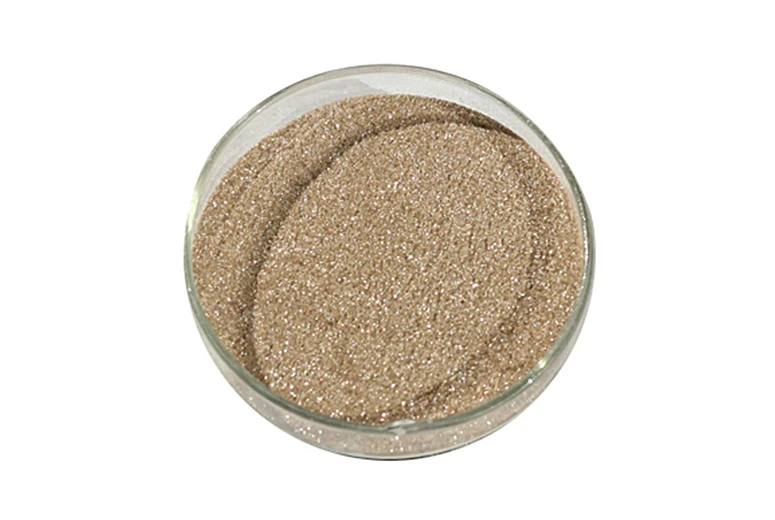
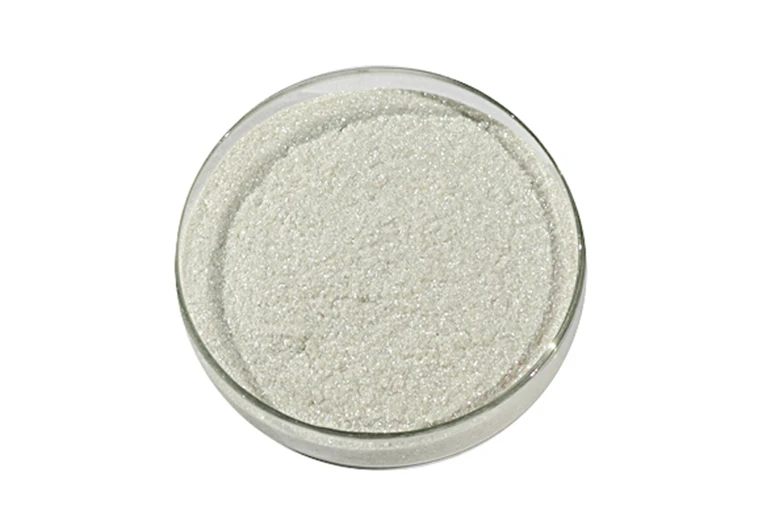
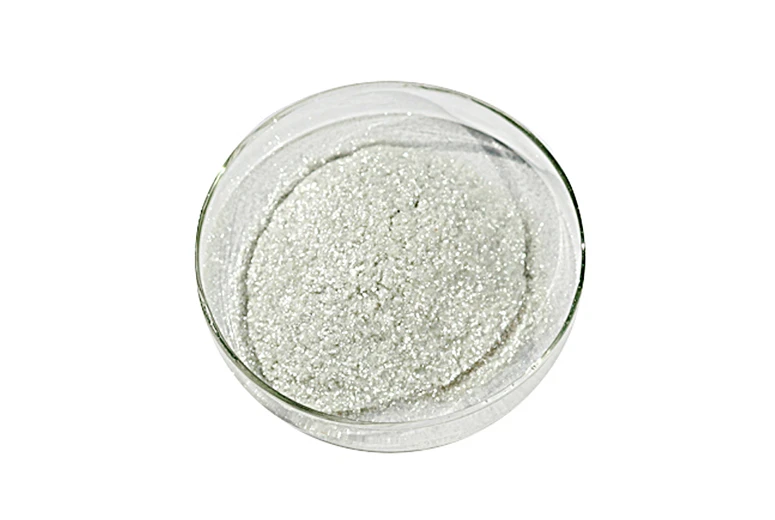
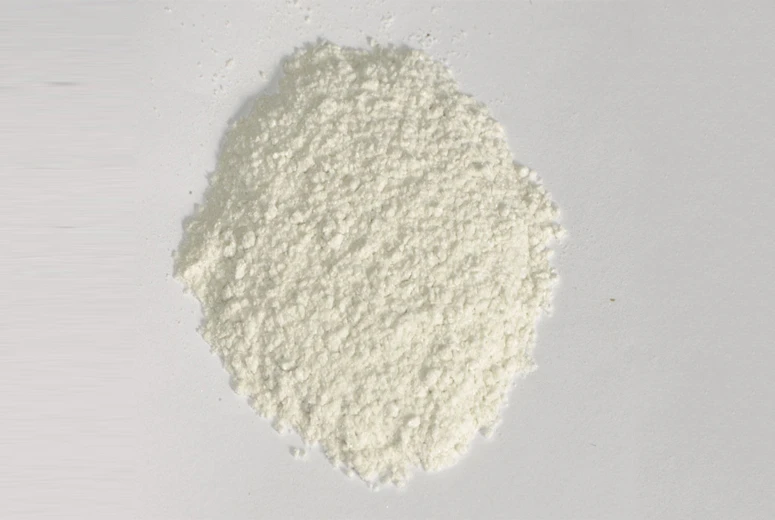
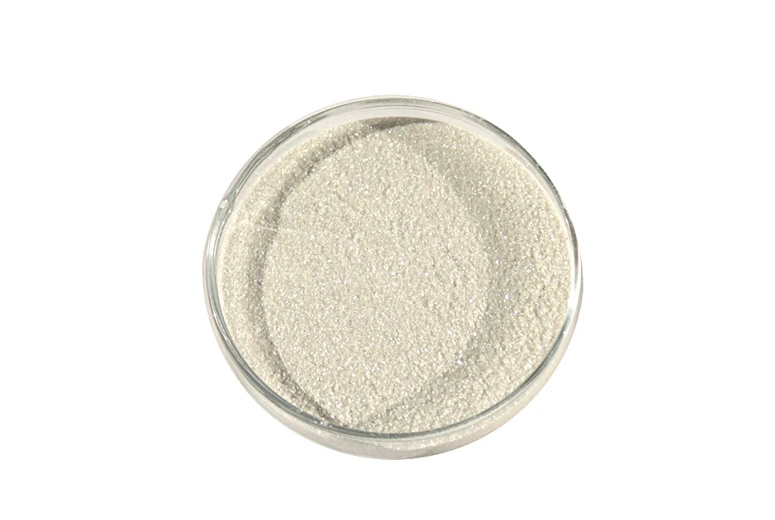
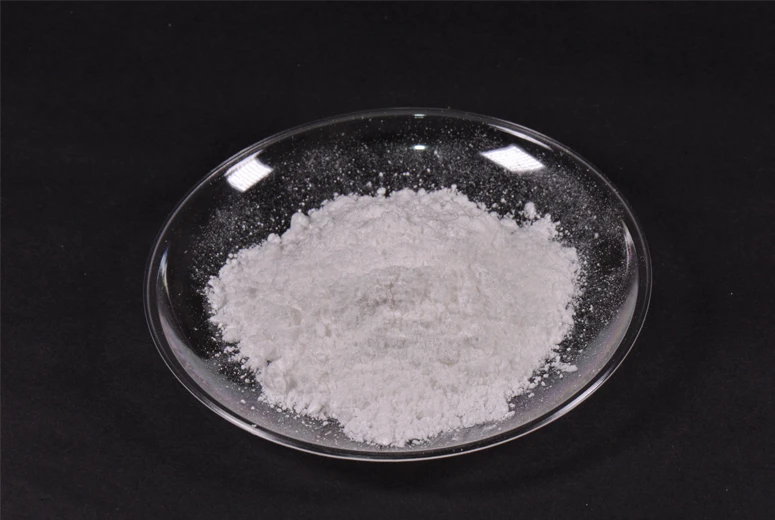
At its core, Mica For Lip Balm is a naturally sourced mineral powder widely used for its pearlescent effect and gloss in personal care products. But its role goes beyond mere aesthetics. Frankly, mica imparts both shimmer and slip to lip balms — that smooth glide on the lips that stands out quite noticeably. This makes it indispensable in formulations where texture and appearance matter equally.
Technically speaking, mica particles typically feature plate-like structures, offering efficient light reflection and a silky touch. In real terms, that means lip balms containing mica often have enhanced softness, a subtle glow, and better spreadability. According to manufacturers like hjmica.com, their mica is refined to ensure purity and reduced contaminants — crucial factors for sensitive cosmetic products.
| Specification | Value / Range |
|---|---|
| Purity | ≥ 99.5% |
| Particle Size | 10 - 50 microns (customizable) |
| Color | Natural White / Off-white |
| Moisture Content | < 0.5% |
| Regulatory Compliance | ISO, REACH, FDA (Cosmetic Grade) |
Benefits & Use Cases of Mica For Lip Balm
When you start digging into the benefits, it quickly becomes apparent why mica is a go-to choice for lip balm manufacturers. Apart from providing a natural shimmer, mica enhances the product’s tactile feel — the so-called slip and spreadability — which can make or break user experience. Manufacturers tell me they often see a bump in customer retention simply because the lip balm feels more luxurious.
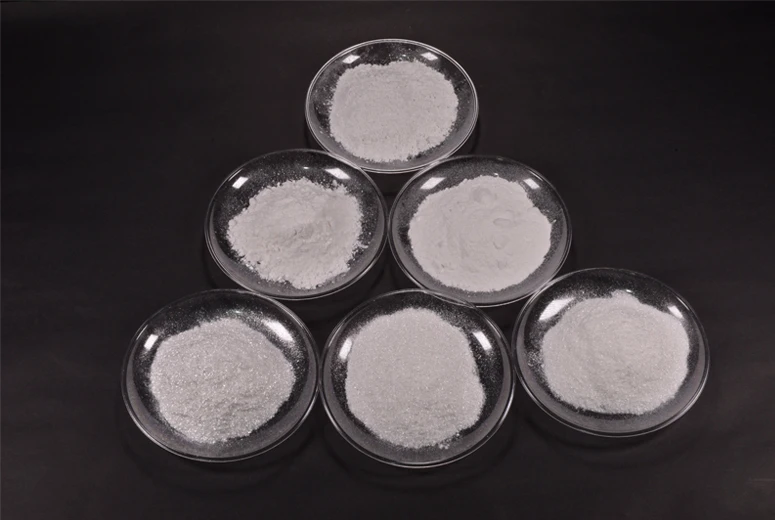
In industrial terms, mica’s heat stability and chemical inertness mean it works well in hot mixing processes without breaking down or discoloring, something that’s not always true of synthetic alternatives. Plus, it’s hypoallergenic and gentle — important for products applied to sensitive facial areas. Its versatility even allows customization: different particle sizes can deliver subtle or bold shimmer effects.
Industries beyond cosmetics — such as pharmaceutical balm producers — occasionally utilize mica for its consistent quality and regulatory compliance. Many professionals prefer sourcing from reputed vendors, like HJ Mica, for assured purity and supply chain transparency.
| Vendor | Purity | Particle Size Range | Certifications | Lead Time |
|---|---|---|---|---|
| HJ Mica | ≥ 99.5% | 10-50 μm (customizable) | ISO, REACH, FDA | 2-3 weeks |
| Vendor B | ≥ 98% | 15-60 μm | ISO, FDA | 3-4 weeks |
| Vendor C | ≥ 97% | 20-70 μm | ISO only | 4-6 weeks |
Cost, Maintenance & User Experience
One might guess that high-grade mica would come at a premium, but the truth? The total cost of ownership can actually be quite decent. Its durability within formulations often means less frequent product batches needing adjustment or discarding due to quality variation — a cost saver for manufacturers. Plus, the ROI on improved customer satisfaction often outweighs raw material expenditure.
Maintenance? It’s mostly about proper storage — mica powders should be kept dry and sealed to maintain quality over time. As for user experience, many brands note positive feedback on the “feel” of lip balms containing mica, with customers commenting on the pleasant sheen and smooth application. That combination works wonders for repeat purchases.
Oddly enough, some producers initially skeptical about switching from synthetic pigments to mica admit they were won over by the product consistency and regulatory peace of mind. When in doubt, companies sourcing from specialists like HJ Mica find the support resources and testing certification particularly reassuring.
Sustainability & Market Trends
Sustainability is no longer a buzzword but a fundamental factor shaping procurement decisions in B2B. Mica for lip balm fits into this narrative because natural mica extraction is, when done responsibly, low-impact compared to synthetic alternatives. Companies like HJ Mica emphasize ethical sourcing protocols that avoid child labor issues — a big concern in mica mining — alongside transparency certifications.
Regulatory frameworks in Europe and North America have tightened, requiring more stringent testing for purity and impurities, particularly heavy metals. This makes compliant mica grades from trusted suppliers critical for cosmetic manufacturers who want to enter or maintain market access.
Market trends also indicate growing consumer demand for “natural,” “clean,” and “vegan-friendly” cosmetics, with mica often touted as a mineral that aligns with these preferences — at least when sourced ethically. Industry analysts project steady growth for the mica market tied to personal care, partly driven by this evolving consumer mindset.
Frequently Asked Questions about Mica For Lip Balm
- What is Mica For Lip Balm and how does it work?
- Mica For Lip Balm is a naturally occurring mineral powder used to add shimmer, softness, and smooth texture to lip balms. It works by reflecting light and improving spreadability, creating that desirable silky feeling and glossy finish on the lips.
- What are the main benefits of using Mica For Lip Balm in industrial applications?
- Key advantages include enhanced product aesthetics, improved texture, heat stability during mixing, and hypoallergenic properties. It also supports regulatory compliance and consumer preferences for natural ingredients.
- How does Mica For Lip Balm compare to traditional alternatives?
- Compared to synthetic pigments or other mineral fillers, mica offers more natural shimmer, better slip, and often better compatibility in cosmetic formulations. It also aligns better with clean beauty trends and stricter industry regulations.
- What industries can benefit most from Mica For Lip Balm implementation?
- Primary users include cosmetic manufacturers specializing in lip balms, lipsticks, and related personal care products. There is also some adoption in pharmaceutical balm formulations and niche natural skincare lines.
Conclusion on Mica For Lip Balm from china
To sum it up, Mica For Lip Balm stands out as a versatile, reliable ingredient that not only enhances the sensory and visual qualities of personal care products but also meets modern sustainability and regulatory requirements. For B2B decision makers weighing quality, compliance, and cost-effectiveness, sourcing from suppliers like HJ Mica appears a sensible choice.
- Recap the value of Mica For Lip Balm.
- - "Visit our website: https://www.hjmica.com"
Reflection
It’s always interesting to see how a mineral as ancient as mica still finds new life in cutting-edge cosmetic formulations. The blend of tradition and innovation is somewhat poetic — and as consumer tastes evolve, so too will the applications of mica in products we use every day.
References
- HJ Mica Product Data Sheets, hjmica.com
- COSMETICS Regulation (EC) No 1223/2009, European Commission
- Natural Ingredients Market Analysis 2023, Cosmetics Business Report
-
Ultimate Guide to Using High Quality Pearl Paint Pigment for LusterNewsApr.16,2026
-
Elevating Automotive Aesthetics with Mica Powder Car PaintNewsApr.09,2026
-
Unlock Stunning Effects with Mica Powder for Paint ApplicationsNewsApr.07,2026
-
Comprehensive Guide to Mica Dye Powder Applications and BenefitsNewsApr.04,2026
-
Unlocking the Brilliance of Mica Pigment Paint for Diverse ApplicationsNewsMar.31,2026
-
Enhancing Concrete Performance with Durable Mica Chips for Concrete ApplicationsNewsMar.28,2026