
Mica for Cosmetics: Sustainable Beauty and Ethical Sourcing Insights
Understanding Mica for Cosmetics: A Natural Glamour Enhancer
So, what exactly is mica for cosmetics, and why should it matter to the world beyond beauty counters and makeup brushes? In a nutshell, mica is a shimmering mineral widely used in cosmetics to give products that irresistible glow and sparkle. But beyond aesthetics, its global relevance also touches manufacturing, sustainability, and ethical sourcing challenges. In this article, we'll explore the role mica plays in cosmetics, the industry challenges it poses, and why understanding it is crucial today.
Global Context: Why Mica Matters in Cosmetic Industry
Believe it or not, mica is part of a multi-billion-dollar global cosmetics supply chain that touches almost every corner of the world. According to ISO reports, the global mica market was valued at over $1 billion in 2023 and continues growing steadily due to rising global demand for natural mineral-based products. The cosmetic industry, in particular, relies heavily on mica to add luster and color to eye shadows, lipsticks, foundations, and more.
However, there’s a catch — many mica sources involve controversial mining practices, notably in regions like India and Madagascar. Child labor and unethical extraction methods cast a shadow on the industry, prompting manufacturers and regulators to seek sustainable, ethically sourced mica solutions. The problem is complex, but the drive for responsible cosmetics continues worldwide.
Quick takeaway: Mica is more than just sparkle – it’s tied up with ethical sourcing and global supply challenges.
What is Mica for Cosmetics? A Simple Definition
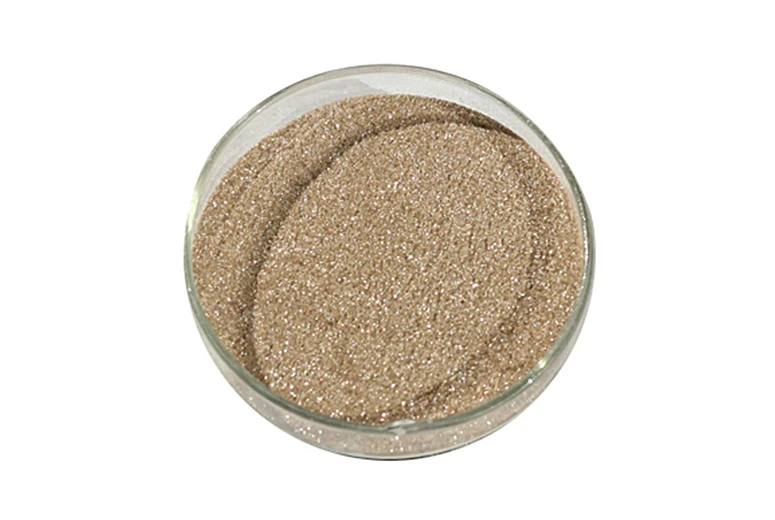
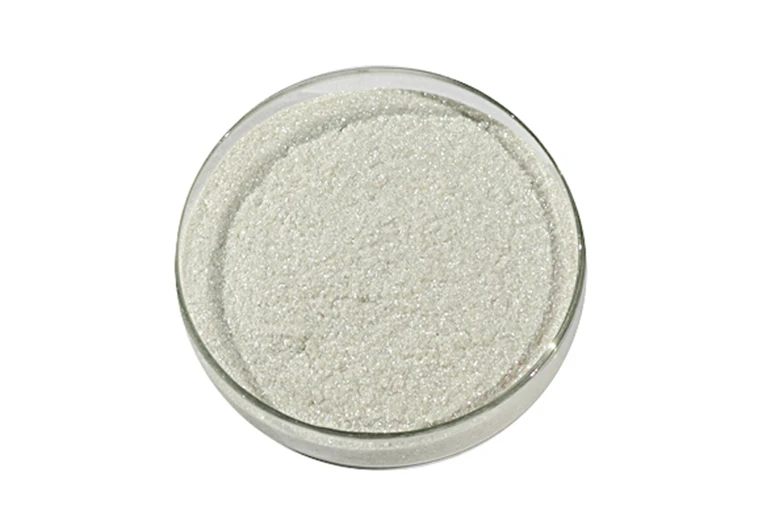
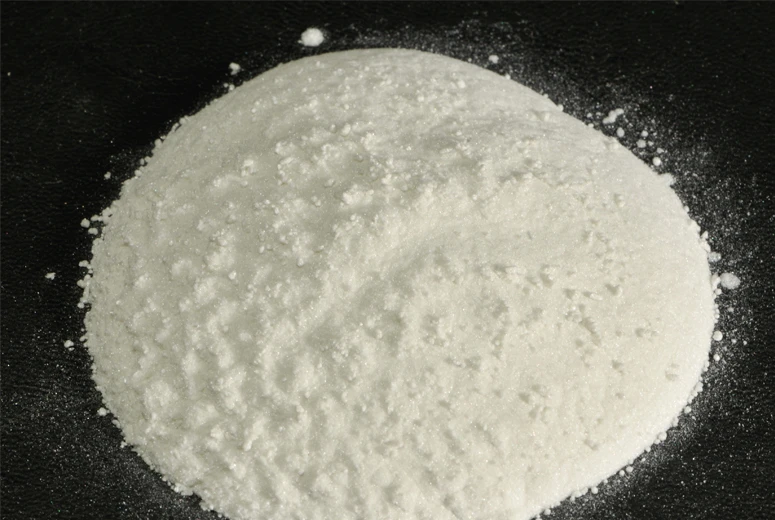
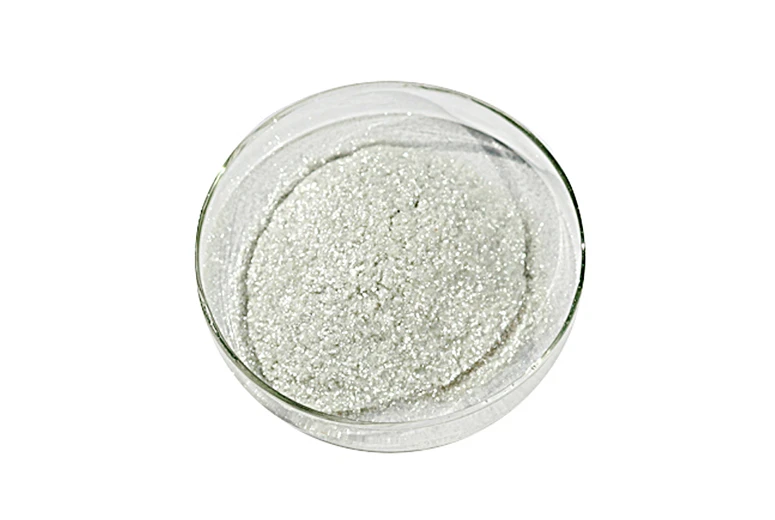
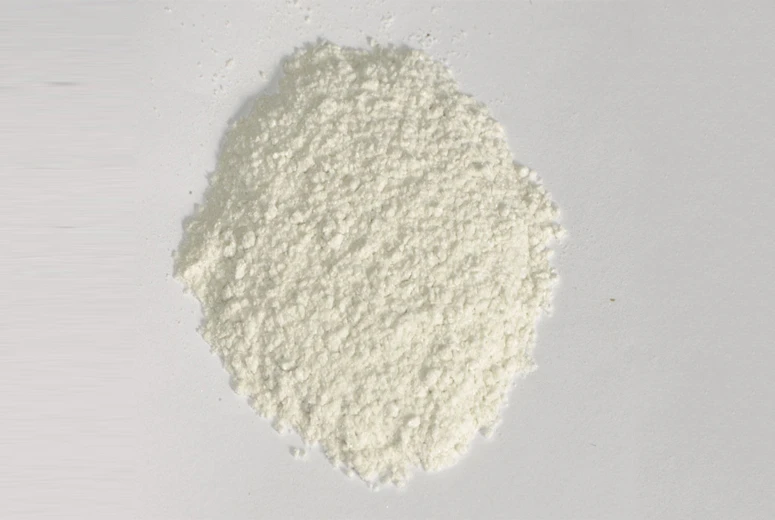
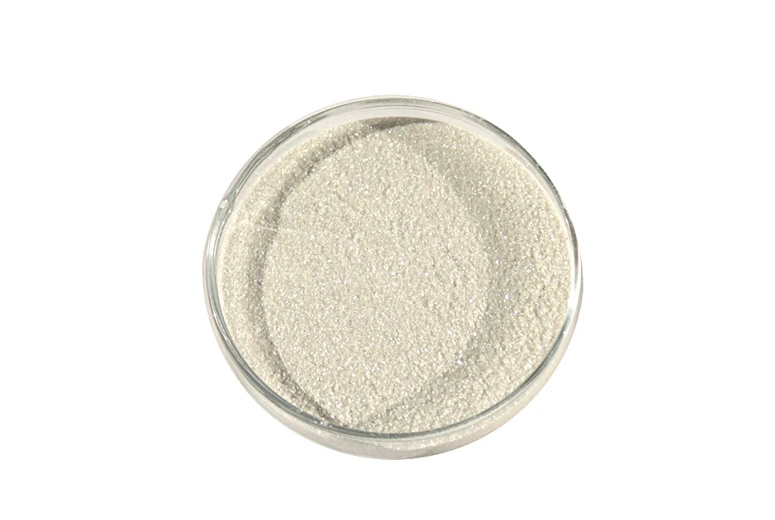
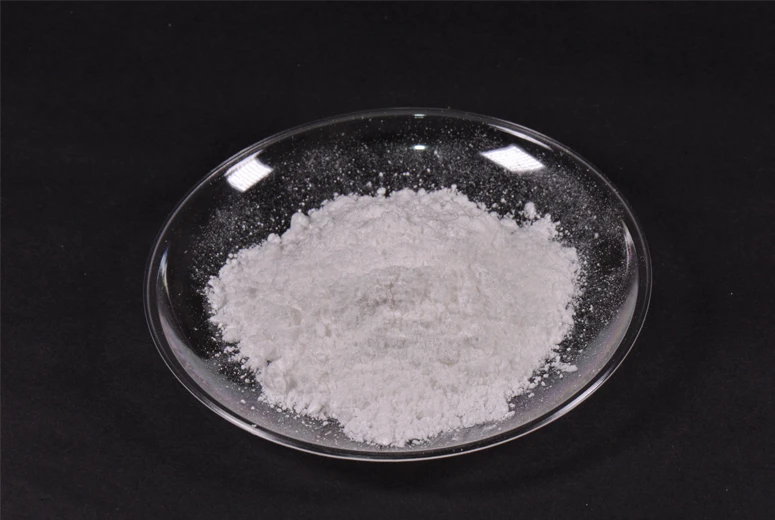
Mica is a naturally occurring silicate mineral known for its unique reflective and refractive qualities that create a sparkling effect. When ground finely, mica becomes an indispensable ingredient for cosmetic products to provide sheen and shimmer without harsh metals or synthetic glitter. Technically, mica in cosmetics is valued for its transparency, inertness, and ability to blend seamlessly with pigments.
From humanitarian and industrial perspectives, mica aligns with the growing demand for natural, skin-friendly ingredients that meet strict safety standards set by organizations like the FDA and CosmeticsInfo.org. In the era of ‘clean beauty,’ mica acts as a bridge between nature and innovation.
Key Factors of Mica for Cosmetics
1. Color and Sheen Versatility
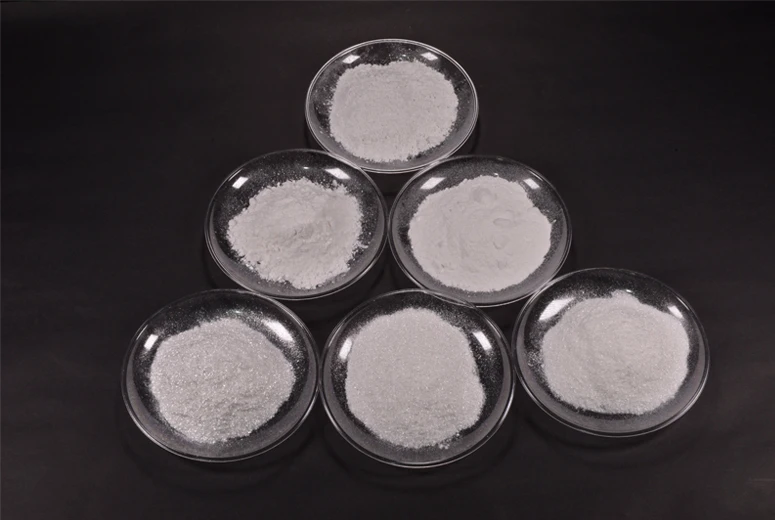
Mica comes in different colors and can be coated with various minerals to enhance hues—think pearlescent pinks to metallic golds. Its versatility lets cosmetic formulators customize finishes from matte to glossy, which is why it’s preferred in everything from eye shadows to highlighters.
2. Safety and Biocompatibility
Mica is generally considered safe and non-toxic, making it ideal for sensitive skin and cosmetic uses near the eyes and lips. It’s hypoallergenic and doesn’t irritate, but purity and sourcing are critical. Impurities or mica mixed with harmful substances can reduce safety.
3. Sustainability and Ethical Sourcing
One of the hottest topics is how mica is mined. Ethical sourcing initiatives are gaining traction, seeking to verify that mica is extracted without child labor and with minimal environmental impact. Organizations like the Responsible Mining Foundation promote transparency in mica supply chains.
4. Cost and Availability
Mica varies in price depending on quality and origin. High-purity synthetic mica alternatives are emerging but usually cost more. Balancing cost, quality, and ethical sourcing is a tricky business for cosmetic manufacturers.
In short: Quality, safety, and ethics are non-negotiable when it comes to mica use in cosmetics.
Global Applications & Real World Use Cases
While mica is best known in the beauty aisles of North America and Europe, it’s actually mined primarily in Asia—India accounts for about 70% of global production. Cosmetic brands there often face challenges ensuring ethical practices but have pioneered responsible mica certification schemes.
- Asia: India and Madagascar drive mica mining; many companies now collaborate with NGOs to ensure child-labor-free mica.
- Europe & North America: Primary consumers integrating mica into premium and “natural” cosmetic lines.
- Global Brands: Use mica both in luxury and affordable products and invest heavily in traceability technologies like blockchain to verify mica origin.
You’ll also find mica beyond makeup. In postdisaster humanitarian kits, mica’s inert, non-toxic nature makes it a candidate ingredient in skin care formulations that soothe sensitive skin after trauma.
Mica’s impact spreads from vibrant makeup to innovative humanitarian skincare.
Advantages & Long-Term Value of Using Mica in Cosmetics
Utilizing mica genuinely adds more than shimmer to cosmetics. Here are some concrete benefits:
- Enhanced Product Appeal: Gives products glitter and glow that consumers find irresistible.
- Natural Origin: Fits perfectly into the rising clean beauty trends emphasizing plant-based and mineral ingredients.
- Skin-Friendly: Inertness and hypoallergenic properties enhance safety, building consumer trust.
- Economic Impact: Ethical mica sourcing provides income to rural communities, supporting sustainable livelihoods.
- Innovation Potential: Coated mica particles open new horizons for multifunctional cosmetics with UV protection or anti-aging properties.
In real terms, mica bridges beauty, safety, and social responsibility in cosmetics.
Future Trends & Innovations in Mica for Cosmetics
Innovation doesn’t pause. Synthetic mica and bioengineered alternatives are advancing, aiming to match natural mineral benefits without ethical concerns. Digital supply chain tracking tools—particularly blockchain—are enabling transparency in mica sourcing like never before. Regulation-wise, the cosmetics industry anticipates tighter global standards for mica mining and product labeling.
On the sustainability front, many outfits embrace “mining-free” synthetic mica, but natural mica remains preferred for its unique texture and feel. Oddly enough, combining both could transform cosmetics soon.
Challenges & Solutions
The biggest obstacles? Ethical sourcing and supply transparency. Child labor and opaque mining conditions in mica-rich regions pose serious questions for brands and consumers. Solutions lie in multi-stakeholder collaboration: government, NGOs, manufacturers, and consumers alike. Certification schemes like the Responsible Minerals Initiative and corporate commitments to fair trade mica gradually improve conditions.
Another challenge involves impurities lowering product quality. Advanced purification, quality control testing, and using synthetic alternatives help manufacturers meet strict standards.
Specifications of Typical Mica Used in Cosmetics
| Parameter | Value/Range | Notes |
|---|---|---|
| Particle Size | 5-30 microns | Ranges for shimmer effect |
| Purity | ≥ 99% silica & alumina | Ensures safety & color clarity |
| Color | Transparent, white, coated hues | Varies with coating and treatment |
| Moisture Content | For stable shelf life | |
| Heavy Metals | Below FDA limits | Ensures safety compliance |
Vendor Comparison: Leading Mica Suppliers
| Vendor | Sourcing Ethics | Product Range | Price Level | Certifications |
|---|---|---|---|---|
| HJMica | Fair trade, child labor-free | Natural & coated mica varieties | Mid-range | ISO 9001, Responsible Minerals |
| MineralTech | Mixed reports, improving | Broad industrial & cosmetic mica | Competitive | ISO 14001 |
| PureGlow Minerals | 100% ethically sourced | Premium cosmetic mica only | High-end | Fair Trade Certified |
Frequently Asked Questions About Mica for Cosmetics
- Is mica safe for sensitive skin?
- Yes, mica is generally safe and hypoallergenic. Its inert mineral nature means it rarely causes irritation, making it suitable for sensitive skin areas. However, purity matters; mica contaminated with impurities could pose risks.
- How does ethically sourced mica impact cosmetic products?
- Ethically sourced mica ensures that products support fair labor practices and environmental sustainability. This transparency helps brands build consumer trust and aligns with growing demands for cruelty-free and responsible beauty.
- Can mica be replaced with synthetic alternatives?
- Synthetic mica exists and can substitute natural mica in some uses, but natural mica’s unique texture and shimmer remain hard to replicate fully. Synthetic alternatives can be pricier and less widely available yet hold promise for ethical sourcing.
- What regulations govern mica use in cosmetics?
- Mica must comply with standards from agencies like the FDA (US) and the European Commission. These mostly focus on purity, heavy metals limits, and labeling to ensure consumer safety.
- Where can manufacturers source responsible mica?
- Manufacturers can connect with verified vendors like HJMica, who specialize in fair-trade mica. Additionally, certification initiatives help locate suppliers who meet international ethical standards.
Conclusion
At its core, mica for cosmetics is more than just a shimmer ingredient – it reflects an industry’s ongoing quest to marry beauty with responsibility. By supporting ethical sourcing, embracing innovation, and demanding transparency, cosmetic manufacturers and consumers alike play a role in shaping a more sustainable future.
If you want to learn more or explore responsibly sourced mica options, visit our site at https://www.hjmica.com. The glow that mica brings isn’t only in the products—it’s in the promise of better practices and brighter futures.
It’s odd how a mineral as humble as mica can shine so brightly with potential.
References:
-
Ultimate Guide to Using High Quality Pearl Paint Pigment for LusterNewsApr.16,2026
-
Elevating Automotive Aesthetics with Mica Powder Car PaintNewsApr.09,2026
-
Unlock Stunning Effects with Mica Powder for Paint ApplicationsNewsApr.07,2026
-
Comprehensive Guide to Mica Dye Powder Applications and BenefitsNewsApr.04,2026
-
Unlocking the Brilliance of Mica Pigment Paint for Diverse ApplicationsNewsMar.31,2026
-
Enhancing Concrete Performance with Durable Mica Chips for Concrete ApplicationsNewsMar.28,2026