
Mica for Cosmetics - Ethical & High-Quality Mineral Solutions for Beauty
Mica for Cosmetics: Why This Mineral Matters Globally
It might surprise some that a shimmering mineral like mica plays such a massive role in the cosmetic industry worldwide. But mica for cosmetics isn’t just about sparkle and shine. Its importance goes beyond aesthetics—it's about texture, stability, safety, and sustainability. Understanding mica’s role gives us insight into both cutting-edge cosmetic formulations and ethical sourcing challenges that ripple across continents. Simply put, mica touches billions of lives, from the raw miners in India and Madagascar to everyday consumers slathering on their favorite highlighter.
The Global Context: Why Mica for Cosmetics is a Big Deal
Globally, the cosmetics market is projected to reach over $400 billion by 2027, with natural and mineral ingredients like mica drawing attention for their natural origin and multifunctional uses. According to the United Nations’ Sustainable Development Goals, responsible sourcing—and transparency in supply chains—is becoming a pressing issue, especially for minerals that can be linked to child labor or unsafe mining practices.
WHO estimates show that cosmetic ingredients impact skin health on a massive scale, prompting scrutiny over what goes into these products. Mica for cosmetics has grown more than just popular; it’s essential in creating that coveted glow with minimal skin irritation, driving brands to seek ethically mined mica. The challenge? Global supplies often come from complex networks, and ensuring a sustainable, conflict-free origin is still a work in progress.
What Exactly Is Mica for Cosmetics?
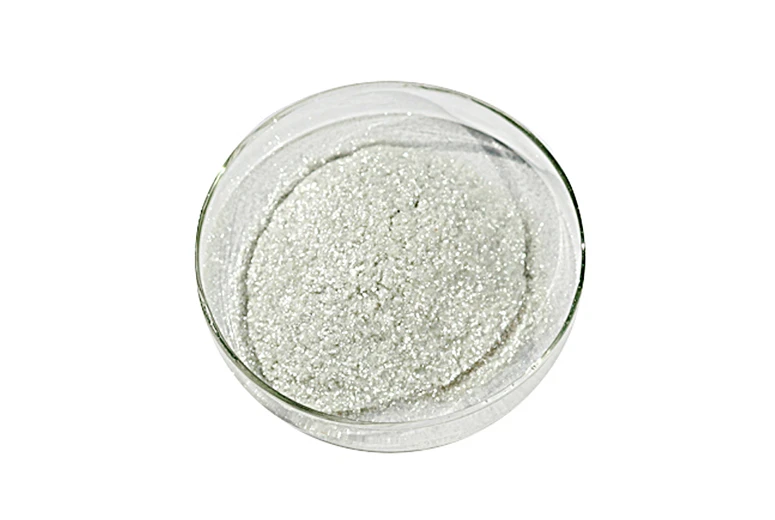
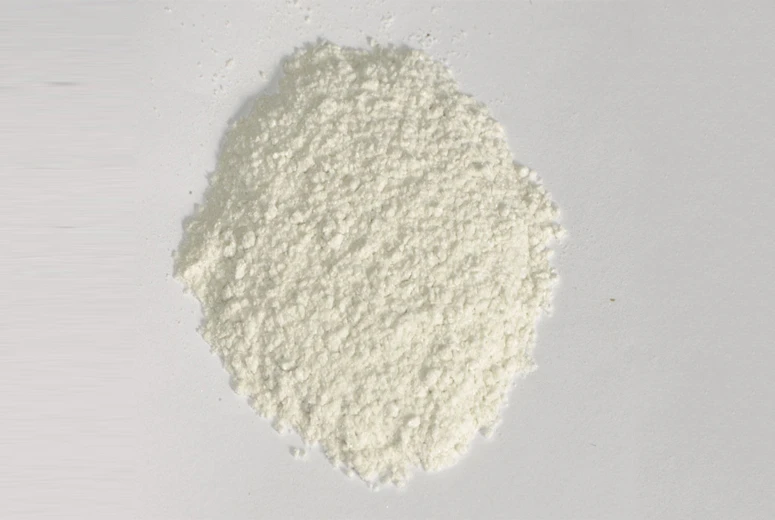
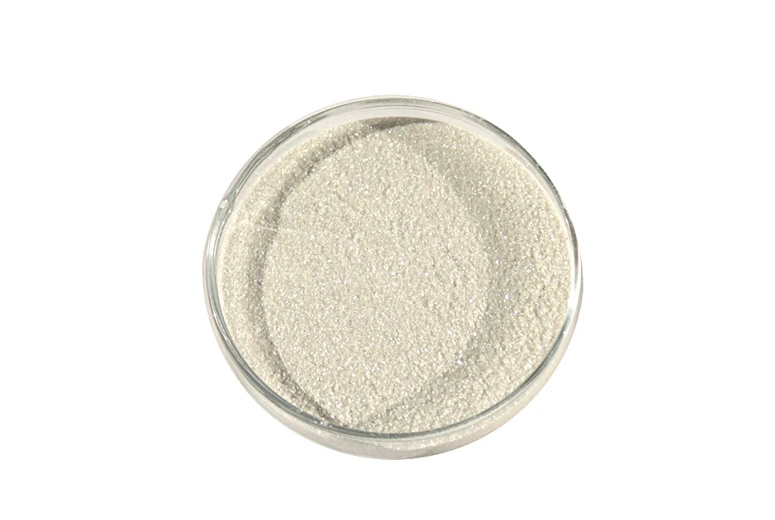
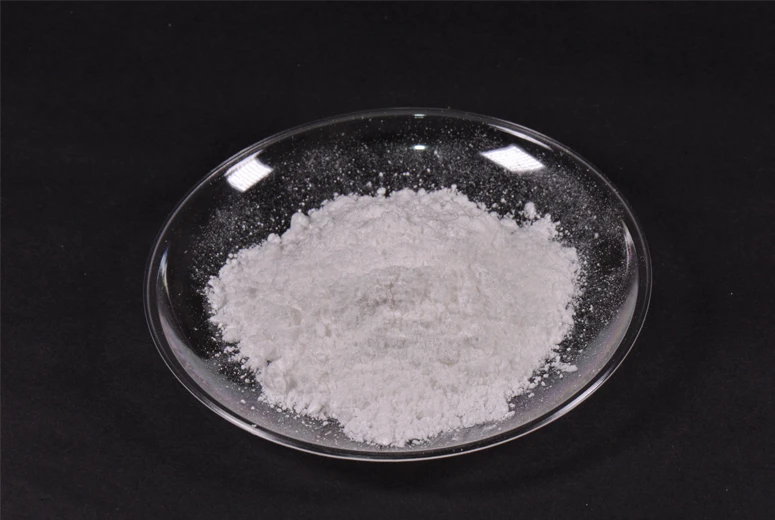
In simple terms, mica is a naturally occurring mineral known for its layered, flaky structure that reflects and refracts light beautifully. When ground to a fine powder, it creates a silky shimmer—ideal for lipsticks, eyeshadows, powders, and even skincare products.
For the cosmetics industry, mica is prized for:
- Light-diffusing properties: giving skin a radiant, glowing finish.
- Soft texture: lending smoothness and blendability.
- Non-reactiveness: making it safe for sensitive skin.
But mica’s significance extends beyond the beauty shelf. It represents a bridge between natural beauty and modern science, contributing to products that emphasize “clean” and “natural” formulas.
Mini Takeaway:
Mica for cosmetics isn’t just a pretty mineral; it’s a linchpin ingredient connecting consumer desires for safe, effective, and ethically sourced beauty products.
Key Factors Shaping Mica's Role in Cosmetics
1. Purity and Particle Size
The finer the mica particles, the smoother the product—think of a powder so fine it feels like silk on your skin. Purity matters because impurities can cause unwanted tints or irritations. Manufacturers carefully control particle size to balance coverage and shimmer.
2. Ethical Sourcing
Many consumers nowadays want to know if their products are “clean” ethically, which puts pressure on brands to source mica responsibly. Countries like India, Madagascar, and Brazil dominate mica mining, but issues like child labor spurred global certifications and traceability programs.
3. Compatibility with Formulation
Depending on the type of cosmetic—powder, liquid, cream—the mica must disperse evenly without clumping or settling. Its chemical inertness helps it hold color and texture without reacting with other ingredients.
4. Stability Under Various Conditions
Mica’s heat resistance and stable structure mean it performs well in products exposed to different climates or storage conditions. This is crucial for brands selling globally.
5. Environmental Impact
Mining mica responsibly reduces habitat destruction and pollution, making sustainability efforts an integral part of its appeal—especially in a world pushing greener cosmetics.
Mini Takeaway:
From purity to ethics, the right mica brings not just sparkle, but value and integrity to cosmetics.
Global Applications & Use Cases of Mica in Cosmetics
Mica’s versatility lets it shine in many forms:
- Highlighters and Eyeshadows: For iridescence and shimmer without harsh glitter.
- Lipsticks and Balms: Adds subtle glow and improves texture.
- Face Powders and Foundations: Provides a smooth finish and light-reflecting properties.
- Sun Care Products: Adds protective shimmer and helps with UV reflection.
Regions benefiting the most include North America, Europe, and Asia-Pacific where demand for mineral-based cosmetics is booming. Major cosmetic brands and indie formulators both rely on mica to meet consumer expectations for clean, safe, and glamorous products.
Advantages & Long-Term Value of Using Mica for Cosmetics
The tangible benefits are clear: mica provides a luxurious feel, natural shimmer, and safety. But beyond that, mica can add emotional value. Consumers often say they choose mineral cosmetics because it feels more “honest” or “gentle” on skin, building brand trust over time.
Companies investing in sustainable mica sourcing find they’re not just ticking an ethical box—they’re also fostering innovation and loyalty. It can reduce production costs by improving product stability and consistency, which oddly enough, benefits everyone from formulators to customers reaching for that everyday glow.
Product Specifications of Typical Cosmetic-Grade Mica
| Specification | Typical Range | Notes |
|---|---|---|
| Particle Size (microns) | 1 - 45 | Finer = silkier finish |
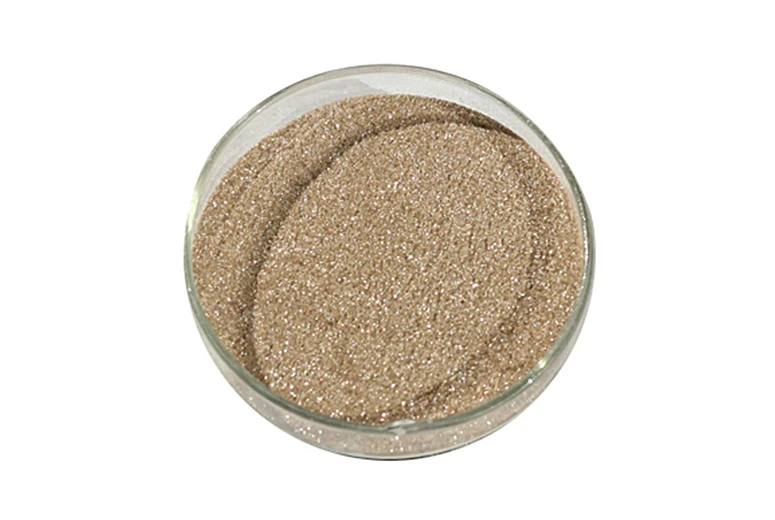
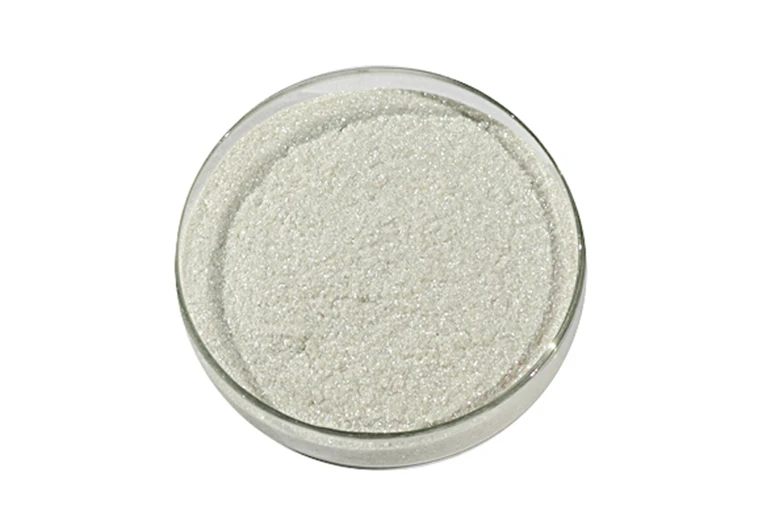
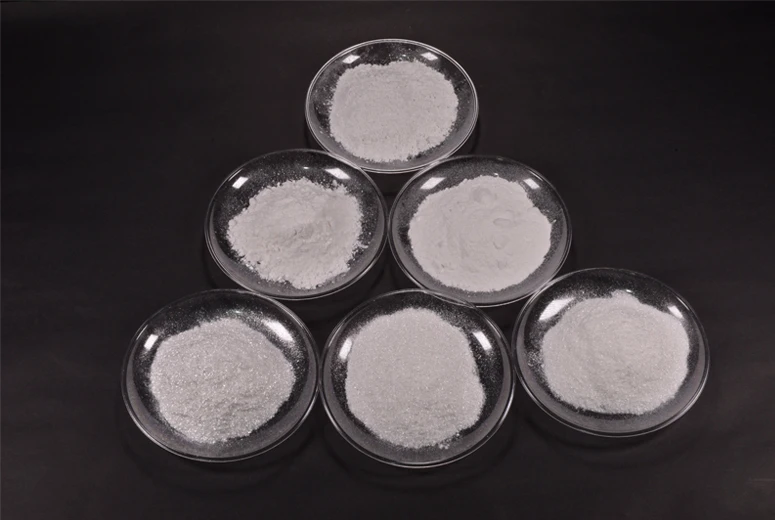
| Color | White, Silver, Gold, Bronze hues | Depends on impurities & treatment |
| Chemical Composition | KAl2(AlSi3O10)(OH)2 | Essentially potassium aluminum silicate |
| Moisture Content | < 1% | Low moisture preferred |
| Heavy Metals | Below regulatory limits (e.g. Pb & Cd) | For safety compliance |
Comparing Leading Mica Suppliers for Cosmetics
| Supplier | Origin | Certification | Specialty | Typical MOQ |
|---|---|---|---|---|
| BrightMica Inc. | India | ISO 9001, Responsible Mica Initiative | High-purity, fine grade | 1 ton |
| EcoMica Solutions | Madagascar | Fair Trade, Ecocert | Sustainably mined, organic | 500 kg |
| PureGlow Mica | Brazil | ISO & REACH compliant | Wide color range | 2 tons |
Innovations and Future Trends in Mica for Cosmetics
An interesting trend right now is the rise of lab-grown or synthetic mica analogs, aiming to replicate the natural shimmer while sidestepping ethical dilemmas. This is still early days, but it could revolutionize mineral makeups in the next decade.
Brands are also experimenting with nanoscale mica particles for ultra-fine shimmer and longer-lasting effects. Green chemistry approaches to reduce environmental impact during processing are gaining traction too, alongside blockchain technology to enhance supply chain transparency.
Challenges and How the Industry is Tackling Them
The big elephant in the room is the ethical sourcing of mica. Reports of exploitative labor practices, especially with child miners, have pressured companies to verify supply chains rigorously.
Technical challenges include ensuring uniformity of particle size, removing toxic elemental impurities, and formulating products that maintain stability with mica. Experts suggest combining advanced mineral processing technologies with traceability systems as a way forward.
FAQ: What People Ask About Mica for Cosmetics
- Is mica safe for sensitive skin?
- Yes, mica is chemically inert and non-irritating for most skin types. It’s often used in mineral makeup designed specifically for sensitive skin, but always patch test any cosmetic product to ensure compatibility.
- How can brands ensure mica is ethically sourced?
- Look for certifications like the Responsible Mica Initiative or Fair Trade labels. Many suppliers now provide traceability reports to guarantee no child labor or unsafe mining practices are involved.
- Can synthetic mica replace natural mica?
- Synthetic mica analogs offer an eco-friendly alternative but are currently more costly and less widely available. They’re gaining traction for high-end and clean beauty lines.
- What makes mica different from glitter in cosmetics?
- Mica provides a softer, natural shimmer unlike plastic-based glitter. It feels silky, blends easily, and is biodegradable, making it a more sustainable option for shimmer effects.
- Where can I learn more about mica’s role in cosmetics?
- Industry organizations and mineral supply associations publish useful resources. For practical purchasing info, check out mica for cosmetics providers who often share guides and certifications.
Conclusion: Why Mica Will Keep Shining in Cosmetics
Whether you’re an end user admiring that nourishing glow or a formulator crafting tomorrow’s beauty breakthrough, mica for cosmetics remains an essential ingredient bridging nature, science, and ethics. Its combination of tactile luxury and functional benefits make it hard to replace anytime soon.
If you want to dive deeper and source high-quality, ethically mined mica, head over to https://www.hjmica.com — a hub for quality mica that respects both planet and people.
Final, quick takeaway:
Behind every shimmering face lies a story of minerals, ethics, and innovation — and mica continues to be at the heart of it.
References
-
Ultimate Guide to Using High Quality Pearl Paint Pigment for LusterNewsApr.16,2026
-
Elevating Automotive Aesthetics with Mica Powder Car PaintNewsApr.09,2026
-
Unlock Stunning Effects with Mica Powder for Paint ApplicationsNewsApr.07,2026
-
Comprehensive Guide to Mica Dye Powder Applications and BenefitsNewsApr.04,2026
-
Unlocking the Brilliance of Mica Pigment Paint for Diverse ApplicationsNewsMar.31,2026
-
Enhancing Concrete Performance with Durable Mica Chips for Concrete ApplicationsNewsMar.28,2026