
Mica Dust: Non-Toxic, Vibrant Color—Why Choose Us?
Why mica dust still matters in rubber barriers: field notes on 40-D Mica Powder
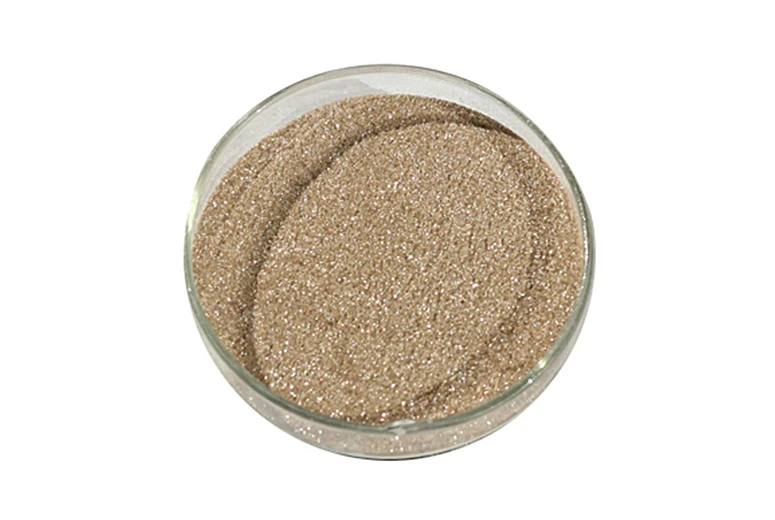
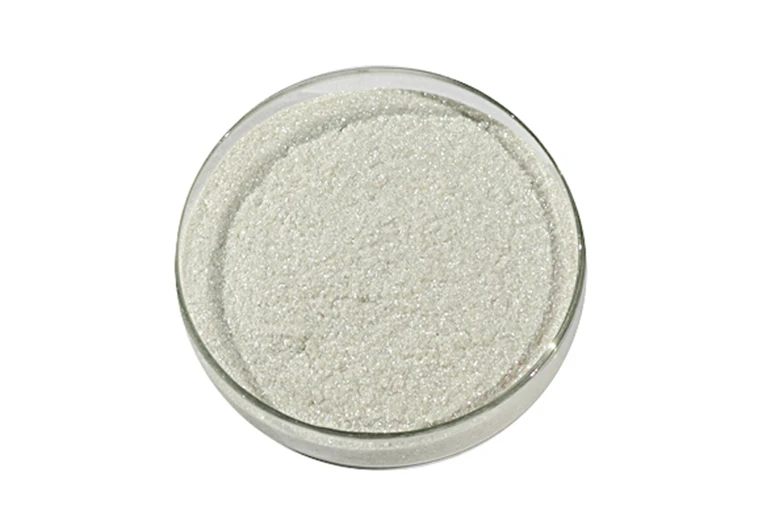
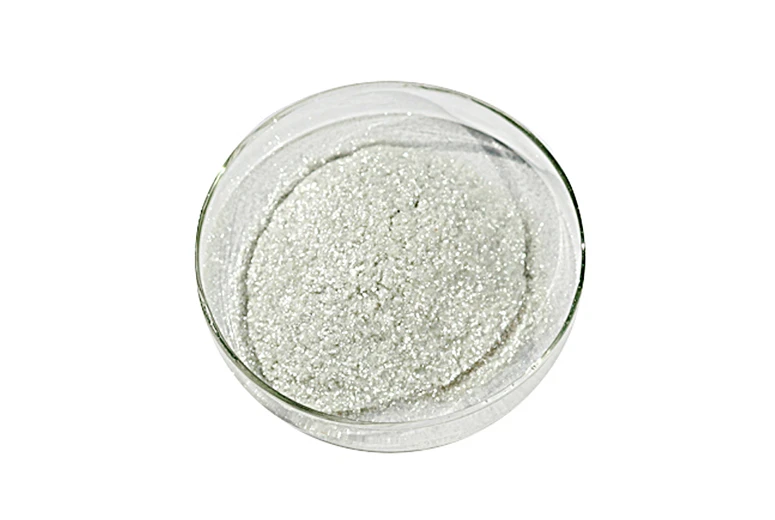
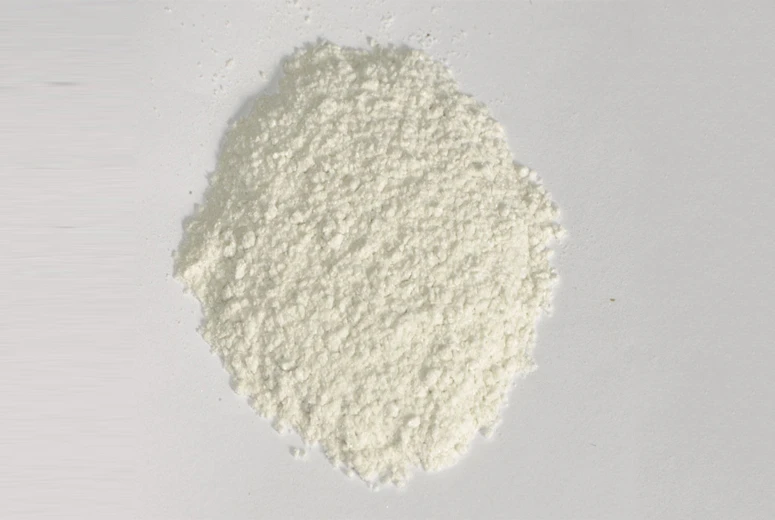
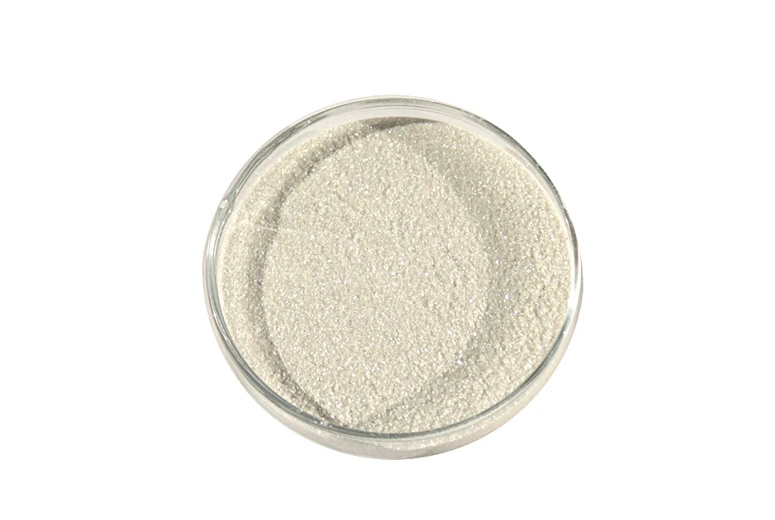
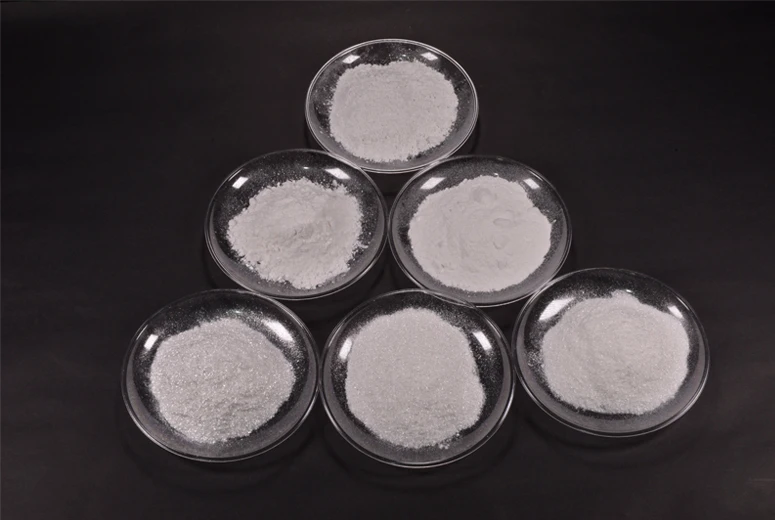
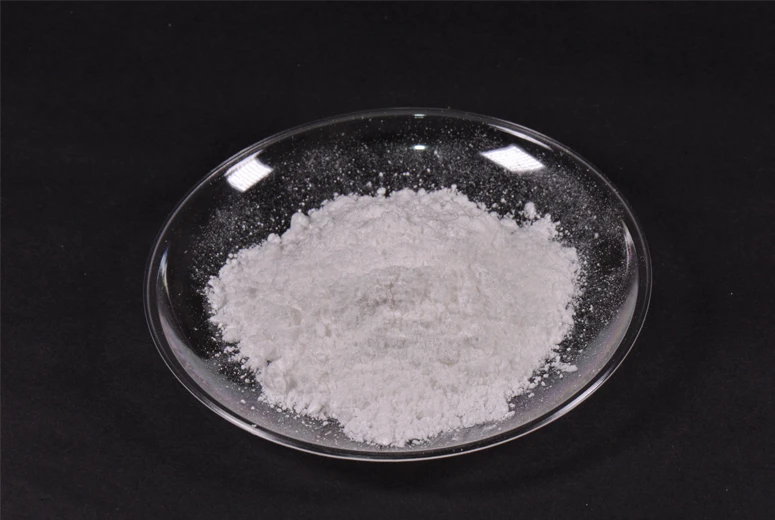
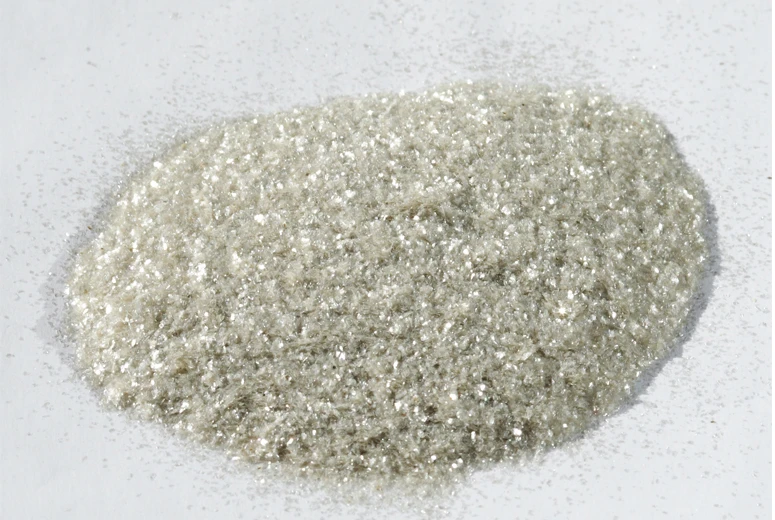
I keep a jar of the stuff on my desk—because, to be honest, it’s easier to explain plate-like fillers when you can tilt them in the light. Huajing’s 40-D Mica Powder from Xujiatuan, Ciyu Town, Lingshou County, Shijiazhuang (Hebei, China) looks coarse at first glance, but that small-scale, layered shape is exactly what gives rubber compounds real-world gas and liquid barrier performance.
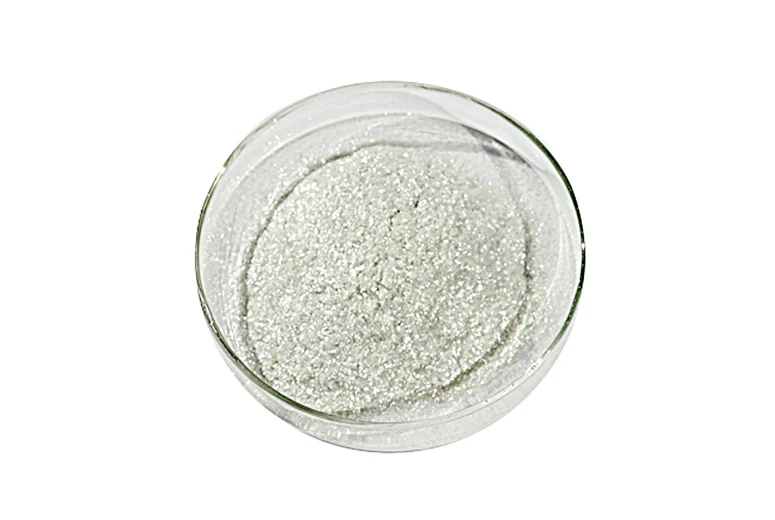
What’s driving demand
Across tires, medical stoppers, membranes, and hoses, formulators want lower permeability without overloading carbon black or pricey nanoclays. Platelets like mica dust create a tortuous path—more zigzags for molecules to travel—so air, nitrogen, and liquids slow down. In fact, classic composite barrier models predicted this decades ago, and shop-floor results keep confirming it [4]. The trend now is consistent aspect ratio, clean traceability, and dependable moisture control. Not flashy, just solid.
Process and QC (short version)
- Materials: muscovite mica ore, beneficiated and classified.
- Methods: dry grinding → multi-stage air classification → dedusting; optional silane surface treatment for rubber compatibility.
- Testing standards referenced: sieve/PSD (laser diffraction), moisture (oven), LOI, oil absorption; rubber validation via ASTM D412 (tensile), D2240 (Shore A), D471 (liquid resistance), and permeability on films per ASTM D1434 / ISO 15105-1 [1][2][3].
- Service life: filler is inert; in tires, hoses, and stoppers it typically lasts the life of the elastomer, assuming standard compounding and cure.
- Industries: tire inner liners, butyl stoppers, fuel/air hoses, automotive membranes, industrial films.
40-D Mica Powder — indicative specs
| Mineral | Muscovite mica (platelet) |
| Nominal size | ≈40 mesh (D50 around 300–500 μm, real-world use may vary) |
| Aspect ratio | ≈60–100:1 (layered structure) |
| Moisture | ≤0.5–1.0% (typ.) |
| LOI | ≈3–5% |
| Oil absorption | ≈18–25 g/100 g |
| pH | ≈7–9 |
| Origin | Xujiatuan, Ciyu Town, Lingshou County, Shijiazhuang, Hebei, China |
| Compliance | ISO 9001 QMS; typical supplier declarations for REACH/RoHS |
In rubber, 5–15 phr of mica dust is a common starting window. Many customers say permeability drops in the 15–35% range compared to an unfilled control film of equivalent thickness, with minimal change to hardness when phr is tuned and plasticizer balanced. Your mileage may vary—mixing energy and cure package matter a lot.
Quick vendor comparison
| Vendor | Traceability | Aspect ratio control | Certs | Customization | Lead time |
|---|---|---|---|---|---|
| Huajing 40-D | Mine-level origin; stable lot IDs | High (tight PSD) | ISO 9001; REACH/RoHS statements | Surface treatment, PSD tuning | ≈2–3 weeks ex-works |
| Regional Trader A | Mixed sources | Medium | Basic CoC | Limited | Variable |
| Generic Mica B | Unknown | Low–Medium | N/A | None | Unclear |
Application snapshots
- Tire inner liner (NR/BR/IIR blends): 10 phr mica dust cut nitrogen permeability ≈22% vs. control film at equal thickness (ASTM D1434 lab method) while maintaining Shore A within ±2 points.
- Butyl medical stoppers: 5–8 phr improved helium leak rate ≈30% in pilot runs; device-level validation remains customer-specific (USP/ISO 10993 as applicable).
- Automotive hoses: barrier boost with modest flex-fatigue impact when phr kept in single digits; confirm via D412 and D471 resistance panels.
Customization tips
Ask for silane-treated mica dust if you’re coupling into polar elastomers or want better dispersion. For calendered films, a slightly narrower PSD helps optics and test repeatability. And yes, pre-dispersed masterbatch can save mixing time—surprisingly effective when you’re scaling.
Customer voice: “We expected some barrier gain, but the consistency lot-to-lot was the story,” one tire compounder told me. Another said the coarser grade made processing “forgiving”—their words, not mine.
Standards and proof points
For barrier claims, document with ASTM D1434 or ISO 15105-1 on cured rubber films. Track hardness (ASTM D2240), tensile/elongation (ASTM D412), and liquid resistance (ASTM D471). The tortuosity argument is old-school but still valid [4].
References
- ASTM D1434: Standard Test Method for Determining Gas Permeability of Plastic Film and Sheeting. astm.org
- ASTM D471: Rubber Property—Effect of Liquids. astm.org
- ISO 15105‑1: Plastics—Film and sheeting—Gas transmission rate—Differential-pressure method. iso.org
- Nielsen, L. E. Models for the Permeability of Filled Polymer Systems, Journal of Macromolecular Science (1967); see also Cussler et al., AIChE J. 44(11): 2847–2857 (1998).
-
Ultimate Guide to Using High Quality Pearl Paint Pigment for LusterNewsApr.16,2026
-
Elevating Automotive Aesthetics with Mica Powder Car PaintNewsApr.09,2026
-
Unlock Stunning Effects with Mica Powder for Paint ApplicationsNewsApr.07,2026
-
Comprehensive Guide to Mica Dye Powder Applications and BenefitsNewsApr.04,2026
-
Unlocking the Brilliance of Mica Pigment Paint for Diverse ApplicationsNewsMar.31,2026
-
Enhancing Concrete Performance with Durable Mica Chips for Concrete ApplicationsNewsMar.28,2026