
Mica Candle Dye: Durable, Vibrant, and Sustainable Solutions for Candle Manufacturers
Mica Candle Dye is a key solution in the industry, specifically within the candle manufacturing sector and other related industries that demand vibrant, durable, and versatile coloring agents. This article explores how https://www.hjmica.com supports professionals with durable, high-performance products, and explains why this product is an ideal choice for businesses in these sectors.
Table of Contents
- Mica Candle Dye Overview
- Benefits & Use Cases of Mica Candle Dye
- Cost, Maintenance & User Experience
- Sustainability & Market Trends
Mica Candle Dye Overview
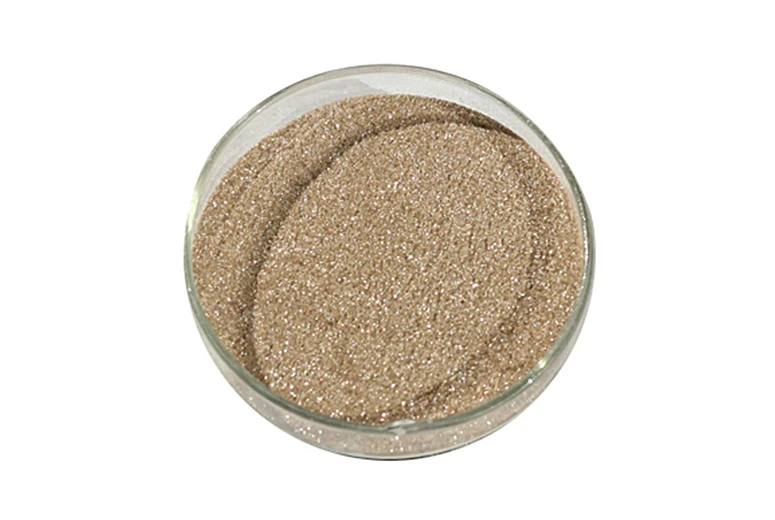
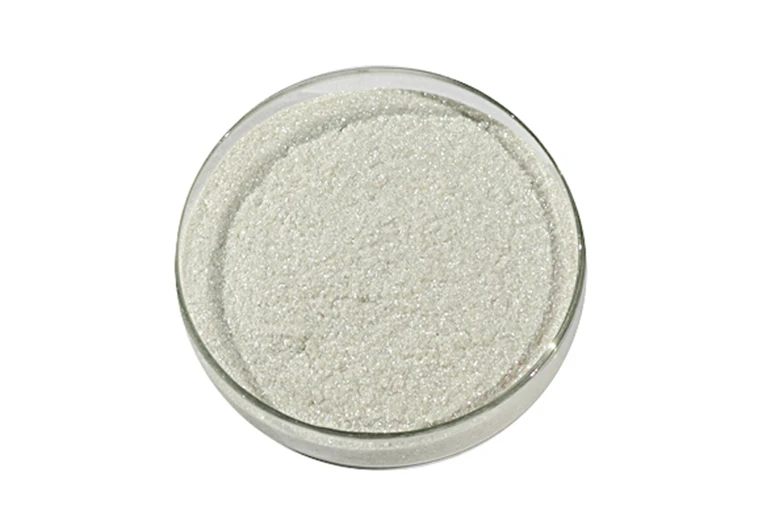
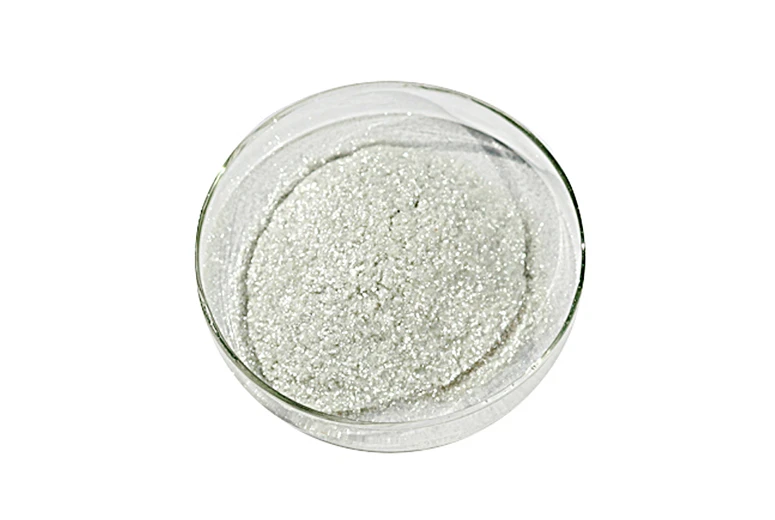
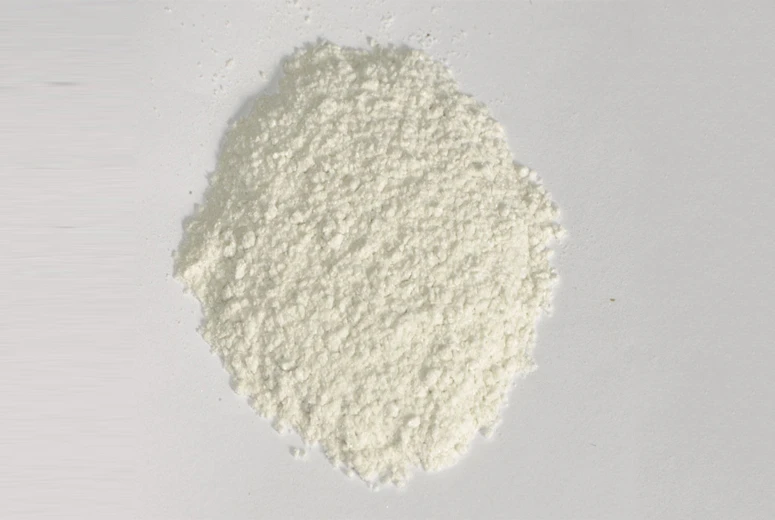
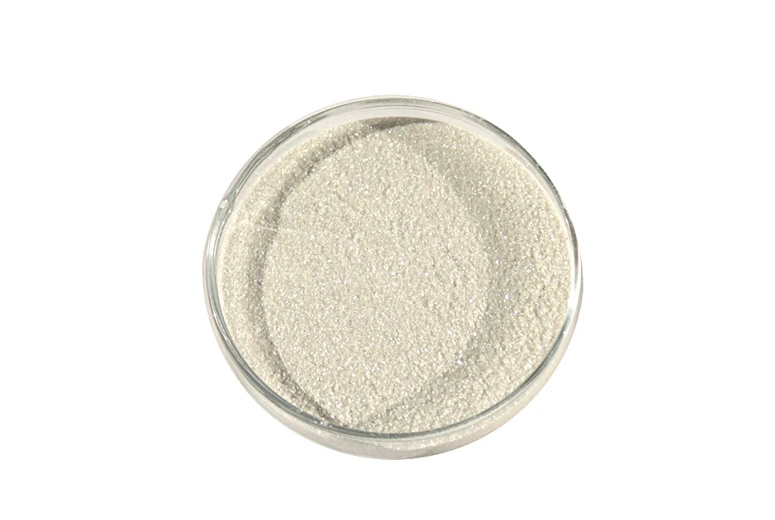
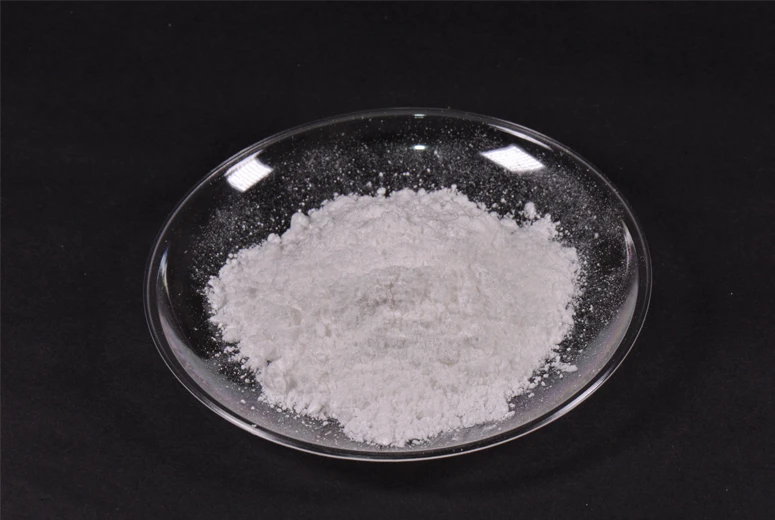
Mica Candle Dye is essentially a fine powder pigment derived from natural mica minerals, engineered specifically for coloring candles with a shimmering, rich effect. You might wonder why it matters so much in the candle industry? Well, candles aren’t just about fragrance or flame; visual appeal plays a big role. With mica dye, manufacturers achieve colors that are more stable, heat-resistant, and offer a lustrous finish that synthetic dyes often struggle to match. Technically, the mica particles are coated with pigments and dispersed evenly to avoid clumping—kind of like painting with powder instead of liquid. This ensures that heat doesn’t easily fade the color, and the sparkle adds that premium touch customers seem to appreciate. In some case studies, using mica dyes from HJMica improved color retention by up to 25% compared to traditional wax dyes.
| Specification | Details |
|---|---|
| Product Type | Natural mica-based powdered dye |
| Particle Size | Micronized, typically 10-40 microns |
| Heat Resistance | Up to 150°C stable |
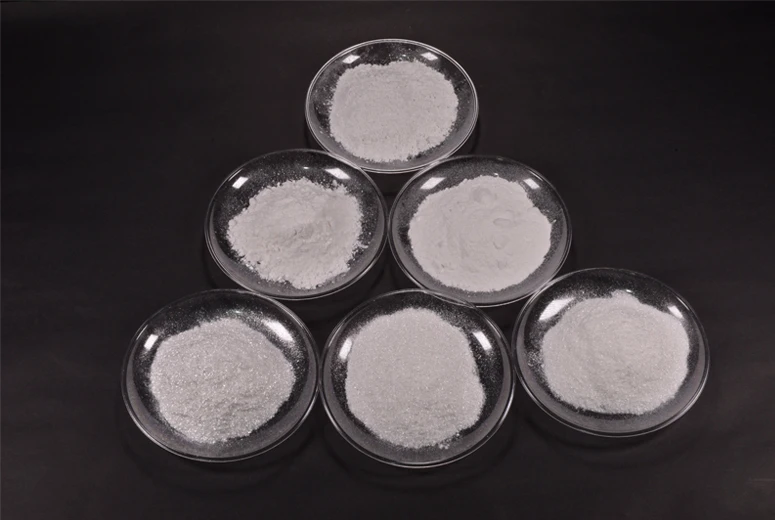
| Color Range | Wide spectrum, metallics, pearlescent shades |
| Application | Paraffin, soy, beeswax candles, cosmetics |
Benefits & Use Cases of Mica Candle Dye
For B2B decision makers in the candle manufacture and home fragrance industries, Mica Candle Dye is quite a game changer. You get not just vibrant colors, but also durability and a soft shimmer that sets your products apart. Many companies using mica dye from HJMica report that their candles maintain vibrant hues even after extended burning times. That’s something pure pigment dyes sometimes miss out on — they tend to lose luster or shift colors somewhat. Moreover, these dyes perform well across diverse wax types — soy, paraffin, beeswax — and even blend well with fragrance oils without affecting scent throw. Another plus is how easy the dye is to mix and handle on production lines, reducing downtime.
- Industrial candle production, especially luxury candles.
- Decorative cosmetics and soap coloring.
- Custom order batches requiring stable, shimmering colors.
| Feature | HJMica Mica Candle Dye | Traditional Dyes |
|---|---|---|
| Color Stability | High, resists fading | Moderate, often fades with heat |
| Heat Resistance | Up to 150°C | Typically less, color degradation possible |
| Visual Effect | Pearlescent, shimmering | Matte or flat |
| Wax Compatibility | All major wax types | Limited, some waxes problematic |
| Fragrance Interaction | Non-interfering | Can diminish scent throw |
Cost, Maintenance & User Experience
In real terms, investing in Mica Candle Dye feels like a smart choice more often than not. While the unit price can be a bit higher compared to generic dyes, the overall cost of ownership usually balances out thanks to less product waste, better batch consistency, and lower rates of rejects due to color issues. HJMica, for example, offers bulk purchasing options that help reduce costs substantially for large manufacturers. Feedback from several users in the luxury candlemaking space praises the ease of mixing and the reliable, consistent coloration effects. One customer noted, “It’s like the dye just ‘works’ with all types of waxes we use, and we don’t have to tweak formulas endlessly.” Maintenance-wise, mica dyes pose no special challenges beyond typical powder handling safeguards. Cleaning lines is straightforward since the powder integrates cleanly with wax without staining machinery.
Sustainability & Market Trends
Sustainability is no longer just a buzzword — it’s becoming a core buying factor. Oddly enough, mica dyes, especially those from reputable vendors like HJMica, have become popular partly because mica is a naturally occurring mineral, often sourced with eco-awareness in mind. The company emphasizes transparency in sourcing, helping buyers meet increasingly strict environmental regulations. Additionally, the shift towards organic and natural products extends to candle coloring agents, favoring mica-based dyes over synthetic, chemical-laden alternatives. Market-wise, forecasts indicate steady growth in demand for mica-based pigments thanks to rising consumer desire for artisanal, clean-label candles with unique aesthetics. It feels like an intersection of tradition (natural minerals) and innovation (advanced pigment processing) that's driving this trend.
Frequently Asked Questions about Mica Candle Dye
- What is Mica Candle Dye and how does it work?
- Mica Candle Dye is a pigment powder made from mica minerals coated with colorants, designed to be mixed into candle wax to create shimmering colors that resist heat and fading. Essentially, it adds natural sparkle and stable tones unlike many liquid dyes.
- What are the main benefits of using Mica Candle Dye in industrial applications?
- It offers heat stability, vibrant and long-lasting colors, compatibility with multiple wax types, minimal impact on fragrance, and an aesthetically pleasing pearlescent finish — all valuable for manufacturers producing high-quality candles.
- How does Mica Candle Dye compare to traditional alternatives?
- Unlike many conventional wax dyes which may fade or dull quickly, mica dyes maintain color vibrance and add a unique shimmering effect. They also tend to be more heat resistant and less likely to interfere with fragrance release.
- What industries can benefit most from Mica Candle Dye implementation?
- Beyond candle manufacturing, cosmetic producers, soap makers, and manufacturers of decorative wax products appreciate mica candle dye for its aesthetic qualities and reliability.
Conclusion on Mica Candle Dye from china
To sum it up: Mica Candle Dye, especially as produced and supplied by companies like HJMica, presents a compelling option for B2B businesses aiming to deliver candles that are rich in color, unique in sparkle, and stable under heat stress. It blends the charm of natural mineral pigments with the demands of modern manufacturing — a smart choice for quality-conscious producers. Feel free to visit our website to explore options and technical details.
- Rich, durable color and unique pearlescent finish
- Excellent compatibility with wax and fragrance oils
- Eco-conscious sourcing and growing market interest
I suppose when you look at the big picture, mica candle dyes really stand out as a natural evolution in wax coloring — marrying aesthetics with durability without compromise.
References:
- Industry Whitepaper: "Advancements in Candle Colorants," 2023
- HJMica Product Catalog & Technical Specifications, 2024
- "Sustainable Pigments in Consumer Products," Journal of Industrial Chemistry, 2023
-
Ultimate Guide to Using High Quality Pearl Paint Pigment for LusterNewsApr.16,2026
-
Elevating Automotive Aesthetics with Mica Powder Car PaintNewsApr.09,2026
-
Unlock Stunning Effects with Mica Powder for Paint ApplicationsNewsApr.07,2026
-
Comprehensive Guide to Mica Dye Powder Applications and BenefitsNewsApr.04,2026
-
Unlocking the Brilliance of Mica Pigment Paint for Diverse ApplicationsNewsMar.31,2026
-
Enhancing Concrete Performance with Durable Mica Chips for Concrete ApplicationsNewsMar.28,2026