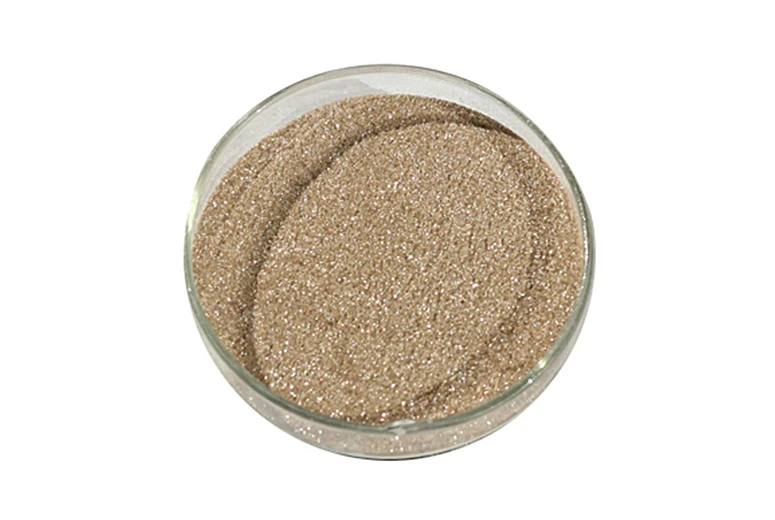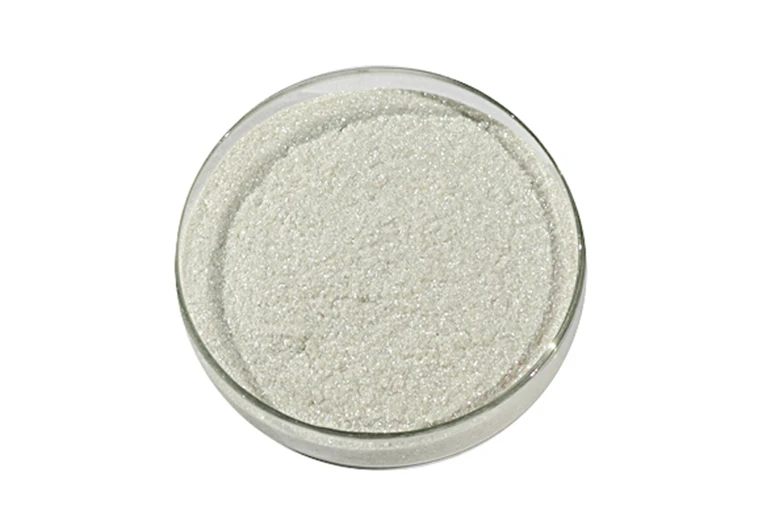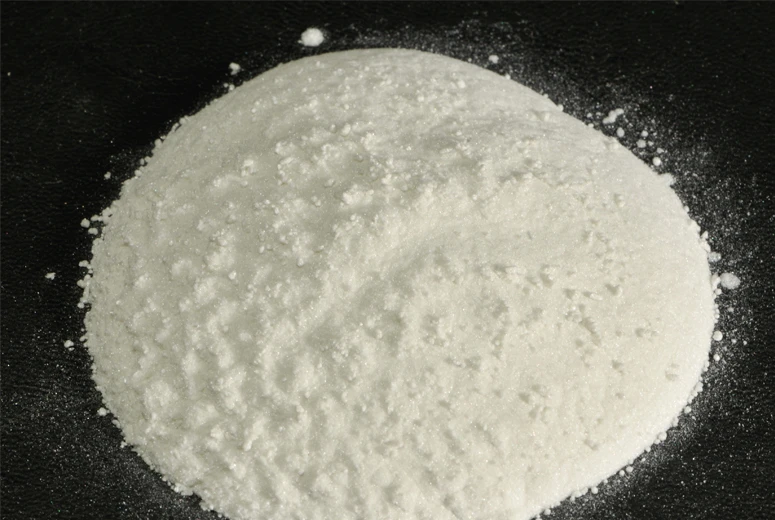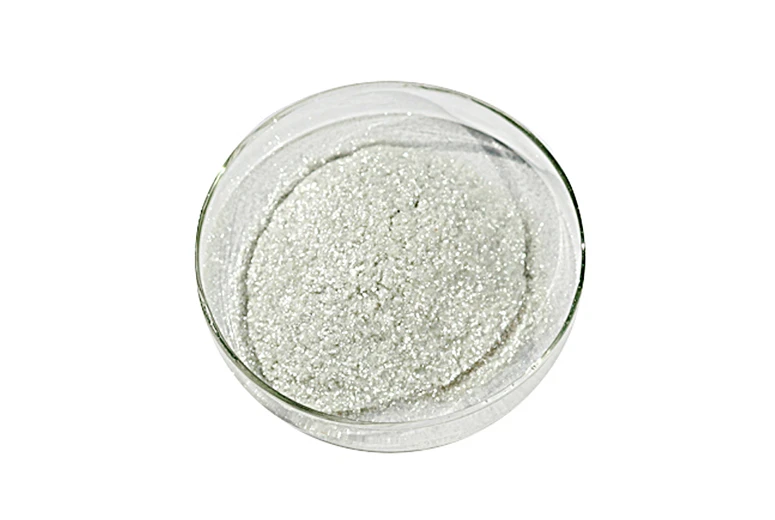

Is Mica Powder for Cosmetics Safe? Key Facts & Industry Insights
The Growing Importance of Mica Powder for Cosmetics Safe Use
At a glance, mica powder might just seem like glitter that adds shimmer to your favorite blush or eyeshadow. But scratch beneath the surface, and you’ll find a mineral with a fascinating global footprint, wrapped up in challenges ranging from ethical sourcing to safety compliance. Knowing how mica powder for cosmetics safe use impacts the beauty industry is actually quite striking — it touches consumer health, international labor rights, and even the technological demands of cosmetic manufacturers worldwide.
In real terms, this means understanding how mica powder is harvested, processed, and tested, and what standards are governing its inclusion in cosmetic products. This knowledge ensures that when you pick a sparkling lipstick, you're not just getting a pretty product but one that’s responsibly sourced and safe for your skin. After all, safety and sustainability have gone from buzzwords to table stakes in today’s personal care market.
Summary takeaway:
- Mica powder is widely used in cosmetics for its shimmer and texture.
- Its safe use involves ethical sourcing and rigorous testing.
- Consumers and brands alike benefit from transparency and standards.
Why Global Industry Focuses on Mica Powder for Cosmetics Safe Use
Cosmetics is a multi-billion dollar industry fueling beauty trends and countless jobs worldwide. The World Bank estimates the personal care market to surpass $750 billion by 2025 — much of which relies on pigments like mica to create appealing colors and finishes. However, mica mining has had a complicated history, often involving unethical labor practices, child labor, and environmental concerns — primarily in regions like India and Madagascar where mica deposits are rich.
The United Nations has spotlighted responsible sourcing as a global imperative, promoting initiatives to certify mica minerals free of exploitation. On the technology side, ISO standards for cosmetic ingredients help manufacturers maintain consistent quality and safety profiles for mica powders used in makeup, skincare, and body paints.
Here’s the problem: a cosmetic brand’s glittering face powder could actually be tainted by unsafe or unfair mining practices — and poor quality powders might contain harmful contaminants. The industry needs transparent, verifiable safety standards for mica powder, or else risk reputational damage and consumer harm.
Summary takeaway:
- The global scale of cosmetic mica mining raises ethical and safety challenges.
- International bodies and ISO standards push for safe and responsible mica use.
- Brands care — because consumer trust is hard won and easily lost.
What Exactly Does 'Mica Powder for Cosmetics Safe' Mean?
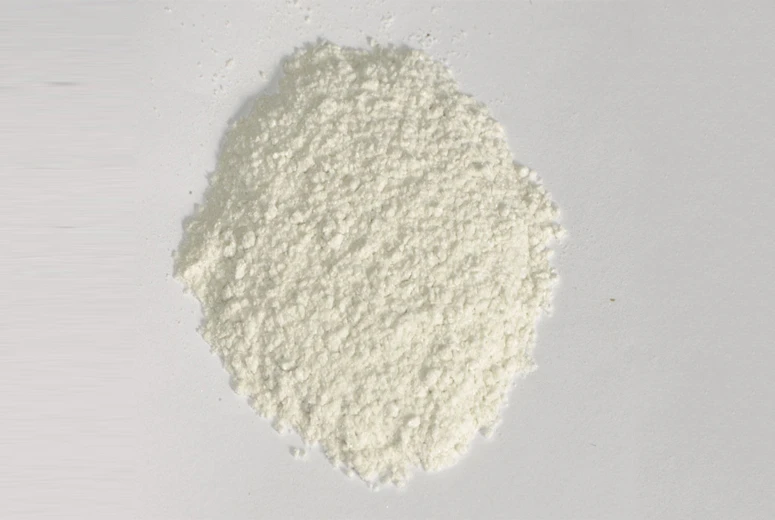
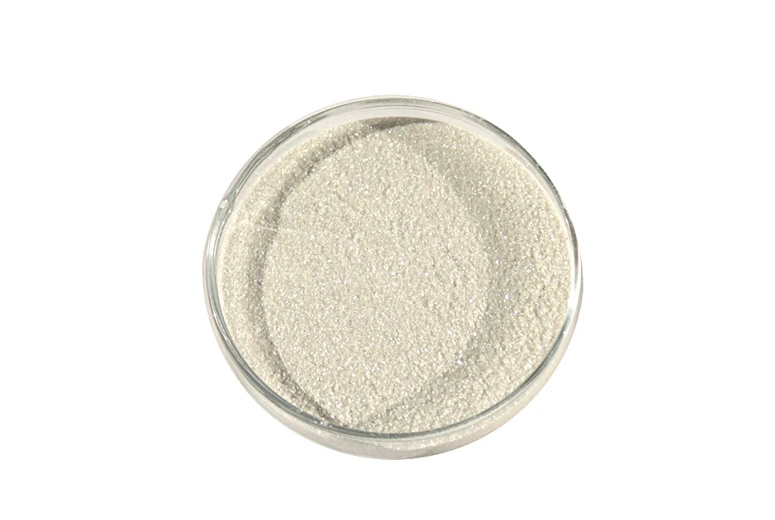
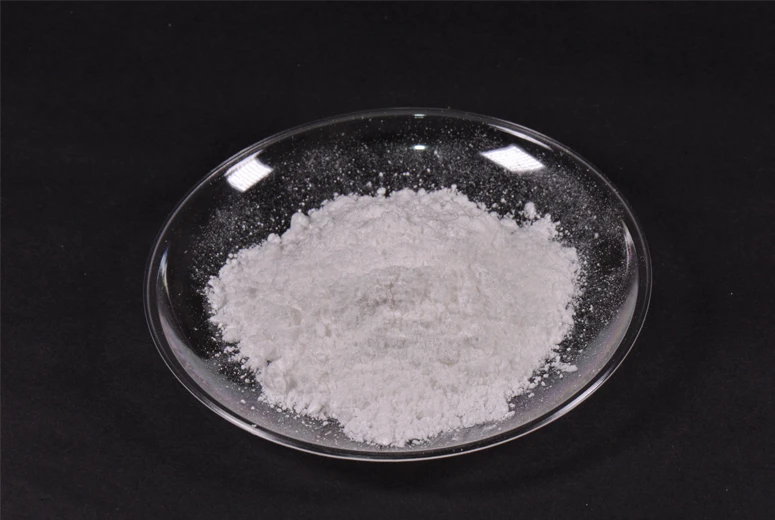
Simply put, mica powder for cosmetics safe means mica that meets strict criteria ensuring it’s free from harmful substances, ethically sourced, and processed in ways that preserve its purity. Mica itself is a naturally occurring mineral – a silicate known for its flaky, reflective qualities. When micronized into powders, it produces that beautiful pearlescent effect cosmetic lovers crave.
To be “safe” for cosmetics, mica powder must generally comply with regulatory requirements like EU’s Cosmetics Regulation (EC) No 1223/2009 or FDA guidelines in the U.S. This covers limits on heavy metals, absence of asbestos contamination, and microbial purity. Often vendors will provide Certificates of Analysis (CoA) to verify compliance. Plus, “safe” includes social dimensions — mica from mines where child labor is eliminated and workers have fair conditions.
Summary takeaway:
- Mica powder safety involves chemical purity and ethical sourcing.
- Regulations and third-party certifications guide safe cosmetic-grade mica.
- It's as much about people and planet as it is about chemistry.
Key Factors Ensuring Mica Powder for Cosmetics Safe Use
1. Purity & Chemical Composition
Pretty obvious — the mica has to be free from heavy metals like lead, arsenic, and mercury. Impurities can cause allergic reactions or worse. Suppliers use atomic absorption spectroscopy (AAS) or inductively coupled plasma (ICP) to verify this.
2. Particle Size & Texture
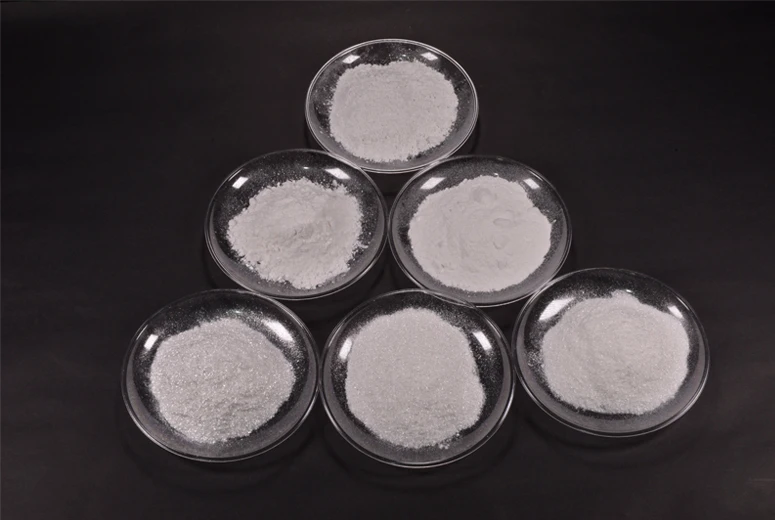
Particle size affects not just color payoff, but safety. Finer mica powders absorb better and don’t abrade delicate skin. Tests measure micron size ranges typically between 1-40 microns.
3. Absence of Contaminants
One major risk is asbestos contamination since mica and asbestos minerals can occur together in nature. Testing using microscopy and X-Ray Diffraction ensures no asbestos fibers remain.
4. Ethical & Traceable Sourcing
Knowing your mica’s origin is no longer optional. Due diligence programs and third-party audits certify mines for ethical labor practices. Transparency matters to customers and regulators alike.
5. Stability and Compatibility
Mica should remain stable when mixed with cosmetic emulsions, oils, and pigments. Its formulation performance impacts product longevity and effectiveness — and ultimately user experience.
Summary takeaway:
- Quality control in purity, size, and stability is fundamental.
- Testing prevents health hazards like heavy metals and asbestos.
- Ethical sourcing is integral to the definition of “safe.”
Typical Specifications of Cosmetic-Grade Mica Powder
| Specification | Value / Range |
|---|---|
| Chemical Composition | Potassium, Aluminum Silicate |
| Particle Size | 1–40 μm |
| Heavy Metals | |
| Asbestos Content | Not detected (ND) |
| Moisture | Max 2% |
| Certificate of Analysis | Provided |
How Leading Vendors Compare on Mica Powder for Cosmetics Safe
| Vendor | Ethical Sourcing | Testing Rigor | Particle Range (μm) | Certifications |
|---|---|---|---|---|
| HJMica | Fair trade, audited mines | ICP, AAS, XRD, Micro | 1–35 | ISO 9001, COSMOS, REACH |
| PureShine Minerals | Mixed; some uncertified | Basic heavy metals only | 5–40 | None |
| GlitterCo | Ethical but limited reports | Heavy metals + microbial | 3–30 | ISO 22716 |
Worldwide Uses and Applications of Safe Mica Powder
Mica powder finds its way into a vast array of beauty and personal care products worldwide. Asian markets, especially in South Korea and Japan, integrate mica extensively in skincare and high-performance cosmetics. In Europe and North America, the focus is also heavily on organic and “clean beauty” brands, driving demand for certified, toxin-free mica.
Industrial applications have also expanded — mica is used in eco-friendly paints, decorative coatings, and even 3D printing pigments. NGOs working in fair trade efforts often promote safe mica use as a way to promote community development in mining regions, reducing child labor and environmental damage.
In real terms: whenever you apply a shimmering highlight or glossy lip tint, safe mica powder is behind that smooth application — ensuring the glow is not just beautiful but responsibly crafted.
Summary takeaway:
- Mica powder is central to the global cosmetics and personal care market.
- Applications go beyond makeup — including decorative and technical industries.
- Fair trade mining initiatives help promote sustainable sourcing.
Advantages and Long-Term Value of Choosing Safe Mica Powder
- Consumer Safety: Avoid skin irritation, allergic reactions, or contamination risks.
- Brand Trust and Transparency: Ethical sourcing builds lasting consumer confidence.
- Sustainability: Reduces environmental harm and supports better labor practices.
- Consistent Quality: Stable coloring, easy blending, long shelf life.
- Emotional Resonance: Feel good wearing beauty products that align with your values.
Many industry insiders mention that once consumers learn about mica’s drawbacks and benefits, their purchasing habits shift. It’s no longer "just makeup." It’s a choice — of responsibility, artistry, and safety — that contributes to a better global ecosystem.
Looking Ahead: Innovations in Mica Powder for Cosmetics Safe Use
Innovation isn’t pausing. Laboratory-developed synthetic mica powders are on the rise, offering purity and uniformity impossible to match by natural extraction. And the use of blockchain to trace mica’s journey from mine to makeup brush is becoming increasingly popular, especially among premium brands.
Environmental concerns push research into biodegradable mica composites, and more efficient mining technologies help minimize the ecological footprint. AI-powered quality control systems are also emerging, inspecting particle sizes and contaminant traces faster and more accurately than manual methods.
Challenges Facing Safe Mica Powder and Current Solutions
The obvious challenges remain: unethical mining practices in remote regions are hard to police. Asbestos contamination is a nightmare risk. Regulatory gaps and inconsistent enforcement worldwide make some suppliers fly under the radar.
Yet solutions exist. Multi-stakeholder certifications, consumer education, and an industry-wide push for full supply chain transparency slowly but surely improve the situation. Brands that refuse to compromise set a new bar for suppliers — demanding better safety and ethical standards.
FAQ: Frequently Asked Questions About Mica Powder for Cosmetics Safe
- Q: How can consumers be sure mica powder in cosmetics is safe?
- A: Look for products with certifications like COSMOS or ISO 9001, transparent supplier info, and third-party testing reports. Brands often provide these on packaging or websites.
- Q: Can mica powder cause skin irritation?
- A: Pure, cosmetic-grade mica is generally safe and non-irritant, but impurities or very coarse particles might cause sensitivity, especially for delicate skin types.
- Q: What is the difference between natural and synthetic mica powder?
- A: Natural mica is mined and processed, with variability in particle size and purity. Synthetic mica is lab-made with consistent purity and fewer contaminants, but usually at higher cost.
- Q: Is ethically sourced mica more expensive?
- A: Typically yes, due to rigorous social and environmental standards. But this premium supports safer mining communities and better consumer safety.
- Q: Where can I find mica powder for cosmetics safe online?
- Check trusted suppliers with verified certifications, such as mica powder for cosmetics safe, for transparent, tested mica products.
Final Thoughts
Safe mica powder in cosmetics is more than just a functional ingredient — it’s a lens reflecting industry evolution, consumer values, and global ethical challenges. Choosing certified, high-quality mica ensures your makeup doesn’t just look good but feels right on every level. It protects health, supports fair labor, and fosters innovation.
If you want to learn more or source mica powder for cosmetics safe and reliable, visit https://www.hjmica.com to explore trusted products. After all, recognizing what goes into our beauty routines means caring for ourselves and the world that shapes them.
References
-
Ultimate Guide to Using High Quality Pearl Paint Pigment for LusterNewsApr.16,2026
-
Elevating Automotive Aesthetics with Mica Powder Car PaintNewsApr.09,2026
-
Unlock Stunning Effects with Mica Powder for Paint ApplicationsNewsApr.07,2026
-
Comprehensive Guide to Mica Dye Powder Applications and BenefitsNewsApr.04,2026
-
Unlocking the Brilliance of Mica Pigment Paint for Diverse ApplicationsNewsMar.31,2026
-
Enhancing Concrete Performance with Durable Mica Chips for Concrete ApplicationsNewsMar.28,2026