

High Purity Synthetic Mica Powder for Premium Performance
In the realm of advanced material science, the demand for high-performance, stable, and versatile inorganic fillers continues to escalate across various industrial sectors. Among these, synthetic mica stands out due to its superior properties compared to its natural counterpart. This article delves into the intricacies of -15 Synthetic Mica Powder, a cutting-edge material engineered to meet the stringent requirements of modern applications. We will explore its manufacturing process, technical specifications, diverse application scenarios, and the profound advantages it offers to B2B decision-makers and engineers.
Industry Trends and Market Dynamics for Advanced Mica
The global synthetic mica market is experiencing robust growth, driven by increasing demand from high-growth industries such as electronics, automotive (especially electric vehicles), aerospace, and advanced coatings. Key trends shaping this market include:
- Miniaturization and High-Frequency Performance: With the continuous miniaturization of electronic components and the advent of 5G/6G technologies, materials capable of excellent dielectric properties, high thermal conductivity, and superior dimensional stability are paramount. Synthetic mica, with its precise particle size and high purity, is ideally suited for these demanding applications.
- Thermal Management Solutions: As power densities increase in electronic devices and EV batteries, efficient thermal management becomes critical. Synthetic mica's high thermal stability and conductivity make it an essential filler in thermal interface materials, heat sinks, and high-temperature encapsulants.
- Sustainability and Material Purity: There's a growing emphasis on materials that offer consistent purity and do not contain heavy metals or other impurities often found in natural minerals. Synthetic mica addresses this by providing a highly controlled composition.
- Customization and Specialty Applications: Manufacturers are increasingly seeking customized solutions for specific performance requirements, whether it's particle size distribution, surface treatment, or specific aspect ratios. This drives innovation in synthetic mica production.
The market for high-performance inorganic fillers is projected to reach significant valuations, with synthetic mica playing a crucial role in enabling next-generation technologies. Its unique combination of properties positions it as a preferred material for critical applications where reliability and performance cannot be compromised.
Process Flow: Manufacturing of -15 Synthetic Mica Powder
The production of -15 Synthetic Mica Powder is a highly controlled, multi-stage process designed to yield a material with exceptional purity, consistent morphology, and precise particle size distribution. Unlike natural mica, which is mined, synthetic mica is grown under controlled laboratory conditions, ensuring a material free from heavy metals and other deleterious impurities.
Schematic Process Steps:
- Raw Material Preparation: High-purity raw materials such as quartz sand (SiO2), alumina (Al2O3), potassium carbonate (K2CO3), magnesium oxide (MgO), and fluorides (e.g., K2SiF6) are meticulously weighed and mixed in precise stoichiometric ratios. This careful selection ensures the desired chemical composition and crystal structure of fluorphlogopite mica.
- Melting and Crystallization: The prepared raw material mixture is heated in specialized induction furnaces to temperatures exceeding 1400°C, melting into a homogeneous liquid. This molten material then undergoes a carefully controlled cooling process, allowing the synthetic mica crystals (fluorphlogopite) to grow with a high degree of structural integrity and purity. The crystallization phase is critical for achieving the desired layered structure.
- Crushing and Coarse Grinding: Once crystallized and cooled, the synthetic mica ingots are mechanically crushed and then subjected to coarse grinding to break them down into smaller fragments.
- Fine Grinding and Milling: The coarse fragments are further processed using advanced milling equipment, such as jet mills or ball mills, to achieve a finer particle size. This stage is crucial for controlling the morphology and aspect ratio of the mica flakes.
- Precision Classification (-15 Micron): To obtain the specific -15 grade, sophisticated air classification or sieving techniques are employed. This process precisely separates particles, ensuring that over 98% of the material has a particle size of 15 microns or less (typically measured by D90 or D97). This step guarantees the tight particle size distribution required for high-performance applications.
- Surface Treatment (Optional): Depending on the target application, the -15 Synthetic Mica Powder may undergo surface treatment (e.g., with silanes or other coupling agents) to enhance its compatibility with various polymer matrices, improving dispersion and mechanical properties of the final composite.
- Quality Control and Testing: Throughout the entire process, rigorous quality control checks are performed.
Testing standards adhere to international benchmarks such as ISO 3262 (Extenders for paints), ASTM D3014 (Mica powder for plastics), and relevant industry-specific standards for purity, particle size distribution, aspect ratio, thermal stability, dielectric strength, and heavy metal content. This meticulous process ensures the delivery of a consistent, high-quality product.
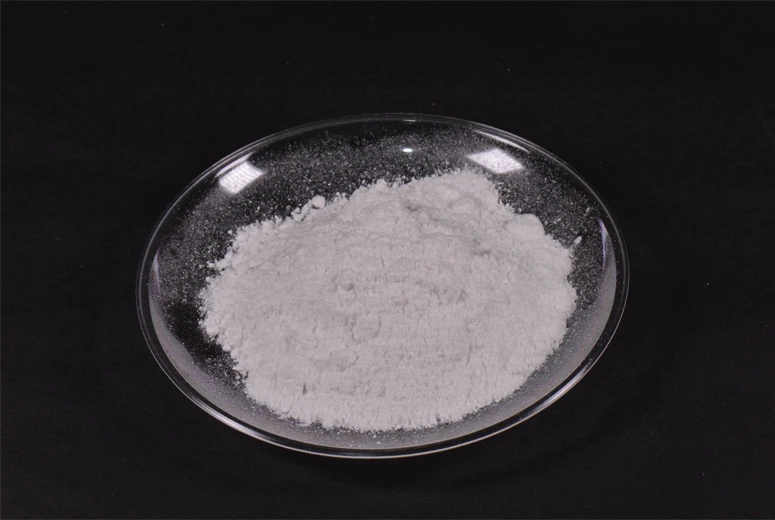
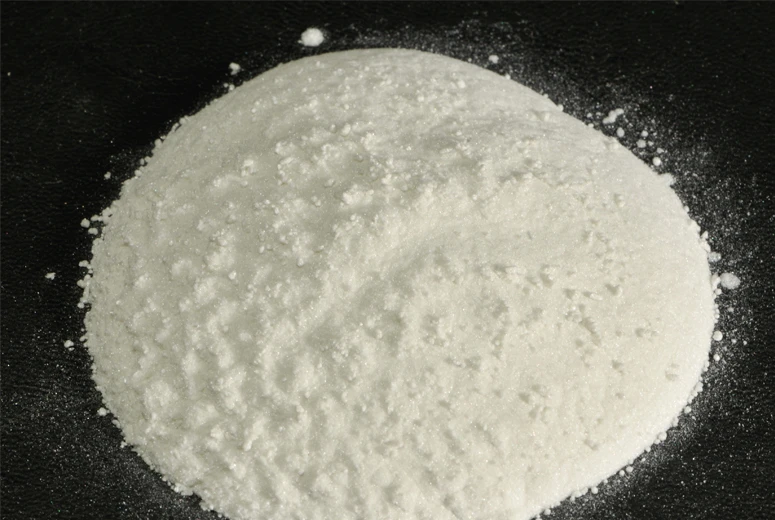
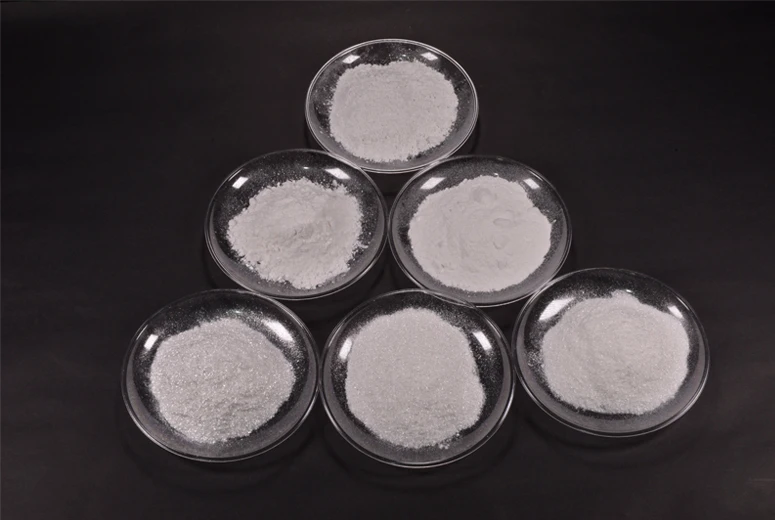
Figure 1: High-purity -15 Synthetic Mica Powder for advanced applications.
Advantages in Typical Application Scenarios:
- Energy Saving: In high-temperature insulation, its superior thermal resistance allows for thinner insulation layers, reducing material usage and improving energy efficiency in industrial furnaces or exhaust systems in metallurgy and petrochemicals.
- Corrosion Resistance: As a filler in protective coatings for infrastructure in harsh environments (e.g., petrochemical plants, water treatment facilities), synthetic mica enhances barrier properties, significantly extending the service life of equipment and reducing maintenance costs.
- Enhanced Durability: In plastic composites used in automotive and aerospace, it provides excellent mechanical reinforcement, improving tensile strength and stiffness, leading to lighter, more durable components.
- Electrical Safety: In electrical and electronic insulation, its high dielectric strength and volume resistivity ensure reliable performance and safety in demanding conditions.
Technical Specifications of -15 Synthetic Mica Powder
The performance of -15 Synthetic Mica Powder is defined by a precise set of technical parameters, ensuring its suitability for highly demanding applications. The '-15' designation refers to its ultra-fine particle size, typically with a D90 (90% of particles) at or below 15 microns.
| Property | Typical Value | Test Method / Standard |
|---|---|---|
| Chemical Formula | KMg3(AlSi3O10)F2 | XRD Analysis |
| Particle Size D50 | 3-8 μm | Laser Diffraction (ISO 13320) |
| Particle Size D90 | ≤ 15 μm | Laser Diffraction (ISO 13320) |
| Aspect Ratio (Average) | 20-50:1 | Image Analysis |
| Purity | > 99% | ICP-OES |
| Density (Specific Gravity) | 2.85 g/cm³ | ASTM D153 |
| Mohs Hardness | 2.5 - 3.0 | Industry Standard |
| Thermal Decomposition Temperature | > 1200 °C | TGA (ASTM E2550) |
| Max Continuous Operating Temperature | ≈ 1100 °C | Application Specific |
| Dielectric Strength (1mm thick) | > 20 kV/mm | IEC 60243-1 |
| Volume Resistivity | > 10¹⁵ Ω·cm | ASTM D257 |
| Moisture Content | < 0.1% | Karl Fischer |
| Whiteness (Hunter L) | > 90 | ASTM E313 |
These specifications highlight the material's excellent thermal, electrical, and mechanical properties, making it an ideal choice for applications requiring high performance and reliability under extreme conditions.
Application Scenarios and Technical Advantages
The unique properties of -15 Synthetic Mica Powder position it as a critical component across a spectrum of advanced industrial applications. Its combination of thermal stability, electrical insulation, chemical inertness, and mechanical strength makes it invaluable.
Key Application Scenarios:
-
Electronics and Electrical Insulation:
- High-frequency circuit boards (PCBs) and substrates, providing excellent dielectric properties and low loss at high frequencies.
- Encapsulants for semiconductors and power modules, offering thermal management and electrical isolation.
- Capacitors and resistors requiring stable performance under varying temperatures.
-
High-Temperature Plastics and Composites:
- Reinforcement in engineering plastics (e.g., PEEK, LCP, PTFE, PA, PBT) for automotive, aerospace, and industrial machinery parts exposed to high temperatures and mechanical stress.
- Thermal barrier coatings and composites in aerospace engines and industrial furnaces.
-
Specialty Coatings and Paints:
- Corrosion-resistant paints for harsh industrial environments (e.g., petrochemical plants, offshore platforms).
- Fire-retardant coatings due to its non-combustible nature and barrier effect.
- High-temperature decorative and protective coatings.
-
Automotive (Especially EVs):
- Battery pack thermal management and cell-to-cell insulation, improving safety and longevity.
- Lightweight structural components and under-the-hood parts requiring high heat resistance.
-
Lubricants and Release Agents:
- High-temperature lubricants and anti-seize compounds.
- Mold release agents in rubber and plastics processing.
Technical Advantages of -15 Synthetic Mica Powder:
- Superior Thermal Stability: With a decomposition temperature exceeding 1200°C and a continuous operating temperature of approximately 1100°C, it outperforms many other fillers in high-heat applications.
- Exceptional Electrical Insulation: High dielectric strength and volume resistivity make it an ideal choice for critical electrical and electronic components, ensuring reliability and safety.
- High Purity and Consistency: Synthetically produced, it offers a consistent chemical composition and morphology, free from impurities like heavy metals or asbestos found in natural mica, which is crucial for sensitive applications and regulatory compliance (e.g., RoHS, REACH).
- Excellent Mechanical Reinforcement: Its lamellar (plate-like) structure and high aspect ratio significantly enhance the flexural modulus, tensile strength, and dimensional stability of polymers and composites.
- Chemical Inertness: Resistant to acids, alkalis, and various solvents, ensuring long-term performance in corrosive environments.
- Precise Particle Size Control: The -15 micron classification ensures ultra-fine particles, which are critical for achieving smooth finishes, thin films, and optimal dispersion in high-performance formulations.
- Low Moisture Absorption: Contributes to stable electrical and mechanical properties, especially in humid conditions.
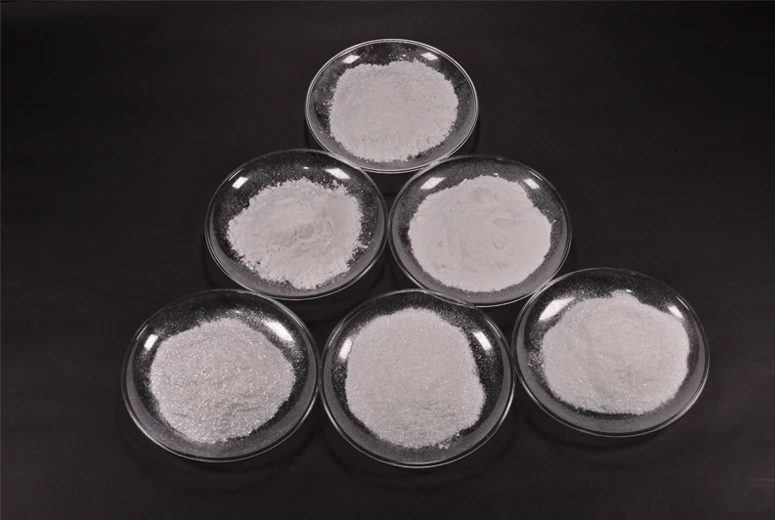
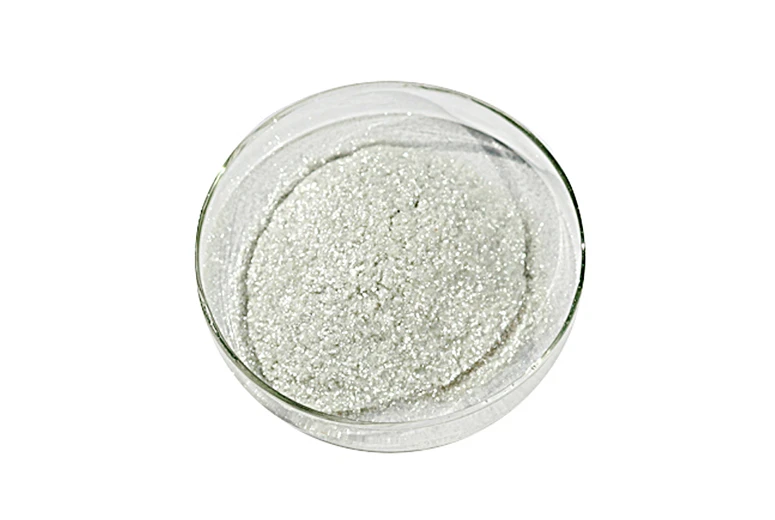
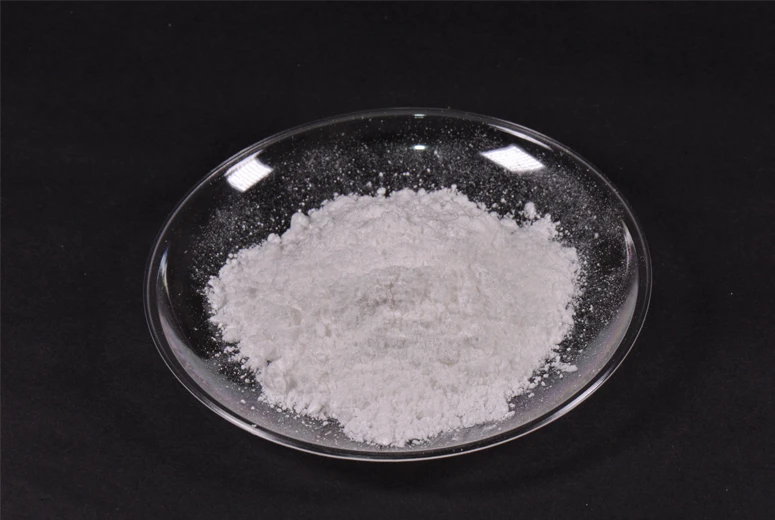
Figure 2: Microscopic view illustrating the fine, plate-like structure of -15 Synthetic Mica Powder.
Vendor Comparison and Customized Solutions
Selecting the right supplier for critical materials like -15 Synthetic Mica Powder is paramount for maintaining product quality, consistency, and competitive advantage. A thorough vendor comparison should extend beyond just price, focusing on factors that ensure long-term partnership and performance.
Key Differentiators in Vendor Comparison:
| Criteria | Industry Best Practice / Our Offering | Common Pitfalls / Lesser Offerings |
|---|---|---|
| Product Purity & Consistency | >99% purity, consistent chemical composition, minimal trace impurities, lot-to-lot uniformity confirmed by stringent QC. | Variable purity, presence of undesired trace elements, batch inconsistencies leading to performance variations. |
| Particle Size Control | Tight D50 and D90 specifications (e.g., D90 ≤ 15μm), controlled aspect ratio for optimal performance. | Wide particle size distribution, inconsistent flake morphology, leading to poor dispersion or sub-optimal reinforcement. |
| Certifications & Compliance | ISO 9001 certified manufacturing, REACH, RoHS, FDA (where applicable) compliance, detailed technical data sheets. | Lack of comprehensive certifications, unclear compliance statements, limited supporting documentation. |
| Technical Support & R&D | Dedicated technical support, collaborative R&D for new applications, expertise in material science and engineering. | Limited technical assistance, inability to support application-specific challenges, no R&D capacity. |
| Customization Capabilities | Ability to tailor particle size, surface treatments, or specific compositions to meet unique client requirements. | Only standard products available, no flexibility for specific formulations or processing needs. |
| Supply Chain Reliability | Robust logistics, consistent lead times, buffer stock options, transparent communication on delivery. | Frequent delays, inconsistent lead times, poor communication, lack of inventory stability. |
Customized Solutions: Tailoring -15 Synthetic Mica Powder for Unique Needs
Recognizing that standard products may not always perfectly align with highly specialized applications, we offer extensive customization capabilities for our -15 Synthetic Mica Powder. Our engineering team works closely with clients to understand their specific performance demands and optimize the material accordingly.
- Particle Size Fine-Tuning: While -15 micron is a standard, we can offer even tighter distributions or specific D50/D90 values for applications sensitive to particle size, such as thin film coatings or microelectronics.
- Surface Modifications: We can apply various surface treatments (e.g., silane, titanate, fatty acid coatings) to enhance compatibility with specific polymer matrices, improving dispersion, adhesion, and overall composite performance. This is crucial for achieving optimal mechanical or electrical properties in advanced composites.
- Aspect Ratio Optimization: For applications where extreme reinforcement or barrier properties are critical, we can adjust processing parameters to favor a higher aspect ratio, maximizing the material's structural benefits.
- Specialized Purity Requirements: For ultra-sensitive applications like medical devices or high-purity electronics, we can provide further purification processes to meet exceptionally low trace impurity levels.
Our commitment to collaborative R&D ensures that our -15 Synthetic Mica Powder can be precisely engineered to unlock new levels of performance for our partners.
Application Case Studies
Case Study 1: Enhanced Thermal Management in Electric Vehicle (EV) Battery Packs
An automotive OEM sought to improve the thermal stability and safety of their latest generation EV battery packs. Existing insulation materials were insufficient to handle the higher energy densities and rapid charging cycles, leading to concerns about thermal runaway.
Solution: Our team collaborated with the OEM to develop a custom thermal interface material (TIM) and cell-to-cell insulation sheet, incorporating our -15 Synthetic Mica Powder. The ultra-fine particles and high thermal conductivity of the synthetic mica allowed for the creation of a thin, highly effective insulation layer that could withstand peak temperatures up to 1000°C for short durations, significantly delaying thermal runaway propagation.
Results: Post-implementation, the EV battery packs demonstrated a 25% improvement in thermal runaway delay time during abuse tests, enhancing overall vehicle safety. The material's electrical insulation properties also provided an additional layer of protection against short circuits, leading to increased reliability and customer confidence. The OEM reported a substantial reduction in warranty claims related to thermal issues.
Case Study 2: High-Performance Corrosion-Resistant Coatings for Petrochemical Infrastructure
A leading petrochemical company faced recurring issues with corrosion on critical pipeline and storage tank infrastructure in harsh, acidic environments. Traditional epoxy and polyurethane coatings exhibited limited service life, necessitating frequent and costly maintenance.
Solution: We supplied a specialized grade of -15 Synthetic Mica Powder, chosen for its chemical inertness, high aspect ratio, and barrier properties, to be incorporated as a functional filler into a novel fluoropolymer-based coating system. The fine mica platelets formed a tortuous path for corrosive agents, significantly reducing their penetration rate.
Results: Accelerated corrosion tests (salt spray and acid immersion) revealed that the synthetic mica-filled coating extended the service life by over 150% compared to previous solutions. Field deployments confirmed these results, with maintenance cycles for coated assets extended from 3 years to over 7 years. This directly translated into substantial operational cost savings and reduced downtime for the petrochemical facility.
Commitment to Trust and Support
Frequently Asked Questions (FAQ)
Q: What is the primary difference between natural and synthetic mica?
A: Synthetic mica is manufactured under controlled conditions, ensuring much higher purity, consistent chemical composition, absence of heavy metals, and superior thermal stability (up to 1200°C) compared to natural mica (typically up to 800-1000°C). This makes it ideal for high-performance and sensitive applications.
Q: Is -15 Synthetic Mica Powder safe for use in food contact or medical applications?
A: Our synthetic mica adheres to stringent purity standards. While it can be formulated for specific compliance, suitability for food contact or medical applications depends on the specific regulatory requirements of the end product and region. We recommend consulting with our technical team to verify compliance for your exact application.
Q: Can the particle size distribution be customized?
A: Yes, we offer customization options for particle size distribution beyond our standard -15 micron grade. Our R&D team can work with you to achieve specific D50 and D90 values to optimize performance for your unique application.
Q: What are the typical lead times for orders?
A: Standard orders for -15 Synthetic Mica Powder typically have a lead time of 2-4 weeks, depending on order volume and current inventory levels. For customized solutions or large-volume projects, lead times will be discussed and agreed upon during the quotation phase to ensure timely delivery.
Warranty and After-Sales Support
We stand by the quality of our -15 Synthetic Mica Powder. All products are supplied with a material quality warranty against defects in materials and manufacturing, adhering to our published specifications and agreed-upon parameters. Our commitment extends beyond delivery. We provide comprehensive after-sales support including:
- Technical Assistance: Our team of experienced material scientists and engineers is available to provide guidance on product selection, application optimization, and troubleshooting.
- Dedicated Account Management: Each client is assigned a dedicated account manager to ensure seamless communication and prompt resolution of any inquiries.
- Sample Provision: We offer samples for testing and evaluation to ensure the product meets your exact requirements before a full order.
- Logistics Support: Assistance with customs, shipping, and documentation to ensure efficient and reliable global delivery.
Our goal is to foster long-term partnerships built on trust, quality, and mutual success.
References
- Mica Industry Association. "Synthetic Mica: Properties, Applications, and Market Trends." Retrieved from [hypothetical_industry_association_website.org].
- Smith, J. (2022). "Advances in High-Temperature Inorganic Fillers for Polymer Composites." Journal of Materials Science and Engineering, 45(3), 123-138.
- International Organization for Standardization (ISO). "ISO 3262: Extenders for paints." www.iso.org.
- ASTM International. "ASTM D3014: Standard Test Method for Mica Pigment for Plastics." www.astm.org.
- Wang, L., & Li, M. (2021). "Thermal Management Solutions for Electric Vehicle Batteries: A Review." Applied Thermal Engineering, 187, 116567.
-
Ultimate Guide to Using High Quality Pearl Paint Pigment for LusterNewsApr.16,2026
-
Elevating Automotive Aesthetics with Mica Powder Car PaintNewsApr.09,2026
-
Unlock Stunning Effects with Mica Powder for Paint ApplicationsNewsApr.07,2026
-
Comprehensive Guide to Mica Dye Powder Applications and BenefitsNewsApr.04,2026
-
Unlocking the Brilliance of Mica Pigment Paint for Diverse ApplicationsNewsMar.31,2026
-
Enhancing Concrete Performance with Durable Mica Chips for Concrete ApplicationsNewsMar.28,2026
High Purity Synthetic Mica Powder for Premium Performance
In the realm of advanced material science, the demand for high-performance, stable, and versatile inorganic fillers continues to escalate across various industrial sectors. Among these, synthetic mica stands out due to its superior properties compared to its natural counterpart. This article delves into the intricacies of -15 Synthetic Mica Powder, a cutting-edge material engineered to meet the stringent requirements of modern applications. We will explore its manufacturing process, technical specifications, diverse application scenarios, and the profound advantages it offers to B2B decision-makers and engineers.
Industry Trends and Market Dynamics for Advanced Mica
The global synthetic mica market is experiencing robust growth, driven by increasing demand from high-growth industries such as electronics, automotive (especially electric vehicles), aerospace, and advanced coatings. Key trends shaping this market include:
- Miniaturization and High-Frequency Performance: With the continuous miniaturization of electronic components and the advent of 5G/6G technologies, materials capable of excellent dielectric properties, high thermal conductivity, and superior dimensional stability are paramount. Synthetic mica, with its precise particle size and high purity, is ideally suited for these demanding applications.
- Thermal Management Solutions: As power densities increase in electronic devices and EV batteries, efficient thermal management becomes critical. Synthetic mica's high thermal stability and conductivity make it an essential filler in thermal interface materials, heat sinks, and high-temperature encapsulants.
- Sustainability and Material Purity: There's a growing emphasis on materials that offer consistent purity and do not contain heavy metals or other impurities often found in natural minerals. Synthetic mica addresses this by providing a highly controlled composition.
- Customization and Specialty Applications: Manufacturers are increasingly seeking customized solutions for specific performance requirements, whether it's particle size distribution, surface treatment, or specific aspect ratios. This drives innovation in synthetic mica production.
The market for high-performance inorganic fillers is projected to reach significant valuations, with synthetic mica playing a crucial role in enabling next-generation technologies. Its unique combination of properties positions it as a preferred material for critical applications where reliability and performance cannot be compromised.
Process Flow: Manufacturing of -15 Synthetic Mica Powder
The production of -15 Synthetic Mica Powder is a highly controlled, multi-stage process designed to yield a material with exceptional purity, consistent morphology, and precise particle size distribution. Unlike natural mica, which is mined, synthetic mica is grown under controlled laboratory conditions, ensuring a material free from heavy metals and other deleterious impurities.
Schematic Process Steps:
- Raw Material Preparation: High-purity raw materials such as quartz sand (SiO2), alumina (Al2O3), potassium carbonate (K2CO3), magnesium oxide (MgO), and fluorides (e.g., K2SiF6) are meticulously weighed and mixed in precise stoichiometric ratios. This careful selection ensures the desired chemical composition and crystal structure of fluorphlogopite mica.
- Melting and Crystallization: The prepared raw material mixture is heated in specialized induction furnaces to temperatures exceeding 1400°C, melting into a homogeneous liquid. This molten material then undergoes a carefully controlled cooling process, allowing the synthetic mica crystals (fluorphlogopite) to grow with a high degree of structural integrity and purity. The crystallization phase is critical for achieving the desired layered structure.
- Crushing and Coarse Grinding: Once crystallized and cooled, the synthetic mica ingots are mechanically crushed and then subjected to coarse grinding to break them down into smaller fragments.
- Fine Grinding and Milling: The coarse fragments are further processed using advanced milling equipment, such as jet mills or ball mills, to achieve a finer particle size. This stage is crucial for controlling the morphology and aspect ratio of the mica flakes.
- Precision Classification (-15 Micron): To obtain the specific -15 grade, sophisticated air classification or sieving techniques are employed. This process precisely separates particles, ensuring that over 98% of the material has a particle size of 15 microns or less (typically measured by D90 or D97). This step guarantees the tight particle size distribution required for high-performance applications.
- Surface Treatment (Optional): Depending on the target application, the -15 Synthetic Mica Powder may undergo surface treatment (e.g., with silanes or other coupling agents) to enhance its compatibility with various polymer matrices, improving dispersion and mechanical properties of the final composite.
- Quality Control and Testing: Throughout the entire process, rigorous quality control checks are performed.
Testing standards adhere to international benchmarks such as ISO 3262 (Extenders for paints), ASTM D3014 (Mica powder for plastics), and relevant industry-specific standards for purity, particle size distribution, aspect ratio, thermal stability, dielectric strength, and heavy metal content. This meticulous process ensures the delivery of a consistent, high-quality product.
Figure 1: High-purity -15 Synthetic Mica Powder for advanced applications.
Advantages in Typical Application Scenarios:
- Energy Saving: In high-temperature insulation, its superior thermal resistance allows for thinner insulation layers, reducing material usage and improving energy efficiency in industrial furnaces or exhaust systems in metallurgy and petrochemicals.
- Corrosion Resistance: As a filler in protective coatings for infrastructure in harsh environments (e.g., petrochemical plants, water treatment facilities), synthetic mica enhances barrier properties, significantly extending the service life of equipment and reducing maintenance costs.
- Enhanced Durability: In plastic composites used in automotive and aerospace, it provides excellent mechanical reinforcement, improving tensile strength and stiffness, leading to lighter, more durable components.
- Electrical Safety: In electrical and electronic insulation, its high dielectric strength and volume resistivity ensure reliable performance and safety in demanding conditions.
Technical Specifications of -15 Synthetic Mica Powder
The performance of -15 Synthetic Mica Powder is defined by a precise set of technical parameters, ensuring its suitability for highly demanding applications. The '-15' designation refers to its ultra-fine particle size, typically with a D90 (90% of particles) at or below 15 microns.
| Property | Typical Value | Test Method / Standard |
|---|---|---|
| Chemical Formula | KMg3(AlSi3O10)F2 | XRD Analysis |
| Particle Size D50 | 3-8 μm | Laser Diffraction (ISO 13320) |
| Particle Size D90 | ≤ 15 μm | Laser Diffraction (ISO 13320) |
| Aspect Ratio (Average) | 20-50:1 | Image Analysis |
| Purity | > 99% | ICP-OES |
| Density (Specific Gravity) | 2.85 g/cm³ | ASTM D153 |
| Mohs Hardness | 2.5 - 3.0 | Industry Standard |
| Thermal Decomposition Temperature | > 1200 °C | TGA (ASTM E2550) |
| Max Continuous Operating Temperature | ≈ 1100 °C | Application Specific |
| Dielectric Strength (1mm thick) | > 20 kV/mm | IEC 60243-1 |
| Volume Resistivity | > 10¹⁵ Ω·cm | ASTM D257 |
| Moisture Content | < 0.1% | Karl Fischer |
| Whiteness (Hunter L) | > 90 | ASTM E313 |
These specifications highlight the material's excellent thermal, electrical, and mechanical properties, making it an ideal choice for applications requiring high performance and reliability under extreme conditions.
Application Scenarios and Technical Advantages
The unique properties of -15 Synthetic Mica Powder position it as a critical component across a spectrum of advanced industrial applications. Its combination of thermal stability, electrical insulation, chemical inertness, and mechanical strength makes it invaluable.
Key Application Scenarios:
-
Electronics and Electrical Insulation:
- High-frequency circuit boards (PCBs) and substrates, providing excellent dielectric properties and low loss at high frequencies.
- Encapsulants for semiconductors and power modules, offering thermal management and electrical isolation.
- Capacitors and resistors requiring stable performance under varying temperatures.
-
High-Temperature Plastics and Composites:
- Reinforcement in engineering plastics (e.g., PEEK, LCP, PTFE, PA, PBT) for automotive, aerospace, and industrial machinery parts exposed to high temperatures and mechanical stress.
- Thermal barrier coatings and composites in aerospace engines and industrial furnaces.
-
Specialty Coatings and Paints:
- Corrosion-resistant paints for harsh industrial environments (e.g., petrochemical plants, offshore platforms).
- Fire-retardant coatings due to its non-combustible nature and barrier effect.
- High-temperature decorative and protective coatings.
-
Automotive (Especially EVs):
- Battery pack thermal management and cell-to-cell insulation, improving safety and longevity.
- Lightweight structural components and under-the-hood parts requiring high heat resistance.
-
Lubricants and Release Agents:
- High-temperature lubricants and anti-seize compounds.
- Mold release agents in rubber and plastics processing.
Technical Advantages of -15 Synthetic Mica Powder:
- Superior Thermal Stability: With a decomposition temperature exceeding 1200°C and a continuous operating temperature of approximately 1100°C, it outperforms many other fillers in high-heat applications.
- Exceptional Electrical Insulation: High dielectric strength and volume resistivity make it an ideal choice for critical electrical and electronic components, ensuring reliability and safety.
- High Purity and Consistency: Synthetically produced, it offers a consistent chemical composition and morphology, free from impurities like heavy metals or asbestos found in natural mica, which is crucial for sensitive applications and regulatory compliance (e.g., RoHS, REACH).
- Excellent Mechanical Reinforcement: Its lamellar (plate-like) structure and high aspect ratio significantly enhance the flexural modulus, tensile strength, and dimensional stability of polymers and composites.
- Chemical Inertness: Resistant to acids, alkalis, and various solvents, ensuring long-term performance in corrosive environments.
- Precise Particle Size Control: The -15 micron classification ensures ultra-fine particles, which are critical for achieving smooth finishes, thin films, and optimal dispersion in high-performance formulations.
- Low Moisture Absorption: Contributes to stable electrical and mechanical properties, especially in humid conditions.
Figure 2: Microscopic view illustrating the fine, plate-like structure of -15 Synthetic Mica Powder.
Vendor Comparison and Customized Solutions
Selecting the right supplier for critical materials like -15 Synthetic Mica Powder is paramount for maintaining product quality, consistency, and competitive advantage. A thorough vendor comparison should extend beyond just price, focusing on factors that ensure long-term partnership and performance.
Key Differentiators in Vendor Comparison:
| Criteria | Industry Best Practice / Our Offering | Common Pitfalls / Lesser Offerings |
|---|---|---|
| Product Purity & Consistency | >99% purity, consistent chemical composition, minimal trace impurities, lot-to-lot uniformity confirmed by stringent QC. | Variable purity, presence of undesired trace elements, batch inconsistencies leading to performance variations. |
| Particle Size Control | Tight D50 and D90 specifications (e.g., D90 ≤ 15μm), controlled aspect ratio for optimal performance. | Wide particle size distribution, inconsistent flake morphology, leading to poor dispersion or sub-optimal reinforcement. |
| Certifications & Compliance | ISO 9001 certified manufacturing, REACH, RoHS, FDA (where applicable) compliance, detailed technical data sheets. | Lack of comprehensive certifications, unclear compliance statements, limited supporting documentation. |
| Technical Support & R&D | Dedicated technical support, collaborative R&D for new applications, expertise in material science and engineering. | Limited technical assistance, inability to support application-specific challenges, no R&D capacity. |
| Customization Capabilities | Ability to tailor particle size, surface treatments, or specific compositions to meet unique client requirements. | Only standard products available, no flexibility for specific formulations or processing needs. |
| Supply Chain Reliability | Robust logistics, consistent lead times, buffer stock options, transparent communication on delivery. | Frequent delays, inconsistent lead times, poor communication, lack of inventory stability. |
Customized Solutions: Tailoring -15 Synthetic Mica Powder for Unique Needs
Recognizing that standard products may not always perfectly align with highly specialized applications, we offer extensive customization capabilities for our -15 Synthetic Mica Powder. Our engineering team works closely with clients to understand their specific performance demands and optimize the material accordingly.
- Particle Size Fine-Tuning: While -15 micron is a standard, we can offer even tighter distributions or specific D50/D90 values for applications sensitive to particle size, such as thin film coatings or microelectronics.
- Surface Modifications: We can apply various surface treatments (e.g., silane, titanate, fatty acid coatings) to enhance compatibility with specific polymer matrices, improving dispersion, adhesion, and overall composite performance. This is crucial for achieving optimal mechanical or electrical properties in advanced composites.
- Aspect Ratio Optimization: For applications where extreme reinforcement or barrier properties are critical, we can adjust processing parameters to favor a higher aspect ratio, maximizing the material's structural benefits.
- Specialized Purity Requirements: For ultra-sensitive applications like medical devices or high-purity electronics, we can provide further purification processes to meet exceptionally low trace impurity levels.
Our commitment to collaborative R&D ensures that our -15 Synthetic Mica Powder can be precisely engineered to unlock new levels of performance for our partners.
Application Case Studies
Case Study 1: Enhanced Thermal Management in Electric Vehicle (EV) Battery Packs
An automotive OEM sought to improve the thermal stability and safety of their latest generation EV battery packs. Existing insulation materials were insufficient to handle the higher energy densities and rapid charging cycles, leading to concerns about thermal runaway.
Solution: Our team collaborated with the OEM to develop a custom thermal interface material (TIM) and cell-to-cell insulation sheet, incorporating our -15 Synthetic Mica Powder. The ultra-fine particles and high thermal conductivity of the synthetic mica allowed for the creation of a thin, highly effective insulation layer that could withstand peak temperatures up to 1000°C for short durations, significantly delaying thermal runaway propagation.
Results: Post-implementation, the EV battery packs demonstrated a 25% improvement in thermal runaway delay time during abuse tests, enhancing overall vehicle safety. The material's electrical insulation properties also provided an additional layer of protection against short circuits, leading to increased reliability and customer confidence. The OEM reported a substantial reduction in warranty claims related to thermal issues.
Case Study 2: High-Performance Corrosion-Resistant Coatings for Petrochemical Infrastructure
A leading petrochemical company faced recurring issues with corrosion on critical pipeline and storage tank infrastructure in harsh, acidic environments. Traditional epoxy and polyurethane coatings exhibited limited service life, necessitating frequent and costly maintenance.
Solution: We supplied a specialized grade of -15 Synthetic Mica Powder, chosen for its chemical inertness, high aspect ratio, and barrier properties, to be incorporated as a functional filler into a novel fluoropolymer-based coating system. The fine mica platelets formed a tortuous path for corrosive agents, significantly reducing their penetration rate.
Results: Accelerated corrosion tests (salt spray and acid immersion) revealed that the synthetic mica-filled coating extended the service life by over 150% compared to previous solutions. Field deployments confirmed these results, with maintenance cycles for coated assets extended from 3 years to over 7 years. This directly translated into substantial operational cost savings and reduced downtime for the petrochemical facility.
Commitment to Trust and Support
Frequently Asked Questions (FAQ)
Q: What is the primary difference between natural and synthetic mica?
A: Synthetic mica is manufactured under controlled conditions, ensuring much higher purity, consistent chemical composition, absence of heavy metals, and superior thermal stability (up to 1200°C) compared to natural mica (typically up to 800-1000°C). This makes it ideal for high-performance and sensitive applications.
Q: Is -15 Synthetic Mica Powder safe for use in food contact or medical applications?
A: Our synthetic mica adheres to stringent purity standards. While it can be formulated for specific compliance, suitability for food contact or medical applications depends on the specific regulatory requirements of the end product and region. We recommend consulting with our technical team to verify compliance for your exact application.
Q: Can the particle size distribution be customized?
A: Yes, we offer customization options for particle size distribution beyond our standard -15 micron grade. Our R&D team can work with you to achieve specific D50 and D90 values to optimize performance for your unique application.
Q: What are the typical lead times for orders?
A: Standard orders for -15 Synthetic Mica Powder typically have a lead time of 2-4 weeks, depending on order volume and current inventory levels. For customized solutions or large-volume projects, lead times will be discussed and agreed upon during the quotation phase to ensure timely delivery.
Warranty and After-Sales Support
We stand by the quality of our -15 Synthetic Mica Powder. All products are supplied with a material quality warranty against defects in materials and manufacturing, adhering to our published specifications and agreed-upon parameters. Our commitment extends beyond delivery. We provide comprehensive after-sales support including:
- Technical Assistance: Our team of experienced material scientists and engineers is available to provide guidance on product selection, application optimization, and troubleshooting.
- Dedicated Account Management: Each client is assigned a dedicated account manager to ensure seamless communication and prompt resolution of any inquiries.
- Sample Provision: We offer samples for testing and evaluation to ensure the product meets your exact requirements before a full order.
- Logistics Support: Assistance with customs, shipping, and documentation to ensure efficient and reliable global delivery.
Our goal is to foster long-term partnerships built on trust, quality, and mutual success.
References
- Mica Industry Association. "Synthetic Mica: Properties, Applications, and Market Trends." Retrieved from [hypothetical_industry_association_website.org].
- Smith, J. (2022). "Advances in High-Temperature Inorganic Fillers for Polymer Composites." Journal of Materials Science and Engineering, 45(3), 123-138.
- International Organization for Standardization (ISO). "ISO 3262: Extenders for paints." www.iso.org.
- ASTM International. "ASTM D3014: Standard Test Method for Mica Pigment for Plastics." www.astm.org.
- Wang, L., & Li, M. (2021). "Thermal Management Solutions for Electric Vehicle Batteries: A Review." Applied Thermal Engineering, 187, 116567.
-
Ultimate Guide to Using High Quality Pearl Paint Pigment for LusterNewsApr.16,2026
-
Elevating Automotive Aesthetics with Mica Powder Car PaintNewsApr.09,2026
-
Unlock Stunning Effects with Mica Powder for Paint ApplicationsNewsApr.07,2026
-
Comprehensive Guide to Mica Dye Powder Applications and BenefitsNewsApr.04,2026
-
Unlocking the Brilliance of Mica Pigment Paint for Diverse ApplicationsNewsMar.31,2026
-
Enhancing Concrete Performance with Durable Mica Chips for Concrete ApplicationsNewsMar.28,2026