

High-Purity 10-60μm Synthetic Mica Powder - Superior Performance
Understanding High-Performance Synthetic Mica Powder
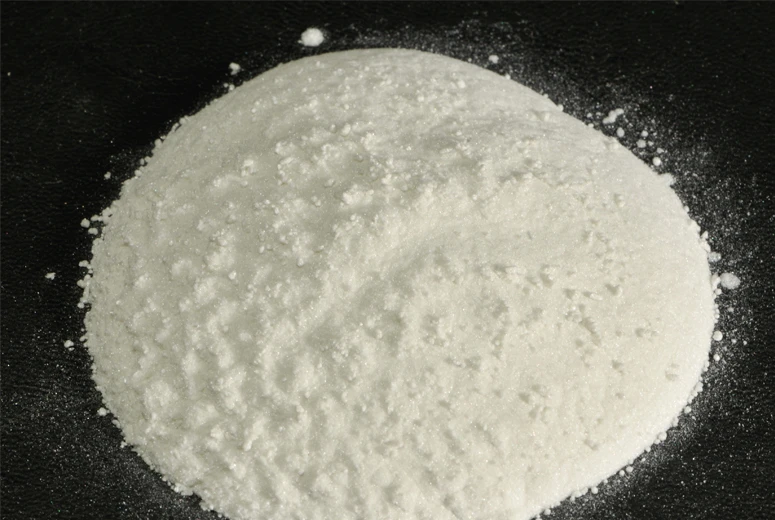
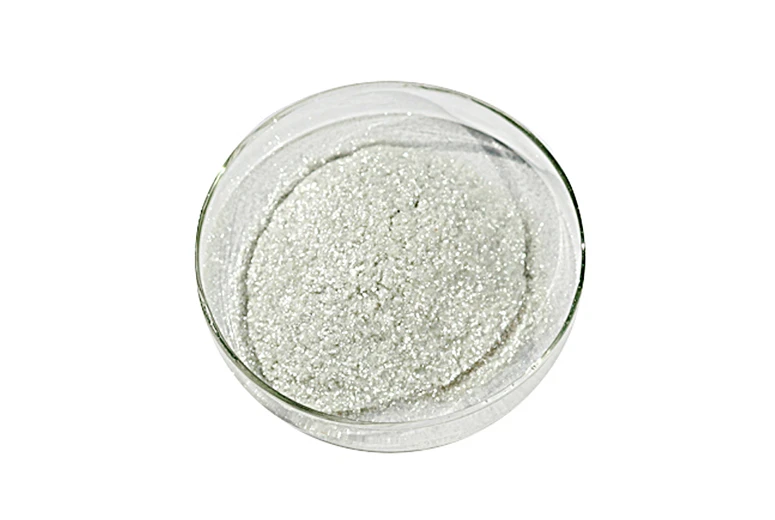
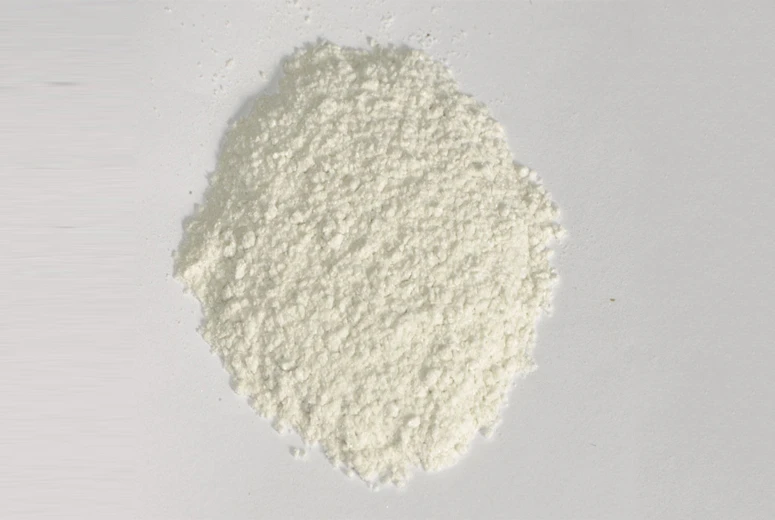
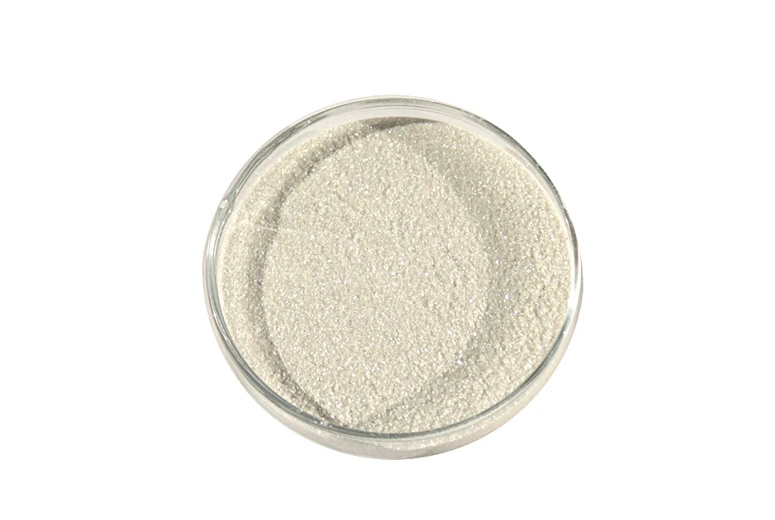
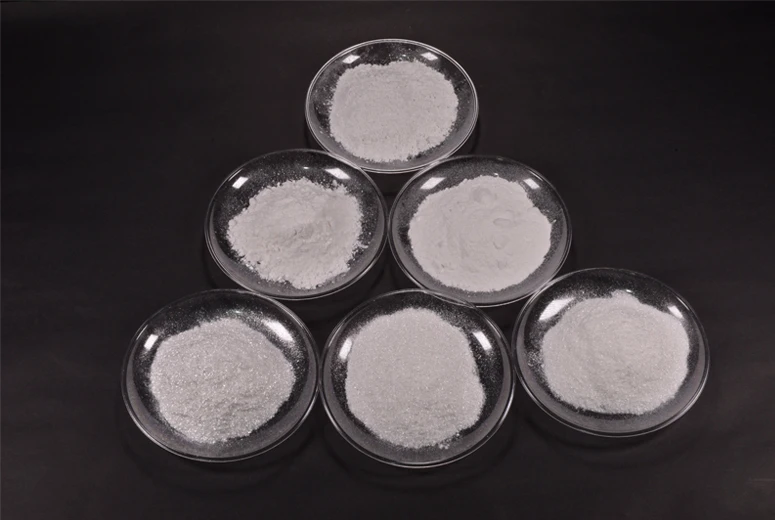
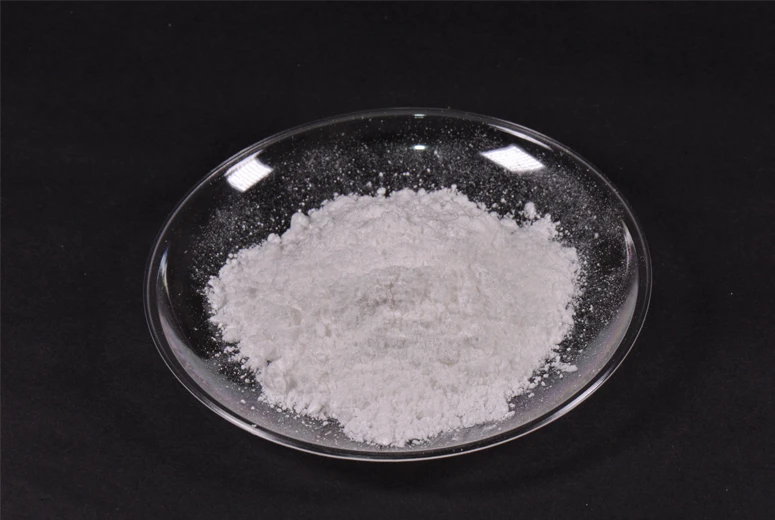
In advanced material science and industrial applications, the precision and performance of raw materials are paramount. Among these, 10-60μm Synthetic Mica Powder stands out as a critical component, engineered to deliver unparalleled properties across a spectrum of demanding environments. This high-purity, precisely classified synthetic fluorophlogopite mica offers superior thermal, electrical, and mechanical characteristics compared to its natural counterparts, making it indispensable in high-tech industries. This article delves into its intrinsic value, outlining its manufacturing complexities, diverse applications, and the strategic advantages it provides to B2B decision-makers and technical engineers.
Industry Trends and Market Dynamics
The market for high-performance industrial minerals, particularly synthetic mica, is experiencing robust growth driven by accelerating technological advancements in electronics, automotive, aerospace, and renewable energy sectors. The demand for materials that can withstand extreme temperatures, offer superior electrical insulation, and provide enhanced mechanical strength without compromising on lightweight properties has propelled 10-60μm Synthetic Mica Powder to the forefront. Industry analysis indicates a compound annual growth rate (CAGR) exceeding 6% for synthetic mica, primarily fueled by innovations in 5G technology, electric vehicle battery technology, and advanced polymer composites. Manufacturers are increasingly seeking solutions that ensure product longevity and operational efficiency under harsh conditions, precisely where synthetic mica excels. Regulatory pushes for safer, more sustainable materials also contribute to its adoption, as synthetic mica is free from heavy metals and asbestos, common concerns with some traditional fillers.
Key market drivers include the miniaturization of electronic components, requiring advanced thermal management solutions; the expansion of LED lighting, where synthetic mica enhances light reflection and thermal dissipation; and the burgeoning electric vehicle market, demanding reliable dielectric strength and thermal stability for battery components. Furthermore, its use in high-performance coatings provides enhanced barrier properties and UV resistance, extending product lifecycles in architectural and industrial applications. This pervasive demand underscores the strategic importance of securing a reliable supply chain for this sophisticated material.
Technical Specifications and Properties
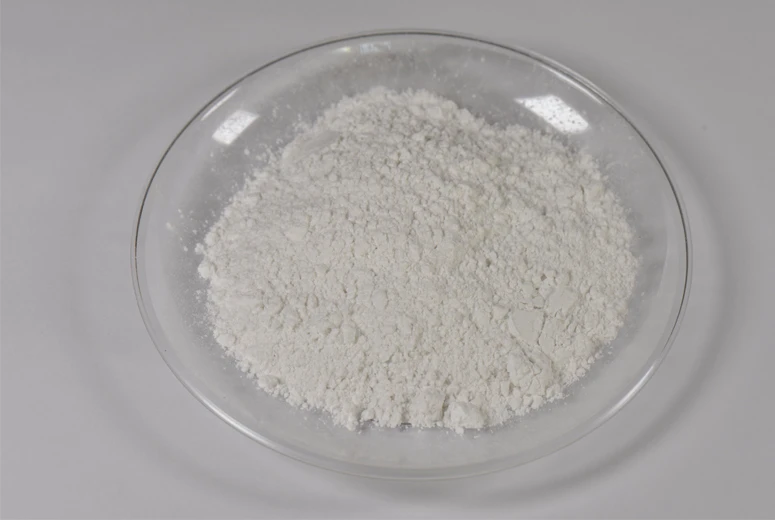
The distinctiveness of 10-60μm Synthetic Mica Powder lies in its precisely controlled particle size distribution and exceptional intrinsic properties. Unlike natural mica, which can contain impurities and varying compositions, synthetic mica is manufactured under stringent conditions, resulting in a product of consistent purity and superior performance. Its lamellar structure, characterized by a high aspect ratio, provides excellent reinforcement and barrier properties when incorporated into polymers, coatings, or ceramics.
Key Physical and Chemical Parameters:
The carefully controlled particle size range of 10-60μm ensures optimal dispersion, flow characteristics, and surface finish in various matrices. This precise control is critical for applications demanding consistency and high performance, such as sophisticated electronic packaging materials and high-gloss automotive coatings.
Detailed Manufacturing Process Flow
The production of 10-60μm Synthetic Mica Powder is a highly controlled, multi-stage process designed to yield a product with consistent purity, morphology, and particle size. This sophisticated synthesis ensures the superior performance required by cutting-edge industries.
Key Stages of Production:
- Raw Material Preparation: High-purity raw materials such as quartz sand (SiO2), potassium carbonate (K2CO3), aluminum oxide (Al2O3), magnesium oxide (MgO), and potassium fluosilicate (K2SiF6) are meticulously selected and weighed. These are often pre-processed to ensure ultra-low impurity levels, crucial for the final product's performance.
- Melting and Fusion: The precisely proportioned raw materials are thoroughly mixed and then fed into a high-temperature electric arc furnace. Here, they are melted at extreme temperatures, typically ranging from 1400°C to 1500°C. This fusion process creates a homogeneous melt, allowing the constituent elements to chemically react and form the desired fluorophlogopite mica composition.
- Controlled Crystallization: The molten mixture is then subjected to a carefully controlled cooling process. This stage is critical for the formation of large, high-quality synthetic mica crystals with optimal lamellar structure. The cooling rates and temperature gradients are precisely managed to prevent the formation of undesired by-products and ensure crystal growth uniformity.
- Crushing and Grinding: Once crystallized, the large mica blocks are mechanically crushed using primary jaw crushers, followed by hammer mills, to reduce them to a coarser powder. Subsequent grinding in advanced ball mills or jet mills further reduces the particle size while maintaining the desired lamellar morphology.
- Precision Classification: This is a critical step for achieving the 10-60μm particle size range. Advanced air classifiers and precision sieving equipment are employed to separate the mica particles based on their size. This ensures a narrow particle size distribution, which is vital for consistency in end-use applications. This meticulous classification aligns with international standards like ISO 13320 for particle size analysis.
- Washing and Drying: The classified mica powder undergoes a rigorous washing process to remove any residual impurities or fine dust. It is then carefully dried under controlled conditions to achieve specific moisture content, preventing agglomeration and ensuring product stability.
- Quality Control and Packaging: Throughout the entire process, stringent quality control measures are implemented. Samples are regularly tested for particle size distribution, aspect ratio, whiteness, chemical composition, thermal stability, and dielectric properties using instruments compliant with ISO 9001 and often ANSI/ASTM standards. Only material meeting the strict specifications is then precisely packaged to prevent contamination and maintain product integrity during shipping and storage.
The commitment to these detailed process flows ensures the consistent delivery of a high-purity, high-performance synthetic mica powder, providing a reliable and superior material for various industrial applications. The typical service life of products incorporating synthetic mica is significantly extended due to its inherent stability and resistance to degradation.
Application Scenarios and Target Industries
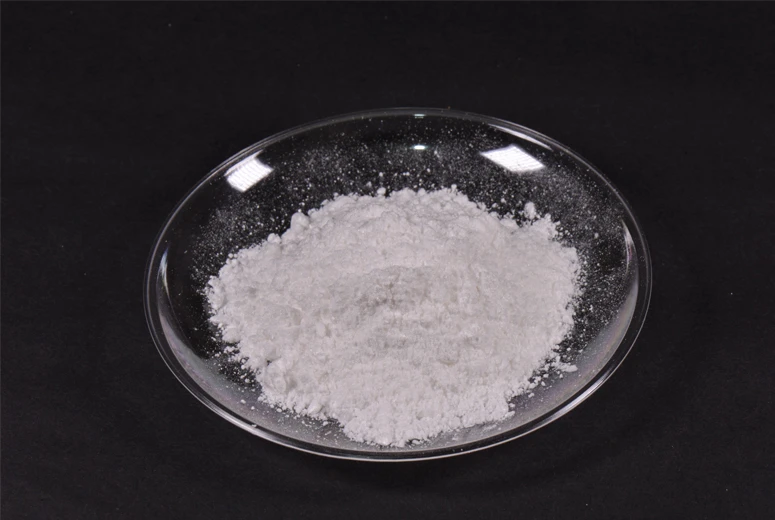
The versatile properties of synthetic mica powder make it an invaluable material across a broad spectrum of high-demand industries, delivering critical performance enhancements. Its unique combination of thermal stability, electrical insulation, and chemical inertness enables innovative solutions.
- Electronics and Electrical Insulation: In printed circuit boards (PCBs), encapsulants for semiconductors, and insulating layers for cables and capacitors, synthetic mica provides exceptional dielectric strength and thermal management. Its ability to dissipate heat efficiently prevents component failure and extends the operational life of electronic devices, particularly in high-power applications.
- High-Performance Coatings and Paints: Incorporated into industrial coatings, marine paints, and automotive finishes, synthetic mica significantly improves barrier properties against moisture and corrosive agents. Its lamellar structure creates a tortuous path for penetration, enhancing corrosion resistance and extending the lifespan of coated surfaces. It also contributes to UV resistance and improved aesthetic properties, such as a subtle pearlescent sheen.
- Plastics and Polymers: As a functional filler and reinforcement agent, synthetic mica improves the mechanical strength, stiffness, and dimensional stability of plastics. It's used in automotive parts, electrical connectors, and advanced composites to enhance heat deflection temperature (HDT) and reduce coefficient of thermal expansion (CTE), leading to more robust and reliable plastic components.
- Cosmetics and Personal Care: Due to its high purity, excellent whiteness, and smooth texture, it is a preferred ingredient in cosmetics. It provides a natural, soft-focus effect, enhances luminosity, and acts as a functional filler in foundations, eye shadows, and lipsticks, offering superior skin feel compared to natural mica, free from heavy metal contaminants.
- Refractory Materials and Ceramics: Its high thermal stability makes synthetic mica ideal for high-temperature applications. It is used in specialty ceramics, furnace linings, and thermal insulation materials where resistance to extreme heat and thermal shock is critical.
These diverse applications highlight the material's adaptability and its role in enabling innovation across industries that demand precision, durability, and high performance.
Technical Advantages Over Traditional Materials
The inherent advantages of synthetic mica powder stem from its controlled synthesis, leading to properties that often surpass those of natural mica and other common fillers.
- Superior Purity and Consistency: Synthetic mica is free from heavy metals, asbestos, and other geological impurities often found in natural mica deposits. This controlled purity ensures consistent performance and compliance with stringent regulatory standards (e.g., FDA for cosmetics, RoHS for electronics).
- Exceptional Thermal Stability: With a decomposition temperature exceeding 1200°C, synthetic mica offers significantly higher thermal resistance compared to natural mica (typically up to 800-900°C). This makes it indispensable for extreme-temperature applications where material integrity is critical.
- High Dielectric Strength: Its excellent electrical insulation properties are crucial for sensitive electronic components, preventing electrical breakdown and ensuring the longevity and reliability of devices.
- Enhanced Mechanical Properties: The high aspect ratio and uniform lamellar structure contribute to improved flexural strength, stiffness, and dimensional stability in composite materials and polymers, providing superior reinforcement.
- Chemical Inertness: Resistant to a wide range of chemicals, acids, and alkalis, synthetic mica ensures durability in harsh operating environments, reducing material degradation and enhancing product lifespan.
- Controlled Particle Morphology: The precise manufacturing process allows for tailored particle size distribution and morphology, optimizing dispersion, surface finish, and performance in specific formulations. This level of control is rarely achievable with natural minerals.
Vendor Comparison and Customization Solutions
Selecting the right supplier for 10-60μm Synthetic Mica Powder is a strategic decision that impacts product quality, supply chain reliability, and ultimately, market competitiveness. Key factors for B2B procurement include product consistency, technical support, lead times, and the ability to provide customized solutions.
Key Considerations for Vendor Selection:
Customized Solutions:
Leading manufacturers understand that off-the-shelf solutions may not always meet the unique requirements of advanced applications. Customized synthetic mica powder solutions involve tailoring specific properties such as:
- Precise Particle Size Distribution: Adjusting the D50, D90, or narrowness of the particle size range for specific rheological or optical effects.
- Surface Treatment: Applying silane coupling agents or other surface modifications to improve compatibility and dispersion within specific polymer matrices or solvent systems. This enhances interfacial adhesion and overall composite performance.
- Aspect Ratio Optimization: Manipulating processing parameters to achieve a higher or lower aspect ratio, impacting barrier properties or mechanical reinforcement.
- Specific Purity Levels: Ensuring ultra-low levels of trace elements for highly sensitive electronic or medical applications.
Engaging with a vendor capable of providing these tailored solutions ensures that the material precisely fits the client's application requirements, optimizing performance and reducing development cycles.
Application Case Studies & Customer Feedback
Real-world applications underscore the transformative impact of synthetic mica powder. These examples demonstrate its value in solving complex engineering challenges and enhancing product performance.
Case Study 1: Advanced Thermal Interface Materials for 5G Infrastructure
A leading telecommunications equipment manufacturer faced challenges with thermal management in their next-generation 5G base stations. Traditional thermal fillers could not provide the required balance of high thermal conductivity, electrical insulation, and long-term stability under continuous high operating temperatures. By incorporating customized 10-60μm Synthetic Mica Powder with specific surface treatments into their silicone-based thermal interface materials (TIMs), they achieved a 25% improvement in thermal conductivity and a significant reduction in junction temperatures. This not only extended the lifespan of critical electronic components but also allowed for more compact designs, a crucial factor for urban 5G deployment. The client reported a 15% reduction in overall system maintenance costs over a two-year period.
"The purity and consistent particle morphology of the synthetic mica powder were critical for our high-performance TIMs. It allowed us to meet stringent thermal and electrical specifications, pushing the boundaries of 5G technology." – Senior R&D Engineer, Global Telecoms OEM.
Case Study 2: Enhanced Barrier Coatings for Automotive Battery Packs
An automotive tier-one supplier developing advanced battery pack enclosures for Electric Vehicles (EVs) required a coating solution that offered superior fire retardancy, thermal insulation, and exceptional corrosion resistance. Integrating 10-60μm Synthetic Mica Powder into an epoxy-based coating formulation provided a significant breakthrough. The lamellar mica platelets created a highly effective tortuous path for heat and corrosive agents, improving the fire resistance by meeting UL 94 V-0 standards and drastically reducing the permeability of moisture and electrolytes. This directly contributed to enhanced safety and extended the operational life of the EV battery packs, leading to a major contract win for the supplier with a global EV manufacturer. The client specifically praised the mica's chemical inertness and high-temperature performance.
Quality Assurance, Certifications & Authoritative Standards
Ensuring the highest standards of quality and reliability is paramount for industrial materials like synthetic mica powder. Reputable manufacturers adhere to rigorous quality management systems and obtain international certifications, providing an authoritative guarantee of product performance and consistency.
- ISO 9001:2015 Certification: Demonstrates a robust quality management system covering all aspects of production, from raw material sourcing to final product delivery. This ensures consistent quality and continuous improvement.
- ISO 14001:2015 Certification: Affirms commitment to environmental management, indicating sustainable and responsible manufacturing practices.
- REACH and RoHS Compliance: Guarantees that the product is free from hazardous substances, meeting strict European and international environmental and health safety regulations.
- Comprehensive Testing Protocols: Utilizing advanced analytical techniques (e.g., laser diffraction for particle size, SEM for morphology, TGA for thermal stability, dielectric breakdown testers for electrical properties) ensures every batch meets precise specifications. These tests often follow ASTM or JIS standards.
- Traceability: Implementing a robust traceability system allows for monitoring and tracking of each batch from raw material input to final shipment, ensuring accountability and facilitating rapid response to any quality concerns.
Companies with a long history of service and a portfolio of satisfied global partners further solidify their authoritative position in the market. Consistent adherence to these standards not only builds trust but also ensures that the synthetic mica powder integrates seamlessly into critical applications without compromising safety or performance.
Frequently Asked Questions (FAQ)
- Q: What is the primary difference between synthetic mica and natural mica?
- A: Synthetic mica is manufactured under controlled conditions, ensuring superior purity, higher thermal stability (up to 1200°C vs. ~800-900°C for natural mica), and consistent physical/chemical properties. It is also free from heavy metals and asbestos, often found in natural deposits. This makes it ideal for high-performance and sensitive applications.
- Q: How does the 10-60μm particle size benefit my application?
- A: This specific particle size range offers an optimal balance for various applications. It ensures excellent dispersibility in liquid or polymer matrices, contributes to smooth surface finishes in coatings, and provides effective reinforcement in composites without causing excessive viscosity or abrasive wear. It's particularly well-suited for fine films and thin layers.
- Q: Is 10-60μm Synthetic Mica Powder safe for use in cosmetics?
- A: Yes, due to its high purity and absence of heavy metals or asbestos, synthetic mica is widely preferred in cosmetic formulations. It offers excellent whiteness, a smooth skin feel, and a desirable pearlescent effect without the concerns associated with natural mica contamination.
- Q: Can you provide samples for testing?
- A: Absolutely. We understand the need for rigorous testing. Please contact our sales team with your specific requirements, and we will arrange for samples to be sent to your facility.
Lead Time, Warranty, and Customer Support
We prioritize transparent and reliable service for our B2B clients, understanding that timely delivery and dependable support are crucial for your operations.
- Lead Time & Fulfillment: Standard orders for our synthetic mica powder typically have a lead time of 2-4 weeks, depending on order volume and current stock levels. For customized solutions, lead times will be communicated clearly upon order confirmation, factoring in specialized production requirements. We operate a robust global logistics network to ensure efficient and secure delivery to your facility. Expedited shipping options are available upon request.
- Warranty Commitments: All our products are guaranteed to meet the published technical specifications and agreed-upon quality standards for a period of 12 months from the date of shipment, provided they are stored and handled according to our recommendations. Any deviation from these specifications will be addressed promptly, including replacement or credit. Our commitment to ISO 9001 ensures a stringent quality process from production to delivery.
- Customer Support & Technical Assistance: Our dedicated team of technical sales representatives and materials engineers is available to provide comprehensive pre-sales consultation and post-sales support. This includes assistance with product selection, application guidance, formulation optimization, and troubleshooting. We offer a direct contact line and email support for all inquiries, aiming to respond within 24 business hours to ensure your operations run smoothly.
Our goal is to forge long-term partnerships built on trust, quality, and exceptional service, ensuring your continued success with our synthetic mica solutions.
Conclusion
The advent of advanced materials like synthetic mica powder has revolutionized numerous industrial sectors, offering solutions to challenges that traditional materials simply cannot address. Its superior purity, exceptional thermal and electrical properties, and precise particle size control make it an indispensable component for high-performance applications in electronics, automotive, coatings, and cosmetics. By partnering with a reputable manufacturer committed to rigorous quality standards and comprehensive technical support, industries can harness the full potential of this advanced material to drive innovation, enhance product longevity, and achieve unparalleled performance.
References
- "Synthetic Mica: Properties, Production, and Applications" – Journal of Advanced Material Science.
- "The Role of Layered Silicates in High-Performance Polymer Composites" – Polymer Reviews, Taylor & Francis.
- "Thermal Management Solutions for Next-Generation Electronics" – IEEE Transactions on Components, Packaging and Manufacturing Technology.
- "Inorganic Fillers for Coatings: Performance and Environmental Considerations" – Coatings World Magazine.
- "ISO 9001:2015 Quality Management Systems – Requirements" – International Organization for Standardization.
-
Ultimate Guide to Using High Quality Pearl Paint Pigment for LusterNewsApr.16,2026
-
Elevating Automotive Aesthetics with Mica Powder Car PaintNewsApr.09,2026
-
Unlock Stunning Effects with Mica Powder for Paint ApplicationsNewsApr.07,2026
-
Comprehensive Guide to Mica Dye Powder Applications and BenefitsNewsApr.04,2026
-
Unlocking the Brilliance of Mica Pigment Paint for Diverse ApplicationsNewsMar.31,2026
-
Enhancing Concrete Performance with Durable Mica Chips for Concrete ApplicationsNewsMar.28,2026
High-Purity 10-60μm Synthetic Mica Powder - Superior Performance
Understanding High-Performance Synthetic Mica Powder
In advanced material science and industrial applications, the precision and performance of raw materials are paramount. Among these, 10-60μm Synthetic Mica Powder stands out as a critical component, engineered to deliver unparalleled properties across a spectrum of demanding environments. This high-purity, precisely classified synthetic fluorophlogopite mica offers superior thermal, electrical, and mechanical characteristics compared to its natural counterparts, making it indispensable in high-tech industries. This article delves into its intrinsic value, outlining its manufacturing complexities, diverse applications, and the strategic advantages it provides to B2B decision-makers and technical engineers.
Industry Trends and Market Dynamics
The market for high-performance industrial minerals, particularly synthetic mica, is experiencing robust growth driven by accelerating technological advancements in electronics, automotive, aerospace, and renewable energy sectors. The demand for materials that can withstand extreme temperatures, offer superior electrical insulation, and provide enhanced mechanical strength without compromising on lightweight properties has propelled 10-60μm Synthetic Mica Powder to the forefront. Industry analysis indicates a compound annual growth rate (CAGR) exceeding 6% for synthetic mica, primarily fueled by innovations in 5G technology, electric vehicle battery technology, and advanced polymer composites. Manufacturers are increasingly seeking solutions that ensure product longevity and operational efficiency under harsh conditions, precisely where synthetic mica excels. Regulatory pushes for safer, more sustainable materials also contribute to its adoption, as synthetic mica is free from heavy metals and asbestos, common concerns with some traditional fillers.
Key market drivers include the miniaturization of electronic components, requiring advanced thermal management solutions; the expansion of LED lighting, where synthetic mica enhances light reflection and thermal dissipation; and the burgeoning electric vehicle market, demanding reliable dielectric strength and thermal stability for battery components. Furthermore, its use in high-performance coatings provides enhanced barrier properties and UV resistance, extending product lifecycles in architectural and industrial applications. This pervasive demand underscores the strategic importance of securing a reliable supply chain for this sophisticated material.
Technical Specifications and Properties
The distinctiveness of 10-60μm Synthetic Mica Powder lies in its precisely controlled particle size distribution and exceptional intrinsic properties. Unlike natural mica, which can contain impurities and varying compositions, synthetic mica is manufactured under stringent conditions, resulting in a product of consistent purity and superior performance. Its lamellar structure, characterized by a high aspect ratio, provides excellent reinforcement and barrier properties when incorporated into polymers, coatings, or ceramics.
Key Physical and Chemical Parameters:
The carefully controlled particle size range of 10-60μm ensures optimal dispersion, flow characteristics, and surface finish in various matrices. This precise control is critical for applications demanding consistency and high performance, such as sophisticated electronic packaging materials and high-gloss automotive coatings.
Detailed Manufacturing Process Flow
The production of 10-60μm Synthetic Mica Powder is a highly controlled, multi-stage process designed to yield a product with consistent purity, morphology, and particle size. This sophisticated synthesis ensures the superior performance required by cutting-edge industries.
Key Stages of Production:
- Raw Material Preparation: High-purity raw materials such as quartz sand (SiO2), potassium carbonate (K2CO3), aluminum oxide (Al2O3), magnesium oxide (MgO), and potassium fluosilicate (K2SiF6) are meticulously selected and weighed. These are often pre-processed to ensure ultra-low impurity levels, crucial for the final product's performance.
- Melting and Fusion: The precisely proportioned raw materials are thoroughly mixed and then fed into a high-temperature electric arc furnace. Here, they are melted at extreme temperatures, typically ranging from 1400°C to 1500°C. This fusion process creates a homogeneous melt, allowing the constituent elements to chemically react and form the desired fluorophlogopite mica composition.
- Controlled Crystallization: The molten mixture is then subjected to a carefully controlled cooling process. This stage is critical for the formation of large, high-quality synthetic mica crystals with optimal lamellar structure. The cooling rates and temperature gradients are precisely managed to prevent the formation of undesired by-products and ensure crystal growth uniformity.
- Crushing and Grinding: Once crystallized, the large mica blocks are mechanically crushed using primary jaw crushers, followed by hammer mills, to reduce them to a coarser powder. Subsequent grinding in advanced ball mills or jet mills further reduces the particle size while maintaining the desired lamellar morphology.
- Precision Classification: This is a critical step for achieving the 10-60μm particle size range. Advanced air classifiers and precision sieving equipment are employed to separate the mica particles based on their size. This ensures a narrow particle size distribution, which is vital for consistency in end-use applications. This meticulous classification aligns with international standards like ISO 13320 for particle size analysis.
- Washing and Drying: The classified mica powder undergoes a rigorous washing process to remove any residual impurities or fine dust. It is then carefully dried under controlled conditions to achieve specific moisture content, preventing agglomeration and ensuring product stability.
- Quality Control and Packaging: Throughout the entire process, stringent quality control measures are implemented. Samples are regularly tested for particle size distribution, aspect ratio, whiteness, chemical composition, thermal stability, and dielectric properties using instruments compliant with ISO 9001 and often ANSI/ASTM standards. Only material meeting the strict specifications is then precisely packaged to prevent contamination and maintain product integrity during shipping and storage.
The commitment to these detailed process flows ensures the consistent delivery of a high-purity, high-performance synthetic mica powder, providing a reliable and superior material for various industrial applications. The typical service life of products incorporating synthetic mica is significantly extended due to its inherent stability and resistance to degradation.
Application Scenarios and Target Industries
The versatile properties of synthetic mica powder make it an invaluable material across a broad spectrum of high-demand industries, delivering critical performance enhancements. Its unique combination of thermal stability, electrical insulation, and chemical inertness enables innovative solutions.
- Electronics and Electrical Insulation: In printed circuit boards (PCBs), encapsulants for semiconductors, and insulating layers for cables and capacitors, synthetic mica provides exceptional dielectric strength and thermal management. Its ability to dissipate heat efficiently prevents component failure and extends the operational life of electronic devices, particularly in high-power applications.
- High-Performance Coatings and Paints: Incorporated into industrial coatings, marine paints, and automotive finishes, synthetic mica significantly improves barrier properties against moisture and corrosive agents. Its lamellar structure creates a tortuous path for penetration, enhancing corrosion resistance and extending the lifespan of coated surfaces. It also contributes to UV resistance and improved aesthetic properties, such as a subtle pearlescent sheen.
- Plastics and Polymers: As a functional filler and reinforcement agent, synthetic mica improves the mechanical strength, stiffness, and dimensional stability of plastics. It's used in automotive parts, electrical connectors, and advanced composites to enhance heat deflection temperature (HDT) and reduce coefficient of thermal expansion (CTE), leading to more robust and reliable plastic components.
- Cosmetics and Personal Care: Due to its high purity, excellent whiteness, and smooth texture, it is a preferred ingredient in cosmetics. It provides a natural, soft-focus effect, enhances luminosity, and acts as a functional filler in foundations, eye shadows, and lipsticks, offering superior skin feel compared to natural mica, free from heavy metal contaminants.
- Refractory Materials and Ceramics: Its high thermal stability makes synthetic mica ideal for high-temperature applications. It is used in specialty ceramics, furnace linings, and thermal insulation materials where resistance to extreme heat and thermal shock is critical.
These diverse applications highlight the material's adaptability and its role in enabling innovation across industries that demand precision, durability, and high performance.
Technical Advantages Over Traditional Materials
The inherent advantages of synthetic mica powder stem from its controlled synthesis, leading to properties that often surpass those of natural mica and other common fillers.
- Superior Purity and Consistency: Synthetic mica is free from heavy metals, asbestos, and other geological impurities often found in natural mica deposits. This controlled purity ensures consistent performance and compliance with stringent regulatory standards (e.g., FDA for cosmetics, RoHS for electronics).
- Exceptional Thermal Stability: With a decomposition temperature exceeding 1200°C, synthetic mica offers significantly higher thermal resistance compared to natural mica (typically up to 800-900°C). This makes it indispensable for extreme-temperature applications where material integrity is critical.
- High Dielectric Strength: Its excellent electrical insulation properties are crucial for sensitive electronic components, preventing electrical breakdown and ensuring the longevity and reliability of devices.
- Enhanced Mechanical Properties: The high aspect ratio and uniform lamellar structure contribute to improved flexural strength, stiffness, and dimensional stability in composite materials and polymers, providing superior reinforcement.
- Chemical Inertness: Resistant to a wide range of chemicals, acids, and alkalis, synthetic mica ensures durability in harsh operating environments, reducing material degradation and enhancing product lifespan.
- Controlled Particle Morphology: The precise manufacturing process allows for tailored particle size distribution and morphology, optimizing dispersion, surface finish, and performance in specific formulations. This level of control is rarely achievable with natural minerals.
Vendor Comparison and Customization Solutions
Selecting the right supplier for 10-60μm Synthetic Mica Powder is a strategic decision that impacts product quality, supply chain reliability, and ultimately, market competitiveness. Key factors for B2B procurement include product consistency, technical support, lead times, and the ability to provide customized solutions.
Key Considerations for Vendor Selection:
Customized Solutions:
Leading manufacturers understand that off-the-shelf solutions may not always meet the unique requirements of advanced applications. Customized synthetic mica powder solutions involve tailoring specific properties such as:
- Precise Particle Size Distribution: Adjusting the D50, D90, or narrowness of the particle size range for specific rheological or optical effects.
- Surface Treatment: Applying silane coupling agents or other surface modifications to improve compatibility and dispersion within specific polymer matrices or solvent systems. This enhances interfacial adhesion and overall composite performance.
- Aspect Ratio Optimization: Manipulating processing parameters to achieve a higher or lower aspect ratio, impacting barrier properties or mechanical reinforcement.
- Specific Purity Levels: Ensuring ultra-low levels of trace elements for highly sensitive electronic or medical applications.
Engaging with a vendor capable of providing these tailored solutions ensures that the material precisely fits the client's application requirements, optimizing performance and reducing development cycles.
Application Case Studies & Customer Feedback
Real-world applications underscore the transformative impact of synthetic mica powder. These examples demonstrate its value in solving complex engineering challenges and enhancing product performance.
Case Study 1: Advanced Thermal Interface Materials for 5G Infrastructure
A leading telecommunications equipment manufacturer faced challenges with thermal management in their next-generation 5G base stations. Traditional thermal fillers could not provide the required balance of high thermal conductivity, electrical insulation, and long-term stability under continuous high operating temperatures. By incorporating customized 10-60μm Synthetic Mica Powder with specific surface treatments into their silicone-based thermal interface materials (TIMs), they achieved a 25% improvement in thermal conductivity and a significant reduction in junction temperatures. This not only extended the lifespan of critical electronic components but also allowed for more compact designs, a crucial factor for urban 5G deployment. The client reported a 15% reduction in overall system maintenance costs over a two-year period.
"The purity and consistent particle morphology of the synthetic mica powder were critical for our high-performance TIMs. It allowed us to meet stringent thermal and electrical specifications, pushing the boundaries of 5G technology." – Senior R&D Engineer, Global Telecoms OEM.
Case Study 2: Enhanced Barrier Coatings for Automotive Battery Packs
An automotive tier-one supplier developing advanced battery pack enclosures for Electric Vehicles (EVs) required a coating solution that offered superior fire retardancy, thermal insulation, and exceptional corrosion resistance. Integrating 10-60μm Synthetic Mica Powder into an epoxy-based coating formulation provided a significant breakthrough. The lamellar mica platelets created a highly effective tortuous path for heat and corrosive agents, improving the fire resistance by meeting UL 94 V-0 standards and drastically reducing the permeability of moisture and electrolytes. This directly contributed to enhanced safety and extended the operational life of the EV battery packs, leading to a major contract win for the supplier with a global EV manufacturer. The client specifically praised the mica's chemical inertness and high-temperature performance.
Quality Assurance, Certifications & Authoritative Standards
Ensuring the highest standards of quality and reliability is paramount for industrial materials like synthetic mica powder. Reputable manufacturers adhere to rigorous quality management systems and obtain international certifications, providing an authoritative guarantee of product performance and consistency.
- ISO 9001:2015 Certification: Demonstrates a robust quality management system covering all aspects of production, from raw material sourcing to final product delivery. This ensures consistent quality and continuous improvement.
- ISO 14001:2015 Certification: Affirms commitment to environmental management, indicating sustainable and responsible manufacturing practices.
- REACH and RoHS Compliance: Guarantees that the product is free from hazardous substances, meeting strict European and international environmental and health safety regulations.
- Comprehensive Testing Protocols: Utilizing advanced analytical techniques (e.g., laser diffraction for particle size, SEM for morphology, TGA for thermal stability, dielectric breakdown testers for electrical properties) ensures every batch meets precise specifications. These tests often follow ASTM or JIS standards.
- Traceability: Implementing a robust traceability system allows for monitoring and tracking of each batch from raw material input to final shipment, ensuring accountability and facilitating rapid response to any quality concerns.
Companies with a long history of service and a portfolio of satisfied global partners further solidify their authoritative position in the market. Consistent adherence to these standards not only builds trust but also ensures that the synthetic mica powder integrates seamlessly into critical applications without compromising safety or performance.
Frequently Asked Questions (FAQ)
- Q: What is the primary difference between synthetic mica and natural mica?
- A: Synthetic mica is manufactured under controlled conditions, ensuring superior purity, higher thermal stability (up to 1200°C vs. ~800-900°C for natural mica), and consistent physical/chemical properties. It is also free from heavy metals and asbestos, often found in natural deposits. This makes it ideal for high-performance and sensitive applications.
- Q: How does the 10-60μm particle size benefit my application?
- A: This specific particle size range offers an optimal balance for various applications. It ensures excellent dispersibility in liquid or polymer matrices, contributes to smooth surface finishes in coatings, and provides effective reinforcement in composites without causing excessive viscosity or abrasive wear. It's particularly well-suited for fine films and thin layers.
- Q: Is 10-60μm Synthetic Mica Powder safe for use in cosmetics?
- A: Yes, due to its high purity and absence of heavy metals or asbestos, synthetic mica is widely preferred in cosmetic formulations. It offers excellent whiteness, a smooth skin feel, and a desirable pearlescent effect without the concerns associated with natural mica contamination.
- Q: Can you provide samples for testing?
- A: Absolutely. We understand the need for rigorous testing. Please contact our sales team with your specific requirements, and we will arrange for samples to be sent to your facility.
Lead Time, Warranty, and Customer Support
We prioritize transparent and reliable service for our B2B clients, understanding that timely delivery and dependable support are crucial for your operations.
- Lead Time & Fulfillment: Standard orders for our synthetic mica powder typically have a lead time of 2-4 weeks, depending on order volume and current stock levels. For customized solutions, lead times will be communicated clearly upon order confirmation, factoring in specialized production requirements. We operate a robust global logistics network to ensure efficient and secure delivery to your facility. Expedited shipping options are available upon request.
- Warranty Commitments: All our products are guaranteed to meet the published technical specifications and agreed-upon quality standards for a period of 12 months from the date of shipment, provided they are stored and handled according to our recommendations. Any deviation from these specifications will be addressed promptly, including replacement or credit. Our commitment to ISO 9001 ensures a stringent quality process from production to delivery.
- Customer Support & Technical Assistance: Our dedicated team of technical sales representatives and materials engineers is available to provide comprehensive pre-sales consultation and post-sales support. This includes assistance with product selection, application guidance, formulation optimization, and troubleshooting. We offer a direct contact line and email support for all inquiries, aiming to respond within 24 business hours to ensure your operations run smoothly.
Our goal is to forge long-term partnerships built on trust, quality, and exceptional service, ensuring your continued success with our synthetic mica solutions.
Conclusion
The advent of advanced materials like synthetic mica powder has revolutionized numerous industrial sectors, offering solutions to challenges that traditional materials simply cannot address. Its superior purity, exceptional thermal and electrical properties, and precise particle size control make it an indispensable component for high-performance applications in electronics, automotive, coatings, and cosmetics. By partnering with a reputable manufacturer committed to rigorous quality standards and comprehensive technical support, industries can harness the full potential of this advanced material to drive innovation, enhance product longevity, and achieve unparalleled performance.
References
- "Synthetic Mica: Properties, Production, and Applications" – Journal of Advanced Material Science.
- "The Role of Layered Silicates in High-Performance Polymer Composites" – Polymer Reviews, Taylor & Francis.
- "Thermal Management Solutions for Next-Generation Electronics" – IEEE Transactions on Components, Packaging and Manufacturing Technology.
- "Inorganic Fillers for Coatings: Performance and Environmental Considerations" – Coatings World Magazine.
- "ISO 9001:2015 Quality Management Systems – Requirements" – International Organization for Standardization.
-
Ultimate Guide to Using High Quality Pearl Paint Pigment for LusterNewsApr.16,2026
-
Elevating Automotive Aesthetics with Mica Powder Car PaintNewsApr.09,2026
-
Unlock Stunning Effects with Mica Powder for Paint ApplicationsNewsApr.07,2026
-
Comprehensive Guide to Mica Dye Powder Applications and BenefitsNewsApr.04,2026
-
Unlocking the Brilliance of Mica Pigment Paint for Diverse ApplicationsNewsMar.31,2026
-
Enhancing Concrete Performance with Durable Mica Chips for Concrete ApplicationsNewsMar.28,2026