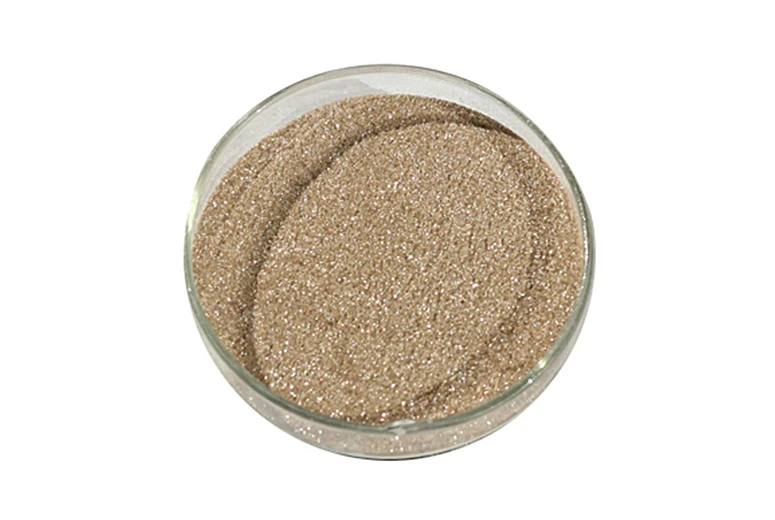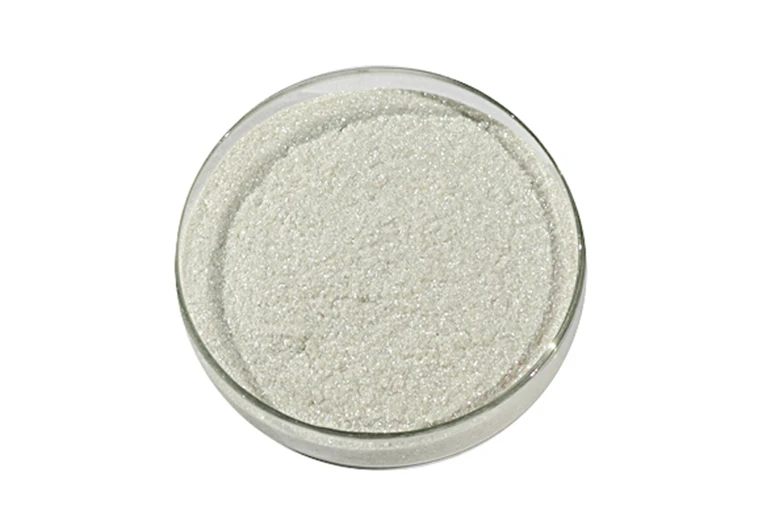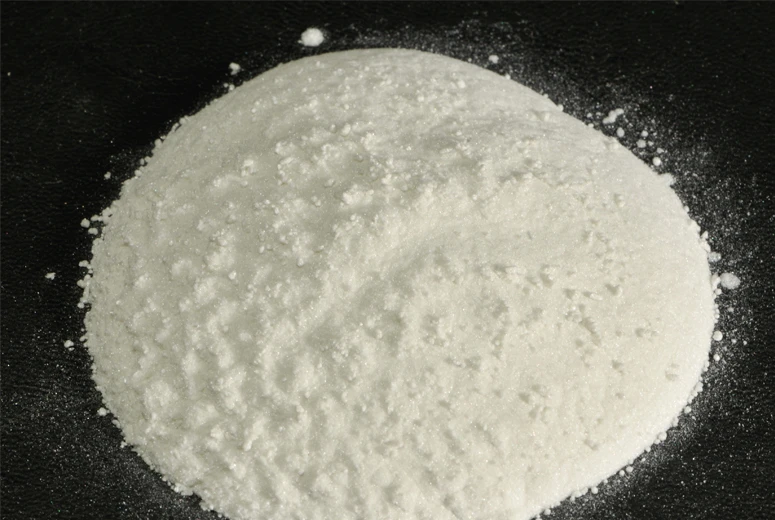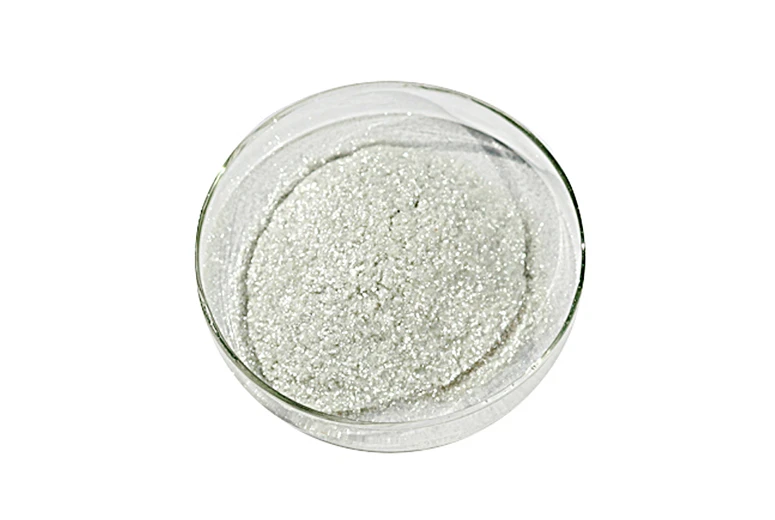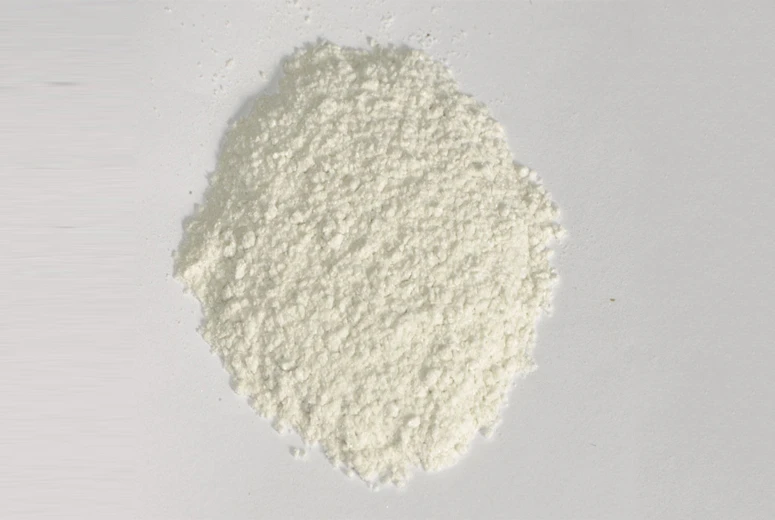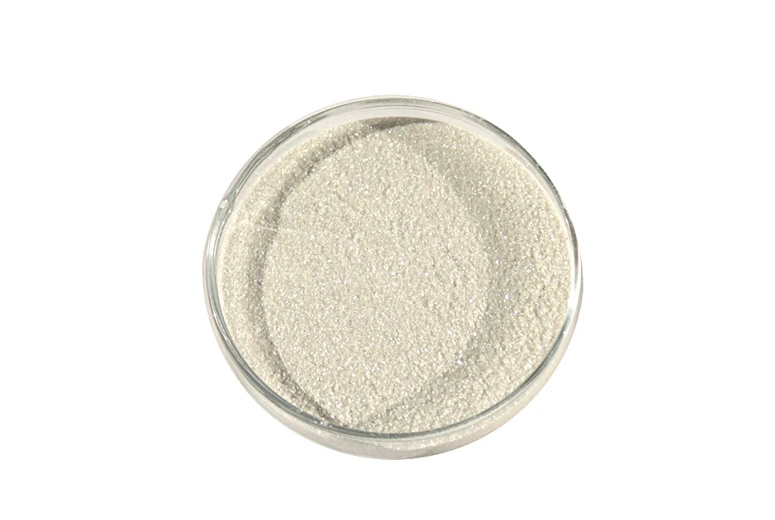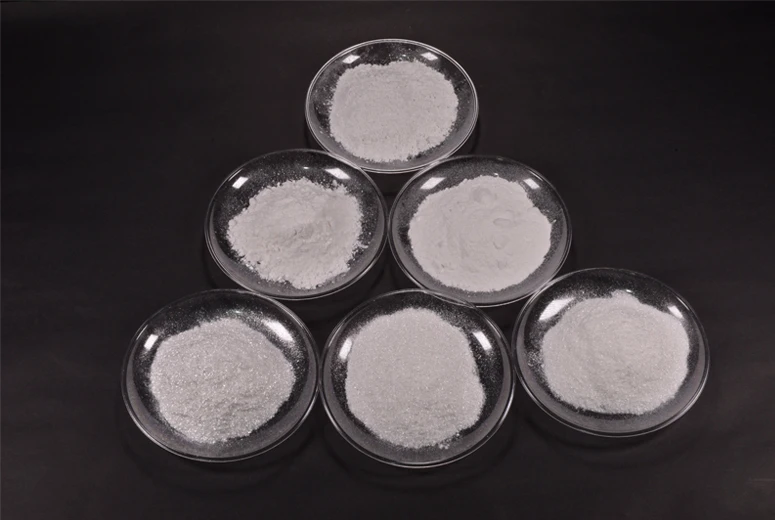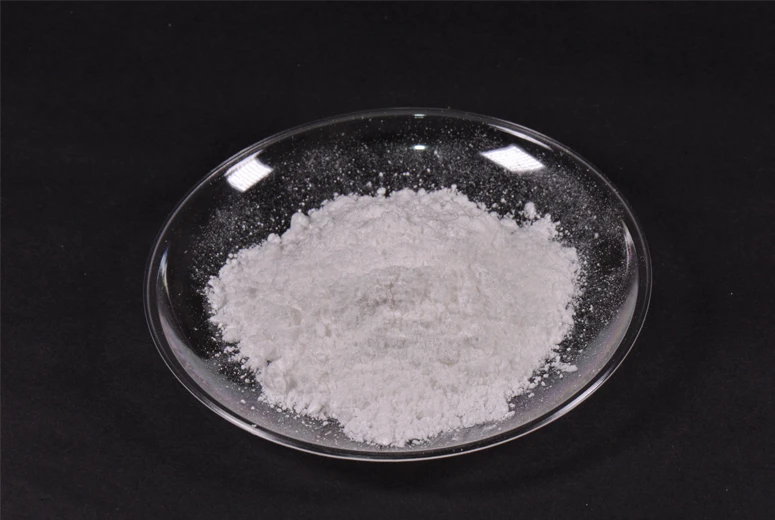

Fluorphlogopite Synthetic: Pure & Bright for Cosmetics
Industry Trends and the Rise of Synthetic Fluorphlogopite
The global industrial landscape is experiencing an accelerating demand for advanced materials that offer unparalleled performance characteristics under extreme conditions. Within this context, the prominence of fluorphlogopite synthetic has surged significantly. This meticulously engineered material, known for its superior thermal stability, electrical insulation, and chemical inertness, is rapidly becoming indispensable across critical B2B sectors, from high-frequency electronics to advanced cosmetics. Market analyses indicate a compound annual growth rate (CAGR) for synthetic mica in various applications, reflecting its pivotal role in next-generation technologies. The shift from natural mica to its synthetic counterpart is driven by consistency in quality, ethical sourcing considerations, and the ability to tailor properties precisely for specialized industrial applications.
Industries such as aerospace, automotive, electronics, and specialty chemicals are increasingly relying on materials that can withstand harsher operating environments while maintaining high levels of efficiency and safety. Synthetic fluorphlogopite, with its precisely controlled crystal structure and purity, addresses these complex requirements, offering solutions that natural mica often cannot due to inherent impurities and structural variations. This trend underscores a broader move towards synthetic materials engineered for specific performance envelopes, ensuring reliability and long-term economic advantages for B2B enterprises.
The Advanced Manufacturing Process of Fluorphlogopite Synthetic
The production of fluorphlogopite synthetic is a sophisticated industrial process, designed to yield a material with exceptionally consistent physical and chemical properties. Unlike natural mica, which is mined, synthetic fluorphlogopite is grown under controlled laboratory conditions, ensuring a high degree of purity and tailored characteristics. The process for HS10 Synthetic Mica, for example, typically involves several critical stages:
1. Raw Material Preparation
High-purity raw materials, including potassium carbonate (K2CO3), alumina (Al2O3), magnesia (MgO), silica (SiO2), and fluoride compounds (e.g., K2SiF6), are precisely weighed and mixed according to a proprietary stoichiometric ratio. These materials are selected for their ultra-high purity to prevent contaminants from compromising the final product's performance.
2. High-Temperature Melting & Crystallization
The prepared mixture is loaded into specialized high-temperature furnaces, often electric arc or induction furnaces, and melted at temperatures exceeding 1300°C, typically ranging from 1350°C to 1450°C. This molten state ensures complete dissolution and homogeneity. Controlled cooling follows, allowing the fluorphlogopite crystals to nucleate and grow with desired lamellar structures. This step is analogous to "casting" in metallurgy, but for mineral growth.
3. Controlled Cooling & Annealing
After melting, the melt is cooled slowly and precisely to allow for the formation of large, high-quality mica flakes. This annealing process is crucial for developing the characteristic lamellar structure and ensuring crystal integrity, reducing internal stresses, and optimizing mechanical and electrical properties. The cooling profiles are meticulously managed to achieve specific crystal sizes and morphologies.
4. Crushing, Grinding & Classification
The cooled, solidified mica block is then mechanically crushed and ground. Advanced grinding techniques, such as jet milling, are employed to achieve various particle sizes, from coarse flakes to ultra-fine powders. Classification, often using air classifiers, separates the particles into precise size fractions, ensuring consistency for diverse application requirements.
5. Surface Treatment (Optional)
Depending on the target application, the synthetic mica flakes may undergo surface treatments. This can include silane coupling agents to improve dispersion and adhesion in polymers or specialized coatings to enhance optical effects for cosmetic grades, particularly for applications like synthetic fluorphlogopite for skin where aesthetics and tactile properties are paramount.
6. Quality Control & Testing
Throughout the entire process, stringent quality control measures are implemented. Products are tested against international standards such as ISO 9001 for quality management and relevant ASTM/ANSI standards for material properties. Key parameters verified include chemical composition, particle size distribution, aspect ratio, thermal stability, dielectric strength, and purity. This ensures a consistent, high-performance product with an extended service life in target industries like petrochemical, metallurgy, and water supply & drainage systems where corrosion resistance and thermal stability are critical.
This meticulous process ensures that HS10 Synthetic Mica delivers superior energy saving properties in insulation applications and exceptional corrosion resistance in harsh chemical environments, outperforming many traditional materials.
Technical Specifications: HS10 Synthetic Mica
HS10 Synthetic Mica represents a pinnacle in advanced material engineering, offering a unique combination of properties derived from its controlled synthesis. The following table details the key technical parameters that define its performance and suitability for demanding industrial applications.
| Property | Value/Range | Test Method/Standard |
|---|---|---|
| Chemical Formula | KMg3(AlSi3O10)F2 | XRD, ICP-OES |
| Thermal Decomposition Temp. | >1100°C | TGA (ASTM E1131) |
| Dielectric Strength | ~180-250 kV/mm (thickness dependent) | IEC 60243-1 |
| Specific Gravity | ~2.8 g/cm3 | ASTM D792 |
| Mohs Hardness | 2.5 - 3.0 | Standard Mohs scale |
| Refractive Index | ~1.54 - 1.57 | Optical Microscopy |
| Aspect Ratio (L/T) | >50:1 (customizable) | Image Analysis |
| Purity | >99.5% | ICP-OES |
These parameters highlight HS10 Synthetic Mica's exceptional performance capabilities, making it an ideal choice for applications requiring extreme temperature resistance, superior electrical insulation, and chemical stability. Its consistent composition ensures predictable behavior in complex engineering designs.
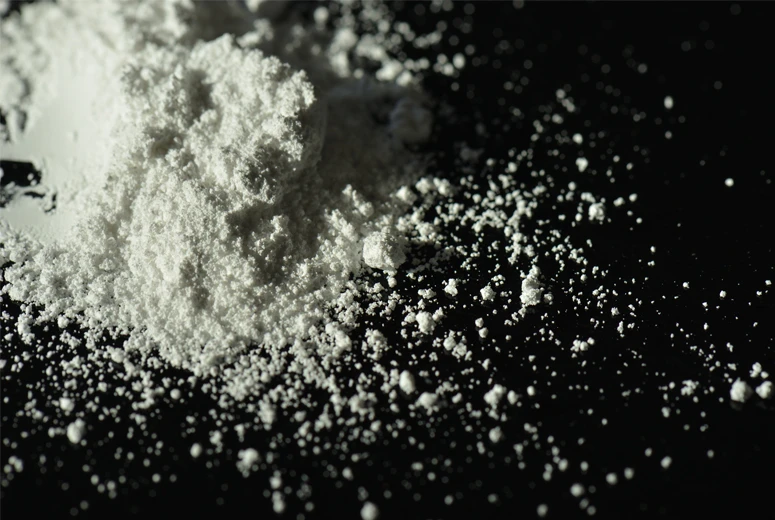
Figure 1: Microscopic view illustrating the lamellar structure of fluorphlogopite synthetic.
Technical Advantages of HS10 Synthetic Mica
The controlled synthesis of HS10 Synthetic Mica imbues it with a suite of technical advantages that are critical for high-performance industrial applications:
- Superior Thermal Stability: Unlike natural mica, which can begin to dehydrate and degrade around 600-800°C, HS10 Synthetic Mica maintains its structural integrity and dielectric properties up to 1100°C. This makes it indispensable for high-temperature insulation in aerospace, furnace linings, and automotive components.
- Exceptional Electrical Insulation: With dielectric strength significantly higher than many traditional insulators, HS10 provides reliable electrical barriers in high-voltage applications, capacitors, and electronic components, preventing breakdown even under substantial electrical stress.
- Chemical Inertness & Corrosion Resistance: Its fluoride-substituted structure makes it highly resistant to chemical attack from acids, alkalis, and solvents. This property is crucial in chemical processing equipment, protective coatings, and applications exposed to corrosive environments, extending the service life of components.
- Optical Clarity & Purity: Due to the absence of iron and other impurities common in natural mica, HS10 offers superior optical clarity and brightness. This is particularly vital for aesthetic applications, such as pearlescent pigments in coatings, plastics, and cosmetics, where synthetic fluorphlogopite for skin formulations require a brilliant, consistent luster.
- Consistent Quality & Tailorable Properties: The synthetic manufacturing process allows for precise control over particle size distribution, aspect ratio, and surface chemistry. This consistency ensures predictable performance and enables customization for specific client requirements, a critical advantage over the variable properties of natural minerals.
- Mechanical Strength & Flexibility: Despite its lamellar structure, HS10 exhibits good mechanical strength, contributing to the reinforcement of polymers and composites. Its flexibility allows it to be processed into various forms, including thin sheets and fine powders.
These combined attributes position HS10 Synthetic Mica as a premium material solution for engineers and product developers seeking to overcome the limitations of conventional materials and enhance product performance and longevity across a wide array of demanding applications.
Application Scenarios and Real-World Case Studies
The versatility and superior properties of HS10 Synthetic Mica lend themselves to an expansive range of high-performance applications across diverse industries. Its ability to perform reliably under extreme conditions makes it a material of choice for engineers pushing the boundaries of design and functionality.
Target Industries:
- Electronics & Electrical Engineering: Used in high-frequency circuit boards, capacitors, insulators for power devices, and as a filler in heat-resistant encapsulants due to its excellent dielectric properties and thermal stability.
- Aerospace & Automotive: Critical for high-temperature gaskets, thermal insulation blankets, fire-retardant coatings, and friction materials where high heat resistance and lightweight properties are essential.
- Petrochemical & Metallurgy: Employed in high-temperature lubricants, refractory materials, and protective coatings for components exposed to corrosive chemicals and extreme heat, ensuring longer operational life and reduced maintenance.
- Coatings, Plastics & Composites: As a functional filler to enhance mechanical strength, dimensional stability, barrier properties, and fire resistance in polymers. Also used as a pearlescent pigment for aesthetic effects.
- Cosmetics & Personal Care: Utilized as a safe, pure, and bright filler in makeup (foundations, eyeshadows), skincare, and personal care products, providing a silky texture and pearlescent effect. Its inert nature makes it an ideal ingredient for synthetic fluorphlogopite for skin applications.
- Water Supply & Drainage: In specialized coatings and sealing components requiring high chemical resistance and durability in challenging water treatment environments.
Application Case Study: High-Temperature Insulation for Industrial Furnaces
A leading metallurgy firm faced persistent issues with the premature degradation of insulation materials in their high-temperature sintering furnaces, operating continuously at 1000°C. Traditional mica and ceramic fiber insulations required frequent replacement, leading to significant downtime and energy losses. After consultation, HS10 Synthetic Mica sheets were implemented as a critical layer in the furnace's insulation system.
Solution & Outcome: By leveraging the superior thermal stability of HS10 Synthetic Mica (stable up to 1100°C), the firm observed a dramatic reduction in insulation degradation. The material's low thermal conductivity contributed to improved energy efficiency, reducing heat loss by an estimated 15% and translating into substantial energy savings. Furthermore, the extended service life of the insulation significantly reduced maintenance intervals and associated costs. This success story exemplifies HS10's capability to deliver substantial energy saving benefits and enhanced operational longevity in extreme thermal environments.
Another instance involved an electronics manufacturer struggling with the dielectric breakdown of components in high-power modules. By integrating HS10 Synthetic Mica as an insulating layer, they achieved a 20% increase in dielectric strength, improving the reliability and safety of their products, thus extending their operational service life under peak loads.
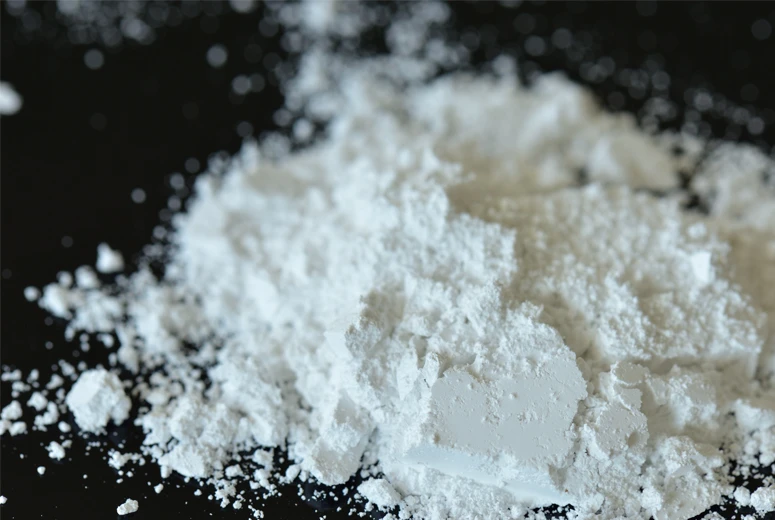
Figure 2: HS10 fluorphlogopite synthetic utilized in high-temperature insulation for industrial equipment.
Vendor Comparison: HS10 Synthetic Mica vs. Alternatives
When selecting high-performance materials, a comparative analysis is crucial. HS10 Synthetic Mica distinguishes itself from both natural mica and other synthetic alternatives through its exceptional purity, consistent properties, and tailored performance. The following table provides a high-level comparison:
| Feature | HS10 Synthetic Mica | Natural Muscovite Mica | Synthetic Phlogopite (General) |
|---|---|---|---|
| Thermal Stability | Excellent (>1100°C) | Good ( | Very Good (~1000°C) |
| Dielectric Strength | Superior (200+ kV/mm) | Good (150-200 kV/mm) | Excellent (180+ kV/mm) |
| Purity & Consistency | Highest (Controlled Synthesis) | Variable (Natural Impurities) | High (Controlled Synthesis) |
| Chemical Resistance | Excellent (Acid/Alkali Resistant) | Good (Less Acid Resistant) | Very Good (Acid/Alkali Resistant) |
| Optical Clarity/Whiteness | Exceptional (No Iron Impurities) | Moderate (Contains Iron) | High (Low Iron) |
| Ethical Sourcing | Guaranteed (Manufactured) | Potential Concerns (Mining) | Guaranteed (Manufactured) |
This comparison underscores the unique value proposition of HS10 Synthetic Mica. While general synthetic phlogopite offers many advantages over natural mica, HS10's specific formulation and rigorous manufacturing ensure peak performance characteristics, particularly in thermal stability and dielectric strength, making it a superior choice for the most demanding applications.
Customized Solutions and Tailored Manufacturing
Recognizing that standard products may not always meet every unique engineering challenge, we specialize in providing customized solutions for synthetic fluorphlogopite. Our advanced manufacturing capabilities allow for the precise modification of HS10 Synthetic Mica properties to align with highly specific client requirements. This flexibility is a core advantage in enabling innovative product development and optimized performance for niche applications.
Customization Parameters Include:
- Particle Size Distribution: From ultra-fine powders (e.g., d50 500 microns) for structural composites and high-temperature insulation, we can precisely control the particle size.
- Aspect Ratio (L/T): Tailoring the length-to-thickness ratio is critical for applications requiring enhanced barrier properties, mechanical reinforcement, or specific optical effects.
- Surface Treatment: We offer a range of surface modification options, including silane coupling agents for improved compatibility and dispersion in polymer matrices, or specialized inorganic coatings for optical effects in pigment applications.
- Purity Levels: For highly sensitive electronic or cosmetic applications, we can deliver ultra-high purity grades with even lower trace element levels.
Our team of material scientists and engineers collaborates closely with clients from initial concept to final production, ensuring that the customized HS10 Synthetic Mica perfectly integrates into their systems, delivering optimal performance and economic value. This bespoke approach minimizes design constraints and maximizes the potential of advanced materials.
Ensuring Trust and Authority ( Compliance)
Certifications, Quality Assurance, and Industry Partnerships
Our commitment to excellence is underpinned by rigorous adherence to international quality and environmental standards. We operate under an ISO 9001 certified quality management system, ensuring every batch of HS10 Synthetic Mica meets stringent specifications. Our products are consistently tested against relevant ASTM and ANSI standards for material characterization. We also maintain strict compliance with industry-specific regulations, including those pertinent for cosmetic and food-contact applications where applicable, referencing authoritative bodies like FDA for ingredient safety. Our long-standing partnerships with global industry leaders and our extensive years of service in the advanced materials sector attest to our reliability and expertise.
Lead Time, Fulfillment, and Warranty
- Lead Time: Standard orders for HS10 Synthetic Mica typically have a lead time of 2-4 weeks, depending on volume and customization requirements. Expedited options are available upon request.
- Fulfillment: We ensure robust supply chain management and global shipping capabilities, providing reliable and timely delivery to our B2B partners worldwide.
- Warranty: All HS10 Synthetic Mica products are guaranteed against manufacturing defects and conform to published specifications. Our comprehensive warranty covers material performance and purity for a specified period, offering peace of mind to our clients.
Dedicated Customer Support
Our commitment extends beyond product delivery. We provide dedicated technical support, assisting clients with material selection, application optimization, and troubleshooting. Our expert team is available to offer detailed product data, safety information, and guidance to ensure the successful integration of HS10 Synthetic Mica into your processes. Contact us via phone, email, or through our website for prompt assistance.
Frequently Asked Questions (FAQ)
Q1: What is fluorphlogopite synthetic, and how does it differ from natural mica?
A1: Fluorphlogopite synthetic is a synthetic mica produced under controlled high-temperature conditions from precisely measured raw materials. Its primary difference from natural mica lies in its purity, absence of impurities like iron, and superior thermal stability (over 1100°C vs. 600-800°C for natural mica). This allows for highly consistent properties and performance that natural mica cannot match.
Q2: What are the main applications of HS10 Synthetic Mica?
A2: HS10 Synthetic Mica is widely used in high-temperature insulation, electrical and electronic components (capacitors, PCBs), automotive and aerospace parts, advanced coatings, plastics, composites, and premium cosmetic formulations, especially for applications requiring high purity and optical effects.
Q3: Is HS10 Synthetic Mica safe for skin applications?
A3: Yes, HS10 Synthetic Mica is highly purified, free from heavy metals and impurities often found in natural mica. Its inert nature and smooth, uniform flakes make it an excellent and safe ingredient for synthetic fluorphlogopite for skin in various cosmetic and personal care products, providing exceptional texture and visual effects.
Q4: How does synthetic fluorphlogopite contribute to sustainability?
A4: Synthetic fluorphlogopite eliminates the environmental and ethical concerns associated with natural mica mining. Its consistent quality reduces material waste during manufacturing, and its enhanced durability in end applications (e.g., longer service life in insulation or corrosion-resistant coatings) contributes to resource efficiency and reduced replacement cycles.
Q5: Can HS10 Synthetic Mica be customized for specific project needs?
A5: Absolutely. We offer extensive customization options for HS10 Synthetic Mica, including precise control over particle size distribution, aspect ratio, and surface treatments to optimize its performance for unique application requirements. Our technical team works closely with clients to develop bespoke solutions.
Conclusion
HS10 Synthetic Mica stands as a testament to advanced material science, offering an unparalleled combination of thermal stability, electrical insulation, chemical inertness, and optical purity. Its meticulously controlled manufacturing process ensures consistent, high-performance characteristics that significantly outperform natural mica and many other synthetic alternatives. From high-demand industrial sectors like aerospace and electronics to specialized applications in cosmetics, the adoption of HS10 Synthetic Mica translates directly into enhanced product longevity, superior operational efficiency, and a robust return on investment. As industries continue to evolve towards more stringent performance requirements, HS10 Synthetic Mica remains at the forefront, providing innovative and reliable solutions for the most challenging B2B applications.
References
- Bergaya, F., & Lagaly, G. (2013). Handbook of Clay Science. Elsevier.
- Zhou, Y., & Chen, G. (2018). Synthesis and Applications of Fluorine-Containing Layered Materials. Journal of Inorganic Materials, 33(5), 503-512.
- ISO 9001:2015 Quality management systems – Requirements. International Organization for Standardization.
- ASTM International Standards. Various standards related to mica testing and characterization.
-
Ultimate Guide to Using High Quality Pearl Paint Pigment for LusterNewsApr.16,2026
-
Elevating Automotive Aesthetics with Mica Powder Car PaintNewsApr.09,2026
-
Unlock Stunning Effects with Mica Powder for Paint ApplicationsNewsApr.07,2026
-
Comprehensive Guide to Mica Dye Powder Applications and BenefitsNewsApr.04,2026
-
Unlocking the Brilliance of Mica Pigment Paint for Diverse ApplicationsNewsMar.31,2026
-
Enhancing Concrete Performance with Durable Mica Chips for Concrete ApplicationsNewsMar.28,2026