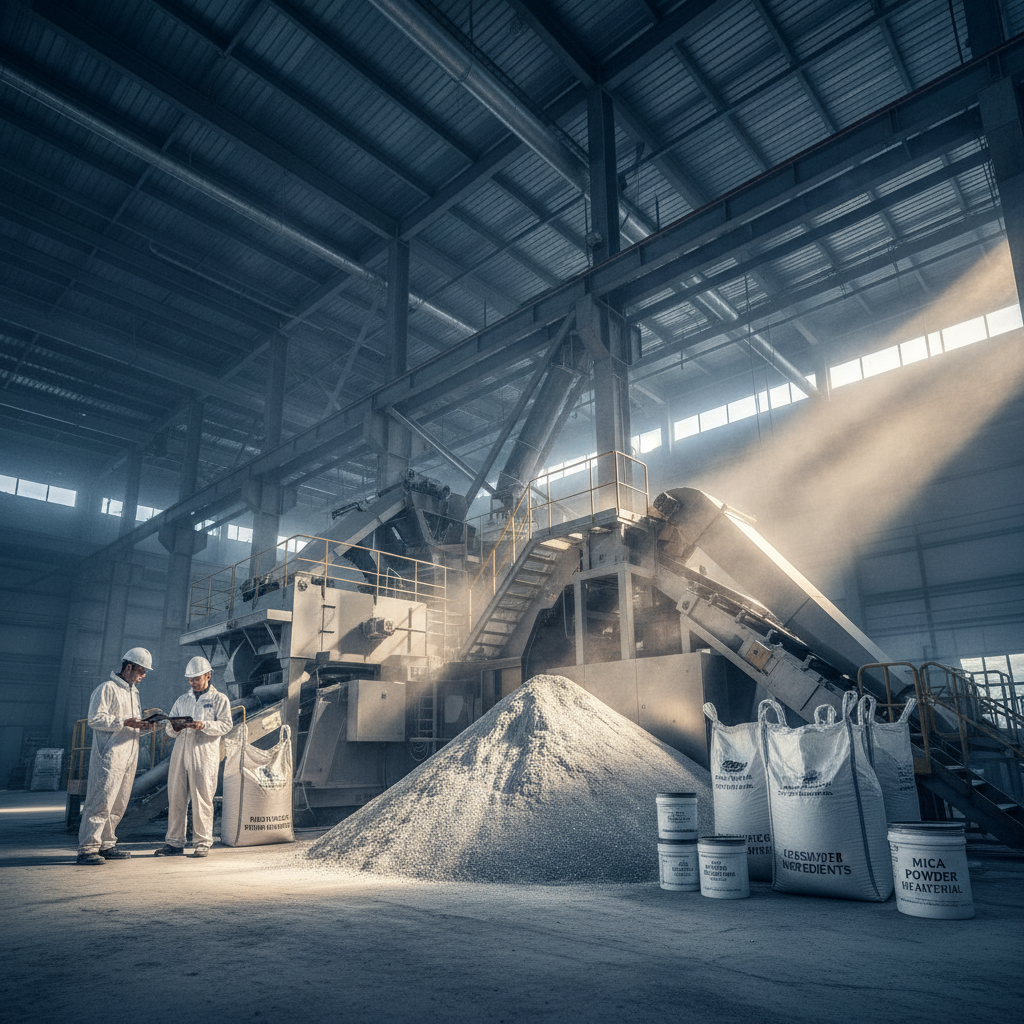
Mica powder china represents a cornerstone of numerous industries, from cosmetics and paints to plastics and even electronics. Its unique properties – shimmer, pearlescence, chemical inertness, and excellent dielectric strength – make it an indispensable ingredient in a vast array of products. Understanding the sourcing, processing, and applications of mica powder china is vital for businesses and consumers alike, driving innovation and ensuring product quality.
The global demand for mica powder china is experiencing consistent growth, fueled by expanding applications and increasing consumer spending. This demand, however, presents challenges related to ethical sourcing and sustainable practices. Transparency within the supply chain and responsible mining are crucial to mitigate environmental impacts and ensure fair labor conditions. Examining the intricacies of mica powder china allows for informed decision-making and promotes a more ethical and sustainable industry.
This exploration delves into the multifaceted world of mica powder china, covering its definition, key attributes, diverse applications, emerging trends, and the challenges faced by the industry. It aims to provide a comprehensive understanding of this essential material and its significance in the modern world, offering valuable insights for professionals, researchers, and anyone interested in the science and technology behind everyday products.
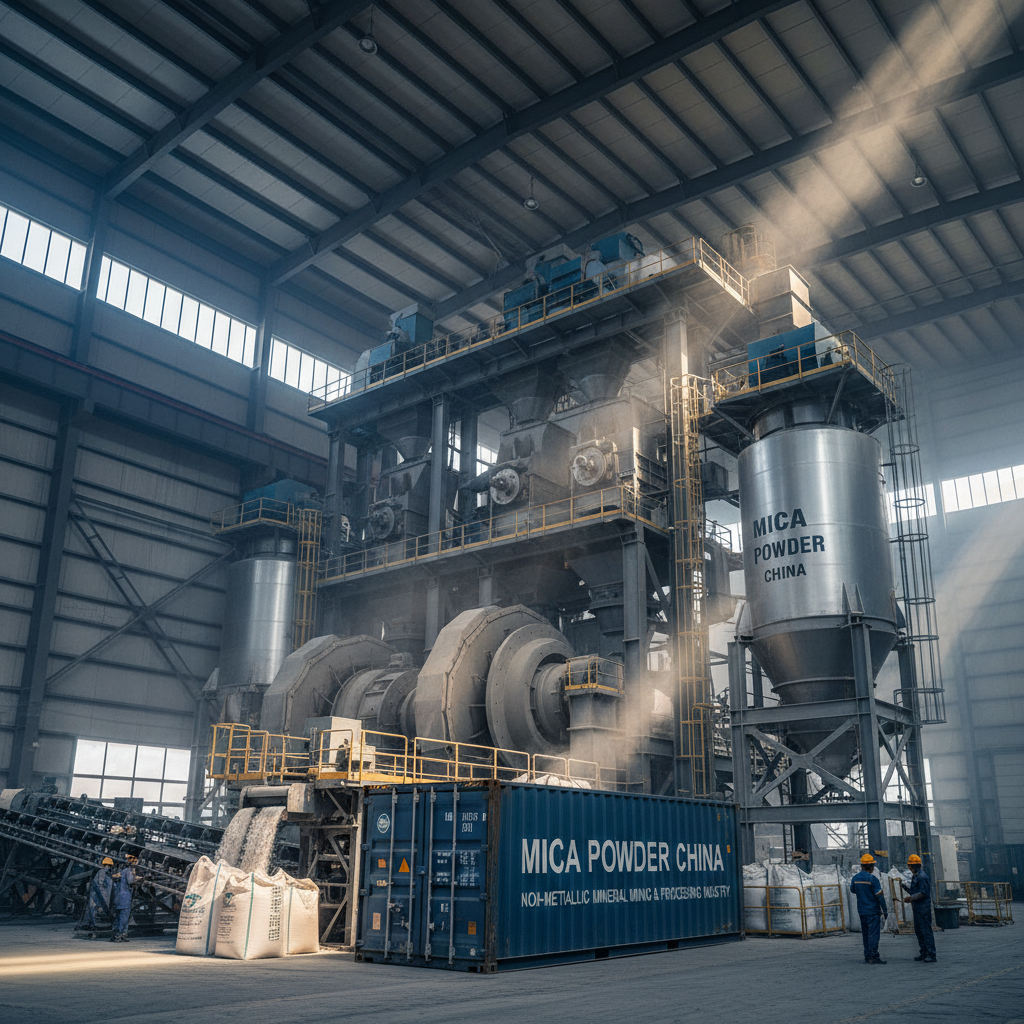
Mica powder china isn't simply a shimmering additive; it’s a versatile mineral with a complex geological origin and sophisticated processing methods. It’s formed from sheet silicate minerals, primarily muscovite and phlogopite, and is often sourced from metamorphic or igneous rocks. The resulting powder boasts unique optical properties, contributing to its widespread use in creating pearlescent effects.
The careful selection and processing of raw mica are vital to achieving specific color variations and particle sizes. Different grades of mica powder china cater to diverse applications, from the fine pigments used in high-end cosmetics to the larger flakes incorporated into automotive paints for enhanced durability and visual appeal. The quality control measures are paramount ensuring consistent performance and safety.
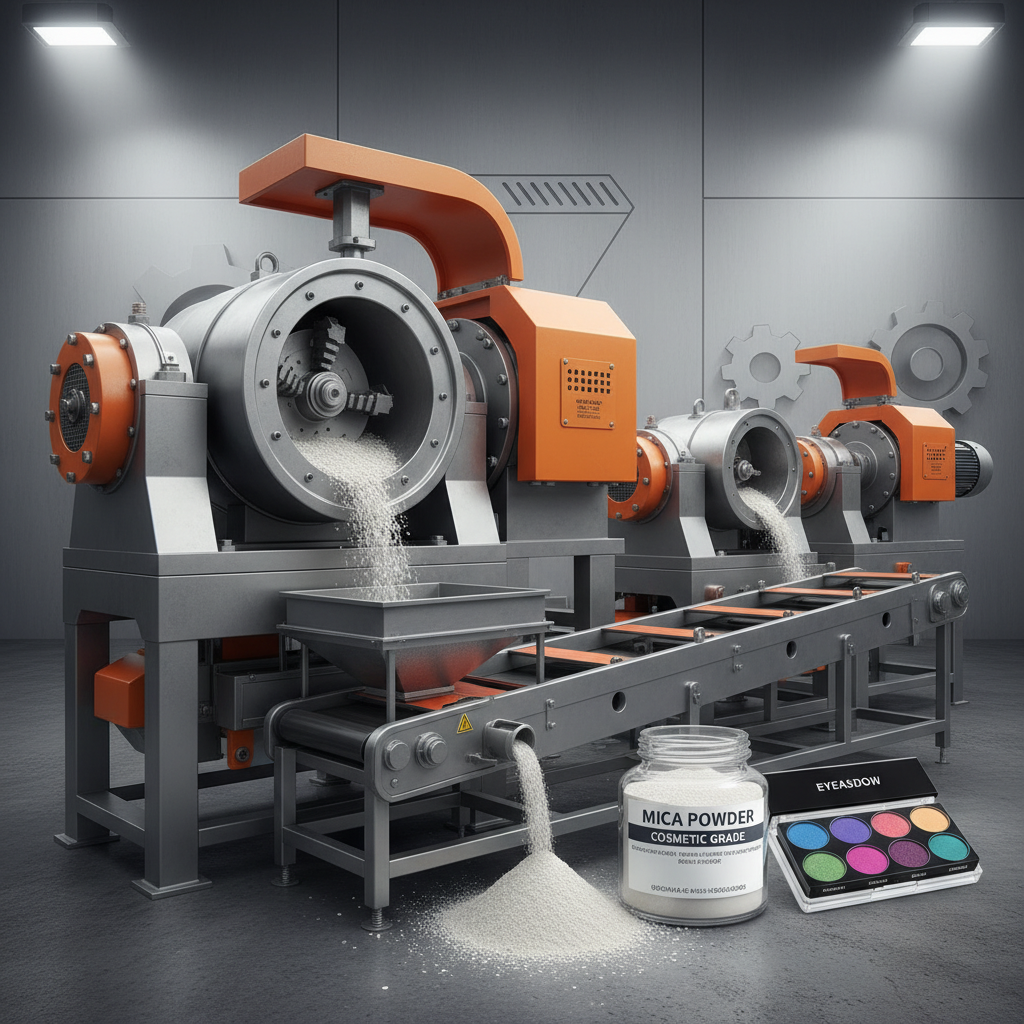
Mica powder china is extensively used in cosmetics to create shimmer and pearlescent effects. You’ll find it in eyeshadows, highlighters, lip glosses, foundations, and nail polishes. It adds luminosity and enhances the overall aesthetic appeal of these products. The particle size and color treatment of the mica are customized to achieve specific cosmetic effects, ranging from subtle radiance to bold shimmer. Increasingly, consumers are demanding ethically sourced mica in their cosmetic products.
Mica powder china improves paint and coating durability by acting as a barrier against UV radiation, moisture, and weathering. Its layered structure enhances the paint film's resistance to cracking and peeling, extending the lifespan of the coating. It also improves the paint's scrub resistance and hiding power, providing a more durable and aesthetically pleasing finish. Furthermore, its inherent chemical inertness prevents degradation of the paint film over time.
Ethically sourced mica powder china ensures that the material is mined and processed under fair labor conditions, without the exploitation of workers, particularly children. It also promotes environmentally responsible mining practices that minimize land degradation and water pollution. Supporting ethically sourced mica demonstrates a commitment to social responsibility and helps to alleviate the serious ethical concerns associated with traditional mica mining operations.
Absolutely! Mica powder china has a much wider range of applications. It's used in plastics to improve strength and dimensional stability, in electronics as an electrical insulator, in rubber to enhance heat resistance, and even in drilling fluids for oil and gas exploration. Its versatility makes it a valuable ingredient across numerous industries.
Muscovite and phlogopite are the two primary types of mica used in powder form. Muscovite is known for its clarity, high reflectivity, and resistance to heat. It’s often preferred in cosmetics and high-end coatings. Phlogopite, on the other hand, has a more yellowish or greenish tint and is typically used in applications where color isn't critical, such as in plastics and rubber.
Raw mica undergoes a multi-stage processing procedure. Initially, it's crushed and ground into smaller particles. These particles are then wet-milled to achieve the desired particle size distribution. Following this, the mica is often surface-treated with various coatings (like titanium dioxide or iron oxide) to achieve specific colors and optical effects. Finally, the powder is dried and classified to ensure consistent quality and performance.
In conclusion, mica powder china is far more than just a sparkly ingredient. It's a versatile mineral with a rich history, essential properties, and a wide range of applications impacting numerous industries. From enhancing the beauty of cosmetics to strengthening the durability of paints and enabling advancements in electronics, mica powder china continues to play a crucial role in our modern world. Addressing ethical sourcing challenges and embracing sustainable practices are critical to ensuring its continued responsible use.
Looking ahead, innovation in processing techniques, coupled with a growing demand for sustainable materials, will undoubtedly drive further advancements in the mica powder china industry. Investing in research and development, promoting transparency throughout the supply chain, and prioritizing ethical sourcing will be key to unlocking the full potential of this remarkable mineral and ensuring its long-term value for both businesses and consumers. Visit our website: mica powder china for more information.