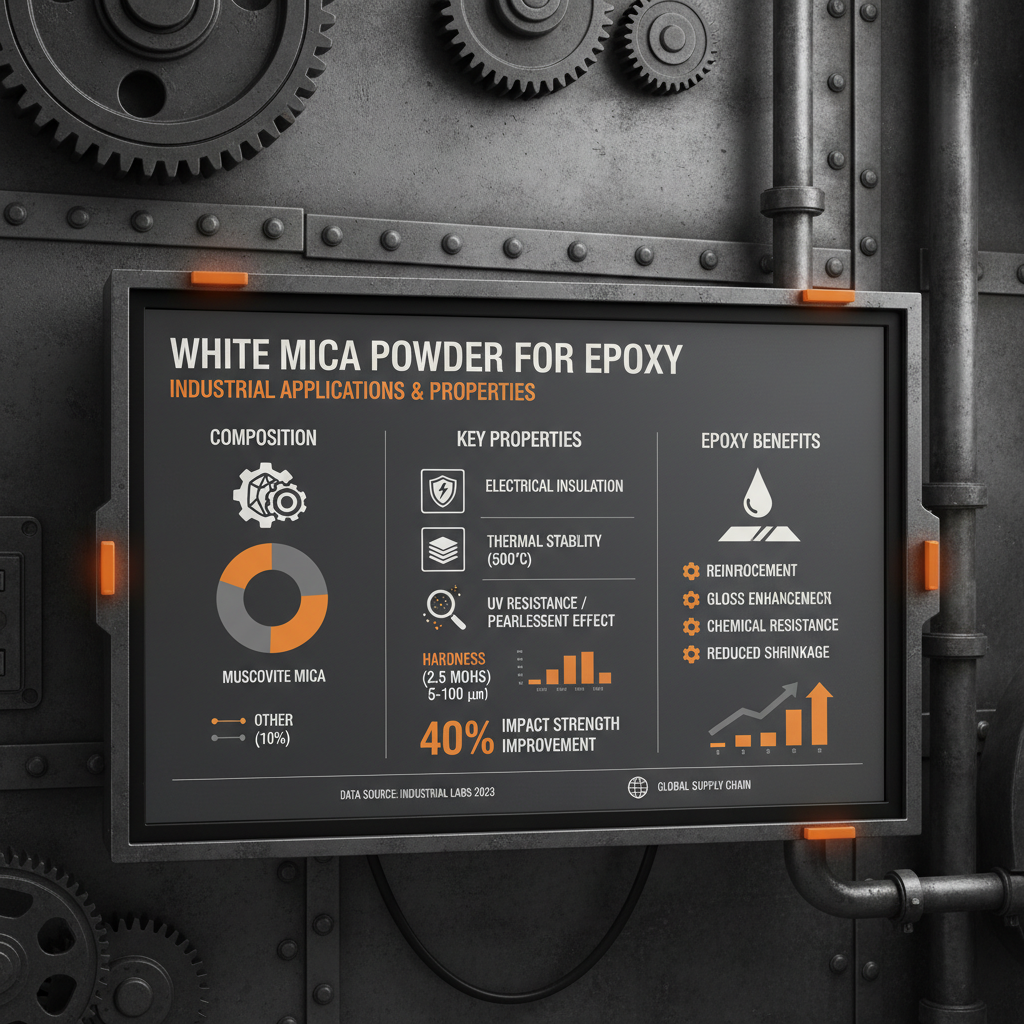
Mica, a fascinating group of silicate minerals, plays a critical role in a surprisingly wide range of industries, from cosmetics and electronics to construction and even aerospace. Understanding the different types of mica – their unique properties and applications – is essential for professionals seeking innovative materials and sustainable solutions. Globally, the demand for mica is driven by economic growth, particularly in developing nations, while also presenting ethical challenges related to sourcing and labor practices. Different types of mica offer varied levels of thermal stability, dielectric strength, and flexibility, impacting their suitability for specific applications.
The global mica market is experiencing significant shifts, influenced by factors like fluctuating raw material costs, advancements in synthetic mica production, and increasing environmental regulations. The United Nations and various NGOs are actively addressing concerns related to child labor in mica mining, particularly in India and Madagascar. Innovations in mica processing and utilization are constantly emerging, aiming for greater efficiency and reduced environmental impact. Recognizing the nuances of different types of mica is therefore paramount for responsible sourcing and informed decision-making.
From enhancing the performance of capacitors to adding shimmer to beauty products, and even acting as a fire retardant in construction materials, different types of mica are integral to modern life. This guide will explore the core characteristics, applications, and future trends surrounding these versatile minerals, providing valuable insights for anyone involved in their production, use, or regulation.
Understanding the Variety of different types of mica
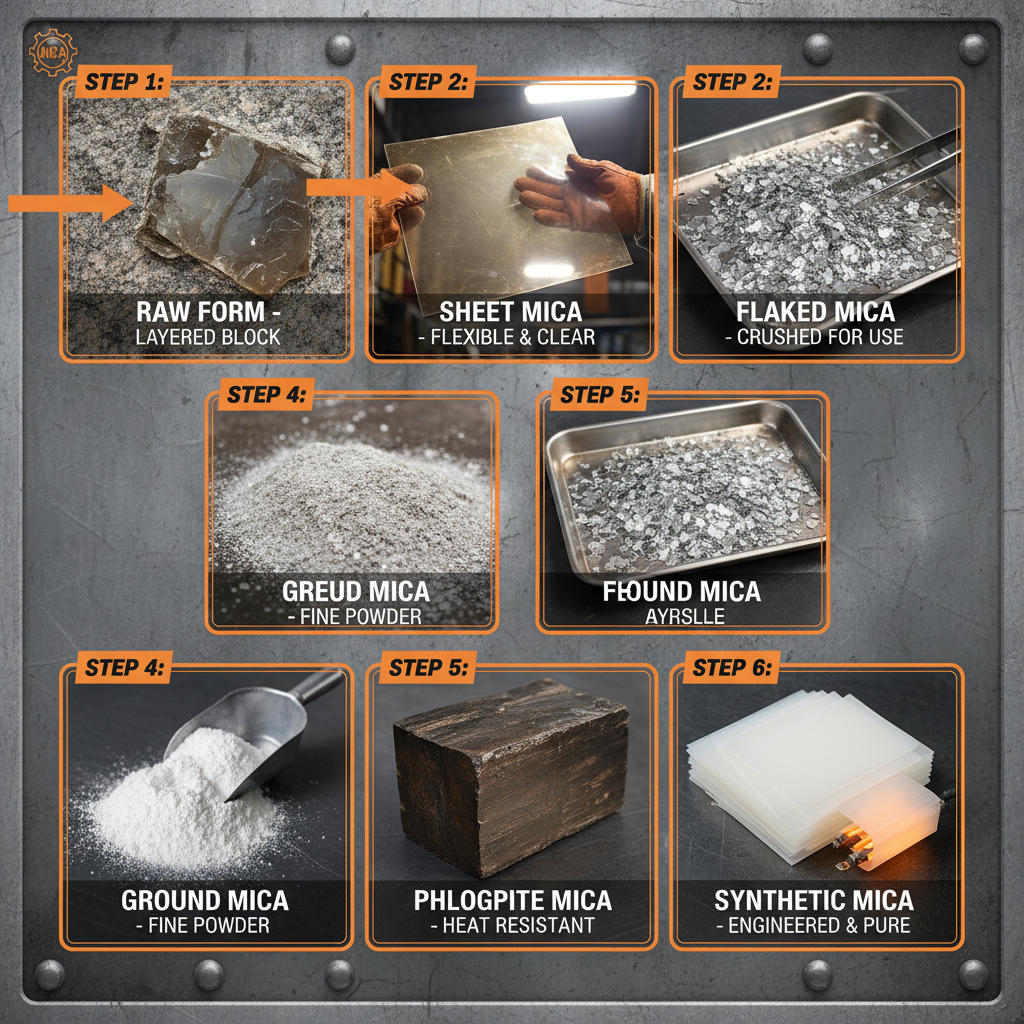
The term “mica” encompasses a group of silicate minerals characterized by their perfect basal cleavage, allowing them to be split into thin, flexible sheets. However, not all mica is created equal. Several distinct types exist, each possessing unique chemical compositions and physical properties. Muscovite, biotite, phlogopite, and lepidolite are among the most common, each finding its niche in various industries due to its specific attributes. Different types of mica also vary considerably in their geographical distribution and mining methods.
These variations significantly influence how each mica type is utilized. For instance, muscovite is prized for its electrical insulating properties, making it vital in electronics, while biotite’s darker color and higher iron content render it suitable for use in paints and coatings. Understanding these differences is crucial for selecting the appropriate mica for a given application, ensuring optimal performance and cost-effectiveness.
Defining different types of mica: A Comprehensive Overview
Different types of mica are defined by their chemical composition and crystalline structure. Muscovite (KAl₂(AlSi₃O₁₀)(OH)₂) is a potassium aluminum silicate, known for its clarity and excellent dielectric strength. Biotite (K(Mg,Fe)₃(AlSi₃O₁₀)(OH)₂) is a magnesium iron potassium aluminum silicate, typically darker in color due to its iron content, and is commonly found in igneous and metamorphic rocks. Phlogopite (KMg₃(AlSi₃O₁₀)(OH)₂) is another magnesium silicate, often exhibiting a yellowish-green hue, and is more heat resistant than other mica types.
Lepidolite (K(Li,Al)₂(AlSi₃O₁₀)(OH,F)₂) contains lithium, giving it a lilac or pinkish tint, and is sometimes used in the production of lithium compounds. Sericite is a fine-grained mica, often a variety of muscovite or biotite, widely used in cosmetics. These distinctions are not merely academic; they directly translate into varying functionalities and determine their suitability for specific applications across diverse industries.
The presence of trace elements also influences the properties of different types of mica. For example, the amount of iron in biotite affects its color and magnetic susceptibility, while the lithium content in lepidolite dictates its potential for lithium extraction. Precise identification and characterization are therefore essential for quality control and optimizing performance in industrial processes.
Key Properties Distinguishing different types of mica
Several key properties differentiate the various types of mica. Cleavage, the ability to split into thin sheets, is a defining characteristic common to all, but the perfection and ease of cleavage vary. Muscovite exhibits the most perfect cleavage, making it ideal for applications requiring delicate layering. Thermal stability is another critical factor, with phlogopite possessing the highest resistance to high temperatures.
Dielectric strength, the ability to resist electrical breakdown, is particularly high in muscovite, making it indispensable in capacitors and other electrical components. Optical properties, such as transparency and refractive index, also differ, influencing their use in cosmetics and optical instruments. Chemical inertness is another notable trait, making different types of mica resistant to corrosion and degradation.
Furthermore, variations in hardness, density, and specific gravity contribute to the distinct characteristics of each mica type. These physical and chemical properties are carefully considered when selecting the appropriate mica for specific applications, ensuring optimal performance and long-term reliability. Understanding these distinctions is crucial for engineers, scientists, and manufacturers working with these versatile materials.
Global Applications and Industries Utilizing different types of mica
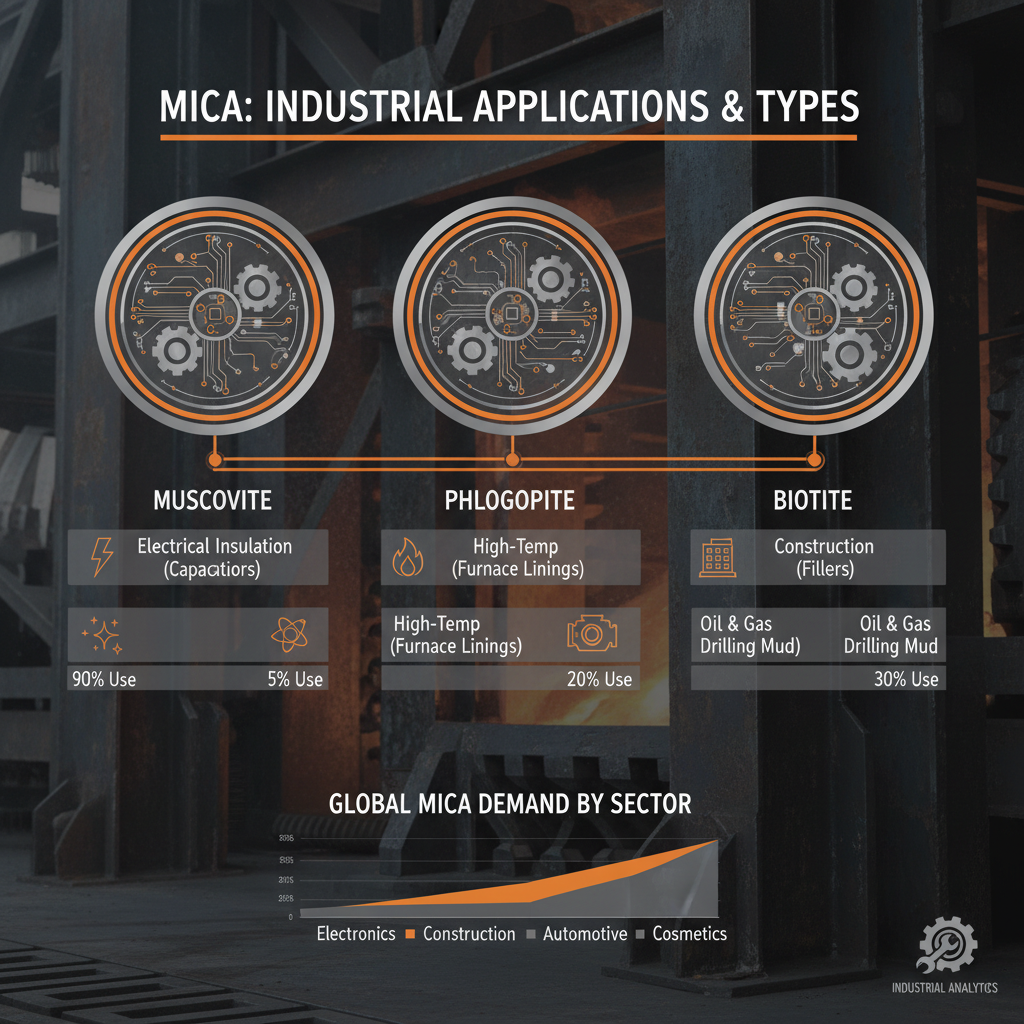
The applications of different types of mica are remarkably diverse. In the electronics industry, muscovite is crucial for manufacturing capacitors, insulators, and high-voltage components due to its exceptional dielectric strength and thermal stability. The automotive industry utilizes mica in paints and coatings to improve corrosion resistance and provide a metallic sheen. The construction industry employs mica as a filler in drywall, cement, and roofing materials, enhancing fire resistance and durability.
The cosmetics industry values mica for its pearlescent effect, incorporating it into eyeshadows, foundations, and lipsticks. The aerospace industry leverages mica's thermal stability and lightweight properties in aircraft insulation and fireproofing. The oil and gas industry uses mica as a drilling fluid additive to prevent shale swelling and stabilize boreholes. These applications span continents, with significant demand originating from Asia (particularly China and India), North America, and Europe.
Comparative Application Rates of different types of mica
Advantages and Long-Term Value of different types of mica
The advantages of utilizing different types of mica stem from their inherent properties. Their excellent thermal stability ensures longevity and reliability in high-temperature applications, reducing maintenance costs and downtime. Their superior dielectric strength translates into enhanced electrical safety and performance in electronic devices. The natural abundance of mica contributes to relatively stable pricing compared to synthetic alternatives, offering cost-effectiveness.
From a sustainability perspective, mica is a naturally occurring mineral, minimizing the environmental impact associated with its production (though ethical sourcing remains a critical consideration). Their inertness ensures they don’t readily decompose or release harmful substances, contributing to product safety and environmental protection. The long-term value lies not only in their functional benefits but also in their contribution to safer, more durable, and more sustainable products.
Future Trends in different types of mica Research and Development
Ongoing research is focused on enhancing the properties of different types of mica through surface modification and nanotechnology. Scientists are exploring ways to create mica-based nanocomposites with improved mechanical strength, thermal conductivity, and barrier properties. Innovations in mica processing aim to reduce waste and energy consumption, promoting sustainable manufacturing practices.
The development of synthetic mica, while currently more expensive, is gaining traction as a means of ensuring consistent quality and ethical sourcing. Furthermore, exploration of new applications in emerging fields like energy storage (batteries and supercapacitors) and advanced materials (flexible electronics) is expected to drive future demand for different types of mica.
Challenges and Sustainable Solutions in different types of mica Sourcing
A significant challenge in the mica industry is the prevalence of unethical labor practices, particularly child labor, in some mining regions. Ensuring responsible sourcing and traceability is paramount to mitigate this issue. Certification schemes and supply chain transparency initiatives are gaining momentum, allowing consumers and manufacturers to make informed choices.
Environmental concerns related to mining operations, such as habitat destruction and water contamination, also require attention. Implementing sustainable mining practices, including land reclamation and waste management, is crucial. Investing in research and development of alternative mica sources, such as synthetic mica or recycled mica, can further reduce the industry’s environmental footprint.
Collaboration between industry stakeholders, NGOs, and governments is essential to address these challenges and promote a more sustainable and ethical mica supply chain. Embracing circular economy principles, where mica waste is repurposed and reused, is another promising avenue for reducing environmental impact.
Overview of Solutions for Sustainable Mica Sourcing
| Challenge |
Solution |
Implementation Level (1-10) |
Expected Impact (1-10) |
| Child Labor |
Certification & Traceability Programs |
7 |
9 |
| Environmental Degradation |
Sustainable Mining Practices |
6 |
8 |
| Supply Chain Opacity |
Blockchain Technology for Tracking |
4 |
7 |
| Inconsistent Quality |
Standardized Testing Procedures |
8 |
6 |
| Dependence on Limited Sources |
Investment in Synthetic Mica Development |
5 |
7 |
| Waste Generation |
Mica Recycling and Repurposing Programs |
3 |
6 |
FAQS
Muscovite and biotite are both common types of mica, but they differ significantly in composition and properties. Muscovite is a potassium aluminum silicate known for its clarity, excellent dielectric strength, and light color. Biotite, on the other hand, is a magnesium iron potassium aluminum silicate, typically darker due to its iron content. This difference in composition impacts their applications: muscovite is ideal for electrical insulation, while biotite finds use in paints and coatings. Understanding these distinctions is crucial for selecting the appropriate mica for a given task.
Ethical sourcing of mica is a critical concern. Several initiatives are underway to address the issue of child labor, primarily in India and Madagascar. These include certification schemes like the Responsible Mica Initiative (RMI), which aims to create a traceable and responsible supply chain. Companies are increasingly implementing due diligence processes to ensure their mica comes from ethical sources, working with suppliers committed to fair labor practices and supporting community development programs. Consumers can also demand transparency from brands.
Synthetic mica, created in a laboratory setting, offers several advantages over natural mica. It provides a consistent quality and purity, eliminating the variability often found in naturally mined mica. Crucially, it avoids the ethical concerns associated with some mica mining regions, ensuring a responsible supply chain. While currently more expensive, advancements in production techniques are reducing the cost gap, making it an increasingly attractive option for industries requiring high-performance materials.
Different types of mica are widely used in cosmetics to create a shimmering or pearlescent effect. Specifically, sericite mica is often used due to its fine particle size and silky texture. It's incorporated into eyeshadows, foundations, lipsticks, and highlighters to add luminosity and enhance color payoff. The mica particles reflect light, creating a visually appealing finish. However, responsible sourcing and ethical production are increasingly important considerations for cosmetic brands.
Thermal stability is a crucial property determining a mica's suitability for various industrial applications. Phlogopite exhibits the highest thermal stability, making it ideal for high-temperature applications like furnace linings and high-temperature electrical insulation. Muscovite also possesses good thermal stability but to a lesser extent. This ability to withstand extreme temperatures without degrading makes different types of mica invaluable in sectors requiring robust and reliable materials.
Emerging applications for mica are expanding rapidly. Research is exploring its use in energy storage devices like batteries and supercapacitors, leveraging its insulating properties and layered structure. Mica-based nanocomposites are being developed for flexible electronics, enhancing their performance and durability. Furthermore, investigations into its potential in biomedical applications, such as drug delivery systems and tissue engineering, are underway, showcasing its versatility and promising future.
Conclusion
Different types of mica represent a remarkably versatile class of minerals with applications spanning a vast array of industries. From electronics and automotive to cosmetics and aerospace, their unique properties – thermal stability, dielectric strength, and flexibility – make them indispensable components in countless products. Understanding the distinctions between muscovite, biotite, phlogopite, lepidolite, and sericite is crucial for selecting the optimal mica for a given application, maximizing performance and efficiency.
Looking ahead, ongoing research into nanotechnology, synthetic mica production, and sustainable sourcing practices promises to further unlock the potential of these minerals. By addressing ethical concerns and embracing innovative technologies, we can ensure that different types of mica continue to contribute to a more sustainable and technologically advanced future. For further information and to explore our range of mica products, visit our website: www.hjmica.com.