
Does Mica Powder Stain Skin? Honest Insights from Industry Pros
Does Mica Powder Stain Skin? A Practical Look from the Industrial Floor
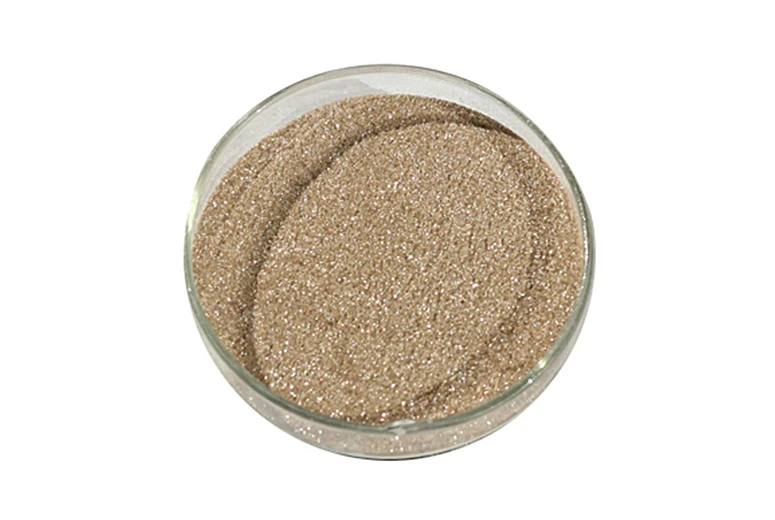
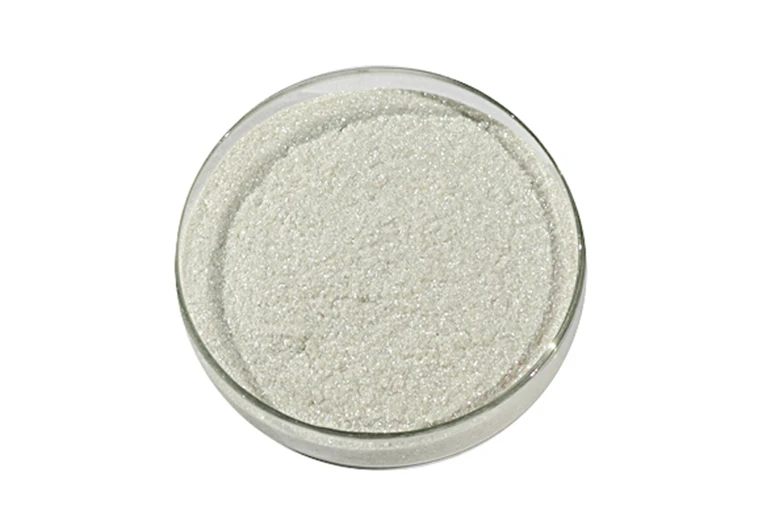
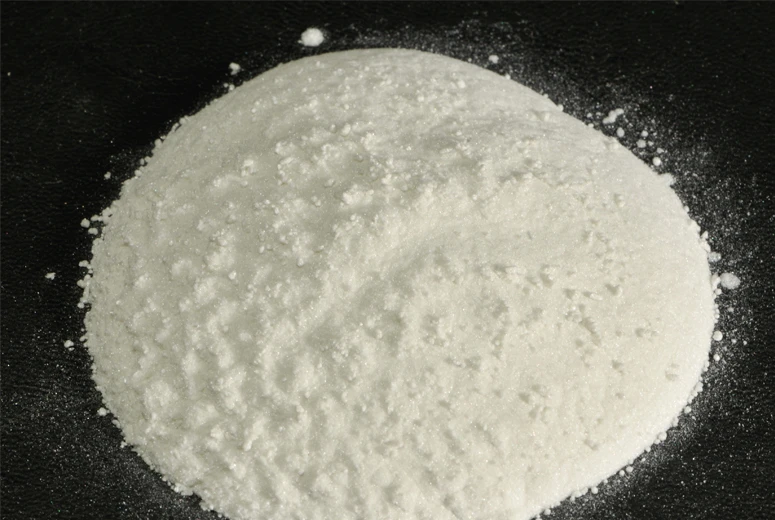
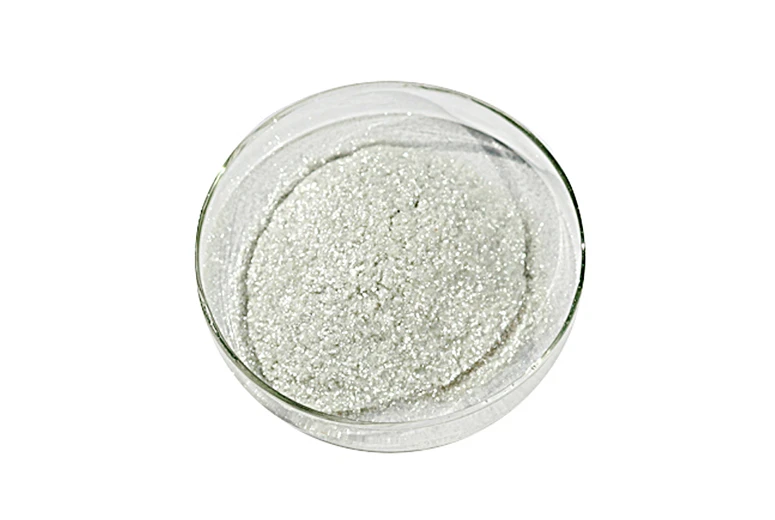
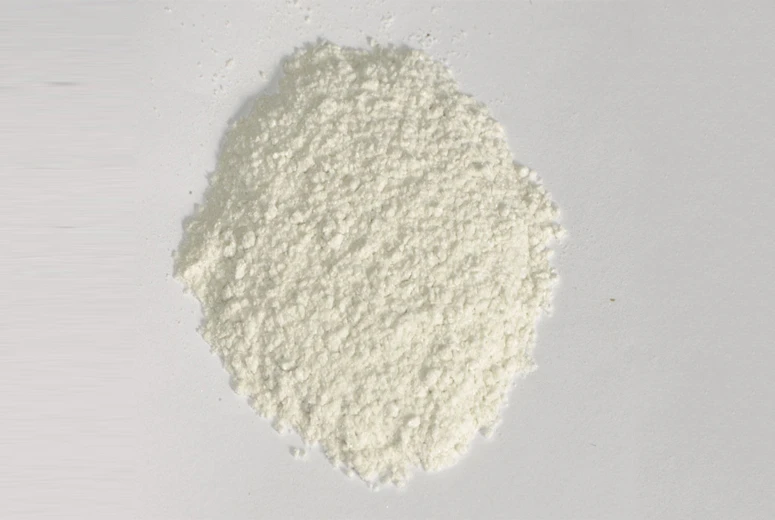
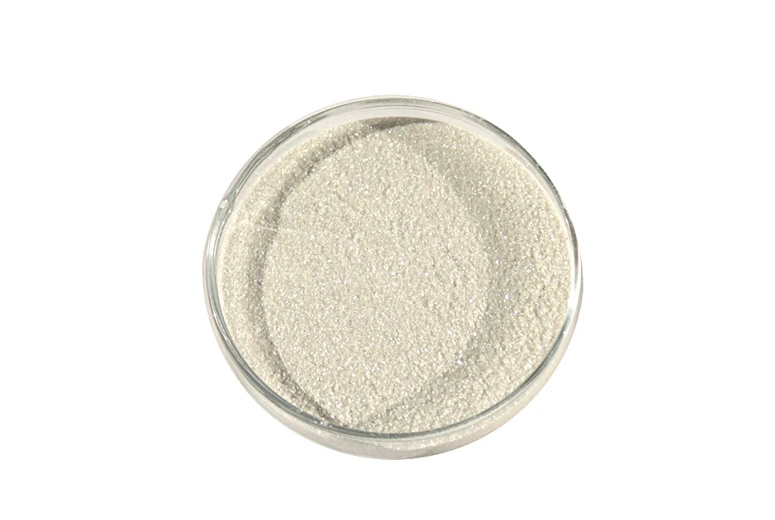
Having spent over a decade dabbling with all kinds of mineral powders—mica included—I can tell you right off the bat: mica powder generally does not stain skin. But, as with many things in the industrial and cosmetic worlds, the details matter. I remember the first time I got a handful of raw mica dust during a late-night shift. My hands looked a bit sparkly and dirty, sure, but staining? Not really. It rinsed off pretty clean.
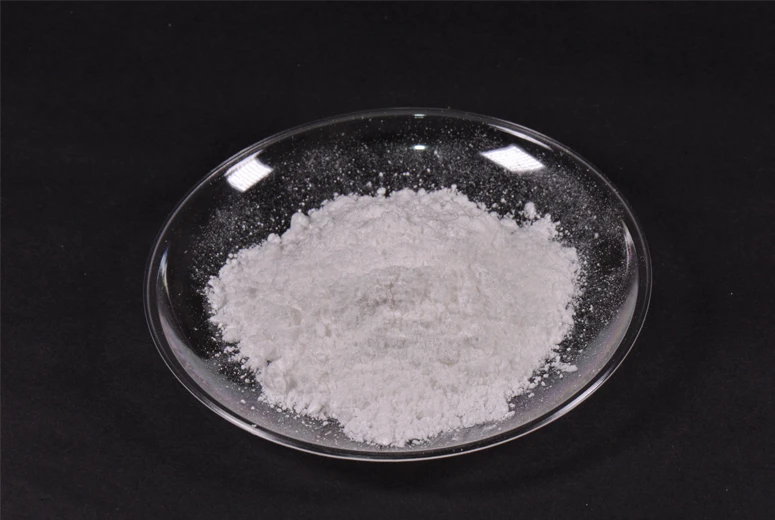
In real terms, mica is a hydrated potassium aluminum silicate—a naturally occurring mineral renowned for its shimmering qualities. Unlike iron oxides or some pigment powders, mica’s fine shimmer particles don’t embed into skin in a way that causes lasting coloration. You’ll usually get a light dusting that brushes away after a simple wash.
Still, some of our clients new to mica often voice concern over skin discoloration, especially when mica is mixed with dyes or other pigments. That’s a fair worry. Usually, any staining isn't from the mica powder itself, but from additives or impurities in lesser-quality products. So, purity and grade make a big difference.
How Industrial Mica Powder is Tested and Used
One of the things we take seriously in industrial applications is consistency and safety. This means suppliers run mica through rigorous testing—particle size analysis, chemical composition verification, moisture content checks—to ensure it performs well without unwanted residues.
Mica is prized not just for its sparkle but for its heat resistance, electrical insulation, and inertness. So whether it ends up in cosmetics, paints, or automotive parts, it’s the kind of product where contamination or staining potential is carefully controlled.
From a usage perspective, many engineers and technicians appreciate mica’s ability to stay put in blends without bleeding color. That property means it’s less likely to “stain” anything beyond the intended substrate. Even so, when working with mica, wearing gloves isn’t bad practice—both to keep hands clean and avoid inadvertent spread of dust to sensitive surfaces.
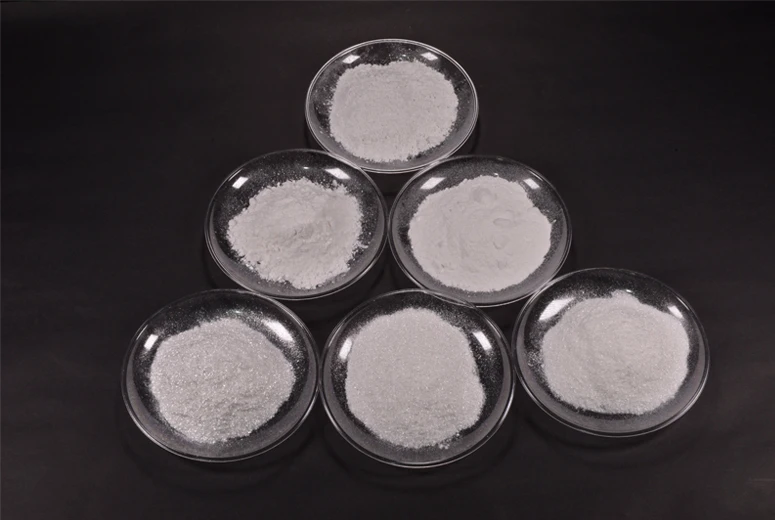
Comparing Popular Mica Powder Products on the Market
| Specification | Industrial Grade | Cosmetic Grade | Special Effects Grade |
|---|---|---|---|
| Particle Size (μm) | 15–40 | 5–20 | 10–30 |
| Purity (%) | >98 | >99.5 | >98 |
| Moisture Content (%) | |||
| Typical Use | Paints, coatings | Cosmetics, personal care | Art, crafts, effects |
Vendor Comparison: Picking the Right Mica Supplier
| Feature | HJMica | Generic Mica Supplier | Local Miner Company |
|---|---|---|---|
| Product Range | Wide, including specialty grades | Basic industrial grades | Limited to raw mica |
| Quality Control | Strict ISO standards | Variable | Basic testing only |
| Pricing | Competitive | Lowest | Mid-range |
| Customer Service | Responsive, knowledgeable | Limited support | Hands-on but slow |
Oddly enough, even experienced users have mixed feelings about mica powder. Some swear by the ease of cleanup and the non-staining nature, while others are wary if purity isn’t guaranteed. In my years, I’ve noticed the cleanest experience comes with high-quality, well-processed mica. So that little tip: go for trusted vendors like mica powder suppliers who emphasize lab control.
As a small anecdote, a client in the automotive sealant industry told me their workers appreciated mica’s "friendly" nature on skin—it didn’t leave that grimy, hard-to-clean feel that other mineral fillers sometimes present. That made post-shift cleanup easier and boosted morale, oddly enough.
To sum things up, mica powder’s staining on skin? It’s minimal to nonexistent if you’re using the right grade. Just remember: your mileage may vary with cheaper, contaminated, or dyed powders. Gloves help, but mostly you’re dealing with a friendly mineral that’s as forgiving as it is sparkly.
Keep that in mind when choosing mica for your next batch. And hey, if you want a place to start, mica powder suppliers like HJMica tend to win in quality and customer trust.
References & Thoughts
- Industry mineral handling guidelines, 2023
- Quality control reports from major mica vendors
- Personal interviews with manufacturing staff and users
-
Ultimate Guide to Using High Quality Pearl Paint Pigment for LusterNewsApr.16,2026
-
Elevating Automotive Aesthetics with Mica Powder Car PaintNewsApr.09,2026
-
Unlock Stunning Effects with Mica Powder for Paint ApplicationsNewsApr.07,2026
-
Comprehensive Guide to Mica Dye Powder Applications and BenefitsNewsApr.04,2026
-
Unlocking the Brilliance of Mica Pigment Paint for Diverse ApplicationsNewsMar.31,2026
-
Enhancing Concrete Performance with Durable Mica Chips for Concrete ApplicationsNewsMar.28,2026