
Can I Use Mica Powder in Soap? Benefits and Safety Explained
Can I Use mica powder in Soap?
Working in industrial materials for more than a decade, I've seen a wide range of additives make their way into products you might not expect — like mica powder in soap. At first glance, it might feel a bit odd. After all, mica is known for its shimmering effect in cosmetics, paints, and even automotive finishes. But is it safe and effective in soap? Frankly, yes, with some caveats.
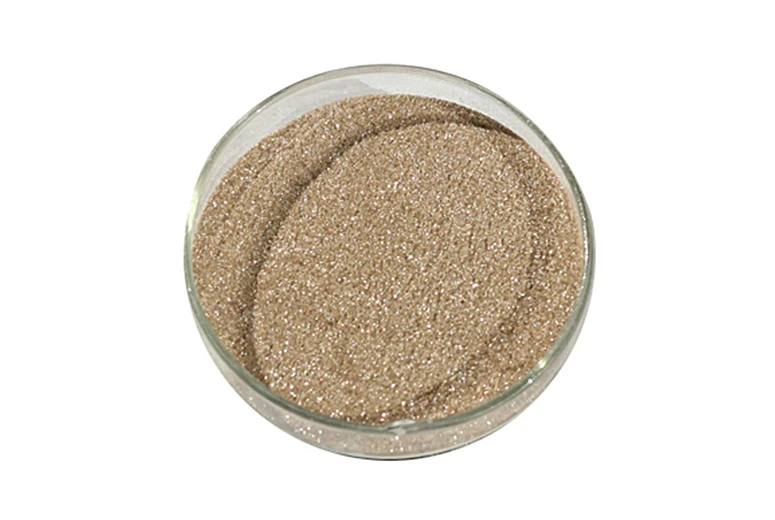
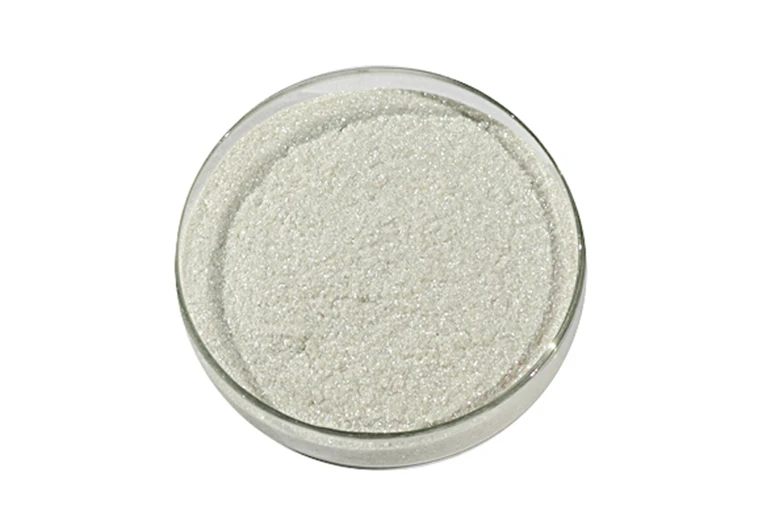
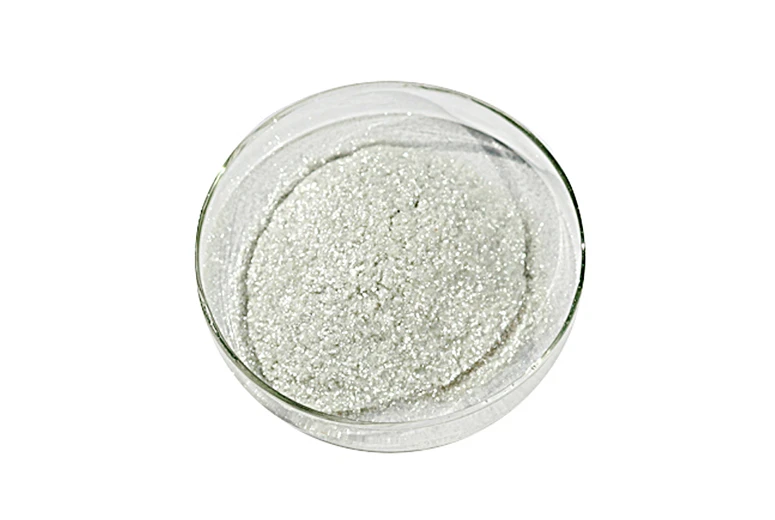
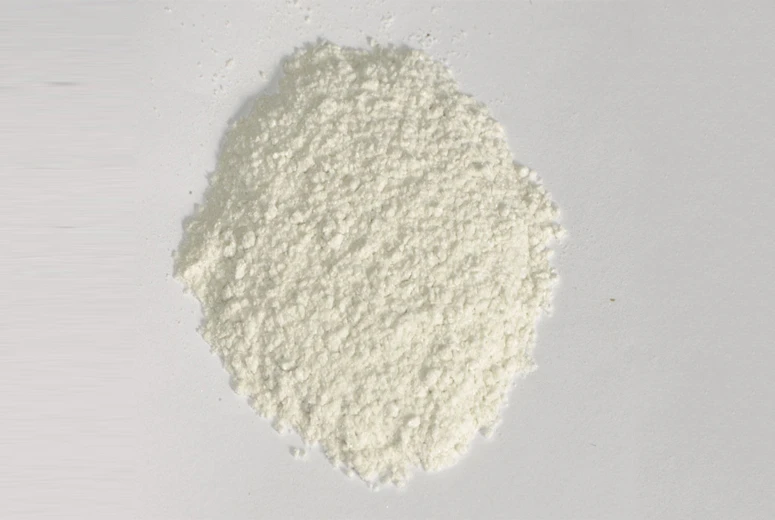
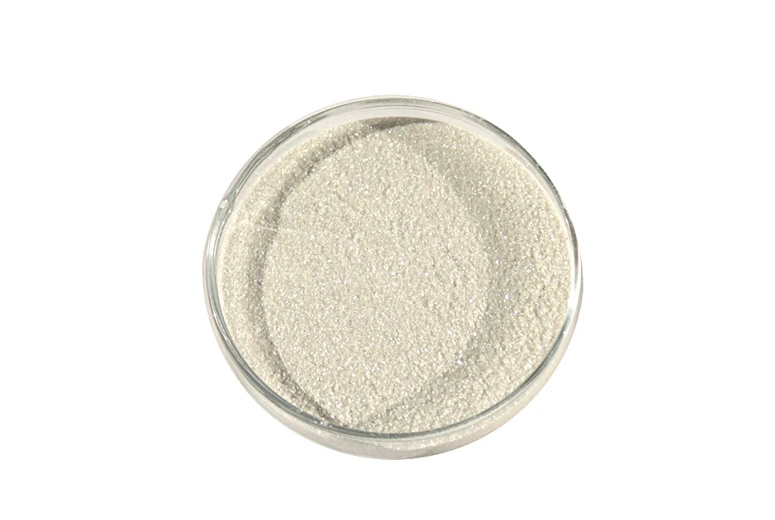
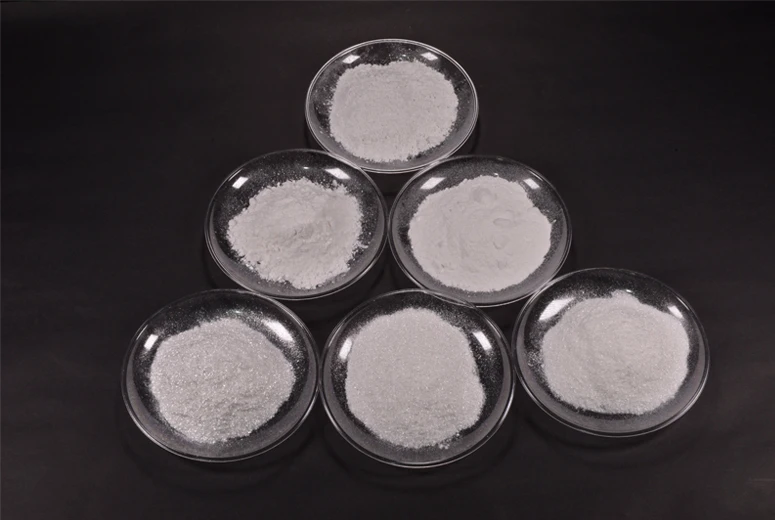
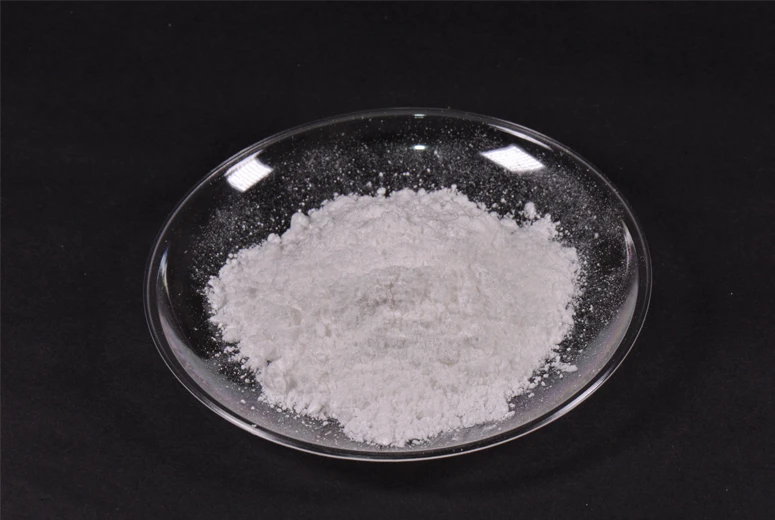
Mica powder is essentially a naturally occurring mineral composed of silicate flakes. When finely milled, it gives off a beautiful sheen, which is why soapmakers love it for adding that subtle sparkle or pearlescent finish. From my experience, this isn’t just about aesthetics; the particle size and purity really matter to ensure skin safety and soap performance.
Oddly enough, many industrial clients initially hesitate, wondering if mineral powders might clog pores or react unpredictably. But soap formulations tolerate high-quality mica powder remarkably well — provided the supplier tests for heavy metals and certifies cosmetic-grade quality. I noticed one artisan soap producer I worked with switched to cosmetic-grade mica from a supplier like H.J. Mica and saw zero issues with skin irritation or uneven coloring.
In real terms, mica powder adds a luxurious texture to the soap without compromising cleansing power. It disperses evenly, particularly in melt-and-pour or cold-process soaps. You do want to keep your particle size generally under 40 microns to avoid a gritty feel — that’s something I always emphasize when advising clients.
Below is a quick spec table outlining typical mica powder characteristics suitable for soap applications:
| Property | Typical Value |
|---|---|
| Particle Size | 10–40 microns |
| Color Range | Natural metallic, colored coated |
| Chemical Composition | Potassium Aluminum Silicate |
| Certifications | Cosmetic-grade, heavy metals tested |
| Moisture Content | < 0.5% |
Now, you might ask how to choose a mica powder supplier when there’s quite a few on the market. From my years consulting with manufacturers — ranging from industrial scale to boutique craft makers — quality, consistency, certification, and cost are the key pillars to review.
Here’s a simple vendor comparison chart I usually prepare for clients:
| Supplier | Particle Size Range | Cosmetic Grade? | Heavy Metals Tested | Average Price/ kg |
|---|---|---|---|---|
| H.J. Mica | 10–40 microns | Yes | Certified | $40–$50 |
| Generic Supplier A | 20–60 microns | Partial | No testing | $25–$35 |
| Craft Glitter Co. | 5–50 microns | Yes | Tested | $55–$65 |
One soap maker I recently chatted with told me that switching to a trusted mica supplier gave their products a much cleaner, more uniform shimmer. It also eliminated customer complaints about “gritty” textures. Their secret? Stricter particle size control and heavy metals certification, which frankly, you don’t always get when going the cheapest route.
So, can you use mica powder in soap? I’d say yes, if you prioritize quality and test your final formulations. It feels like a small addition, but it lifts the entire product experience — that visual pop that makes customers pause and say, “Hey, this soap’s special.” That’s not a small win in today’s saturated market.
Also, remember that mica is inert and stable in typical soap pH values, but always do your own batch testing. Every formulation has its quirks, and I’ve seen even seasoned soapmakers learn surprises the hard way.
At the end of the day, mica powder is a versatile industrial mineral that safely crosses into cosmetic uses — from pigments to shimmering finishes — when sourced and used responsibly.
So, for those considering adding a bit of sparkle to your bar soap, mica powder might just be your new best friend.
Summary: Mica powder enhances soap with shimmer, requires proper particle size and cosmetic certification, and benefits greatly from trusted suppliers.
References
- "Cosmetic Ingredient Review on Mica" – CIR, 2020
- "Industrial Minerals & Mica Powders Guide" – H.J. Mica Technical Sheets
- "Best Practices in Soap Making" – SoapCraft Monthly, 2023
-
Ultimate Guide to Using High Quality Pearl Paint Pigment for LusterNewsApr.16,2026
-
Elevating Automotive Aesthetics with Mica Powder Car PaintNewsApr.09,2026
-
Unlock Stunning Effects with Mica Powder for Paint ApplicationsNewsApr.07,2026
-
Comprehensive Guide to Mica Dye Powder Applications and BenefitsNewsApr.04,2026
-
Unlocking the Brilliance of Mica Pigment Paint for Diverse ApplicationsNewsMar.31,2026
-
Enhancing Concrete Performance with Durable Mica Chips for Concrete ApplicationsNewsMar.28,2026