
Calcined Mica: High Purity, Heat-Resistant & Insulating
Introduction to Calcined Mica and Industry Trends
In the dynamic landscape of industrial minerals, calcined mica stands out as a high-performance functional filler, critical to a myriad of advanced applications. Distinguished by its unique lamellar structure and exceptional thermal stability, calcined mica undergoes a specialized heat treatment process that fundamentally alters its physical and chemical properties, enhancing its utility across various sectors. This strategic modification makes it an indispensable component in demanding environments where conventional fillers often fall short.
The global market for calcined mica is experiencing robust growth, driven by an escalating demand for high-performance materials in industries such as coatings, polymers, automotive, and construction. Key industry trends indicate a significant push towards materials that offer superior barrier properties, improved mechanical strength, enhanced fire resistance, and greater aesthetic appeal. Regulatory pressures for sustainable and non-toxic additives also contribute to the increasing adoption of calcined mica, particularly in applications requiring a low environmental footprint and high safety standards. The trend towards lightweighting in automotive and aerospace, coupled with the need for extended service life in infrastructure projects, further amplifies its demand. Manufacturers are increasingly seeking custom-grade calcined mica powder that can be tailored to specific application requirements, ensuring optimal performance and cost-effectiveness. This evolution underscores the material’s versatility and its pivotal role in next-generation material science.
The Advanced Manufacturing Process of Calcined Mica
The production of calcined mica involves a meticulously controlled multi-stage process designed to purify the raw mineral and impart enhanced functional properties. This intricate manufacturing flow ensures the consistent quality and performance demanded by advanced industrial applications.
Process Flow:
- Raw Material Sourcing & Selection: High-quality muscovite or phlogopite mica ore is carefully selected from reliable mines. Emphasis is placed on purity, crystal structure, and minimal contaminants to ensure a premium final product.
- Crushing & Grinding: The raw mica ore undergoes primary crushing, followed by multi-stage grinding processes. This typically involves hammer mills, roller mills, or jet mills to achieve the desired particle size reduction. The goal is to produce fine mica flakes while preserving their inherent lamellar structure.
- Washing & Beneficiation: To remove impurities such as quartz, feldspar, and clay minerals, the ground mica is subjected to advanced washing and beneficiation techniques. These may include flotation or gravity separation, enhancing the purity of the mica concentrate.
- Calcination: This is the critical step where the mica concentrate is subjected to controlled high-temperature heating, typically ranging from 800°C to 1200°C, in specialized rotary or fluidized bed furnaces. During calcination, volatile components (such as water of hydration) are driven off. This process significantly improves the mica's whiteness, thermal stability, opacity, and electrical insulation properties without altering its fundamental lamellar structure. The precise temperature and duration are crucial and vary depending on the desired end-product characteristics.
- Cooling & Pulverization: After calcination, the material is rapidly cooled to prevent rehydration and maintain its calcined state. It is then further pulverized using advanced grinding equipment to achieve specific particle size distributions (e.g., fine calcined mica powder) tailored for various applications.
- Classification & Sieving: Precision air classification and sieving technologies are employed to achieve narrow particle size distributions and remove any oversized or undersized particles, ensuring uniformity and consistency in the final product.
- Quality Control & Packaging: Throughout the entire process, rigorous quality control checks are performed, adhering to international standards such as ASTM D294, ISO 3262, and relevant industry specifications. This includes testing for chemical composition, particle size, whiteness, specific gravity, and bulk density. The finished calcined mica is then packaged in moisture-resistant bags or bulk container111s, ready for shipment.
This meticulous process ensures that the resulting calcined mica delivers enhanced performance characteristics, making it suitable for demanding applications in target industries like paints and coatings (for energy saving and corrosion resistance), plastics and rubber (for enhanced mechanical strength and dimensional stability), and construction materials (for improved fire resistance and insulation). The service life of products incorporating calcined mica is significantly extended due to its inherent durability and protective qualities.
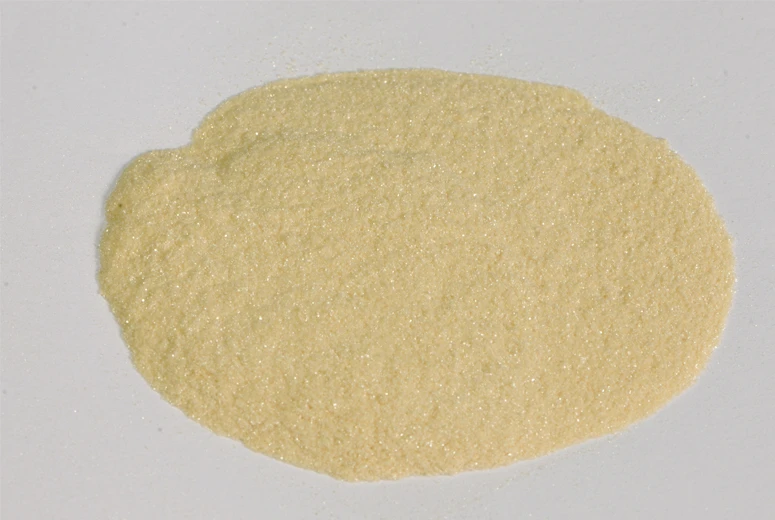
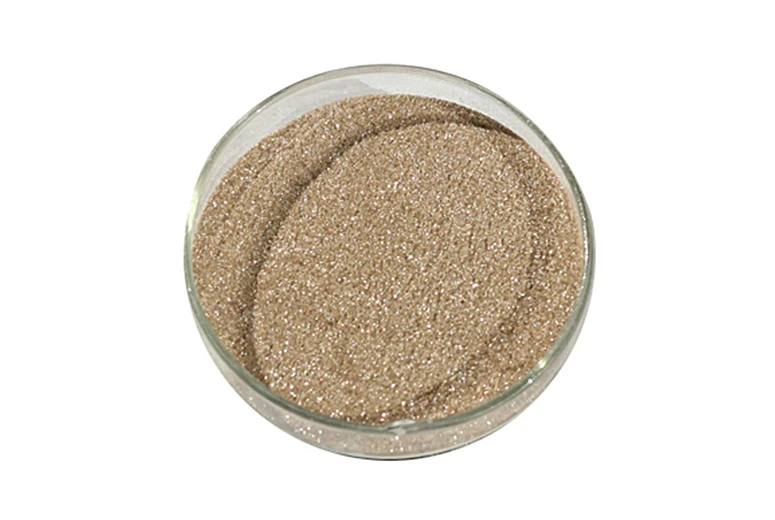
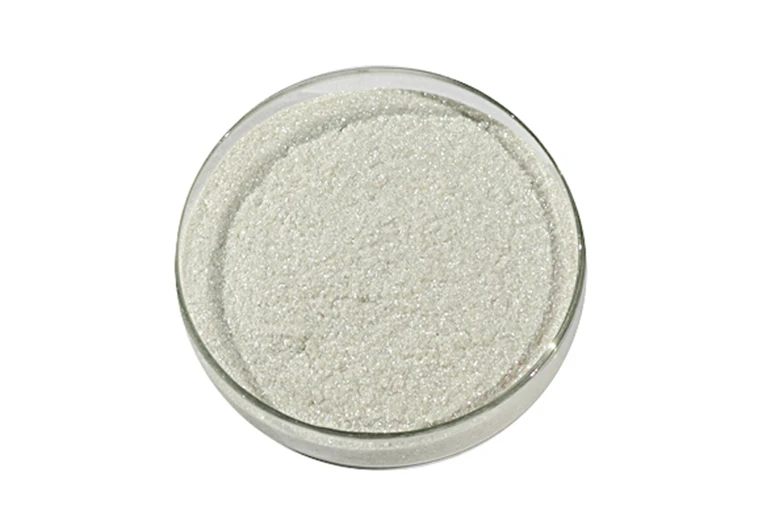
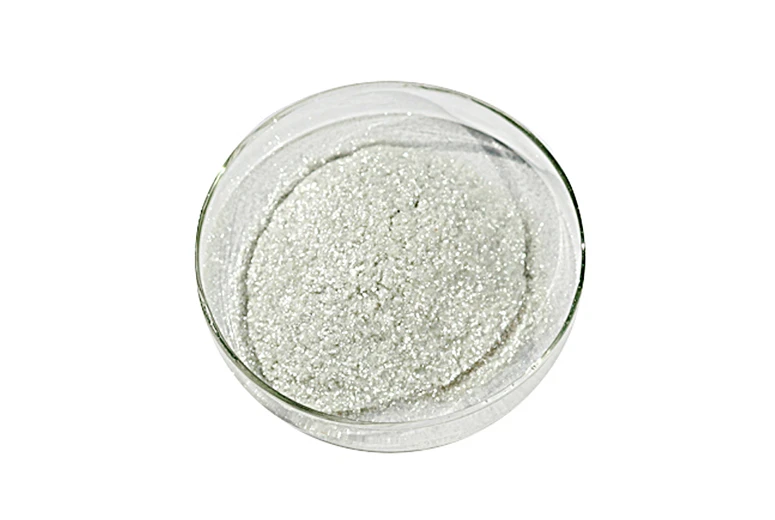
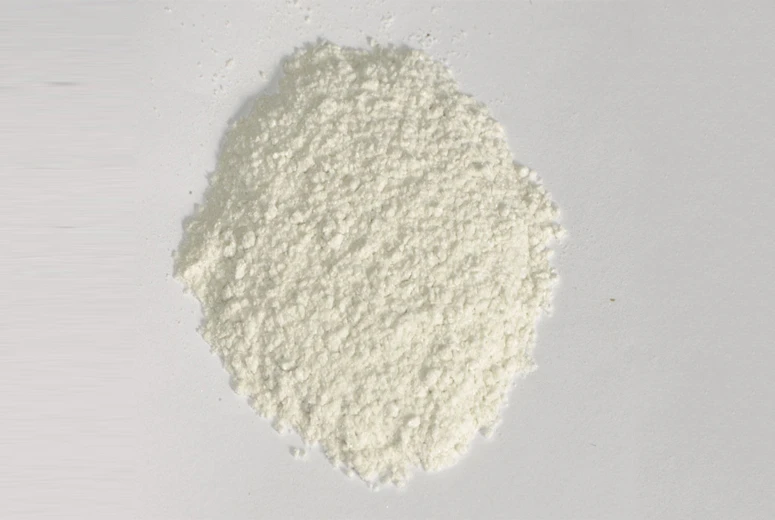
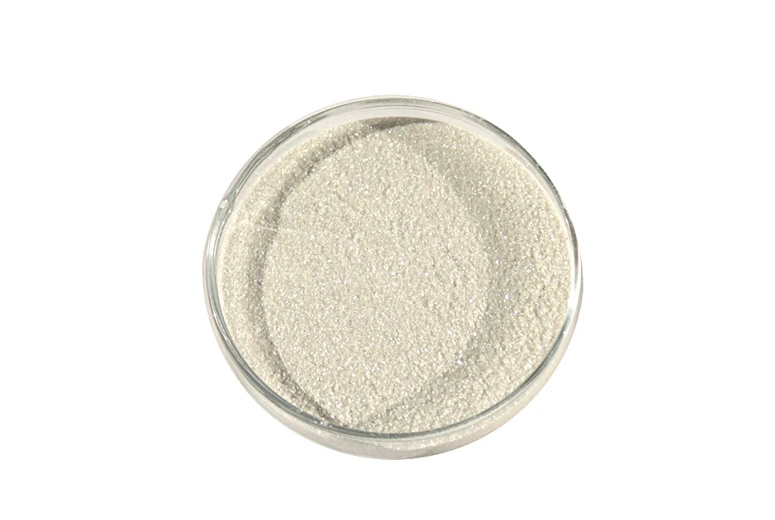
Image: Calcined Mica Powder - Essential for High-Performance Formulations
Technical Specifications: Calcined Mica F-60
Our Calcined Mica F-60 represents a premium-grade product engineered for superior performance across diverse industrial applications. This product is characterized by its precise particle size distribution, exceptional whiteness, and enhanced thermal stability, making it ideal for formulations requiring stringent technical parameters.
Product Specification Table: Calcined Mica F-60
Note: Specific values may vary slightly between production batches. Detailed certificates of analysis are available upon request.
Key Application Scenarios and Calcined Mica Uses
The unique properties of calcined mica powder, including its platy structure, thermal stability, chemical inertness, and reinforcing capabilities, make it an invaluable additive across a broad spectrum of industrial applications. Its versatility allows for significant performance enhancements in numerous end-products.
- Paints and Coatings: Calcined mica is extensively used in high-performance coatings, including anti-corrosive primers, marine paints, intumescent fire-retardant coatings, and architectural finishes. It enhances barrier properties against moisture and gases, improves adhesion, reduces cracking and blistering, and provides UV protection. Its platy structure helps to reinforce the film, reducing chalking and erosion, thus extending the service life of coated surfaces in harsh environments. This contributes significantly to energy saving through improved durability.
- Plastics and Polymers: As a functional filler in thermoplastics and thermosets, calcined mica improves dimensional stability, flexural modulus, heat deflection temperature (HDT), and tensile strength. It helps reduce warpage, enhances electrical insulation properties, and serves as an effective nucleating agent in semi-crystalline polymers. Applications include automotive parts, electrical components, and engineering plastics where enhanced mechanical and thermal performance is critical.
- Rubber and Elastomers: In rubber compounds, calcined mica acts as a reinforcing filler, improving stiffness, tear strength, and abrasion resistance. It also aids in mold release and reduces shrinkage, making it valuable in products like tires, conveyor belts, and seals.
- Construction Materials: In cementitious products, gypsum boards, and roof coatings, calcined mica enhances fire resistance, improves sound insulation, and provides dimensional stability. Its barrier properties also contribute to improved weather resistance and durability in external applications.
- Adhesives and Sealants: The addition of calcined mica can improve the viscosity, thixotropy, and mechanical strength of various adhesive and sealant formulations, enhancing their bonding performance and durability.
- Automotive Industry: Beyond plastic parts, calcined mica is utilized in underbody coatings for corrosion protection, sound dampening materials to improve cabin acoustics, and brake linings where its thermal stability and friction-modifying properties are beneficial.
These diverse applications underscore the versatility and critical role of calcined mica in enabling performance breakthroughs and extending the operational lifespan of numerous industrial products.
Technical Advantages of Calcined Mica
The calcination process imparts a distinct set of technical advantages to mica, differentiating it from raw or wet-ground mica. These enhancements are crucial for achieving superior product performance in challenging industrial environments.
- Enhanced Thermal Stability: The removal of interlayer water during calcination significantly increases the mineral's thermal resistance, allowing it to withstand temperatures up to 1000°C without degradation. This makes calcined mica ideal for high-temperature applications.
- Superior Chemical Inertness: Calcined mica exhibits exceptional resistance to chemical attack from acids, alkalis, and solvents. This inertness ensures long-term stability and compatibility within various chemical systems, crucial for corrosion resistance in coatings and chemical processing equipment.
- High Aspect Ratio & Reinforcement: The platy, lamellar structure of calcined mica, maintained even after calcination and fine grinding, provides a high aspect ratio. This structure acts as a physical barrier and reinforcing agent, significantly improving mechanical properties like flexural strength, stiffness, and impact resistance in polymers and composites.
- Excellent Barrier Properties: The overlapping plate-like particles of calcined mica powder create a tortuous path for gases and moisture, substantially enhancing barrier properties in coatings and films. This reduces permeability, preventing corrosion and degradation, and extending product lifespan.
- Enhanced Electrical Insulation: Calcined mica possesses excellent dielectric strength and low electrical conductivity, making it an effective insulating filler in electrical and electronic components, protecting against short circuits and improving device reliability.
- Improved Whiteness and Opacity: The calcination process removes organic impurities and reduces iron content, resulting in a whiter, brighter product. This makes it a preferred choice for light-colored paints, plastics, and cosmetic applications where aesthetic appeal is paramount.
- Reduced Warpage and Shrinkage: In polymer compounds, the incorporation of calcined mica helps to stabilize dimensional characteristics, minimizing warpage and shrinkage during molding and cooling processes.
- Anti-settling and Pigment Extender: In liquid formulations like paints, calcined mica's platy structure helps suspend pigments and fillers, preventing hard settling and acting as an effective pigment extender, thereby improving cost-efficiency.
Vendor Comparison and Customized Solutions
Choosing the right supplier for calcined mica is paramount for ensuring consistent product quality and meeting specific application requirements. Factors such as purity, particle size distribution, and technical support can significantly impact the final performance of your products.
Key Considerations for Vendor Comparison:
Beyond standard offerings, the ability to provide customized solutions is a key differentiator. Recognizing that off-the-shelf products may not always meet the precise demands of specialized applications, we offer tailored formulations of calcined mica powder.
Customization Options Include:
- Particle Size Engineering: Precise control over median particle size (d50) and top cut (d97) to optimize flow, dispersion, and film thickness for coatings or mechanical reinforcement in polymers.
- Surface Treatment: Application of silane coupling agents or other surface modifiers to enhance compatibility and adhesion with specific polymer matrices or resin systems, leading to superior composite performance.
- Purity Levels: Offering grades with ultra-low iron oxide or other trace element content for highly sensitive electrical or optical applications.
- Whiteness and Brightness: Tailoring specific whiteness levels for aesthetic-driven applications in paints, cosmetics, and plastics.
Our technical team works closely with clients to understand their specific challenges and develop a calcined mica solution that delivers optimal performance and value, demonstrating a commitment to partnership and innovation.
Application Case Studies
Real-world applications demonstrate the tangible benefits of incorporating calcined mica into diverse industrial products. These case studies highlight how its unique properties translate into significant performance improvements and extended product lifespans.
Case Study 1: Enhanced Corrosion Resistance in Marine Coatings
A leading marine coating manufacturer sought to improve the long-term corrosion resistance and durability of their epoxy-based topcoats for offshore platforms and shipbuilding. Traditional fillers offered limited barrier protection against saltwater and harsh atmospheric conditions.
- Solution: Our Calcined Mica F-60, with its high aspect ratio and chemical inertness, was incorporated at a concentration of 5% by weight.
- Results: Salt spray testing (ASTM B117) showed a 30% increase in corrosion resistance compared to the control formulation after 2,000 hours. The platy particles created a superior tortuous path for corrosive agents, significantly slowing down their penetration. Field trials confirmed a 25% extension in the coating's service life, leading to reduced maintenance costs and improved operational efficiency for end-users.
- Customer Feedback: "The inclusion of calcined mica dramatically improved the performance of our marine coatings, allowing us to offer a more robust and durable product to our clients, exceeding industry standards."
Case Study 2: Improved Dimensional Stability in Automotive Thermoplastics
An automotive parts supplier faced challenges with warpage and shrinkage in injection-molded polyamide components, leading to high rejection rates and fitment issues. The need was for a filler that could enhance mechanical properties without significantly increasing weight.
- Solution: A specially surface-treated grade of calcined mica powder was introduced into the polyamide 6 (PA6) formulation at a 10% loading. The surface treatment ensured excellent compatibility with the polymer matrix.
- Results: The modified PA6 exhibited a 15% reduction in warpage and a 10% decrease in overall shrinkage, as measured by ISO 294-4. The Heat Deflection Temperature (HDT) increased by 12°C, improving performance in under-the-hood applications. This also contributed to a 10% improvement in flexural modulus, enhancing the structural integrity of the components.
- Customer Feedback: "Our production efficiency improved significantly due to fewer rejected parts. The enhanced dimensional stability provided by calcined mica enabled us to meet the stringent tolerances required by our OEM clients, cementing our reputation for quality."
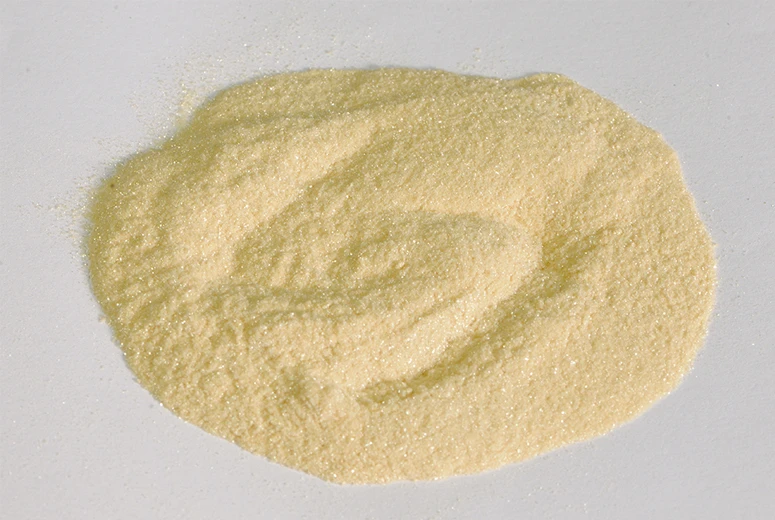
Image: Calcined Mica F-60 in Industrial Application
Trust and Reliability: Partnering with Confidence
Establishing trust and ensuring reliability are paramount in B2B partnerships. We are committed to providing not only superior calcined mica products but also comprehensive support and transparent operational practices to our clients worldwide.
Frequently Asked Questions (FAQ)
-
Q: What is the primary difference between calcined mica and natural mica?
A: Calcined mica undergoes high-temperature heat treatment, which removes volatile components and improves whiteness, thermal stability, and barrier properties compared to natural mica, making it suitable for more demanding applications. -
Q: How does calcined mica powder improve corrosion resistance in coatings?
A: Its platy particles create a tortuous path within the coating film, significantly increasing the diffusion distance for corrosive agents (like water and ions), thereby enhancing barrier protection and extending the coating's lifespan. -
Q: Can calcined mica be customized for specific particle sizes?
A: Yes, we offer extensive customization options for particle size distribution (d50, d97) to meet the precise requirements of various applications, from ultra-fine grades for thin films to coarser grades for structural reinforcement. -
Q: Is calcined mica environmentally friendly?
A: As a naturally derived mineral, calcined mica is inert, non-toxic, and considered an environmentally benign filler. Its use often reduces the need for less sustainable alternatives and contributes to the longevity of products.
Lead Time & Fulfillment
We operate with efficient production and logistics to ensure timely delivery of calcined mica products. Typical lead times range from 2 to 4 weeks for standard orders, depending on volume and destination. Expedited shipping options are available upon request. Our global distribution network ensures reliable and cost-effective delivery to your facilities worldwide. We maintain strategic stock levels to accommodate urgent requirements and ensure supply chain continuity for our partners.
Warranty Commitments
All our calcined mica products are supplied with a guarantee of meeting the specified technical parameters and quality standards outlined in our product data sheets and Certificates of Analysis (CoA). We commit to strict adherence to ISO 9001 quality management systems, ensuring traceability and consistent performance. Any product found not to conform to agreed specifications will be addressed promptly with replacement or credit.
Customer Support and After-Sales Service
Our commitment extends beyond product delivery. A dedicated team of technical support specialists is available to assist with product selection, application development, and troubleshooting. We offer comprehensive after-sales support, including detailed usage guidelines, safety data sheets (SDS), and expert advice to optimize the performance of calcined mica in your specific formulations. Sample requests for testing and evaluation are readily accommodated to facilitate your R&D processes.
Authoritative References & Certifications
Our unwavering commitment to quality, safety, and environmental responsibility is reflected in our adherence to rigorous international standards and long-standing industry expertise. We operate under stringent quality management systems and hold certifications that affirm our dedication to excellence.
- ISO 9001 Certified: Our manufacturing facilities and processes are certified to ISO 9001 standards, ensuring consistent quality management and continuous improvement in the production of calcined mica.
- REACH Compliance: All our products, including calcined mica powder, comply with the European Union's REACH (Registration, Evaluation, Authorisation and Restriction of Chemicals) regulations, affirming our commitment to chemical safety and responsible manufacturing.
- Extensive Industry Experience: With over two decades of specialized experience in mica processing and mineral supply, we have cultivated deep expertise and established ourselves as a trusted partner to numerous global enterprises across diverse sectors.
- Partner Client Network: Our strong relationships with leading manufacturers in the automotive, coatings, plastics, and construction industries attest to the reliability and performance of our products and services.
- Rigorous Testing and Data Analysis: Each batch of calcined mica undergoes extensive testing against international standards (e.g., ASTM, ISO) in our advanced laboratories. Detailed test data and certificates of analysis are provided, ensuring transparency and verifiable product specifications.
These certifications and our operational history underscore our capability to deliver high-quality, compliant products consistently, providing our clients with peace of mind and a reliable supply chain for their critical material needs.
References:
- American Society for Testing and Materials (ASTM). Various standards for mica, e.g., ASTM D294.
- International Organization for Standardization (ISO). ISO 3262: Extenders for paints.
- U.S. Geological Survey (USGS). Mineral Commodity Summaries: Mica.
- European Chemicals Agency (ECHA). REACH Information on Mica.
- Paint & Coating Industry Magazine. Technical articles on functional fillers and mica in coatings.
- Journal of Polymer Science. Research on mica as a reinforcing filler in polymers.
-
Ultimate Guide to Using High Quality Pearl Paint Pigment for LusterNewsApr.16,2026
-
Elevating Automotive Aesthetics with Mica Powder Car PaintNewsApr.09,2026
-
Unlock Stunning Effects with Mica Powder for Paint ApplicationsNewsApr.07,2026
-
Comprehensive Guide to Mica Dye Powder Applications and BenefitsNewsApr.04,2026
-
Unlocking the Brilliance of Mica Pigment Paint for Diverse ApplicationsNewsMar.31,2026
-
Enhancing Concrete Performance with Durable Mica Chips for Concrete ApplicationsNewsMar.28,2026