
A Comprehensive Comparison of Natural Mica vs Synthetic Mica Properties and Applications
Natural Mica vs Synthetic Mica: A Comprehensive Guide
Mica is a naturally occurring mineral known for its excellent dielectric properties, thermal stability, and resistance to chemicals. It finds widespread use in various industries, including cosmetics, paints, electronics, and drilling fluids. However, not all mica is created equal. There’s a key distinction between natural mica and synthetic mica (also known as fluorphlogopite). This article delves into the differences between these two forms, exploring their properties, applications, and the factors to consider when choosing the right type for your needs. Understanding these distinctions is critical for ensuring optimal performance and cost-effectiveness in your applications.
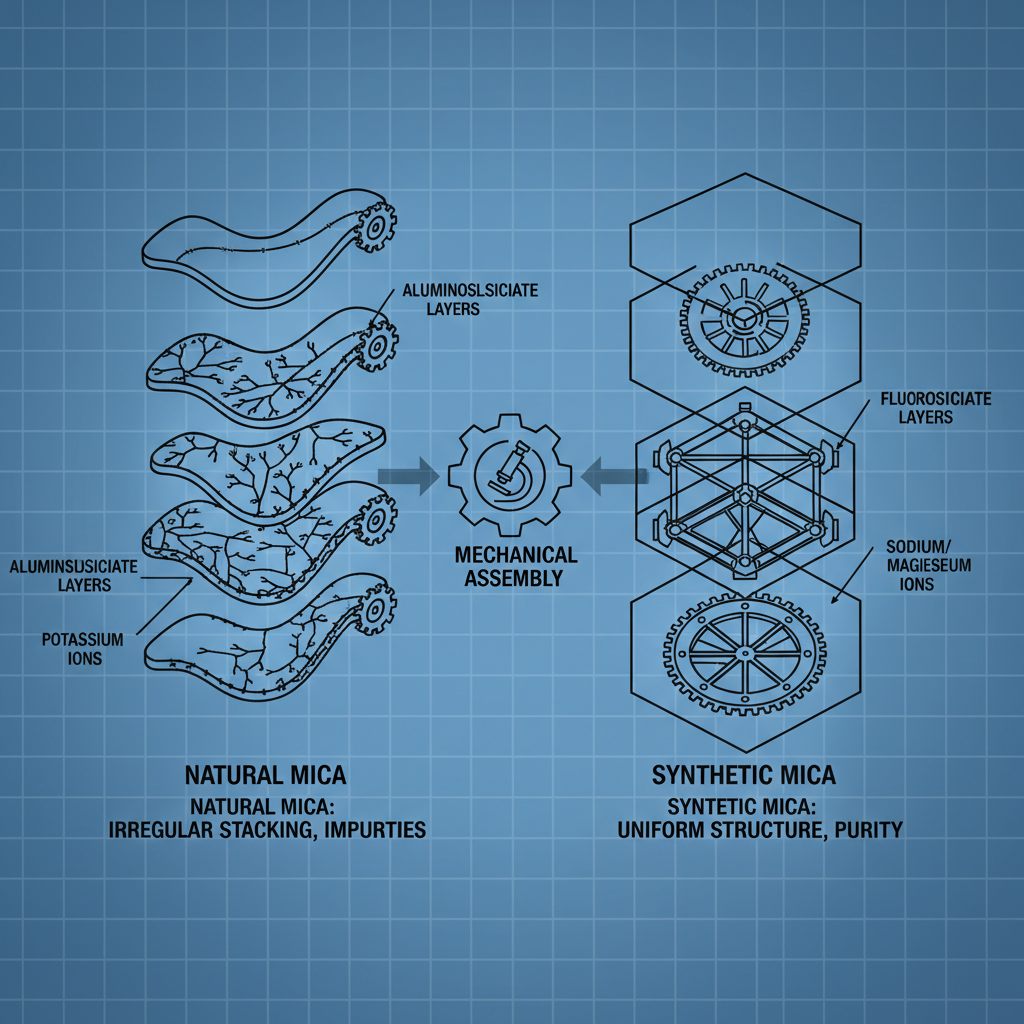
Understanding Natural Mica
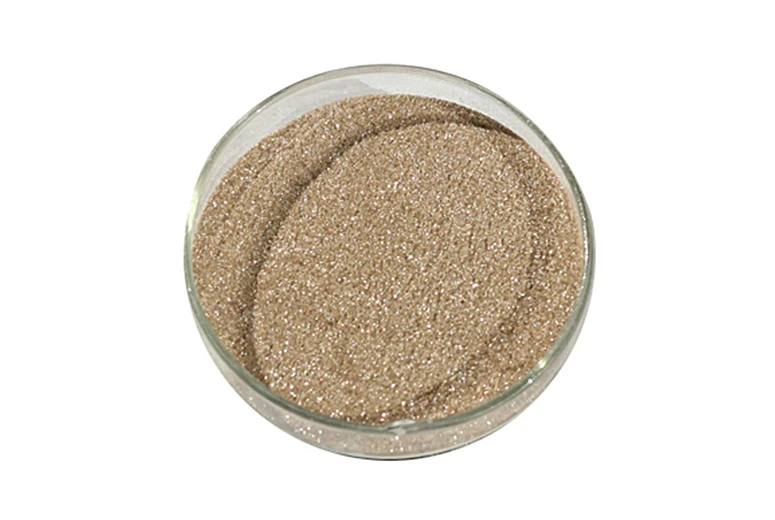
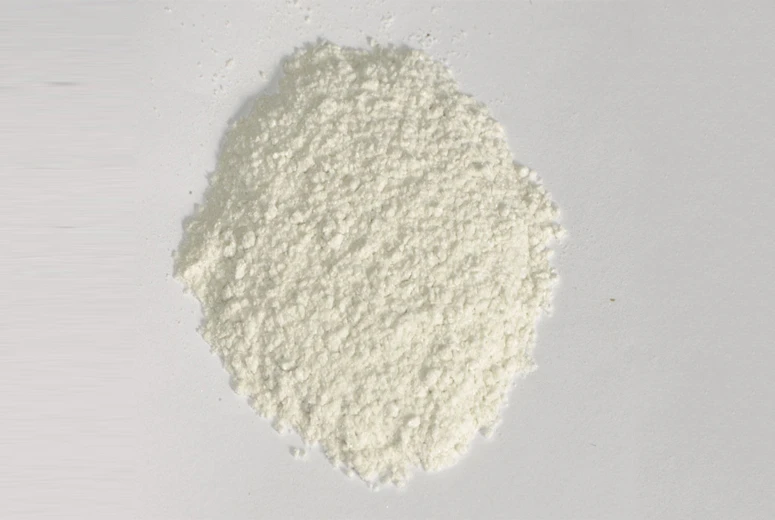
Natural mica is mined from the earth, primarily muscovite and biotite varieties. It’s prized for its inherent brilliance and cleavage, allowing it to be split into thin, transparent sheets. These sheets possess excellent electrical insulation and are naturally fireproof. HJMica sources high-quality natural mica from reliable mines, ensuring consistency and purity. The geological origin of natural mica imparts unique characteristics and subtle variations in composition, which can be both advantageous and disadvantageous depending on the specific application.
Key Features: Excellent dielectric strength, naturally occurring, varying composition, available in different grades based on purity and size.
The Rise of Synthetic Mica
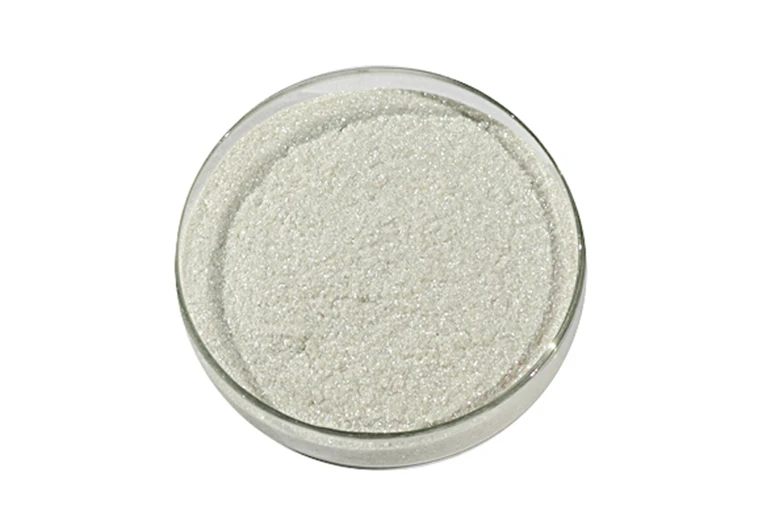
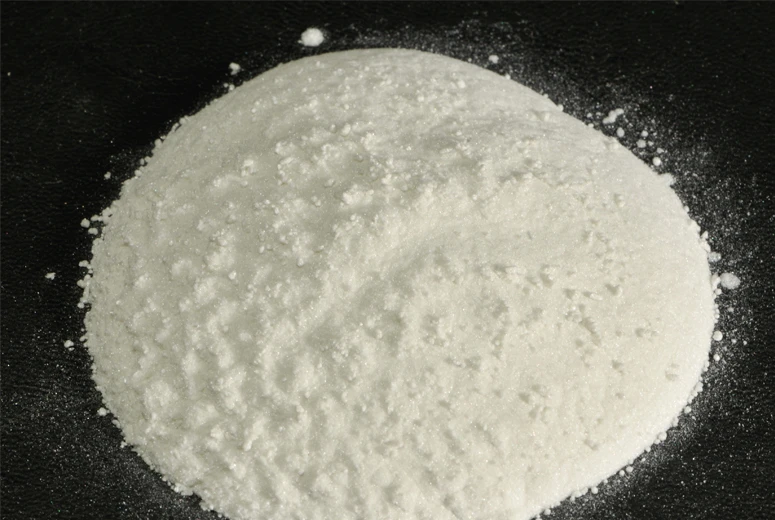
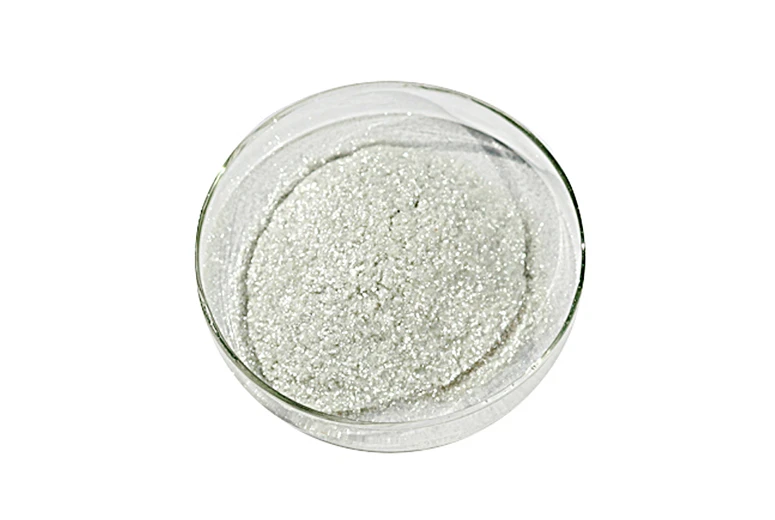
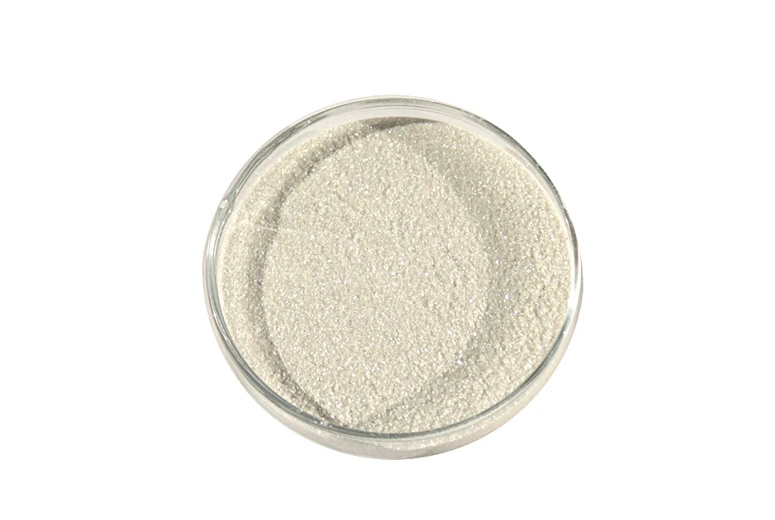
Synthetic mica, or fluorphlogopite, is manufactured in a controlled laboratory environment. This process allows for exceptional purity and consistent particle size distribution. It’s created by melting fluorophlogopite glass, resulting in a product with superior whiteness and reflectivity compared to most natural mica varieties. HJMica provides highly refined synthetic mica, offering tailored solutions for demanding applications. The controlled manufacturing process eliminates the inherent impurities and variability associated with natural mica.
Synthetic Mica Advantages:
• High purity and consistency
• Superior whiteness and reflectivity
• Controlled particle size distribution
• Eliminates the presence of heavy metals
Natural Mica vs Synthetic Mica: A Detailed Comparison
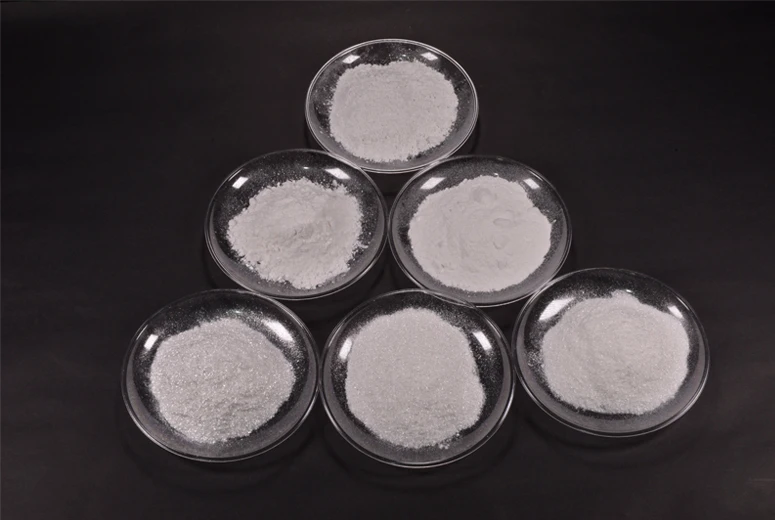
Choosing between natural and synthetic mica depends on the specific requirements of your application. Here’s a detailed comparison:
Applications of Natural and Synthetic Mica
Natural mica finds extensive use in paints, coatings, and construction materials. Its sparkling appearance enhances the aesthetic appeal of these products. Synthetic mica, with its superior purity and reflectivity, is favored in high-performance applications like cosmetics, advanced coatings, and electronics where consistent quality is paramount. Both types play a crucial role in various industries, and the optimal choice depends on the specific performance criteria.
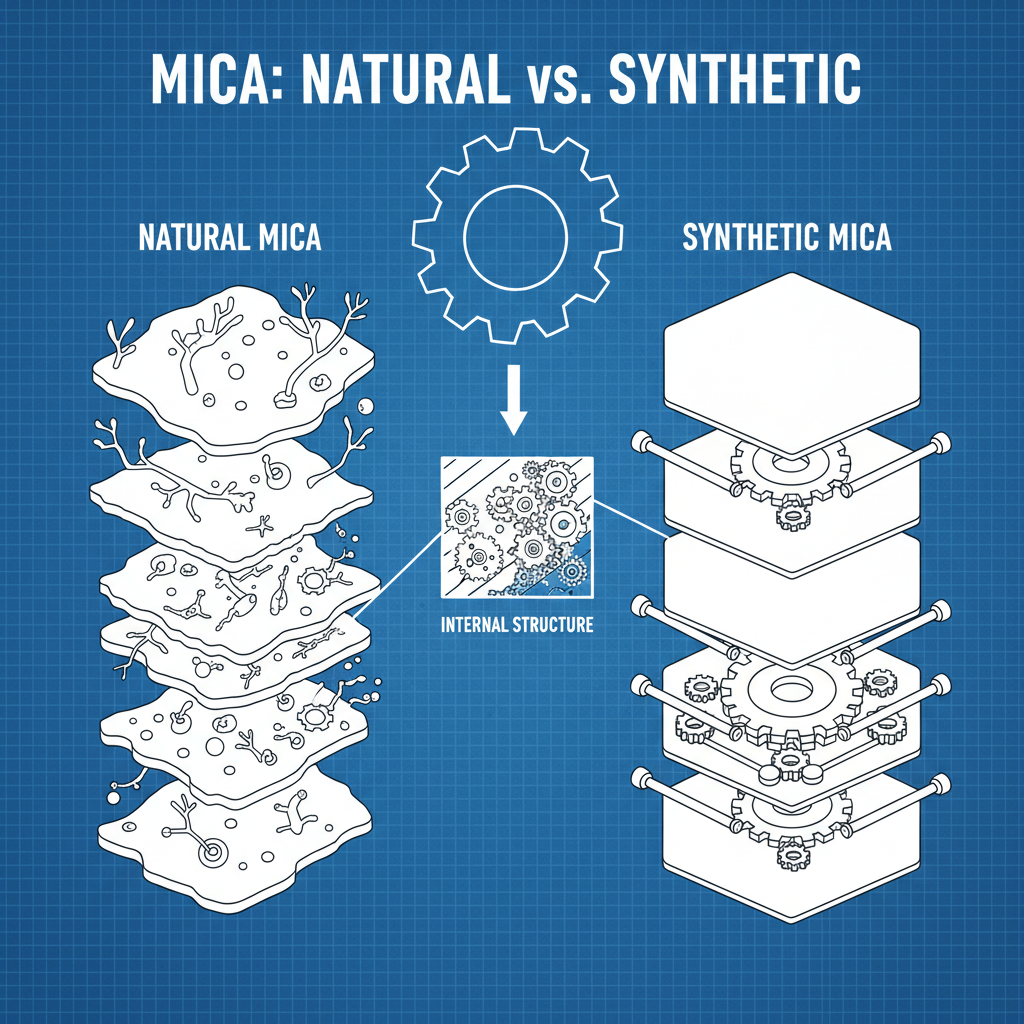
Selecting the Right Mica for Your Needs
When selecting between natural and synthetic mica, consider factors such as required purity, particle size distribution, cost constraints, and desired optical properties. For applications demanding the highest purity and consistency, synthetic mica is the preferred choice. For cost-sensitive applications where minor impurities are acceptable, natural mica may be a suitable alternative. HJMica offers a wide range of both natural and synthetic mica products, backed by expert technical support to help you make the optimal selection.
Conclusion: Choosing the Best Mica for Optimal Results
Ultimately, the choice between natural mica and synthetic mica hinges on your specific application requirements. Understanding the unique properties of each type allows you to make an informed decision, ensuring optimal performance, cost-effectiveness, and product quality.
Frequently Asked Questions (FAQs)
What are the primary applications of synthetic mica?
Synthetic mica, due to its exceptional purity and consistency, is widely used in cosmetics, particularly in foundations, eyeshadows, and lipsticks, to provide a shimmering effect. It’s also a key component in high-performance coatings, electronics (as an insulator), and advanced plastics. Its controlled particle size distribution and superior reflectivity make it ideal for applications requiring precise optical properties and minimal impurities. The absence of heavy metals is also a major advantage in cosmetic applications.
Is natural mica environmentally sustainable?
The sustainability of natural mica mining has been a concern in recent years, with ethical sourcing becoming increasingly important. HJMica is committed to responsible sourcing practices, ensuring that our natural mica is obtained from mines that adhere to ethical labor standards and environmental regulations. Choosing responsibly sourced natural mica supports sustainable mining practices and minimizes environmental impact.
How does particle size affect mica’s performance?
Particle size significantly influences mica's performance in various applications. Finer particles generally enhance optical properties like pearlescence and opacity, making them ideal for cosmetics and coatings. Larger particles are often used as fillers in plastics and construction materials to improve strength and durability. HJMica offers mica in a range of particle sizes to meet specific application requirements.
Can mica be used in high-temperature applications?
Yes, both natural and synthetic mica exhibit excellent thermal stability, making them suitable for high-temperature applications. They are commonly used as electrical insulators in high-temperature equipment and as fillers in heat-resistant materials. Synthetic mica generally has a slightly higher thermal stability than natural mica due to its controlled composition and purity.
-
Ultimate Guide to Using High Quality Pearl Paint Pigment for LusterNewsApr.16,2026
-
Elevating Automotive Aesthetics with Mica Powder Car PaintNewsApr.09,2026
-
Unlock Stunning Effects with Mica Powder for Paint ApplicationsNewsApr.07,2026
-
Comprehensive Guide to Mica Dye Powder Applications and BenefitsNewsApr.04,2026
-
Unlocking the Brilliance of Mica Pigment Paint for Diverse ApplicationsNewsMar.31,2026
-
Enhancing Concrete Performance with Durable Mica Chips for Concrete ApplicationsNewsMar.28,2026