
60-D Muscovite: Best for Heat & Electrical Insulation?
Field Report: What 60-D Muscovite is really doing in coatings, plastics, and beyond
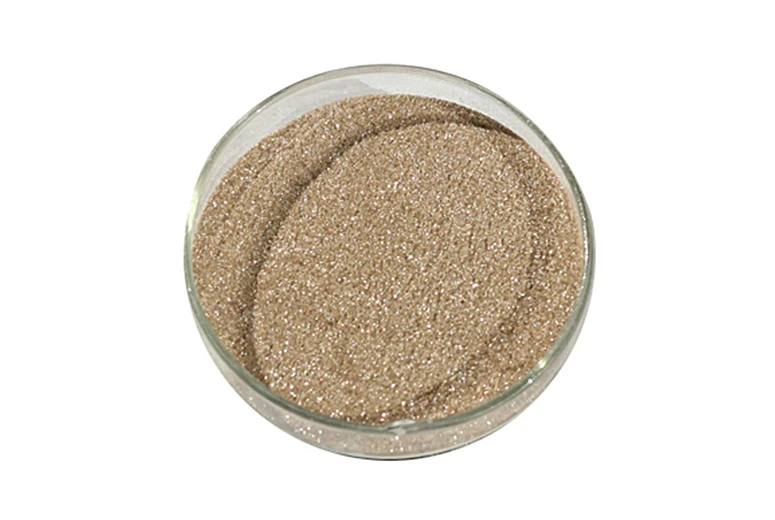
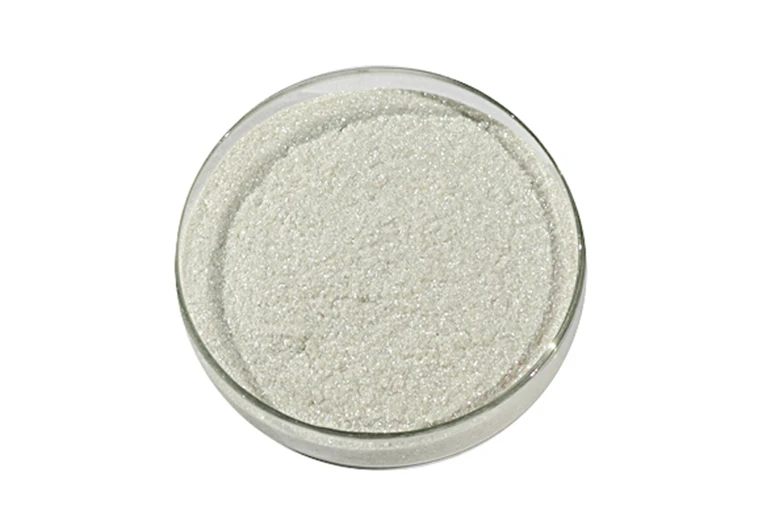
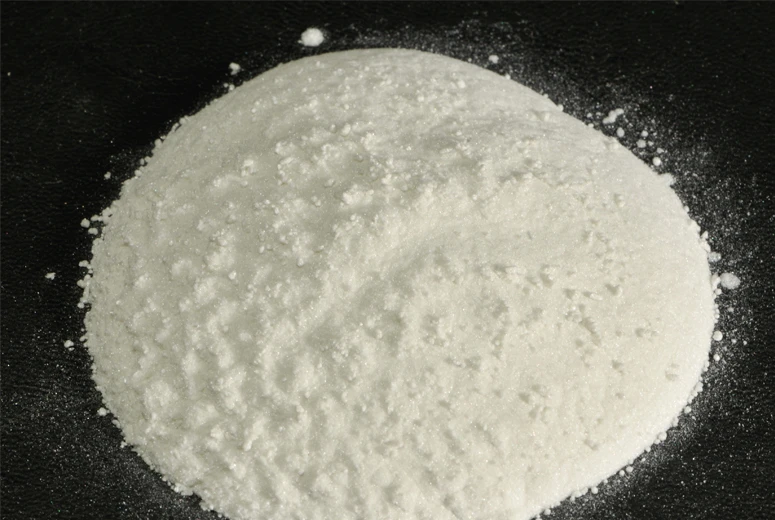
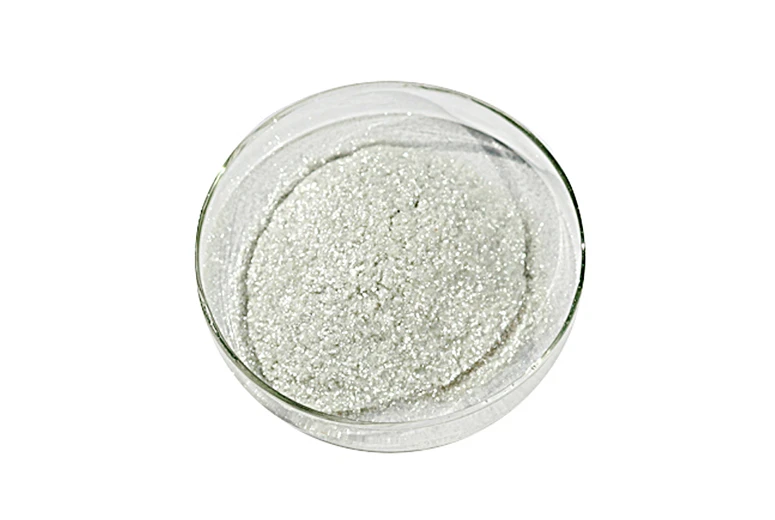
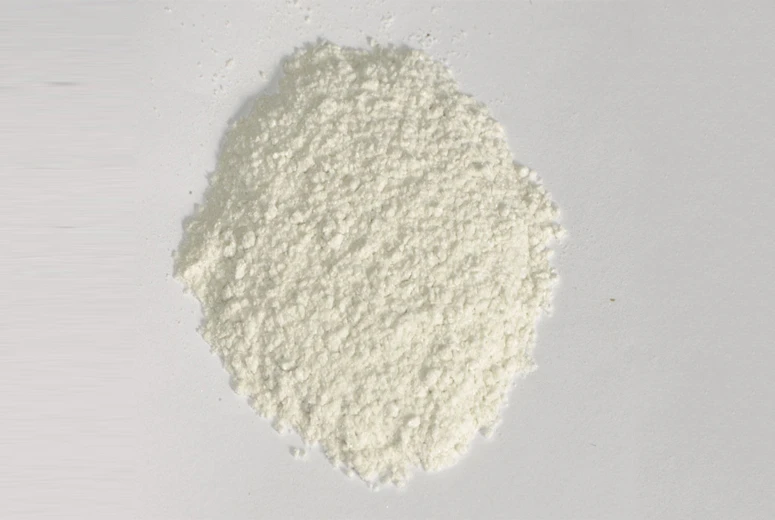
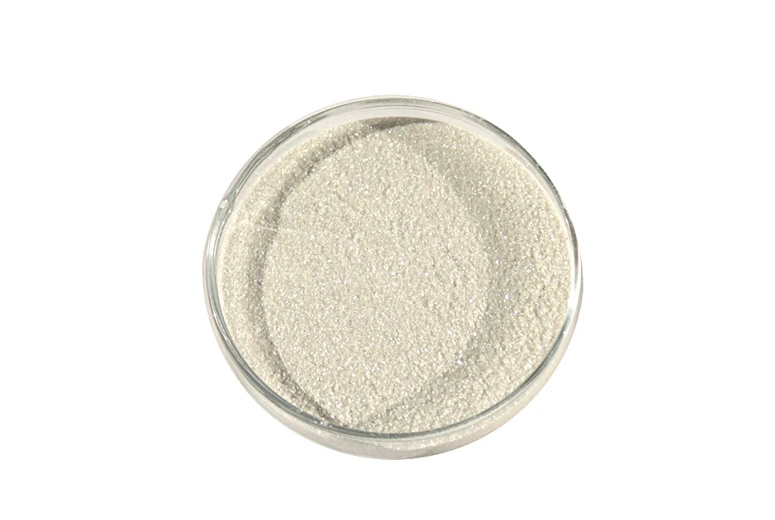
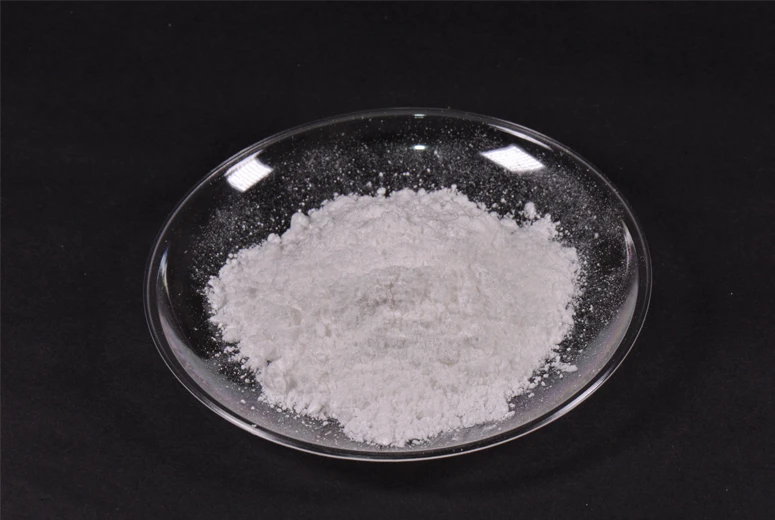
I’ve been walking factory floors long enough to know when a filler is just filler—and when it quietly earns its keep. In Hebei’s Lingshou belt, a non‑Indian, dry‑ground mica grade has been getting more mentions in buyer calls: 60-D Muscovite. It’s mined in Xujiatuan, Ciyu Town, Lingshou County (Shijiazhuang, China), wind‑separated to strip iron and gritty gangue, then milled and classified. No child labor; dust and noise controls meet domestic emission permits—yes, verified—so production scales without the usual environmental headaches.
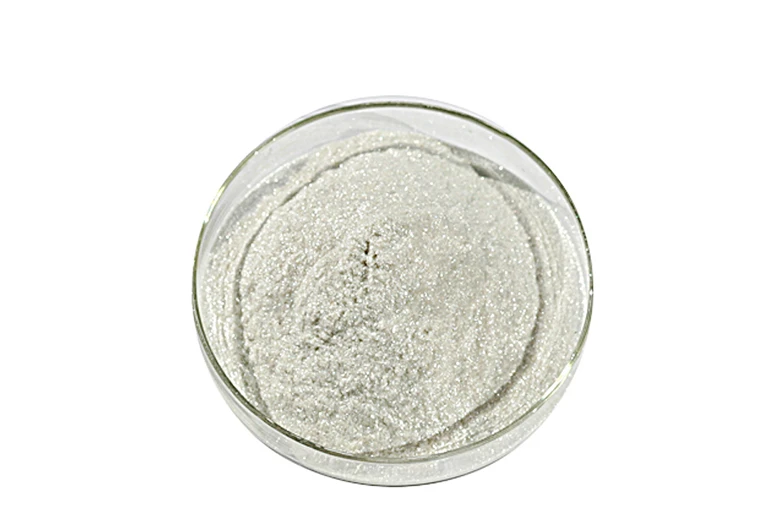
Why it’s trending now
Two things: raw material stability and predictable particle geometry. In anti‑corrosive coatings, plastics compounding, and even welding electrodes, platey muscovite adds barrier effect and dimensional stability. With supply chains jittery, buyers tell me they want “same‑lot, same‑number” repeatability. 60-D Muscovite is positioned exactly there—dry‑ground, modest oil absorption, and low free iron, which is a small detail that matters a lot for color‑sensitive applications.
Typical product specifications (factory QA, ≈ values)
| Parameter | Spec (approx.) | Method/Note |
|---|---|---|
| Grade | 60-D Muscovite (dry‑ground) | Non‑Indian origin |
| Top cut (mesh) | ≈ 60 mesh (≈ 250 μm) | Sieve classification |
| D50 | ≈ 120–180 μm | Laser diffraction (ISO 13320) |
| Whiteness (L) | ≈ 85–90 | Internal method (ISO 2469/2470 prox.) |
| Fe2O3 | ≤ 1.0% | XRF/ICP (ISO 787-14) |
| Moisture | ≤ 0.5% | ISO 787-2 |
| Oil absorption | ≈ 25–35 g/100 g | ISO 787-5 |
| pH (10% slurry) | 7–9 | ISO 787-9 |
| Mohs hardness | ≈ 2–3 | Reference mineral scale |
| Dielectric constant | ≈ 5–7 (1 MHz) | Composite filler context |
Real‑world use may vary with resin, dispersion energy, and surface treatment.
Process flow and QA
- Materials: Muscovite ore from Lingshou deposit, selected for platelet integrity.
- Methods: Wind separation → dry grinding → sieving/classification → magnetic de‑ironing → dedusting.
- Testing standards: ISO 13320 (PSD), ISO 787 series (moisture, pH, oil absorption), ISO 3262‑3 (mica for paints), IEC protocols for dielectric checks in composites.
- Environmental: Dust/noise meet Chinese emission permits; documented sustainability for large‑scale runs.
- Service life: In exterior alkyd/PU anti‑corrosive paints, barrier enhancement can extend film life ≈ 8–12 years, depending on binder and DFT.
- Industries: Marine/industrial coatings, PP/PA compounding, rubber gaskets, drilling fluids, road marking, putties, FRP, welding electrodes.
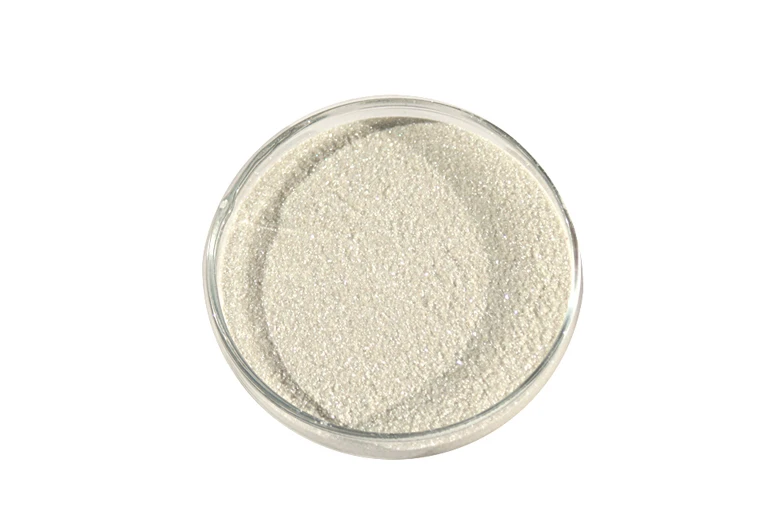
Where it performs best
- Coatings: Platelets stack to create a tortuous path—better salt spray results and fewer pinholes. Many customers say blistering drops noticeably on steel.
- Plastics: In PP housings, 60-D Muscovite lowers warpage vs talc at similar loadings, though to be honest dispersion energy is the make‑or‑break.
- Electrodes and sealants: Thermal stability and low loss factor help under heat; nothing flashy, just reliable.
Vendor comparison (editor’s snapshot)
| Vendor | Origin & Process | Compliance | Customization | Lead time |
|---|---|---|---|---|
| Hebei producer (this 60-D Muscovite) | Lingshou, dry‑ground, wind separation, de‑ironed | Emission permits; no child labor | PSD tuning, silane/titanate treatment | 7–15 days, around |
| Generic regional supplier A | Mixed mines, variable PSD | Basic QC; unclear on permits | Limited options | 10–25 days |
| Trading‑only B | Brokered lots | Depends on source | On request | Variable |
Customization options
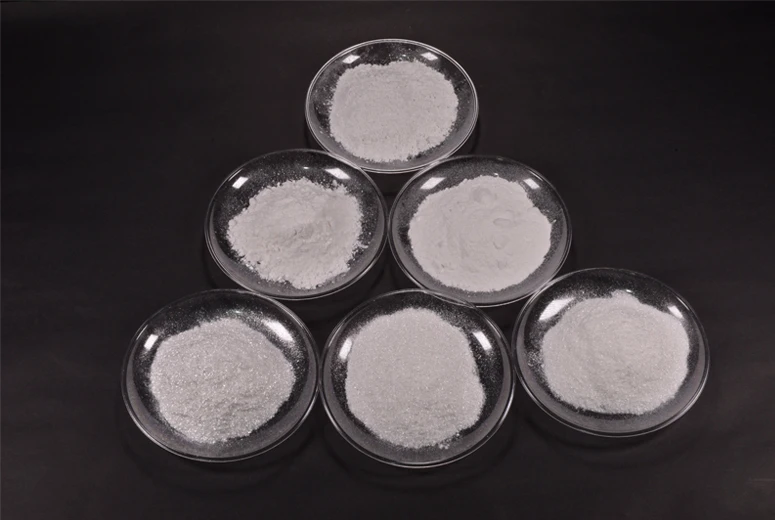
- Particle size: tighter top‑cuts or finer D50 for smoother films.
- Surface treatment: silanes (e.g., amino/epoxy, KH‑550 type) or titanates for PP/PA compatibility.
- Color/brightness selection; low‑iron grades for light coatings.
- Optional calcination (≤ 850°C) for specific dielectric or moisture targets.
- Packaging: 25 kg bags, jumbo bags, palletized—OEM labels available.
Case notes from the field
- Marine primer (epoxy, 35% PVC): replacing 20% of talc with 60-D Muscovite improved 720 h neutral salt spray by ≈ 15% in lab panels; film defects reduced visibly.
- PP appliance housing (20% filler): warp down ≈ 18% vs talc control; Izod impact roughly unchanged when silane‑treated grade used.
- Oilfield mud: rheology became more stable at high shear; sand settling dropped (anecdotal but repeated).
Testing and certifications: Routine QA follows ISO 787 and ISO 13320. For electrical applications using mica‑filled laminates, buyers often benchmark to IEC 60243 (dielectric strength) and IEC 60371 family for mica‑based insulation systems. Also, ISO 3262‑3 covers mica as an extender in paints. It’s not glamorous paperwork, but it keeps procurement out of trouble.
Bottom line: if you need a stable, non‑Indian muscovite with clean de‑ironing, scalable volumes, and straightforward compliance, this Lingshou‑origin 60-D Muscovite is, frankly, the practical choice. Start with your resin, pick a surface treatment, and pilot a dispersion study—small changes in grind energy pay big dividends.
References
- ISO 3262‑3: Extenders for paints — Specifications and methods of test — Part 3: Mica.
- ISO 787 series: General methods of test for pigments and extenders (Parts 2, 5, 9, 14).
- ISO 13320: Particle size analysis — Laser diffraction methods.
- IEC 60243: Electric strength of insulating materials — Test methods.
- USGS Mineral Commodity Summaries: Mica (latest edition available).
-
Ultimate Guide to Using High Quality Pearl Paint Pigment for LusterNewsApr.16,2026
-
Elevating Automotive Aesthetics with Mica Powder Car PaintNewsApr.09,2026
-
Unlock Stunning Effects with Mica Powder for Paint ApplicationsNewsApr.07,2026
-
Comprehensive Guide to Mica Dye Powder Applications and BenefitsNewsApr.04,2026
-
Unlocking the Brilliance of Mica Pigment Paint for Diverse ApplicationsNewsMar.31,2026
-
Enhancing Concrete Performance with Durable Mica Chips for Concrete ApplicationsNewsMar.28,2026