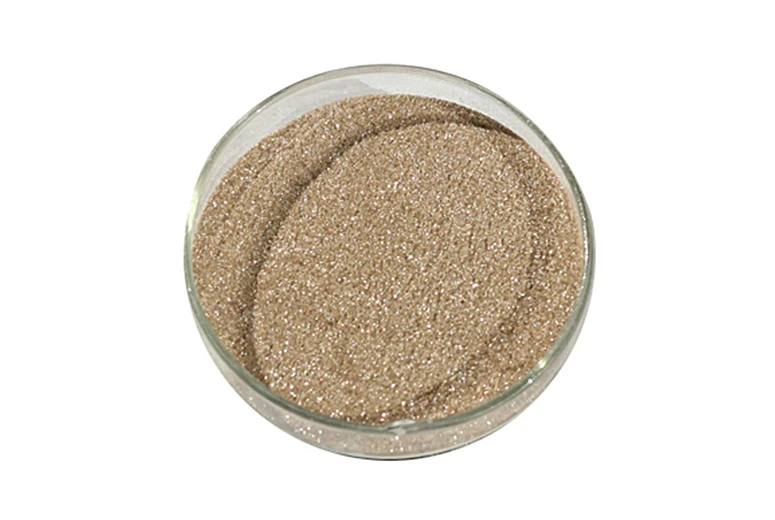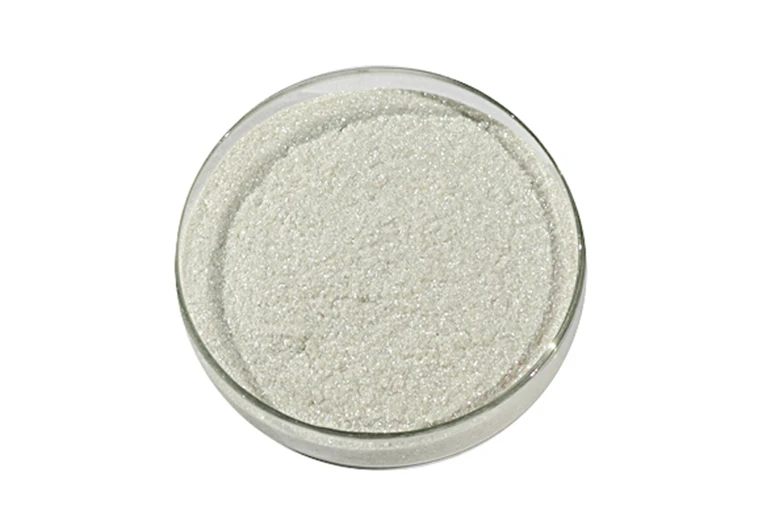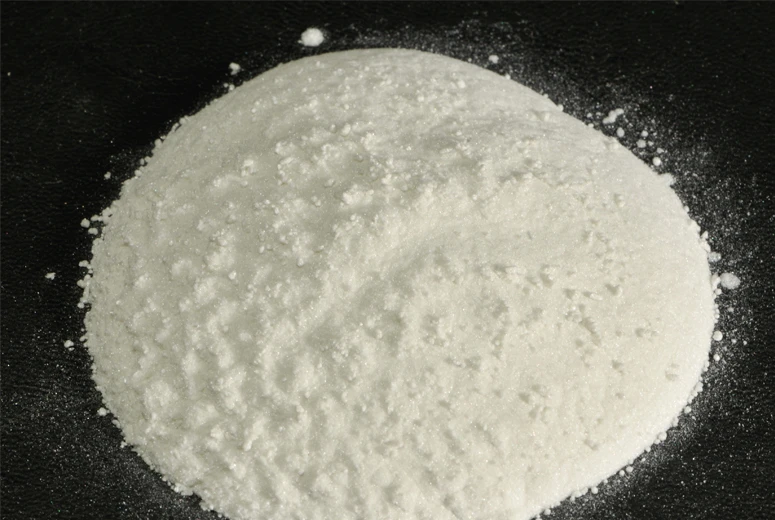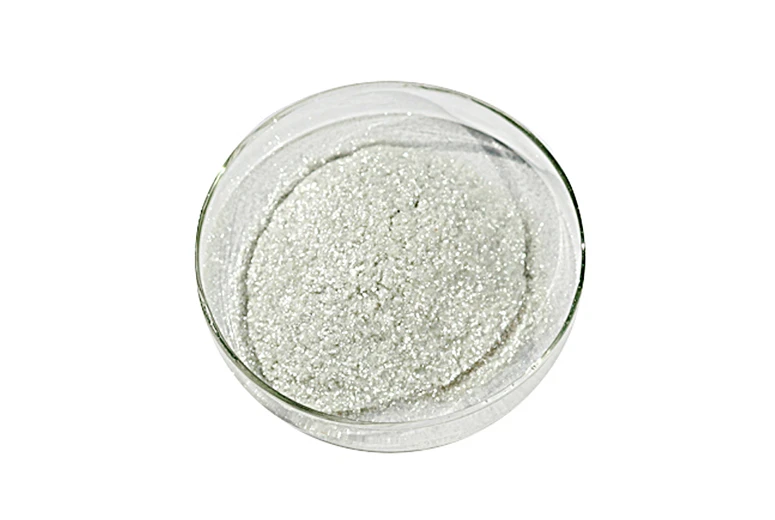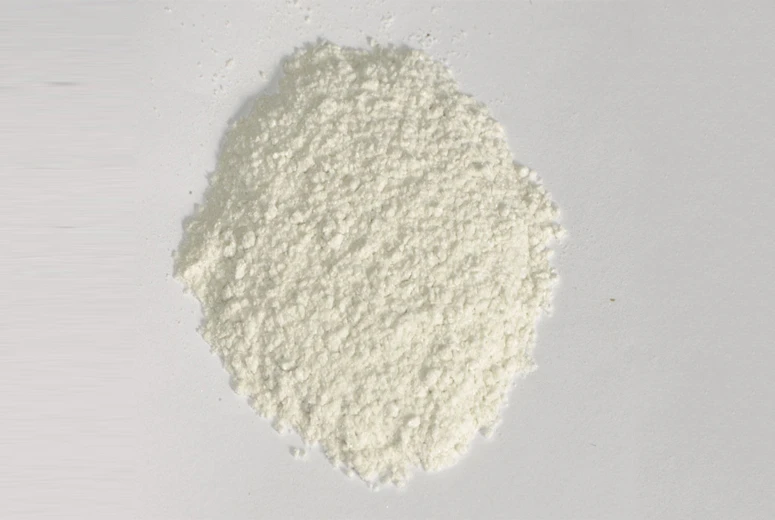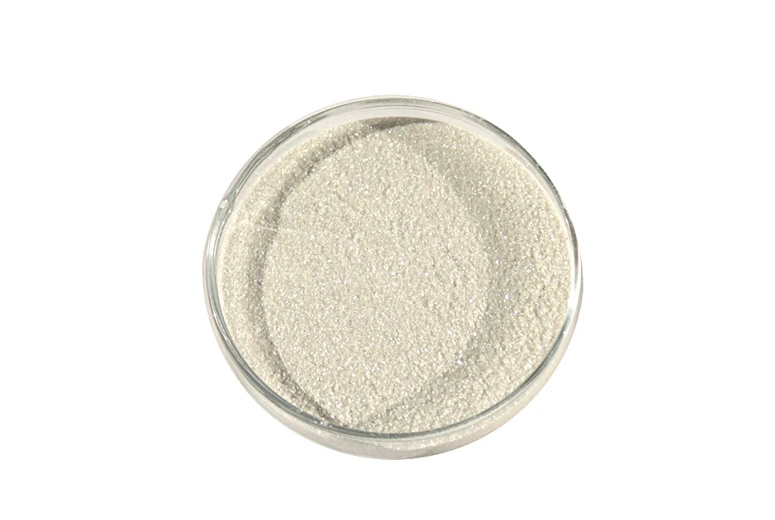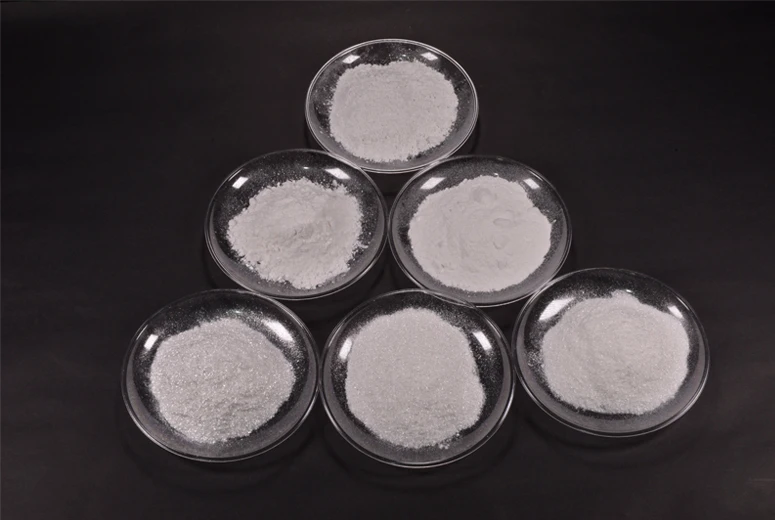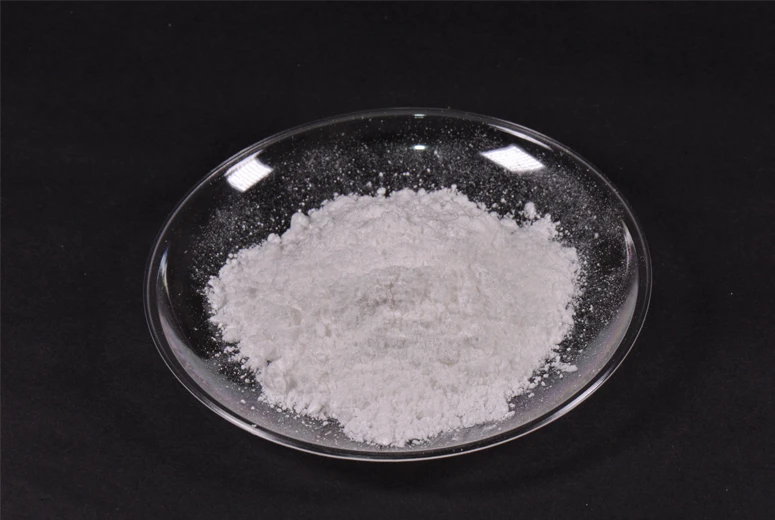

60-D Muscovite Mica Sheets - High Dielectric, Heat-Resistant
What’s Driving Demand for Muscovite Fillers: a Closer Look at 60-grade Production
If you’ve been around coatings, plastics, or cable insulation lately, you’ve probably heard chatter about 60-D Muscovite. To be honest, I was skeptical at first—“just another mica powder,” I thought. But after talking with buyers and QA folks this summer, it’s clear the market’s shifting toward reliable, low-iron, responsibly sourced material with traceable data and stable supply.
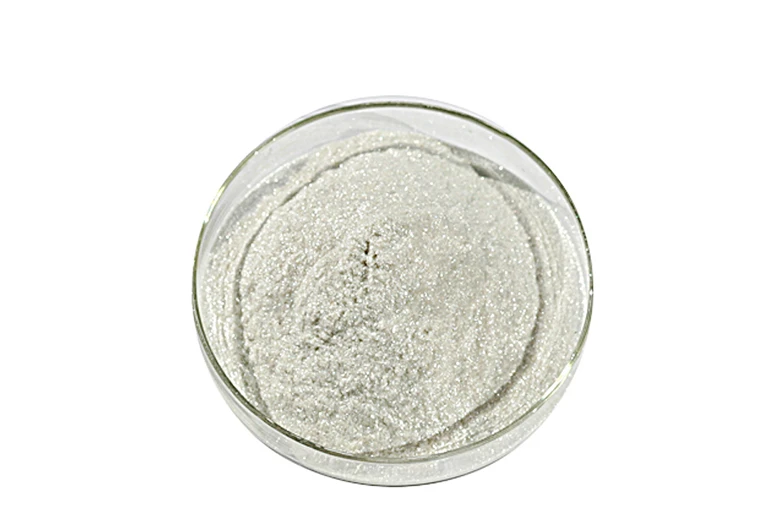
Origin and process (quick tour)
Sourced from Xujiatuan, Ciyu Town, Lingshou County (Shijiazhuang, Hebei, China), 60-D Muscovite uses local muscovite ore, wind-separated to drop gangue and iron, then dry-ground and classified. The facility runs dust/noise controls to current domestic environmental requirements with emission permits—so scalable supply isn’t just a brochure claim.
Where the industry is heading
- Coatings: anti-corrosion primers lean on platy mica for barrier paths; procurement teams ask for ISO-based QC and low Fe2O3.
- Polymer compounding: PP/PA modifiers target stiffness/warpage control with moderate aspect ratio plates.
- Cables & rubber: dielectric stability and thermal endurance (nothing flashy, just dependable).
Typical specifications (lab data, ≈ values)
| Property | Typical | Method/Standard |
|---|---|---|
| Particle size (D50) | ≈ 180–250 μm (60-grade), D90 ≤ 300–350 μm | Laser diffraction, ISO 13320 |
| Moisture | ≤ 0.5% | ASTM D2216 |
| Fe2O3 | ≈ 0.5–0.8% | XRF |
| Whiteness | ≈ 78–82 | ISO 2470 (brightness proxy) |
| Dielectric constant (1 kHz) | ≈ 5–7 | ASTM D150 |
| pH (slurry) | 7–9 | ISO 787-9 |
Note: real-world use may vary; request a lot-specific COA for critical specs. Conforms to ISO 3262-3 (mica extenders) framework.
Process flow and QC
- Selective mining → hand-checking of vein purity
- Wind separation + magnetic iron removal
- Dry grinding/classification to 60-grade
- Sieving, blending, bagging (25 kg or 1 t)
- Testing: particle size (ISO 13320), moisture (ASTM D2216), Fe2O3 (XRF), brightness, sieve residue
Applications and advantages
- Anti-corrosion primers: improved barrier path; customers report 20–30% better salt-spray hours in epoxy zinc-free systems, compared with non-platy fillers.
- PP/PA compounds: stiffness boost with moderated density impact; decent warpage control.
- Rubber and cable compounds: dielectric stability; helps thermal shock resistance.
Service life? In aggressive C3–C4 environments, 60-D Muscovite filled primers typically extend maintenance intervals by a season or two—obviously depends on binder, DFT, and prep.
Vendor snapshot (apples-to-apples is hard, but here’s a guide)
| Supplier/Grade | Origin | Fe2O3 | Brightness | Price tier | Notes |
|---|---|---|---|---|---|
| 60-D Muscovite | Hebei, China | ≈ 0.5–0.8% | ≈ 78–82 | Mid | Sustainable large-scale; emission permits; non-Indian; no child labor |
| Generic muscovite 60-grade | Various | ≈ 0.6–1.2% | ≈ 74–80 | Low–Mid | Specs vary by lot; check COA and sieve residue |
| Synthetic fluorophlogopite | Factory-made | Very low | High | High | Excellent dielectric; cost-sensitive for bulk coatings |
Customization and compliance
- Custom cuts: 40–200 grade; tighter D90 on request.
- Surface treatment: silane or titanate for polymers.
- Packaging: 25 kg PP bags, 1 t jumbo; palletized.
- Certifications: ISO 9001 QA system; REACH preregistered/intent; RoHS alignment for heavy metals.
Case notes (from the field)
60-D Muscovite in a zinc-free epoxy primer (marine fab shop, SE Asia): after switching from a generic filler, salt spray improved from ≈480 h to ≈640 h (ISO 9227). The maintenance crew said, “less blistering near welds,” which, frankly, is what you want to hear.
Polymer shop feedback on 60-D Muscovite in PP: “stiffness gain without killing flow;” MFR drop was manageable after a small silane tweak. As always, tune coupling and screw profile.
Testing & acceptance
- Incoming QA: sieve residue, D50/D90 (ISO 13320), XRF Fe2O3, moisture.
- Coating panels: ISO 12944 system testing; salt spray ISO 9227; crosshatch ISO 2409.
- Electrical: permittivity/tan δ via ASTM D150.
Final tip: request a recent COA and a small pilot lot. Many customers say the scale-up is painless once the grind and D90 are locked.
Authoritative references
- ISO 3262-3: Extenders for paints — Part 3: Mica.
- ISO 13320: Particle size analysis — Laser diffraction methods.
- ASTM D150: AC Loss Characteristics and Permittivity of Solid Electrical Insulation.
- ASTM D2216: Laboratory Determination of Water (Moisture) Content of Soil and Rock by Mass.
- ISO 9227: Corrosion tests in artificial atmospheres — Salt spray tests.
- Directive 2011/65/EU (RoHS) and EU REACH Regulation (EC) No 1907/2006.
-
Ultimate Guide to Using High Quality Pearl Paint Pigment for LusterNewsApr.16,2026
-
Elevating Automotive Aesthetics with Mica Powder Car PaintNewsApr.09,2026
-
Unlock Stunning Effects with Mica Powder for Paint ApplicationsNewsApr.07,2026
-
Comprehensive Guide to Mica Dye Powder Applications and BenefitsNewsApr.04,2026
-
Unlocking the Brilliance of Mica Pigment Paint for Diverse ApplicationsNewsMar.31,2026
-
Enhancing Concrete Performance with Durable Mica Chips for Concrete ApplicationsNewsMar.28,2026