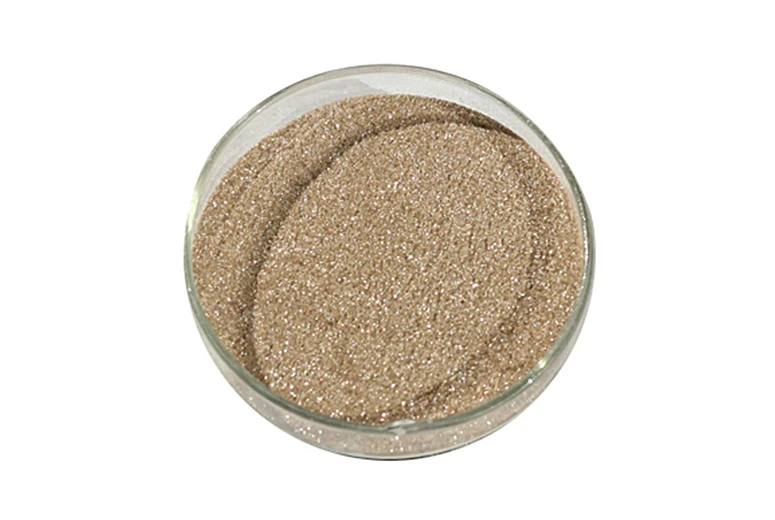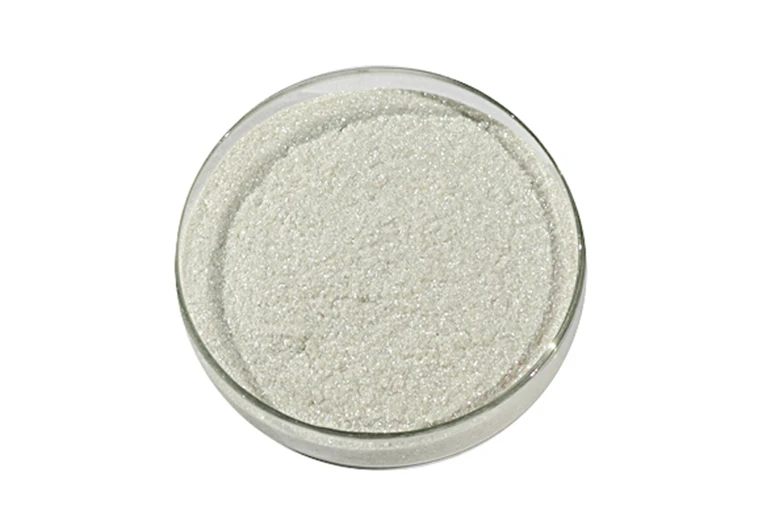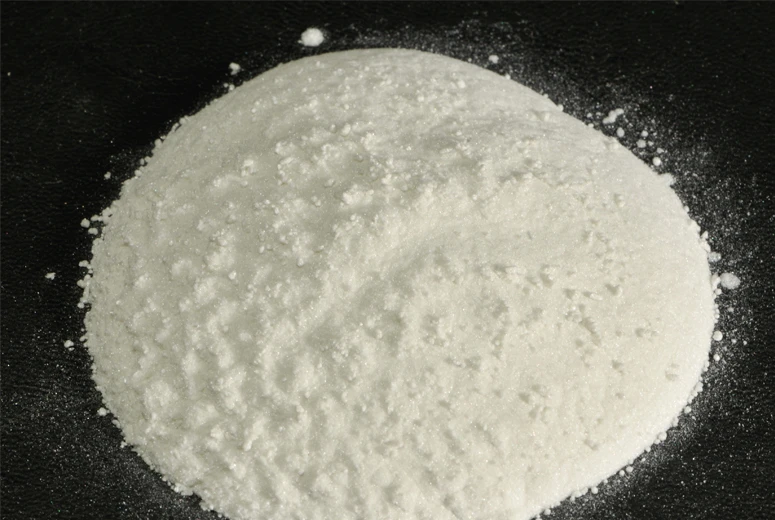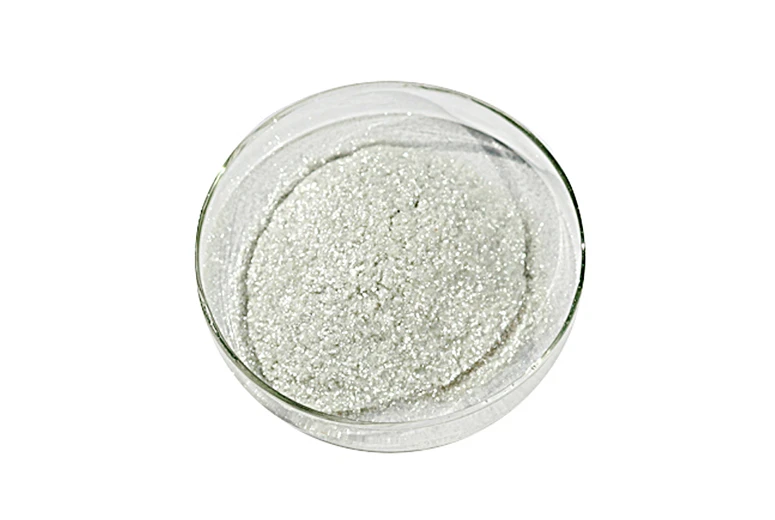

10-60μm Synthetic Mica Powder: High Purity & Thermal Stable
Introduction to Advanced 10-60μm Synthetic Mica Powder
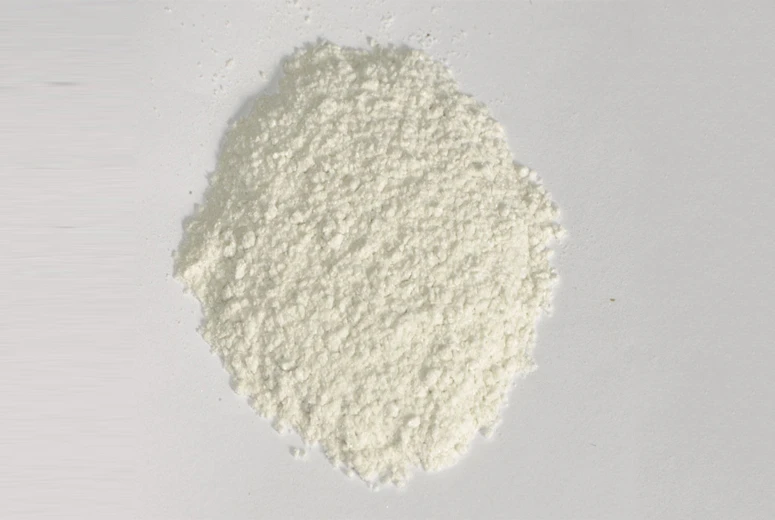
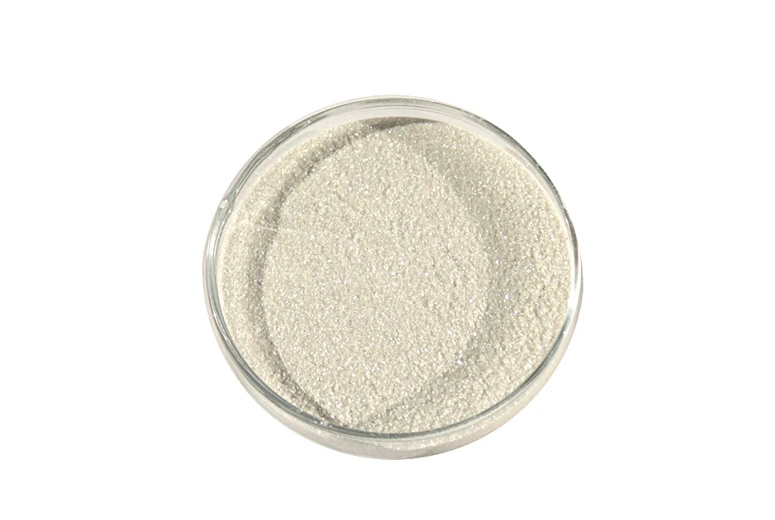
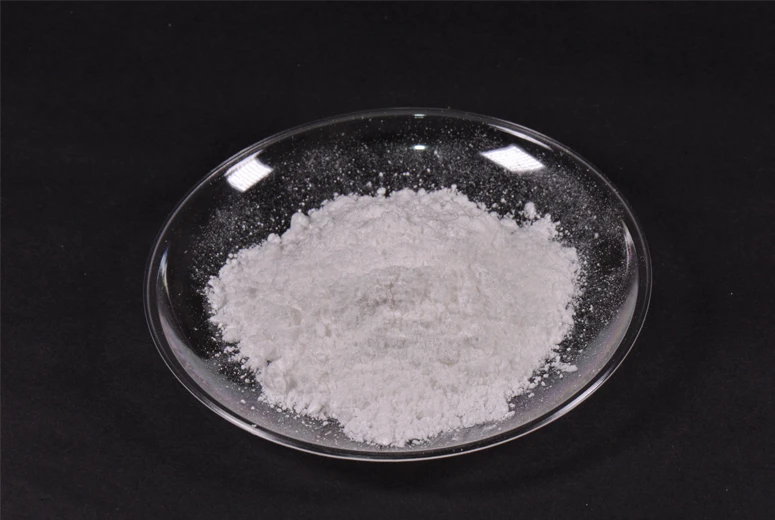
In the realm of advanced materials, synthetic mica powder represents a cornerstone technology, offering unparalleled properties for high-performance applications. Specifically, 10-60μm Synthetic Mica Powder stands out for its optimized particle size distribution, making it an indispensable component across various critical industries. Unlike natural mica, synthetic mica is engineered under controlled conditions, ensuring superior purity, thermal stability, and consistent morphology. This engineered precision translates into enhanced material performance, meeting the stringent demands of modern manufacturing and innovation. Its uniform platelet structure and consistent chemical composition provide a significant advantage over its natural counterpart, especially in applications requiring high dielectric strength, thermal resistance, and chemical inertness.
This technical brief delves into the intricacies of 10-60μm Synthetic Mica Powder, exploring its manufacturing process, key technical specifications, diverse application scenarios, and the compelling advantages it offers. We will also examine industry trends, customization capabilities, and provide insights for vendor selection, culminating in illustrative case studies that underscore its transformative impact.
Industry Trends in Advanced Functional Fillers
The global market for advanced functional fillers is experiencing robust growth, driven by increasing demand for lightweight, high-performance materials in sectors such as automotive, electronics, aerospace, and coatings. Synthetic mica, particularly in optimized particle sizes like 10-60μm Synthetic Mica Powder, is at the forefront of this evolution. Industry reports project a significant Compound Annual Growth Rate (CAGR) for synthetic mica, fueled by its superior electrical insulation, thermal stability, barrier properties, and aesthetic enhancement capabilities. Key trends include:
- Miniaturization in Electronics: The continuous drive towards smaller, more powerful electronic devices necessitates fillers with exceptional dielectric properties and heat dissipation capabilities. Synthetic mica's high dielectric strength and thermal conductivity are crucial for this.
- Lightweighting in Transportation: Automotive and aerospace industries seek lighter materials without compromising structural integrity. Synthetic mica, with its high aspect ratio, can reduce composite density while enhancing mechanical properties, contributing to fuel efficiency.
- Sustainable Solutions: As industries shift towards eco-friendly practices, the inert, non-toxic, and thermally stable nature of synthetic mica aligns with sustainability goals, offering a safer alternative to some traditional fillers and improving product longevity.
- High-Temperature Applications: Growth in sectors like industrial furnaces, high-power electronics, and specialized protective coatings demands materials capable of withstanding extreme thermal conditions well above 1000°C, where synthetic mica excels.
These trends underscore the critical role of materials like synthetic mica in enabling next-generation products and processes, solidifying its position as a material of strategic importance in the advanced materials landscape. The demand for consistent, high-purity materials with tailored properties continues to drive innovation in synthetic mica production.
Detailed Manufacturing Process Flow of Synthetic Mica Powder
The production of high-quality synthetic mica, especially targeted particle sizes like 10-60μm Synthetic Mica Powder, involves a meticulous, multi-stage process to ensure purity, consistency, and optimal performance. This sophisticated manufacturing pathway differentiates it significantly from the unpredictable nature of mined natural mica.
Key Materials and Synthesis:
The primary raw materials include a precise blend of high-purity silica (SiO₂), alumina (Al₂O₃), magnesia (MgO), and potassium fluoride (KF), sometimes with other fluxing agents. These are carefully measured to achieve the desired chemical stoichiometry of fluorophlogopite mica (KMg₃AlSi₃O₁₀F₂). The purity of these raw materials directly impacts the final product's performance and consistency.
-
Melting and Crystallization:
The precisely proportioned raw materials are melted in specialized high-temperature furnaces, typically operating at temperatures exceeding 1400°C. The molten mixture is then carefully cooled under strictly controlled conditions, allowing for the slow crystallization of synthetic mica flakes. This process is critical for forming the characteristic lamellar, platy structure of mica with desired crystal dimensions.
Process Insight: The cooling rate profoundly impacts the crystal size and morphology. A slower, more controlled cooling rate generally yields larger, more well-formed crystals, which are then processed further to achieve specific particle sizes like 10-60μm with optimal aspect ratios. -
Crushing and Pre-Milling:
Once crystallized, the synthetic mica blocks are coarsely crushed using robust primary crushers (e.g., jaw or cone crushers) to reduce them into smaller fragments. This step prepares the material for subsequent fine milling processes, ensuring uniform feed to the next stage.
-
Fine Grinding/Milling:
These fragments undergo fine grinding using various types of mills, such as jet mills, ball mills, or hammer mills. The objective is to delaminate the mica into thin platelets and reduce the particle size without causing excessive damage to the delicate lamellar structure. This stage is meticulously controlled to maintain the high aspect ratio of the mica, which is crucial for its functional benefits.
-
Particle Size Classification:
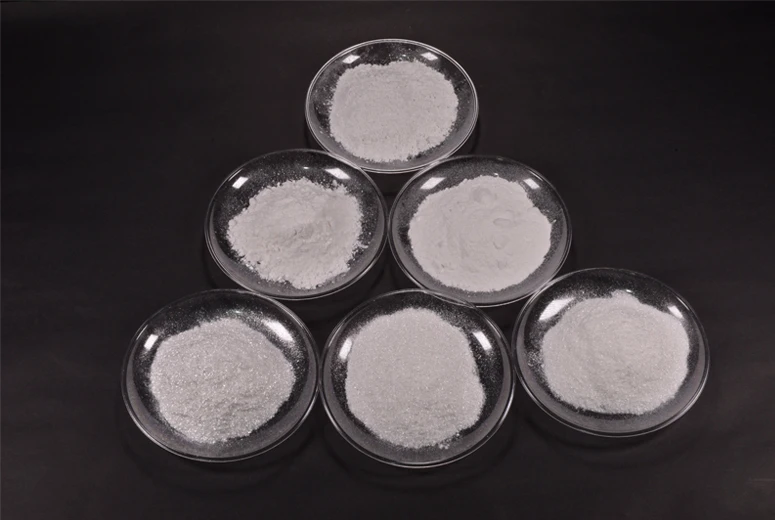
Achieving the precise 10-60μm particle size distribution is paramount for consistent end-product performance. Advanced air classification systems, such as cyclone separators, air classifiers, or sieving technologies, are employed to separate the mica powder into desired fractions. This ensures a narrow particle size distribution (PSD), minimizing fines and oversize particles, which is critical for consistent rheology and mechanical properties in end-use applications.
-
Purification and Surface Treatment (Optional):
Depending on the application, the powder may undergo further purification steps (e.g., washing, magnetic separation) to remove any trace impurities. Surface treatments, such as silane coupling agents or fatty acid derivatives, can also be applied to enhance compatibility and dispersion within various polymer matrices, improving interfacial adhesion and overall composite performance. These treatments are particularly beneficial for hydrophobic matrices.
-
Quality Control and Packaging:
Throughout the entire process, rigorous quality control measures are implemented. Particle size analysis (e.g., laser diffraction, ASTM D4464), chemical composition verification (e.g., XRF), bulk density, aspect ratio, thermal stability (TGA), and optical properties are routinely checked against internal standards and international industry benchmarks (e.g., ISO 9001). The final product, 10-60μm Synthetic Mica Powder, is then carefully packaged in moisture-proof, industrial-grade container111s (e.g., multi-ply bags, bulk bags) to prevent contamination and maintain product integrity during storage and shipment.
Testing Standards and Target Industries:
Our products adhere to stringent international testing standards, including ISO protocols for quality management (ISO 9001), material testing (e.g., ISO 13320 for particle size, ASTM standards for various properties), and environmental compliance (e.g., REACH, RoHS). Target industries include: advanced plastics and composites, high-temperature coatings, specialized paints, cosmetics, and electronic encapsulation materials. The robust service life and inherent advantages of synthetic mica, such as its exceptional thermal stability (up to 1200°C), excellent electrical insulation, and chemical inertness, ensure superior performance in demanding environments.
Technical Specifications and Performance Parameters
The precise engineering of 10-60μm Synthetic Mica Powder translates into a set of highly predictable and superior technical specifications, critical for its deployment in high-performance applications. The table below details typical parameters, which are rigorously tested and verified.
| Property | Unit | Typical Value | Testing Method/Standard |
|---|---|---|---|
| Particle Size (D₅₀) | µm | 35 (approx.) | Laser Diffraction (ISO 13320) |
| Particle Size Range (D₁₀-D₉₀) | µm | 10-60 | Laser Diffraction (ISO 13320) |
| Aspect Ratio (Average) | - | 50-100 | Image Analysis / SEM |
| Specific Gravity | g/cm³ | 2.8-2.9 | ASTM D792 |
| Bulk Density (Tapped) | g/cm³ | 0.15-0.25 | ASTM B527 |
| Thermal Decomposition Temp. | °C | >1200 | TGA (ASTM E2550) |
| Loss on Ignition (LOI @ 1000°C) | % | <0.5 | ASTM C114 |
| Dielectric Strength (1mm thickness) | kV/mm | >25 | IEC 60243-1 |
| Oil Absorption | g/100g | 60-80 | ASTM D281 |
| pH (10% aqueous suspension) | - | 7-9 | ASTM E70 |
These parameters highlight the consistent quality and high-performance potential of synthetic mica, enabling engineers to design with confidence in demanding environments. The controlled particle size ensures optimal dispersion, minimal settling, and predictable rheological behavior, which are crucial for advanced material formulations in various manufacturing processes.
Technical Advantages and Distinctive Features
The strategic use of 10-60μm Synthetic Mica Powder confers a multitude of technical advantages that are critical for enhancing product performance and durability across diverse applications:
- Exceptional Thermal Stability: With a decomposition temperature exceeding 1200°C, synthetic mica significantly outperforms most natural minerals and many polymers, making it ideal for high-temperature resins, protective coatings, and refractory materials. This ensures integrity under extreme heat.
- Superior Electrical Insulation: Its high dielectric strength (typically >25 kV/mm) and low dielectric loss at various frequencies make it an excellent choice for electrical and electronic encapsulants, insulating films, cable compounds, and high-voltage applications, preventing dielectric breakdown.
- Enhanced Mechanical Reinforcement: The platy, high aspect ratio particles provide significant reinforcement in polymers, improving flexural modulus, tensile strength, and dimensional stability. This effectively reduces warpage, improves impact resistance, and minimizes thermal expansion in composite materials.
- Chemical Inertness and Corrosion Resistance: Synthetic mica is highly resistant to acids, alkalis, solvents, and other aggressive chemicals. This property offers superior protection against chemical degradation, making it invaluable in protective coatings and chemical processing equipment.
- Excellent Barrier Properties: The overlapping platelet structure within a matrix creates a tortuous path for gases, moisture, and corrosive agents. This improves impermeability, extending the lifespan and performance of products in packaging, barrier films, and protective coatings.
- Consistent Purity and Whiteness: Manufactured under controlled conditions, synthetic mica boasts significantly higher purity (typically >99% SiO₂, Al₂O₃, MgO, KF) and whiteness compared to natural mica, ensuring consistent aesthetic and functional properties without heavy metal contamination or undesirable color shifts.
- Smooth Processing Characteristics: Due to its uniform particle size and morphology, synthetic mica provides better flow properties during compounding and molding processes compared to irregularly shaped fillers, leading to smoother surfaces and reduced wear on equipment.
These advantages collectively contribute to a longer service life, improved operational efficiency, enhanced safety, and reduced total cost of ownership in diverse and demanding applications.
Key Application Scenarios and Target Industries
The versatility of 10-60μm Synthetic Mica Powder allows it to penetrate a wide array of advanced industrial sectors, providing critical performance enhancements across various challenging application scenarios:
- Plastics and Composites (Target Industries: Automotive, Electronics, Construction): As a reinforcing filler, it dramatically improves stiffness, heat deflection temperature (HDT), and dimensional stability in engineering plastics (e.g., PA, PBT, PP, ABS) for automotive under-hood components, electronic housings, and industrial parts. Its platy structure also helps reduce mold shrinkage and warpage, leading to higher precision components.
- High-Temperature Coatings (Target Industries: Industrial, Marine, Aerospace): Used in protective coatings for industrial equipment, pipes, ships, and structural steel to enhance corrosion resistance, weatherability, and thermal reflectivity. The mica platelets create an impenetrable barrier, preventing penetration of corrosive agents and improving the overall durability and energy efficiency of coated surfaces.
- Electronics and Electrical Insulation (Target Industries: Semiconductor, Power Transmission, Consumer Electronics): Critical in encapsulants for semiconductors, printed circuit boards (PCBs), high-voltage insulation materials, and cable compounds due to its excellent dielectric properties and thermal management capabilities. It helps dissipate heat, prevent short circuits, and ensures stable operation at elevated temperatures and high frequencies.
- Cosmetics and Personal Care (Target Industries: Beauty, Dermatology): Provides a smooth, soft-focus effect, reduces tackiness, and imparts a pearlescent luster in foundations, eyeshadows, lipsticks, and creams. Its inertness, non-toxic nature, and uniform particle size make it a safe and preferred ingredient for skin contact.
- Paints and Pigments (Target Industries: Architectural, Industrial, Automotive Refinish): Offers barrier properties to improve durability, abrasion resistance, and weather resistance in exterior paints, while also serving as a high-purity pearlescent pigment in specialty paints, artistic applications, and anti-corrosive primers.
- Specialty Rubbers and Sealants (Target Industries: HVAC, Automotive, Industrial): Enhances mechanical strength, heat resistance, and impermeability in applications like gaskets, O-rings, seals, and heat-resistant cables, improving long-term performance under demanding conditions.
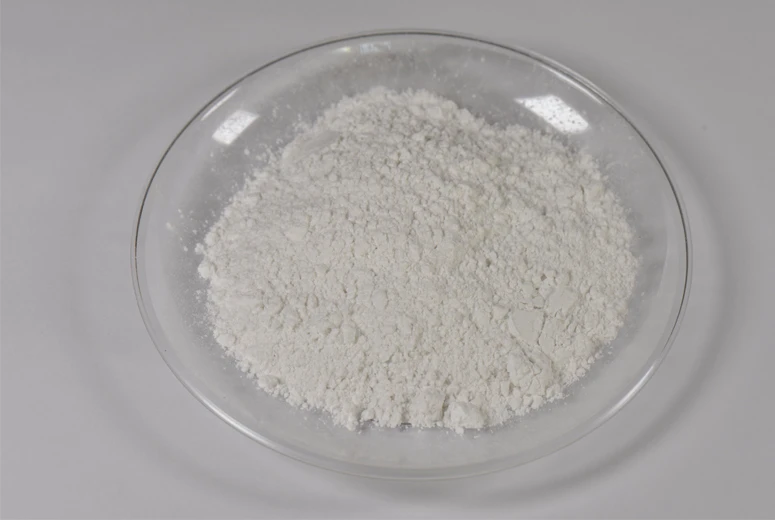
Image: Illustrative application of synthetic mica in high-performance composites and coatings.
In energy-saving applications, its high thermal reflectivity in coatings can reduce heat absorption on building exteriors and industrial equipment, contributing to lower cooling costs and improved energy efficiency. For corrosion resistance, its impermeable barrier structure significantly extends the lifespan of coated metal surfaces in harsh industrial and marine environments, reducing maintenance requirements and operational downtime.
Customized Solutions and Tailored Formulations
Recognizing that standard products may not always meet the unique demands of highly specialized applications, leading manufacturers offer extensive customization capabilities for 10-60μm Synthetic Mica Powder. This bespoke approach ensures optimal performance and seamless integration into complex systems, providing a competitive edge.
Customization Parameters Include:
- Precise Particle Size Distribution: Fine-tuning the D₅₀, D₉₀, and D₉₉ values to match specific rheological requirements for paints, coatings, polymer melt processing, or ceramic slurries, optimizing flow, film thickness, and surface finish.
- Surface Treatments: Applying various surface modifiers (e.g., silane, titanate, fatty acids, polymer coatings) to enhance compatibility with specific polymer matrices (e.g., epoxy, polyester, thermoplastic resins). This improves dispersion, adhesion, mechanical properties, and hydrolytic stability.
- Aspect Ratio Control: Adjusting the milling process parameters to achieve desired average aspect ratios for optimal reinforcement, barrier properties, or rheological modification in composites, films, and gel coats.
- Chemical Purity: Further purification steps can be implemented for ultra-high purity applications, especially in sensitive electronic components, medical devices, or optical applications where even trace impurities are detrimental.
- Physical Properties Tuning: Modifying bulk density, oil absorption, or tap density to meet specific handling, processing, or formulation requirements.
Engaging with a vendor that possesses robust R&D capabilities, a deep understanding of material science, and flexible manufacturing processes is crucial for developing tailored synthetic mica solutions that deliver consistent performance and a significant competitive advantage in the market.
Vendor Comparison: Choosing the Right Partner for Synthetic Mica
Selecting a reliable supplier for 10-60μm Synthetic Mica Powder is paramount for ensuring consistent product quality, supply chain stability, and technical support crucial for successful product development and manufacturing. Key factors to consider beyond initial price include manufacturing expertise, stringent quality control, responsive technical support, and extensive customization capabilities. Here's a comparative framework:
| Factor | High-Quality Supplier (e.g., HJ Mica) | Standard Supplier |
|---|---|---|
| Product Purity & Consistency | Exceptional (typically 99%+), ultra-low heavy metals, narrow particle distribution, consistent morphology. | Good to Variable, broader particle distribution, potential for minor impurities and batch-to-batch variations. |
| Thermal Stability | Excellent (>1200°C decomposition), consistently verifiable via TGA. | Good (1000-1100°C), may vary and lack robust verification. |
| Customization Capability | High (tailored particle size, surface treatment, aspect ratio, specific chemical modifications). Full R&D support. | Limited to standard grades and basic modifications. Minimal R&D support. |
| Technical Support & R&D | Strong R&D team, application specialists, collaborative problem-solving, detailed technical data sheets. | Basic product data sheets, limited application support, minimal technical consultation. |
| Certifications & Compliance | ISO 9001:2015, REACH, RoHS, FDA compliance (where applicable), comprehensive Certificates of Analysis (CoA). | Basic quality control, possibly no full international certifications or compliance documentation. |
| Lead Time & Supply Reliability | Consistent and predictable, robust supply chain management, global distribution networks, contingency planning. | May vary significantly, potential for supply disruptions, limited logistics support. |
Partnering with a reputable vendor ensures not only the consistent quality of the raw material but also access to valuable technical expertise, collaborative R&D opportunities, and a reliable supply chain, which is crucial for optimizing application performance and staying ahead of market demands.
Real-World Application Case Studies
The practical benefits and transformative potential of 10-60μm Synthetic Mica Powder are best illustrated through its successful deployment in challenging industrial applications. These case studies highlight its tangible impact on product performance and cost efficiency.
Case Study 1: Enhanced Automotive Under-Hood Components
A leading automotive manufacturer sought to significantly improve the heat deflection temperature (HDT) and dimensional stability of polyamide (PA66) components used in engine compartments, such as intake manifolds and valve covers. Traditional glass fiber reinforcement offered some improvement but often led to anisotropic shrinkage and increased density. By incorporating 15% by weight of 10-60μm synthetic mica powder, along with a reduced amount of glass fiber, into the PA66 matrix, they observed a 25% increase in HDT (from 180°C to 225°C at 1.82 MPa) and a 30% reduction in warpage compared to a purely glass-fiber-reinforced PA66. This optimized blend allowed for the production of lighter, more complex molded parts with superior high-temperature performance, contributing to overall vehicle weight reduction and enhanced fuel efficiency. Customer feedback from engine tests confirmed excellent long-term stability and reduced creep under demanding, high-heat operating environments.
Case Study 2: High-Performance Industrial Coil Coatings for Extreme Environments
An industrial coating specialist required a robust solution to extend the lifespan of coil coatings applied to steel structures in a petrochemical plant, which were constantly exposed to harsh chemical fumes, high humidity, and intense UV radiation. The existing epoxy-polyester coatings suffered from premature degradation, delamination, and severe chalking. By formulating a high-solids fluoropolymer topcoat with 10% by weight of 10-60μm synthetic mica, the layered structure of the mica platelets created a significantly more tortuous path for corrosive ions (e.g., chloride, sulfate) and moisture, as well as providing enhanced UV shielding. Independent lab tests, referencing ASTM B117 salt spray tests, showed a doubling of corrosion resistance (from 1,000 hours to over 2,000 hours without significant blistering) and a 50% improvement in UV stability (reduced gloss loss after 2,000 hours QUV accelerated weathering) compared to the un-mica-filled control. This led to significantly extended coating service life, reduced maintenance cycles, and substantial cost savings for the plant operator, demonstrating superior long-term asset protection.
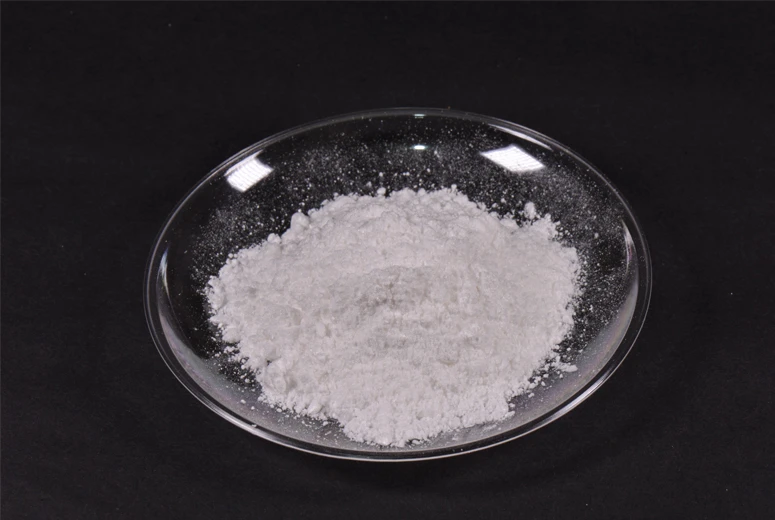
Image: Microscopic view of synthetic mica platelets optimally dispersed within a polymer matrix, illustrating tortuous path effect.
These examples rigorously demonstrate the tangible benefits of incorporating precisely engineered synthetic mica into advanced material formulations, offering solutions for critical performance gaps in demanding industrial applications.
Ensuring Trust: Quality, Certifications, and Support
Building and maintaining trust in the B2B sector requires unwavering commitment to quality, transparent practices, and robust customer support. Our commitment to excellence in delivering 10-60μm Synthetic Mica Powder is underpinned by:
- Authoritative Certifications: We operate under ISO 9001:2015 certified quality management systems, ensuring consistent product manufacturing, meticulous process control, and reliable delivery. Our products also meet relevant international industry standards such as REACH (Registration, Evaluation, Authorisation and Restriction of Chemicals) and RoHS (Restriction of Hazardous Substances) for environmental compliance and safety, with specific material safety data sheets (MSDS) provided.
- Extensive Industry Experience: With over two decades of dedicated service and specialization in advanced material supply, we have cultivated deep expertise and established long-term, trust-based partnerships with global leaders across various critical industries, including automotive, electronics, and coatings.
- Rigorous Testing and Data: Every batch of synthetic mica powder undergoes comprehensive, multi-point laboratory testing, including particle size distribution, chemical composition (XRF), thermal analysis (TGA/DSC), and other critical performance metrics. Full Certificates of Analysis (CoA) are provided with each shipment to ensure transparent adherence to specified parameters and performance benchmarks.
- Dedicated Technical Support: Our experienced team of material scientists and application engineers provides expert guidance, from initial product selection and sample evaluation to formulation optimization and troubleshooting. This collaborative approach ensures successful integration and optimal performance in your specific applications, minimizing development cycles and risks.
Our reputation is built on reliability, consistency, and a profound understanding of our clients' unique material challenges. We are committed to being a partner in your innovation journey.
Frequently Asked Questions (FAQ)
Q: What makes synthetic mica superior to natural mica in advanced applications?
A: Synthetic mica offers significantly higher purity (virtually free of heavy metals and crystalline silica), superior thermal stability (up to 1200°C decomposition vs. ~600°C for natural phlogopite), consistent chemical composition, and controlled particle morphology. This leads to more predictable, enhanced performance, especially in high-temperature, electrical, and sensitive aesthetic applications.
Q: Can 10-60μm Synthetic Mica Powder be surface treated for better polymer compatibility?
A: Yes, surface treatments such as silane coupling agents, titanates, or fatty acid derivatives are commonly applied. These treatments improve the wettability and adhesion of the mica particles to various polymer matrices, enhancing dispersion, reducing viscosity, and ultimately improving the mechanical and physical properties of the composite. Custom surface treatments are a core part of our offering.
Q: What is the typical lead time for an order of your synthetic mica powder?
A: Standard orders for 10-60μm Synthetic Mica Powder typically have a lead time of 2-4 weeks, depending on order volume and current production schedules. For highly customized formulations or very large volumes, lead times will be confirmed individually. We maintain strategic inventory levels for common grades to support urgent requirements.
Q: What kind of warranty or after-sales support is provided for your products?
A: We stand by the quality of our products with a comprehensive material warranty, guaranteeing conformity to published specifications and freedom from manufacturing defects for a specified period. Our robust after-sales support includes dedicated technical assistance, troubleshooting services, material performance consultation, and global logistics coordination to ensure your complete satisfaction and successful application integration. We are committed to building long-term, collaborative partnerships.
Lead Time, Warranty, and Customer Support
We understand the critical importance of timely delivery, consistent product quality, and reliable technical support in today's demanding B2B operations. Our commitment in these areas ensures peace of mind for our partners.
- Lead Time and Fulfillment: For standard grades of 10-60μm Synthetic Mica Powder, typical lead times range from 2 to 4 weeks, subject to order volume and current production schedules. We operate an optimized global supply chain to ensure efficient and secure delivery, including comprehensive documentation (e.g., Certificates of Origin, Bill of Lading) and customs support. For custom formulations, lead times will be precisely confirmed upon project scope definition and production planning.
- Warranty Commitments: All products supplied are covered by our standard material warranty, guaranteeing conformity to published technical specifications and freedom from manufacturing defects for a specified period from the date of shipment. Full details of our warranty policy are available upon request and can be tailored for specific project requirements through mutual agreement. Our quality assurance team rigorously inspects every batch to minimize any potential issues.
- Customer Support: Our dedicated customer service and technical support teams are available globally to assist with all inquiries, from technical data requests and application guidance to order tracking and logistics support. We provide direct access to our material scientists and application engineers, ensuring expert advice and rapid resolution of any challenges. Our goal is to forge long-term, collaborative partnerships built on trust and mutual success.
Conclusion
The journey through the properties, manufacturing, and applications of 10-60μm Synthetic Mica Powder reveals a material of exceptional utility and profound potential. Its engineered purity, superior thermal and electrical properties, high mechanical reinforcement, and chemical inertness make it an indispensable component in advancing critical industries. As demand for high-performance, reliable, and sustainable advanced materials continues to grow, synthetic mica stands ready to meet the challenges, offering innovative solutions for complex engineering problems. Partnering with a specialized and reputable supplier ensures access to not only a premium product but also the expertise and support required to unlock its full potential in your unique applications, driving innovation and competitive advantage.
References
- Ma, C. (2018). Advanced Ceramic Materials and Applications. Springer.
- Liaw, D. J., et al. (2010). Advanced Polymer Composites: Principles and Applications. Wiley.
- ISO 9001:2015 Quality Management Systems – Requirements. International Organization for Standardization.
- National Institute of Standards and Technology (NIST) – Materials Science and Engineering Division. (Accessed on various dates through 2023 for general material properties and testing standards).
- Journal of Materials Science. (Various articles on synthetic mica composites and their performance under extreme conditions).
- ASTM International Standards. (Accessed through ASTM Digital Library for specific material testing methodologies).
-
Ultimate Guide to Using High Quality Pearl Paint Pigment for LusterNewsApr.16,2026
-
Elevating Automotive Aesthetics with Mica Powder Car PaintNewsApr.09,2026
-
Unlock Stunning Effects with Mica Powder for Paint ApplicationsNewsApr.07,2026
-
Comprehensive Guide to Mica Dye Powder Applications and BenefitsNewsApr.04,2026
-
Unlocking the Brilliance of Mica Pigment Paint for Diverse ApplicationsNewsMar.31,2026
-
Enhancing Concrete Performance with Durable Mica Chips for Concrete ApplicationsNewsMar.28,2026