
10-60μm Synthetic Mica Powder-HEBEI CBIES|Thermal Stability&Electrical Insulation
Synthetic mica powder has emerged as a critical material in modern industrial applications due to its exceptional thermal stability, electrical insulation properties, and optical clarity. Among the various particle size options available, the 10-60μm synthetic mica powder stands out for its balanced performance across multiple industries. This article provides an in-depth analysis of its features, technical specifications, and applications, supported by authoritative references and detailed product information.
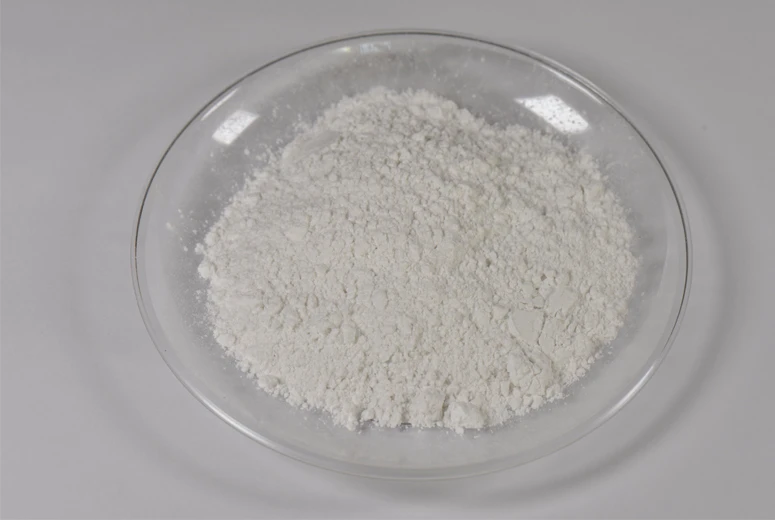
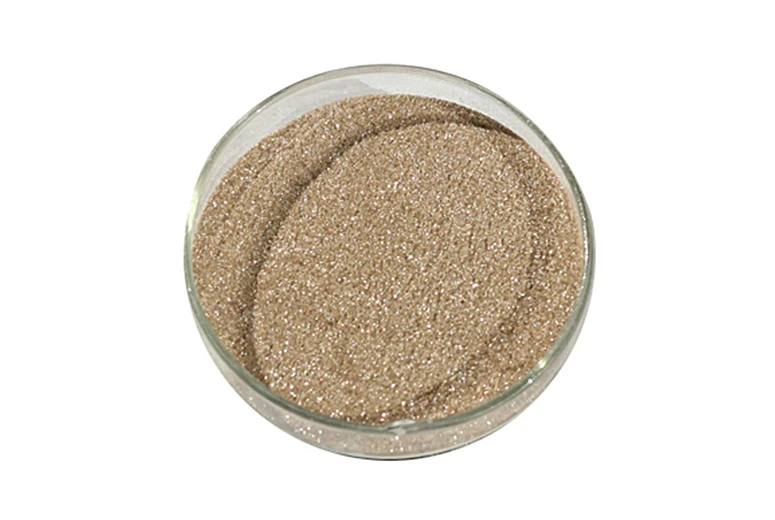
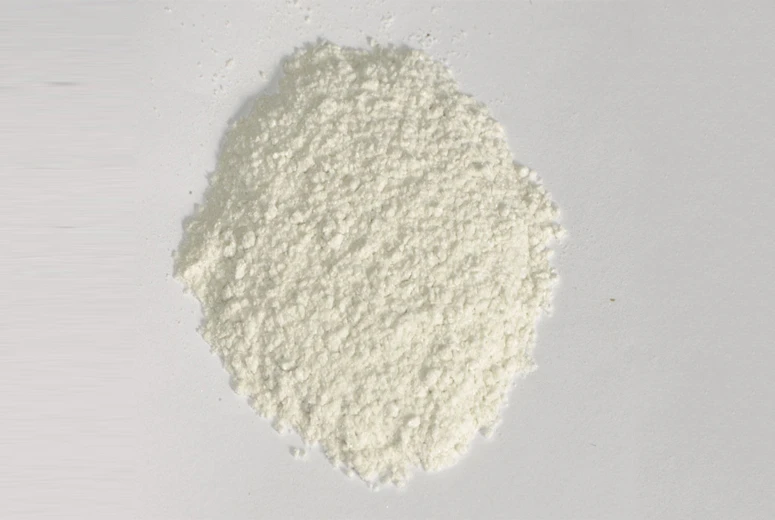
Figure 1: Synthetic mica powder with particle size range of 10-60μm
Product Overview
The 10-60μm synthetic mica powder is a high-purity material derived from synthetic mica sheets. Its unique properties make it a preferred choice for applications requiring precision and durability. The production process involves rigorous steps, including repeated immersion, cleaning, and natural precipitation, ensuring a uniform particle size distribution and minimal impurities. This results in a product with a soft texture, crystalline transparency, and consistent quality.
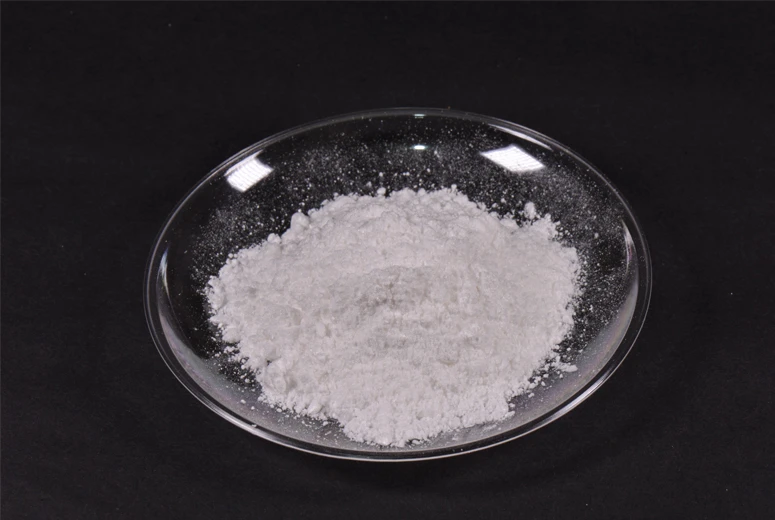
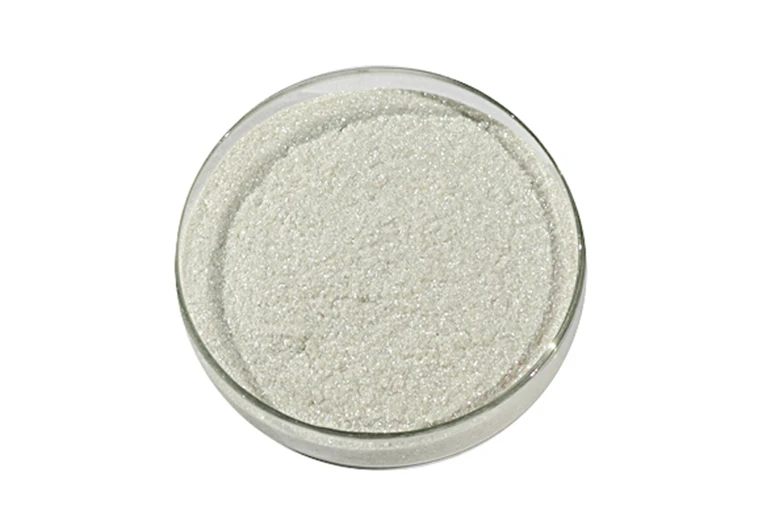
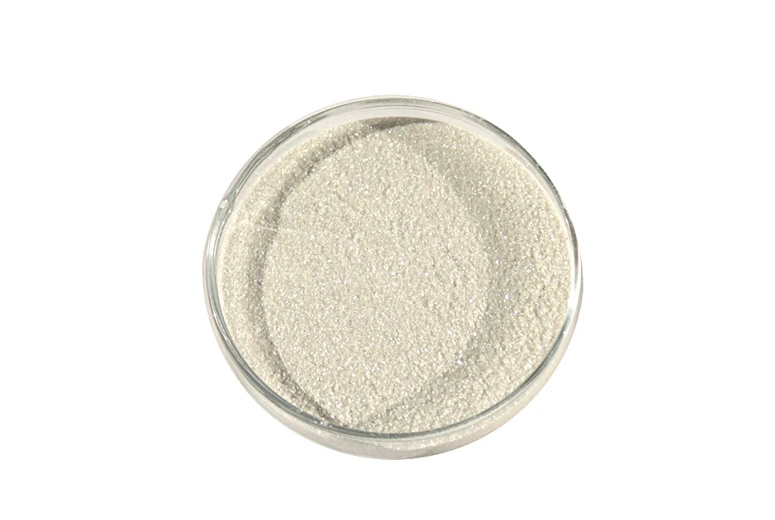
Figure 2: High-quality synthetic mica powder with a bright, uniform appearance
Technical Specifications
The 10-60μm synthetic mica powder meets stringent technical requirements, as outlined in the following table:
| Parameter | Specification |
|---|---|
| Particle Size | D10: 12-14μm, D50: 25-28μm, D90: 49-52μm |
| Whiteness | > 95ppm |
| Color | Bright |
| Packing | 500KGS |
| Product Specification | TDS | MSDS |
Key Features and Advantages
The 10-60μm synthetic mica powder offers several advantages that make it indispensable in specialized applications:
- High Thermal Stability: Resists degradation at elevated temperatures, making it suitable for high-heat environments.
- Excellent Electrical Insulation: Minimizes conductivity, ideal for electronic and industrial components.
- Optical Clarity: Maintains transparency, enhancing the aesthetic and functional properties of coatings and composites.
- Uniform Particle Size: Ensures consistent performance and reduces defects in end products.
- Chemical Resistance: Demonstrates resilience to acids, bases, and solvents, extending product lifespan.
Applications in Various Industries
The versatility of 10-60μm synthetic mica powder makes it a valuable material across multiple sectors:
1. Coatings and Paints
In the coatings industry, the powder acts as a pearl pigment substrate, enhancing the luster and durability of finishes. Its crystalline transparency and uniform particle size contribute to a smooth, reflective surface. According to the National Institute of Standards and Technology (NIST), synthetic mica powders are widely used in high-performance coatings due to their thermal stability and dielectric properties (NIST, 2023).
2. Automotive Industry
The automotive sector benefits from the powder's thermal resistance and electrical insulation. It is used in heat-resistant coatings for engine components and insulating materials in electrical systems. The 500KGS packing ensures efficient logistics for large-scale manufacturing.
3. Electronics
In electronics, the powder's dielectric strength and chemical inertness make it suitable for insulating layers in circuit boards and heat dissipation materials. Its high whiteness also enhances the visual appeal of devices.
4. Plastics and Composites
The powder improves the mechanical properties of plastics and composites, such as impact resistance and dimensional stability. It is commonly used in high-temperature plastics and reinforced polymers.
Company Background: LINGSHOU HUAJING MICA CO., LTD.
The LINGSHOU HUAJING MICA CO., LTD. (formerly 灵寿县华晶云母有限公司) is a leading manufacturer of synthetic mica products, with a focus on innovation and quality. The company specializes in producing high-purity mica powders tailored to meet the demands of global industries. Its comprehensive production process, from raw material selection to final grading, ensures that each batch of 10-60μm synthetic mica powder meets international standards.
With a commitment to sustainability and customer satisfaction, Hebei CBIES has established itself as a reliable supplier for industries requiring precision materials. Their product specifications and chemical safety data (TDS/MSDS) are available for download, ensuring transparency and compliance with regulatory requirements.
Conclusion
The 10-60μm synthetic mica powder exemplifies the synergy between advanced material science and industrial application. Its technical specifications, versatile applications, and reliable supply chain make it a cornerstone in modern manufacturing. As industries continue to demand higher performance and sustainability, materials like synthetic mica powder will play an increasingly vital role.
References
National Institute of Standards and Technology (NIST). (2023). Materials Science Research on Synthetic Mica Applications. Retrieved from https://www.nist.gov/
-
Ultimate Guide to Using High Quality Pearl Paint Pigment for LusterNewsApr.16,2026
-
Elevating Automotive Aesthetics with Mica Powder Car PaintNewsApr.09,2026
-
Unlock Stunning Effects with Mica Powder for Paint ApplicationsNewsApr.07,2026
-
Comprehensive Guide to Mica Dye Powder Applications and BenefitsNewsApr.04,2026
-
Unlocking the Brilliance of Mica Pigment Paint for Diverse ApplicationsNewsMar.31,2026
-
Enhancing Concrete Performance with Durable Mica Chips for Concrete ApplicationsNewsMar.28,2026