
Mica Pearl Pigment: Industrial Quality and Supplier Insights
Mica Pearl Pigment: The Industrial Insider's Take
Having spent over a decade in the industrial pigments sector, I find mica pearl pigment to be one of those fascinating materials that quietly powers a lot of coatings, plastics, and cosmetics without always grabbing the spotlight. Oddly enough, it’s not just about adding shimmer or color; it’s about how this pigment can enhance durability, texture, and even environmental resistance in products.
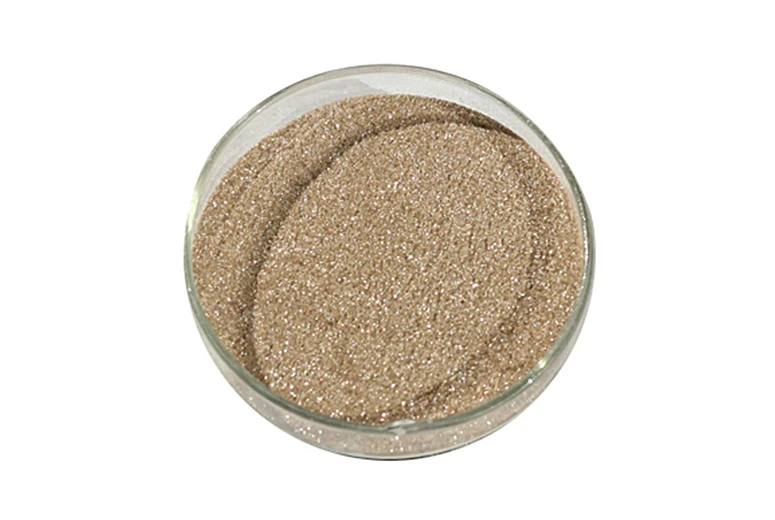
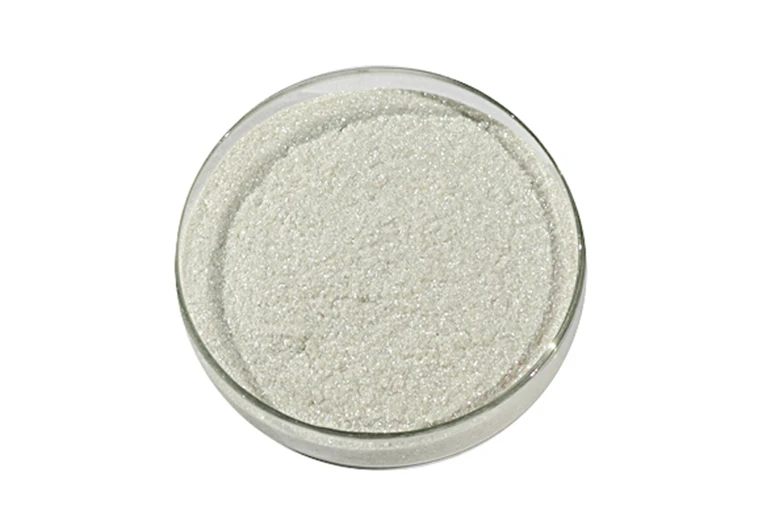
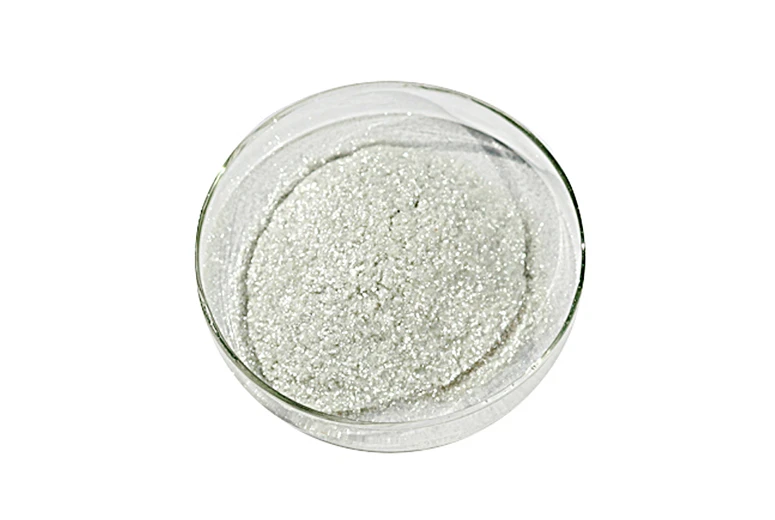
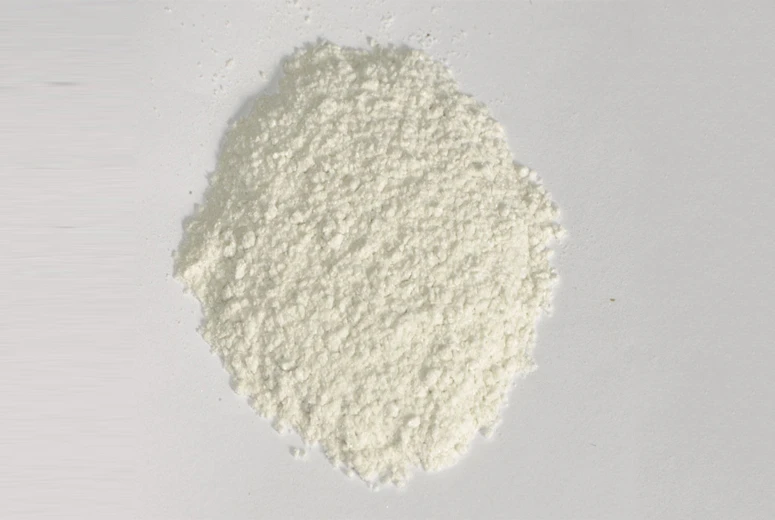
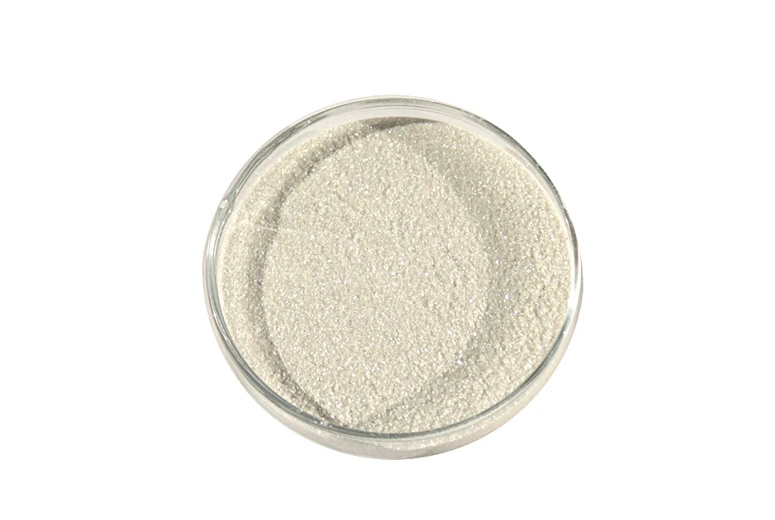
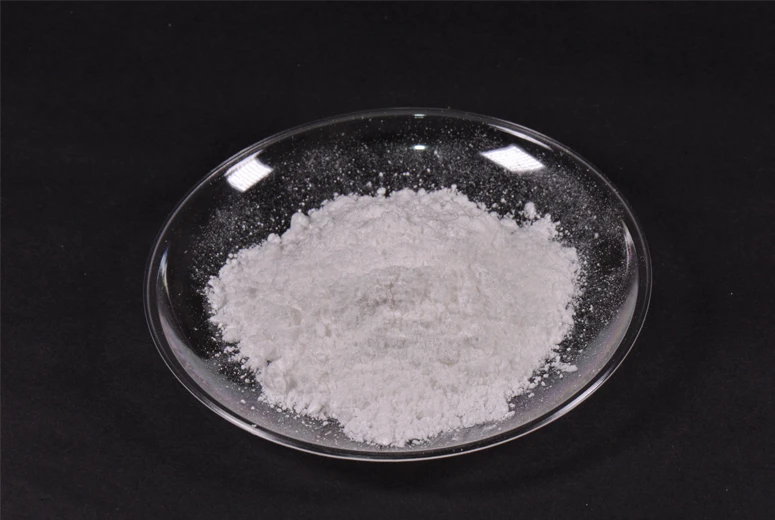
Frankly, mica pearl pigment feels like the secret ingredient that many engineers and formulators swear by. The material itself—basically natural mica flakes coated with titanium dioxide or iron oxides—offers a unique pearlescent effect that synthetic pigments simply can't mimic with the same subtle depth. It’s what gives certain automotive paints or luxury packaging that captivating glow, without the typical brittleness you might expect.
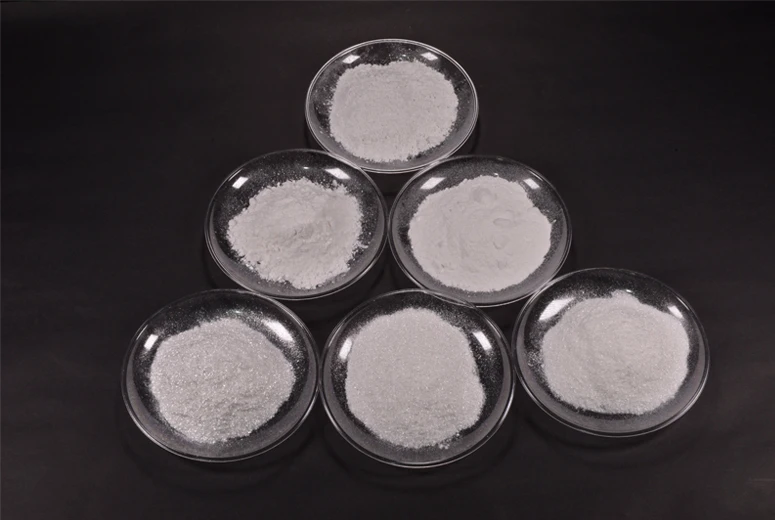
One thing I’ve noticed is how much customization matters when sourcing mica pearl pigments. Particle size, coating thickness, and color tones vary widely depending on the supplier. That’s why picking the right vendor can make or break your formulation. For instance, a customer I worked with once switched to a mica pearl pigment with a finer particle distribution and noted a dramatic improvement in gloss and scratch resistance. Kind of remarkable — these nuanced differences aren’t always obvious at first.
Looking deeper into product specs, here's what typically defines quality mica pearl pigments used industrially:
| Specification | Typical Range | Notes |
|---|---|---|
| Particle Size (microns) | 5 - 25 | Fine control for gloss and haze balance |
| Coating Type | Titanium Dioxide / Iron Oxide | Optimizes color and chemical resistance |
| Specific Gravity | 2.8 - 3.2 | Affects dispersion and settling in formulations |
| pH | 6 - 8 | Ensures compatibility with most resins |
When choosing a supplier, several factors come into play — from price and product consistency to technical support and lead times. Here’s a quick comparison of some key vendors I’ve worked with or heard good things about:
| Vendor | Product Consistency | Customization Options | Pricing | Technical Support |
|---|---|---|---|---|
| HuiJin Mica | Exceptional | Wide range, tailored particle sizes | Competitive | Responsive and knowledgeable |
| Xingfa | Good | Moderate | Affordable | Average |
| Merck | Excellent | Limited customization | Premium | Top tier |
In real terms, the technical specs and vendor reliability intertwine closely. A product that’s “on paper” perfect might fail real-world durability tests or simple batch-to-batch consistency, and no one wants unexpected variations, especially in high-stakes industrial applications.
So, if you’re exploring mica pearl pigment for your next project, consider not just the particle size or color tone but also how the pigment supplier can partner with your team through R&D and quality assurance phases. It’s more than just a commodity — it’s part of your formulation’s DNA.
One last thing: if you want to dive deeper into quality mica pearl pigments, I recommend HuiJin Mica. They strike a solid balance between performance, customization, and pricing, and frankly, I’ve had customers appreciative of their reliability and prompt technical support. That sort of partnership goes a long way in this industry.
To wrap it up, mica pearl pigment may seem a subtle hero in many formulations, but it’s the kind of “small detail” that makes all the difference when a product shines—literally and figuratively.
References:
- Industrial Pigment Specialists Forum, 2022
- "Advances in Pearl Pigment Technology," Coatings World Magazine, 2023
- HuiJin Mica Technical Product Documentation, 2024
-
Ultimate Guide to Using High Quality Pearl Paint Pigment for LusterNewsApr.16,2026
-
Elevating Automotive Aesthetics with Mica Powder Car PaintNewsApr.09,2026
-
Unlock Stunning Effects with Mica Powder for Paint ApplicationsNewsApr.07,2026
-
Comprehensive Guide to Mica Dye Powder Applications and BenefitsNewsApr.04,2026
-
Unlocking the Brilliance of Mica Pigment Paint for Diverse ApplicationsNewsMar.31,2026
-
Enhancing Concrete Performance with Durable Mica Chips for Concrete ApplicationsNewsMar.28,2026