
Exploring the Versatile Applications of Mica Mineral Flakes in Industries
Understanding Mica Mineral Flakes and Their Applications
Mica mineral flakes are naturally occurring silicate minerals known for their excellent dielectric, thermal, and chemical resistance properties. These flakes are incredibly versatile, finding use in a wide array of industries, from paints and coatings to electronics and cosmetics. At HJ Mica, we specialize in providing high-quality mica flakes tailored to meet diverse industrial needs. Understanding the properties and applications of these flakes is crucial for optimizing their performance in various products.

What are Mica Mineral Flakes?
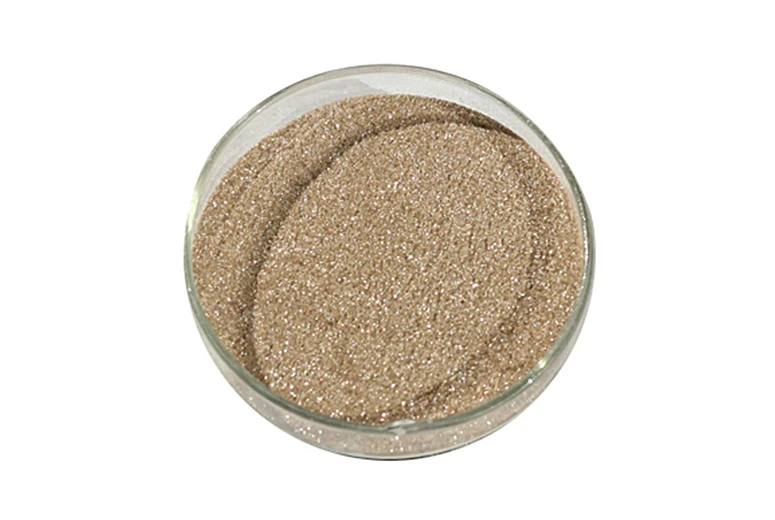
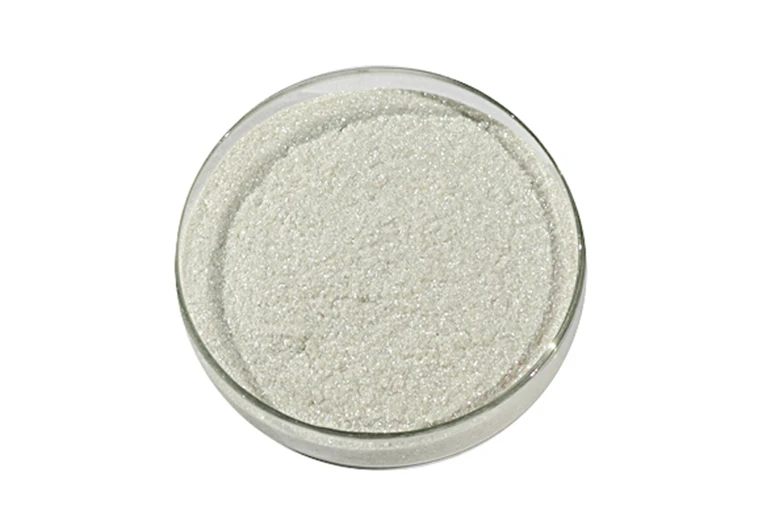
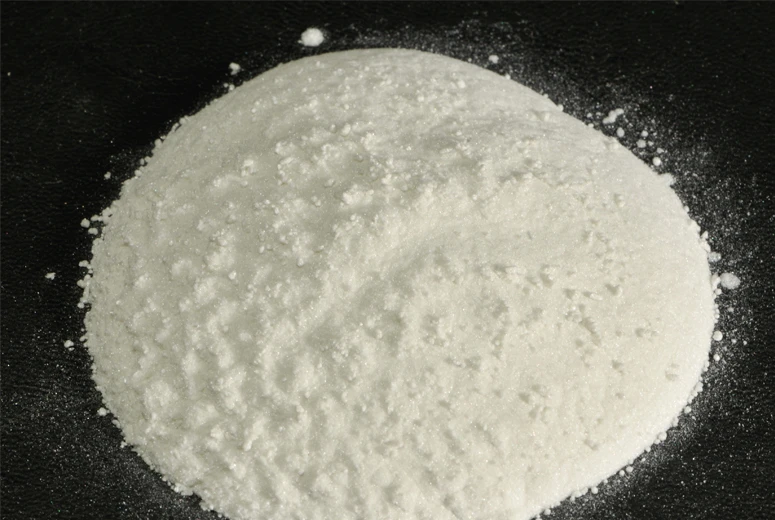
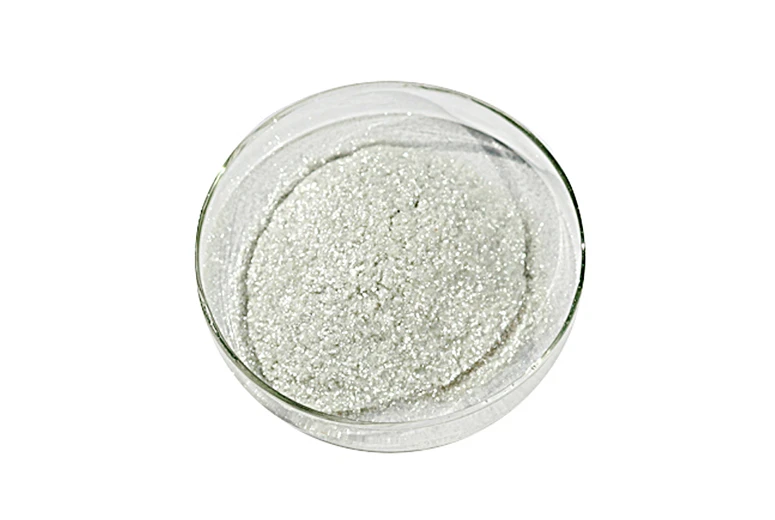
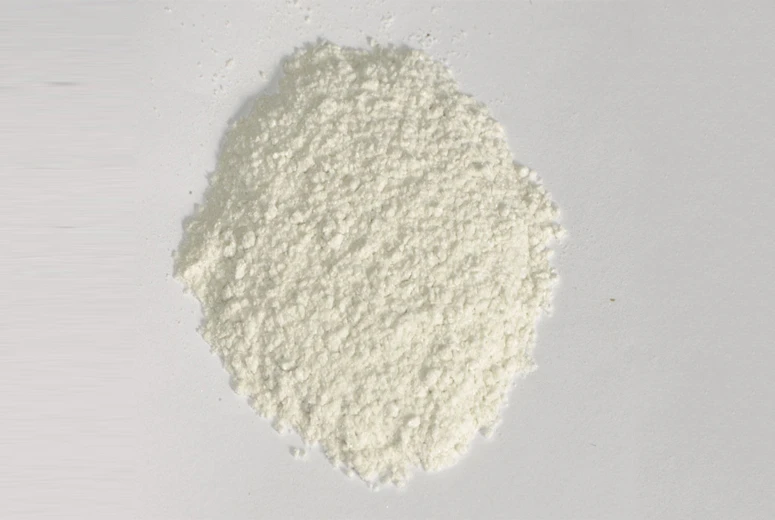
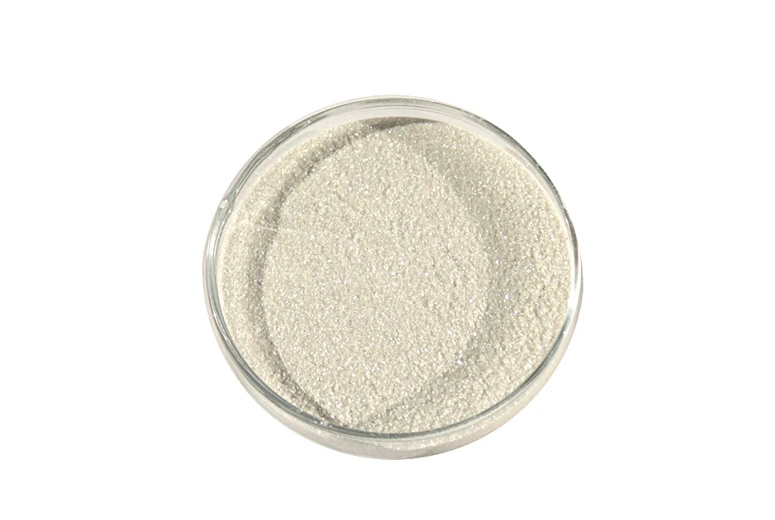
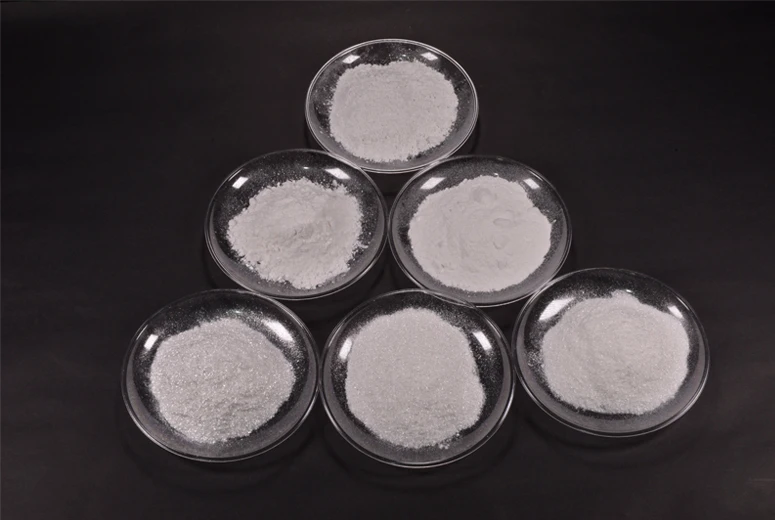
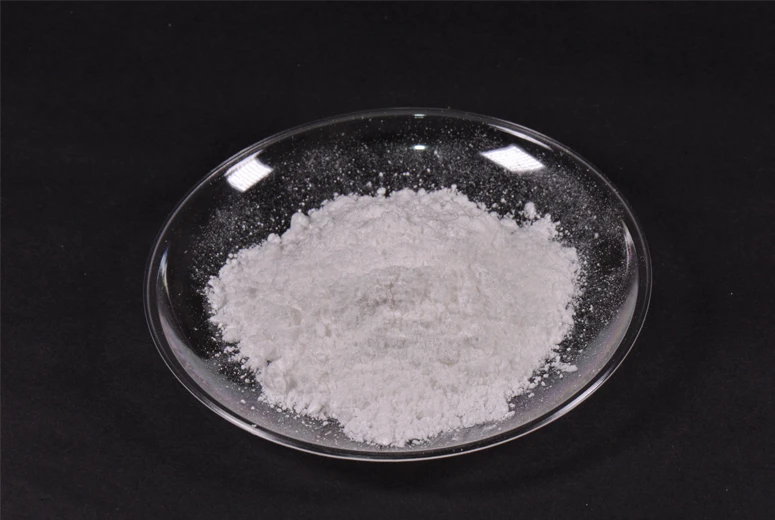
Mica is a group of silicate minerals that exhibit perfect basal cleavage, meaning they can be easily split into thin, flexible sheets. These sheets are what we refer to as mica flakes. The most common types of mica used commercially are muscovite and phlogopite, each possessing unique characteristics. Muscovite mica flakes are known for their clarity and high dielectric strength, while phlogopite flakes offer superior heat resistance and low alkali content. Mica flakes are naturally inert, non-toxic, and resistant to degradation, making them a safe and sustainable material for numerous applications. The size and thickness of the flakes can be customized to suit specific requirements, ranging from very fine powders to larger, more visible flakes.
Key Highlights: Mica mineral flakes offer excellent dielectric strength, thermal stability, and chemical inertness. They are a naturally abundant and sustainable material.
Applications of Mica Flakes in the Coatings Industry
Mica flakes are extensively used in the coatings industry to enhance various properties of paints, primers, and protective coatings. They improve durability, weather resistance, and corrosion protection. The reflective properties of mica flakes contribute to improved aesthetics, providing a shimmering or pearlescent effect. In automotive coatings, they help to prevent rust and extend the lifespan of the paint job. Moreover, mica flakes can act as a barrier against UV radiation, preventing fading and degradation of the coating. They are frequently incorporated into both water-based and solvent-based formulations.
Benefits in Coatings:
• Improved durability and weather resistance
• Enhanced corrosion protection
• Aesthetic appeal (shimmering/pearlescent effect)
• UV radiation barrier
Mica Flakes in Electronics: A Key Insulating Material
Due to their exceptional dielectric strength and thermal stability, mica flakes are critical components in the electronics industry. They’re used as an insulator in capacitors, printed circuit boards (PCBs), and other electronic components. Mica's ability to withstand high temperatures without losing its insulating properties makes it ideal for high-performance electronic devices. Moreover, mica flakes are chemically inert and resistant to arcing, contributing to the reliability and longevity of electronic systems. HJ Mica offers specialized mica flakes designed to meet the stringent requirements of the electronics sector.
Other Applications of Mica Mineral Flakes
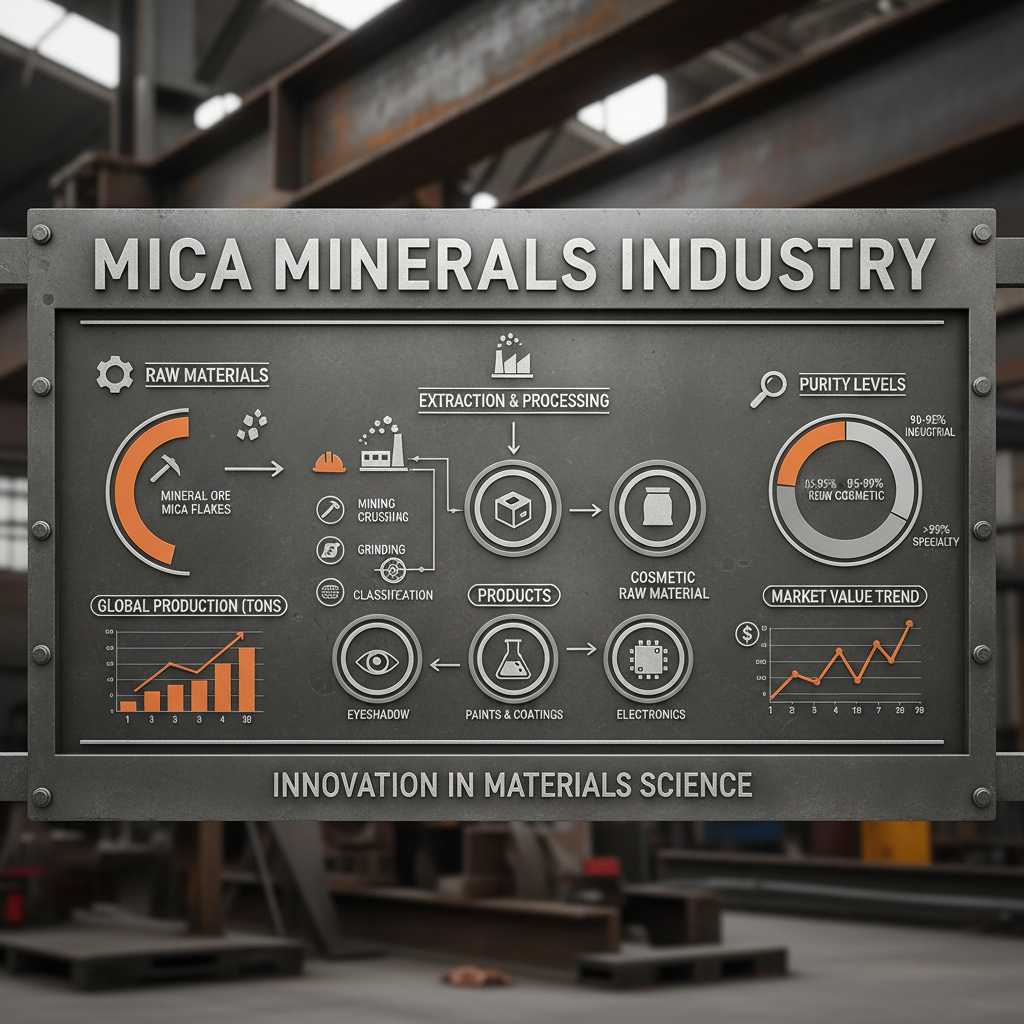
Beyond coatings and electronics, mica flakes find applications in various other industries. In cosmetics, they add shimmer and opacity to products like eyeshadows, foundations, and lipsticks. In the plastics industry, they enhance dimensional stability, reduce warping, and improve surface finish. They are also used as a filler in drilling muds, improving their lubricating properties and preventing pipe sticking. Furthermore, mica flakes are utilized in rubber products to improve tear resistance and electrical insulation. The versatility of mica makes it a valuable ingredient across a broad spectrum of manufacturing processes.
Choosing the Right Mica Flakes for Your Application
Selecting the appropriate mica flakes depends on the specific application and desired properties. Factors to consider include the type of mica (muscovite or phlogopite), flake size, thickness, and purity. At HJ Mica, we offer a wide range of mica flakes to meet your precise requirements. Our expert team can provide guidance and support in selecting the optimal product for your needs. We provide custom sizing and blending options for tailored solutions.
Conclusion: Harnessing the Power of Mica Flakes
Mica mineral flakes are a remarkably versatile material with a broad range of applications across various industries. Their unique properties, including excellent dielectric strength, thermal stability, and chemical inertness, make them an invaluable ingredient in coatings, electronics, cosmetics, and more. HJ Mica is dedicated to providing high-quality mica flakes and expert support to help you optimize your products and processes.
Frequently Asked Questions (FAQs)
What is the difference between muscovite and phlogopite mica?
Muscovite and phlogopite are both types of mica, but they differ in their chemical composition and properties. Muscovite is a potassium aluminum silicate, known for its clarity and high dielectric strength, making it ideal for electrical insulation. Phlogopite, a magnesium aluminum silicate, offers superior heat resistance and lower alkali content, making it suitable for high-temperature applications and environments where alkali sensitivity is a concern. The choice between the two depends on the specific demands of the application.
Are mica flakes environmentally friendly?
Yes, mica is a naturally occurring mineral and is generally considered environmentally friendly. It’s a sustainable resource, and its extraction and processing have a relatively low environmental impact compared to synthetic materials. Mica flakes are non-toxic and biodegradable, making them a safe and responsible choice for a variety of applications. At HJ Mica, we are committed to responsible sourcing and sustainable practices.
How are mica flakes sized?
Mica flakes are sized based on their average particle diameter. The sizing is typically expressed in mesh numbers, which refer to the number of openings per inch in a sieve. Smaller mesh numbers indicate larger flake sizes, while larger mesh numbers represent finer flakes. Common mesh sizes range from 40 mesh (coarse) to 400 mesh (very fine). At HJ Mica, we can provide mica flakes in a variety of mesh sizes to meet specific customer requirements. Custom sizing is available upon request.
Can mica flakes be used in high-temperature applications?
Yes, particularly phlogopite mica flakes are well-suited for high-temperature applications. Phlogopite exhibits excellent thermal stability, maintaining its properties at temperatures up to 900°C (1650°F). This makes it ideal for use in electrical insulation, heat shields, and other applications where resistance to high temperatures is crucial. Muscovite mica can also withstand elevated temperatures but to a lesser extent than phlogopite.
-
Ultimate Guide to Using High Quality Pearl Paint Pigment for LusterNewsApr.16,2026
-
Elevating Automotive Aesthetics with Mica Powder Car PaintNewsApr.09,2026
-
Unlock Stunning Effects with Mica Powder for Paint ApplicationsNewsApr.07,2026
-
Comprehensive Guide to Mica Dye Powder Applications and BenefitsNewsApr.04,2026
-
Unlocking the Brilliance of Mica Pigment Paint for Diverse ApplicationsNewsMar.31,2026
-
Enhancing Concrete Performance with Durable Mica Chips for Concrete ApplicationsNewsMar.28,2026