
Create Mesmerizing Resin Art with Epoxy with Mica Powder Techniques
Creating Stunning Effects with Epoxy with Mica Powder
Looking to add a touch of shimmer and sophistication to your resin creations? Combining epoxy with mica powder unlocks a world of artistic possibilities. From mesmerizing jewelry to breathtaking art pieces, mica powder’s vibrant colors and pearlescent effects elevate your projects. This guide will explore everything you need to know – from choosing the right mica to mastering the techniques for flawless results. Discover how to achieve incredible depth, luminosity, and unique textures in your epoxy resin work.
Understanding Mica Powder: Types and Colors
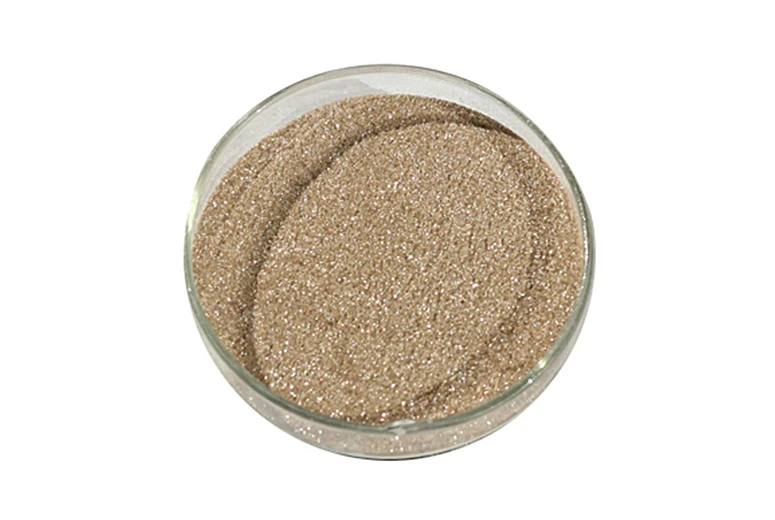
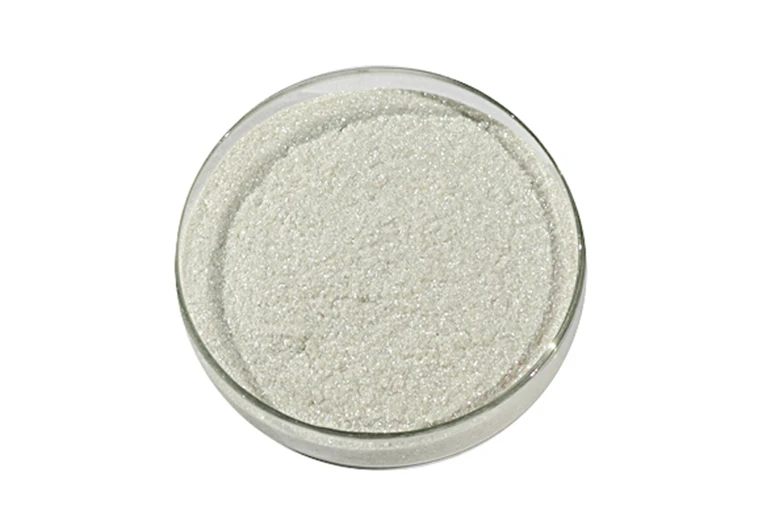
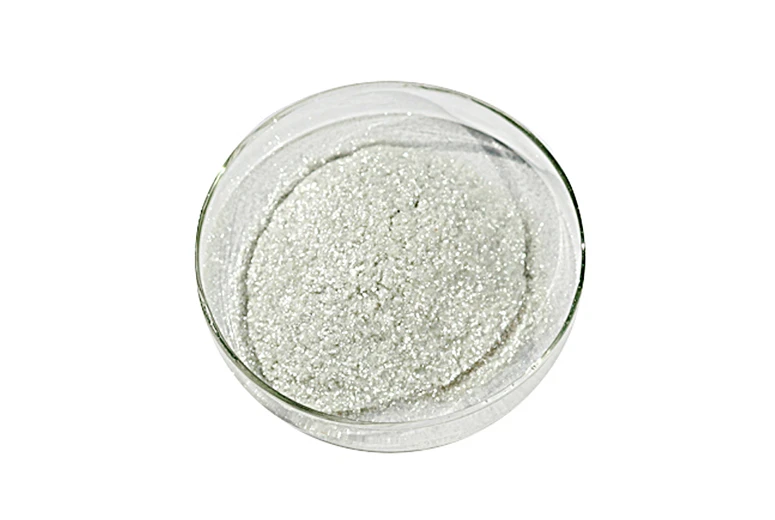
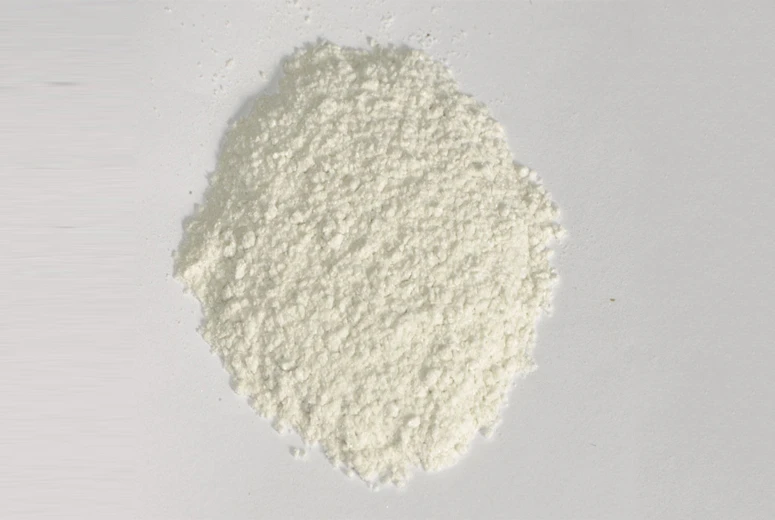
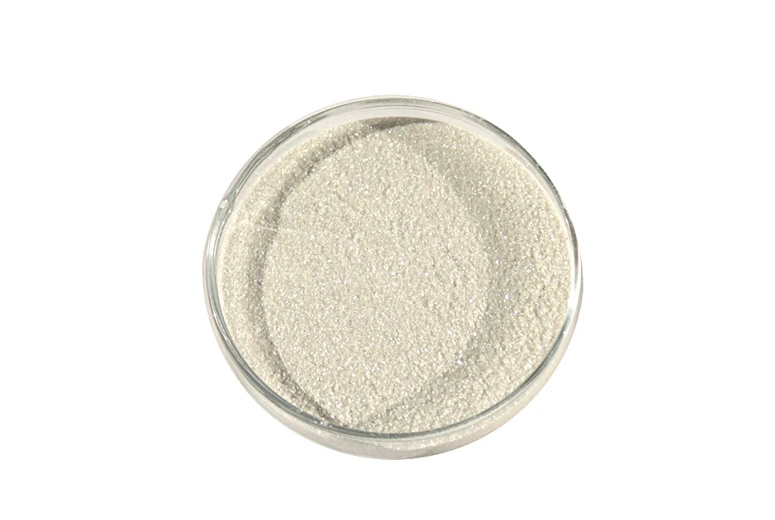
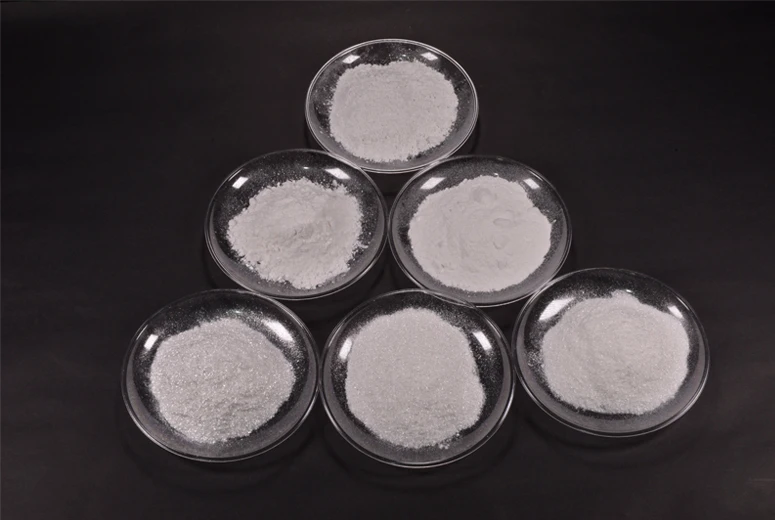
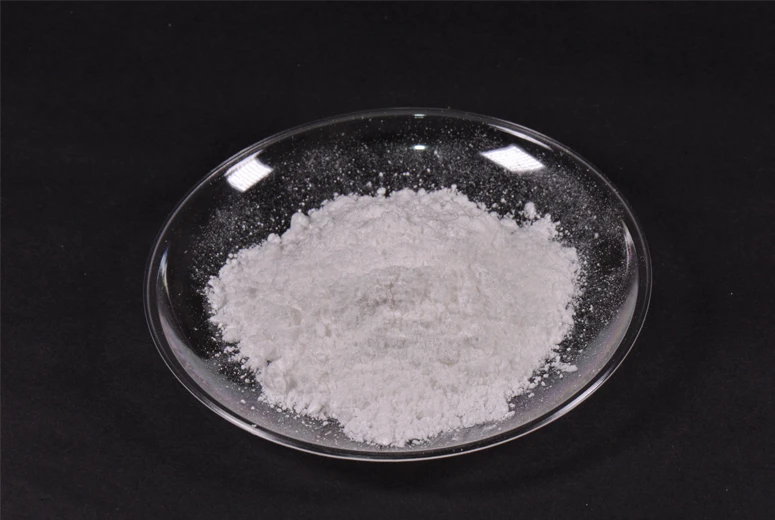
Mica powder isn't a single material, but a family of silicate minerals ground into fine, pearlescent powders. Different types of mica produce varying effects. Synthetic mica, often called fluorphlogopite, offers superior purity and brilliance compared to natural mica. Colors are created by coating the mica particles with metal oxides. HJ Mica provides an extensive range of colors, from classic golds and silvers to vibrant blues, greens, and iridescent shades. Choosing the right mica powder depends on the desired aesthetic – consider the project's theme and the effect you want to create. For example, a pearlescent white mica can create a subtle shimmer, while a bold gold mica will make a statement.
Key Highlights: Synthetic mica offers superior purity and brilliance. A wide range of colors are available to achieve desired aesthetic effect.
The Benefits of Using Mica Powder in Epoxy Resin
Adding mica powder to epoxy resin offers several advantages. Firstly, it provides stunning visual effects – creating depth, shimmer, and a luxurious look. Secondly, mica is incredibly versatile; it can be used to create a wide variety of textures, from subtle pearlescence to bold, metallic finishes. Importantly, mica powder doesn’t significantly alter the epoxy’s curing process or strength. Lastly, it's a relatively inexpensive way to elevate the quality and aesthetic of your resin projects. Using high-quality mica powder like that offered by HJ Mica ensures consistent color and even distribution within the resin.
Mica Powder Benefits:
• Stunning visual effects: shimmer, depth, and luxury.
• Versatile texture options.
• Doesn’t alter epoxy’s curing process.
• Cost-effective enhancement.
Epoxy and Mica Powder: Mixing Ratios and Techniques
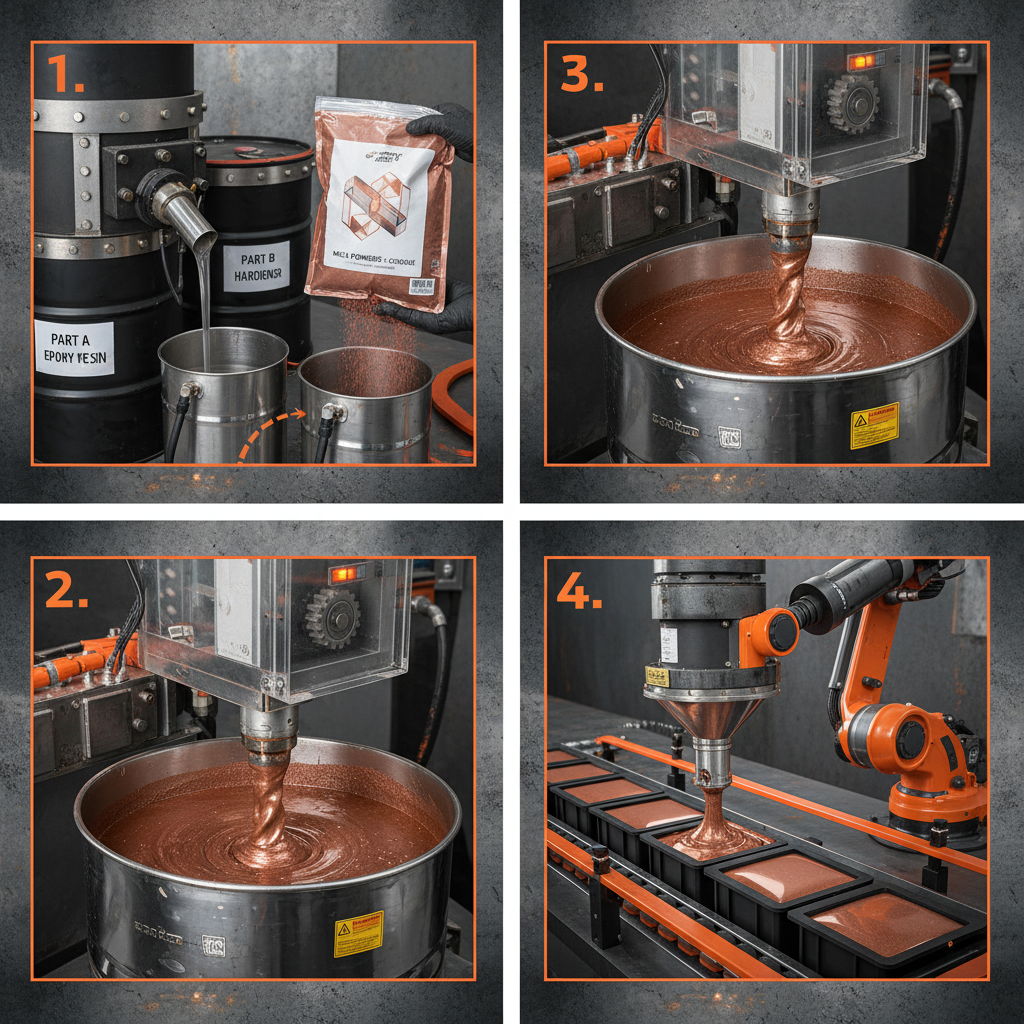
The ideal mica powder to epoxy resin ratio typically ranges from 1-3% by weight. Start with a smaller amount (1%) and gradually add more until you achieve the desired intensity. Too much mica can affect the epoxy’s transparency and potentially weaken its structural integrity. For best results, slowly add the mica powder to the epoxy while stirring gently to avoid creating air bubbles. A good technique is to pre-mix the mica with a small amount of epoxy before adding it to the bulk resin. This creates a paste that disperses more evenly. Ensure thorough mixing to prevent settling and streaking.
Selecting High-Quality Mica Powder from HJ Mica
Not all mica powders are created equal. Choosing a reputable supplier like HJ Mica guarantees consistent color, high purity, and excellent dispersion. Look for mica powders that are specifically designed for epoxy resin use, as these will have finer particle sizes and better color stability. Consider the pigment load – higher pigment loads result in more vibrant colors. When purchasing, check for certifications and safety data sheets to ensure the mica powder meets industry standards and is safe to use.
Safety Precautions When Working with Epoxy and Mica
While epoxy and mica are generally safe, it's crucial to take precautions. Always work in a well-ventilated area and wear a respirator to avoid inhaling epoxy fumes or mica dust. Gloves and eye protection are essential to prevent skin irritation and eye contact. Mica powder can be slightly abrasive, so avoid prolonged skin contact. Clean up any spills immediately and dispose of materials properly. Always refer to the epoxy resin and mica powder manufacturer's safety data sheets for detailed instructions.
Conclusion: Unleash Your Creativity with Epoxy and Mica
Combining epoxy with mica powder is a fantastic way to create stunning and unique resin art. By understanding the different types of mica, mastering mixing techniques, and prioritizing safety, you can unlock a world of artistic possibilities. Explore the vibrant color range and exceptional quality offered by HJ Mica and start transforming your ideas into beautiful realities.
Frequently Asked Questions (FAQs)
What’s the difference between natural and synthetic mica powder?
Natural mica is mined from the earth and offers a more subtle shimmer. Synthetic mica, or fluorphlogopite, is lab-created, providing superior purity, brilliance, and color consistency. Synthetic mica also has a more uniform particle size, resulting in a smoother finish in epoxy resin. While natural mica is a more sustainable option, synthetic mica is generally preferred for resin art due to its enhanced performance and vibrant colors.
Can I use other pigments besides mica powder in epoxy resin?
Yes, you can! Other options include alcohol inks, liquid dyes, and even finely ground pigments. However, mica powder is particularly well-suited for epoxy resin due to its pearlescent effect and compatibility. Some pigments may affect the epoxy’s curing process or transparency, so it’s important to test a small sample first. Always ensure the pigment is designed for use with resin.
How do I prevent air bubbles when mixing mica powder with epoxy?
Air bubbles are a common issue when working with epoxy. To minimize them, stir the mixture slowly and deliberately, avoiding vigorous whipping. Pre-mixing the mica powder with a small amount of epoxy before adding it to the bulk resin can help reduce bubble formation. A heat gun or toothpick can be used to gently pop any surface bubbles. You can also pour the epoxy slowly to minimize bubbles.
Where can I find more inspiration for epoxy and mica projects?
There are tons of resources available online! Pinterest, Instagram, and YouTube are great sources of inspiration. Search for "epoxy resin art," "mica powder resin," or "resin jewelry" to find countless ideas. Also, check out the HJ Mica website for project ideas and tutorials.
-
Ultimate Guide to Using High Quality Pearl Paint Pigment for LusterNewsApr.16,2026
-
Elevating Automotive Aesthetics with Mica Powder Car PaintNewsApr.09,2026
-
Unlock Stunning Effects with Mica Powder for Paint ApplicationsNewsApr.07,2026
-
Comprehensive Guide to Mica Dye Powder Applications and BenefitsNewsApr.04,2026
-
Unlocking the Brilliance of Mica Pigment Paint for Diverse ApplicationsNewsMar.31,2026
-
Enhancing Concrete Performance with Durable Mica Chips for Concrete ApplicationsNewsMar.28,2026